- Category
- Latest news
Russia Can’t Build Warplanes Without US Tech—Even Kremlin’s Top Chip Scientist Is Smuggling It In
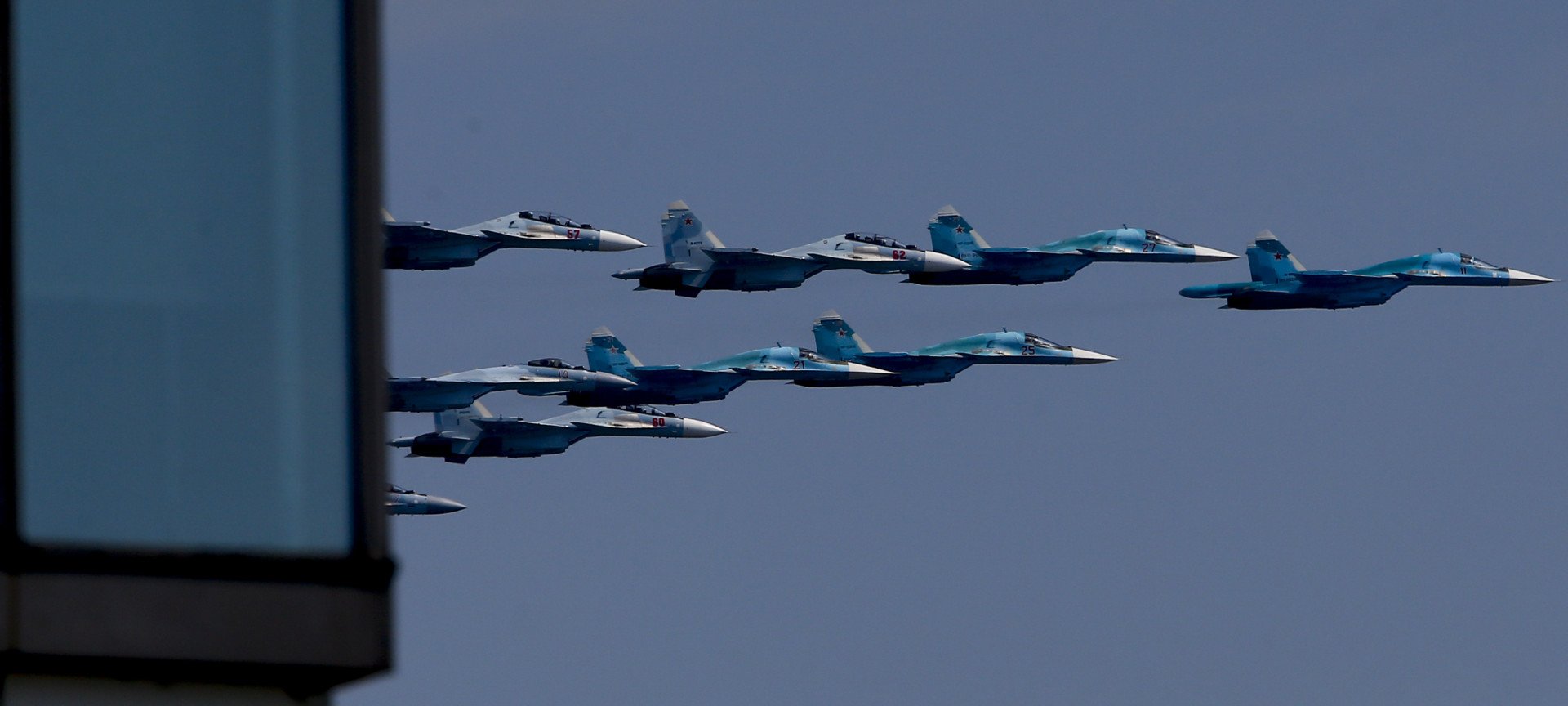
A top Russian academic and microelectronics expert has been implicated in a major sanctions-evasion scheme that funneled US-made chips into Russia’s military supply chain, including components used in Su-34 and Su-35 fighter jets deployed in the war against Ukraine.
 Prefer U24 Media on Google
- Authors


Alexander Stempkovsky, an academician at the Russian Academy of Sciences and a leading expert in electronic design automation (EDA) systems, is a the center of the revelations, according to a July 8 investigation by the International Partnership for Human Rights (IPHR), the Independent Anti-Corruption Commission, and US Hunterbrook Media.
Stempkovsky is the founder, CEO, and owner of Alphachip, a Moscow-based company accused of smuggling high-tech components into Russia in violation of sanctions.
The Su-34 uses the FAB-250M54 in combination with the UMPK. In order to reduce drag and increase range, a streamlined cap is installed on the nose of the bomb. pic.twitter.com/XIY8HKNSNT
— Andrei_bt (@AndreiBtvt) November 14, 2023
“In 2023 alone, Alphachip imported $2.3 million worth of microchips, mainly from the American firm Analog Devices,” the report stated, noting that these components were routed through third countries including China, Hong Kong, Turkey, the UAE, and several EU nations.
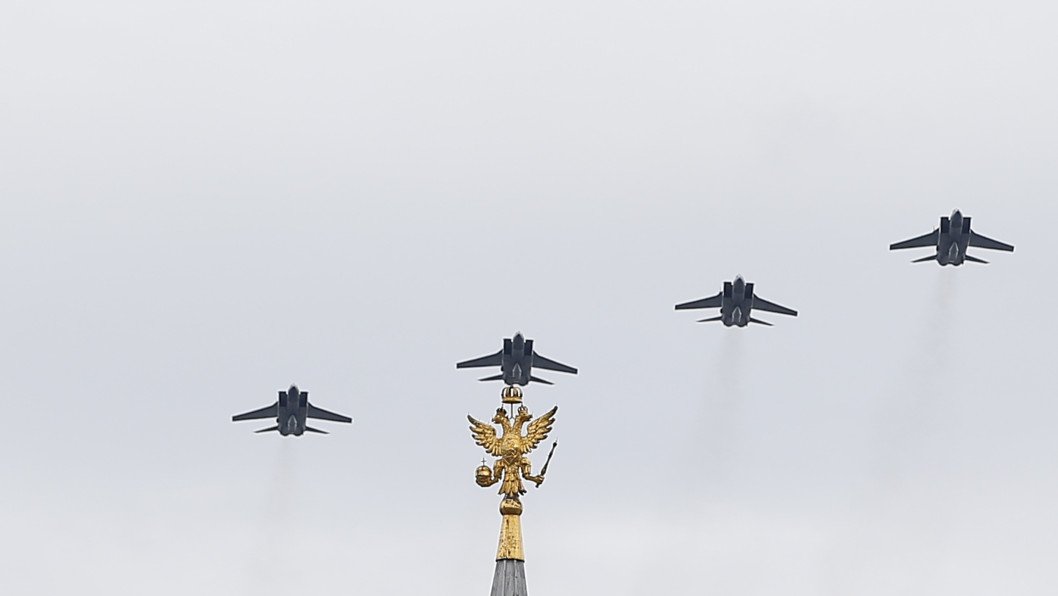
The chips in question are reportedly installed in Russia’s frontline Su-34 and Su-35 fighter-bombers—aircraft that have been used extensively in the full-scale war against Ukraine.
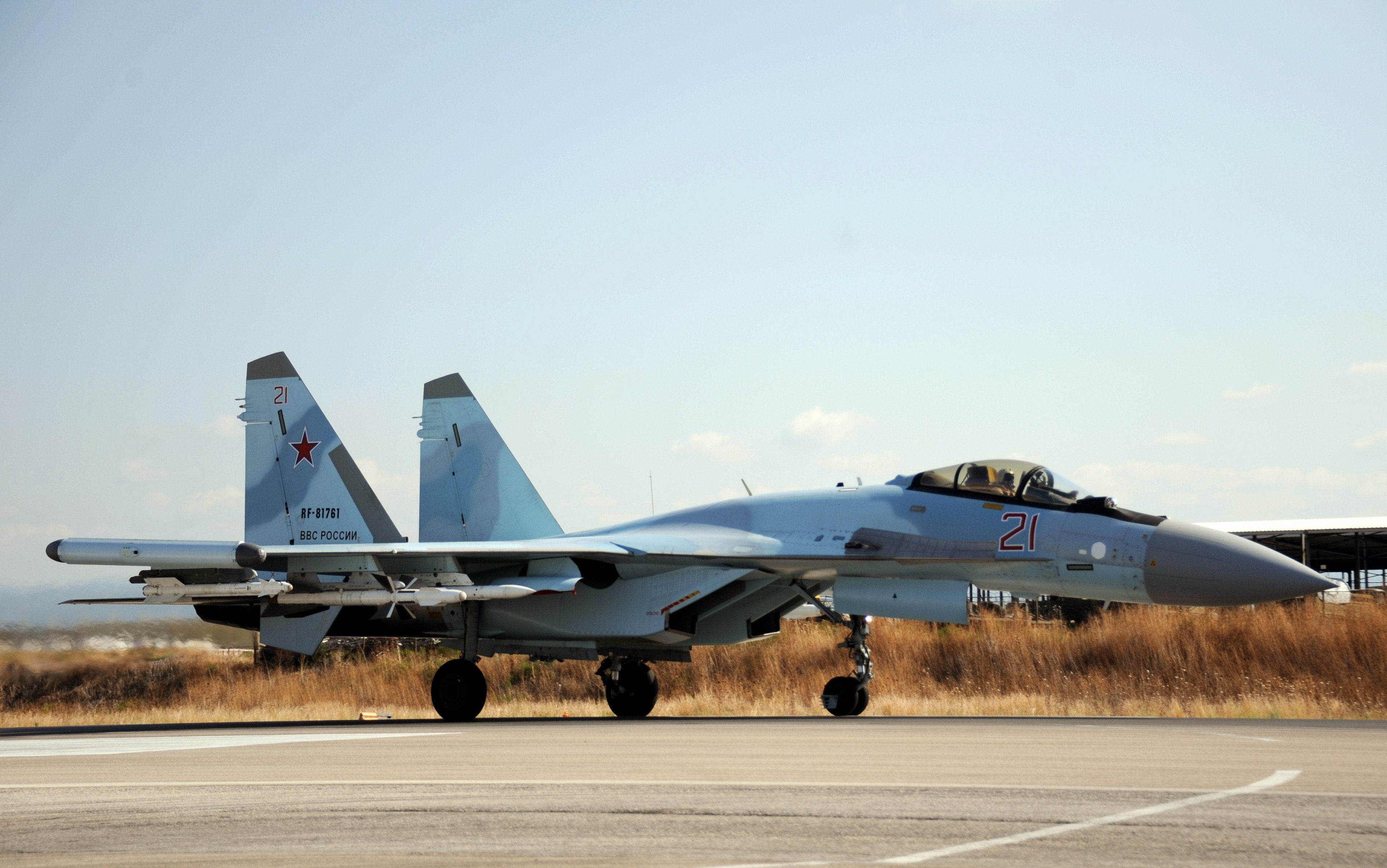
Investigators claim these jets contain more than 1,000 foreign-made critical components originating from 11 countries, including the United States and members of the Global Export Control Coalition (GECC)—a 39-nation group coordinating efforts to block Russia’s access to sensitive military technologies.
While Alphachip was never sanctioned, its known collaborator, Milandr, has been under US restrictions since 2022 for supplying microelectronics to the Russian defense sector. The new findings indicate that Alphachip may have been acting as a proxy to circumvent existing bans.
A key figure in Russia’s microelectronics ambitions
Stempkovsky’s résumé includes more than three decades at the forefront of Russian semiconductor innovation. He was the long-time scientific director of the Institute of Microelectronic Design Problems—Russia’s only research institution focused on EDA systems—and continues to lead Alphachip, which develops chip design software for Russia’s defense industry under contracts with the Advanced Research Foundation (Russia’s equivalent of DARPA).
In 2025, Russia’s Ministry of Industry and Trade officially designated Alphachip as a defense-industrial enterprise, and the Russian Academy of Sciences named it the country’s “leading institution” for chip design systems. Russian leader Vladimir Putin personally awarded Stempkovsky the Order of Merit for the Fatherland in February 2024.
-e4ae7d0c8eb24d9d226d7c40efa811d8.jpg)
The company originated from the International Computer Initiative, a joint venture founded in 1991 by Soviet-era scientific institutes and Germany’s Siemens.
Russian warplane strikes war crimes
Russian forces deliberately targeted civilians or civilian infrastructure in areas with no active combatants, according to the investigators.
“They were targeting not only civilian buildings and densely populated civilian areas — they targeted places with special protections under international humanitarian law: schools and hospitals,” said Anastasiya Donets, who runs the Ukrainian legal team at IPHR.
The report argues these actions constitute war crimes under the Rome Statute of the International Criminal Court, to which Ukraine is a signatory.
-5eea2cf1126d975e702896f6b4c7b36f.png)
The conclusion is based on the precision of the munitions used, the nature of the targets, and the absence of military objectives within the blast radius of the strikes.
This assessment is further supported by the technical characteristics of the weapons involved. The UMPB D30-SN glide bombs—first observed in use in March 2024—are part of Russia’s push to field cheaper, longer-range precision munitions.
Guided by GLONASS satellite navigation, they have an estimated accuracy of 15 to 30 feet and can be launched from well within Russian territory to strike targets in Ukrainian border regions.
Russia’s end run around sanctions
Following the start of Russia’s full-scale invasion of Ukraine, Stempkovsky lamented the impact of sanctions on the Russian tech sector in an interview with Rossiyskaya Gazeta, stating that the country had been “cut off” from key semiconductor manufacturing tools.
To overcome the blockade, he proposed an aggressive approach: “Russify 90–180 nm technologies by copying existing equipment, using designs from friendly countries, and refining them with domestic know-how.”
According to him, the systems under development could be assembled from publicly available components worldwide and upgraded in-house.
Earlier, reports emerged that Russia is upgrading its Soviet-era bombs with modern guidance systems. The newly revealed Kometa-M24 module is designed to keep glide bombs effective despite Ukrainian jamming—and could mark a shift in Russia’s standoff strike strategy.
Discuss this article:





-c439b7bd9030ecf9d5a4287dc361ba31.jpg "Photo of Katherina Popilnichenko")