- Category
- Latest news
Russia Seeks Urgent Protection for Helicopters After $16M KA-52 Lost to $500 Drone
 Prefer U24 Media on Google
- Authors

-111f0e5095e02c02446ffed57bfb0ab1.jpeg "Photo of Roman Kohanets")
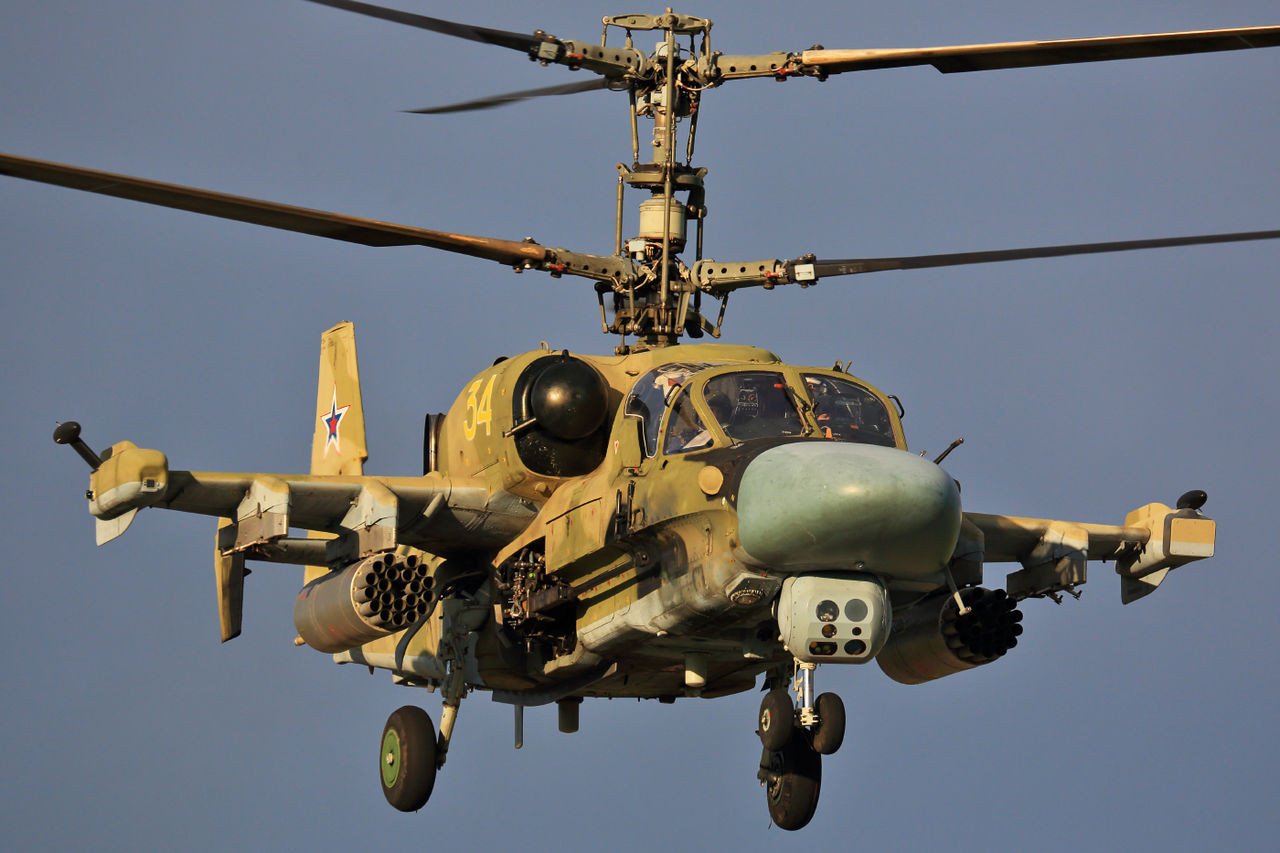
Russia reportedly is intensifying efforts to develop new countermeasures to protect its helicopters from FPV drones, which Ukrainian forces increasingly use to threaten low-altitude aircraft, Militarnyi reported on October 15.
In one revealing admission, the Russian helicopter manufacturer “Russian Helicopters” acknowledged that some of its rotorcraft had been damaged or destroyed by FPV drones, and announced ongoing efforts to devise protective upgrades.
At the 2024 Army-2024 forum held in Russia, a company representative already conceded: “We did not anticipate the widespread use of such drones when the war began … Our company is currently working on solutions to address this new type of threat.”
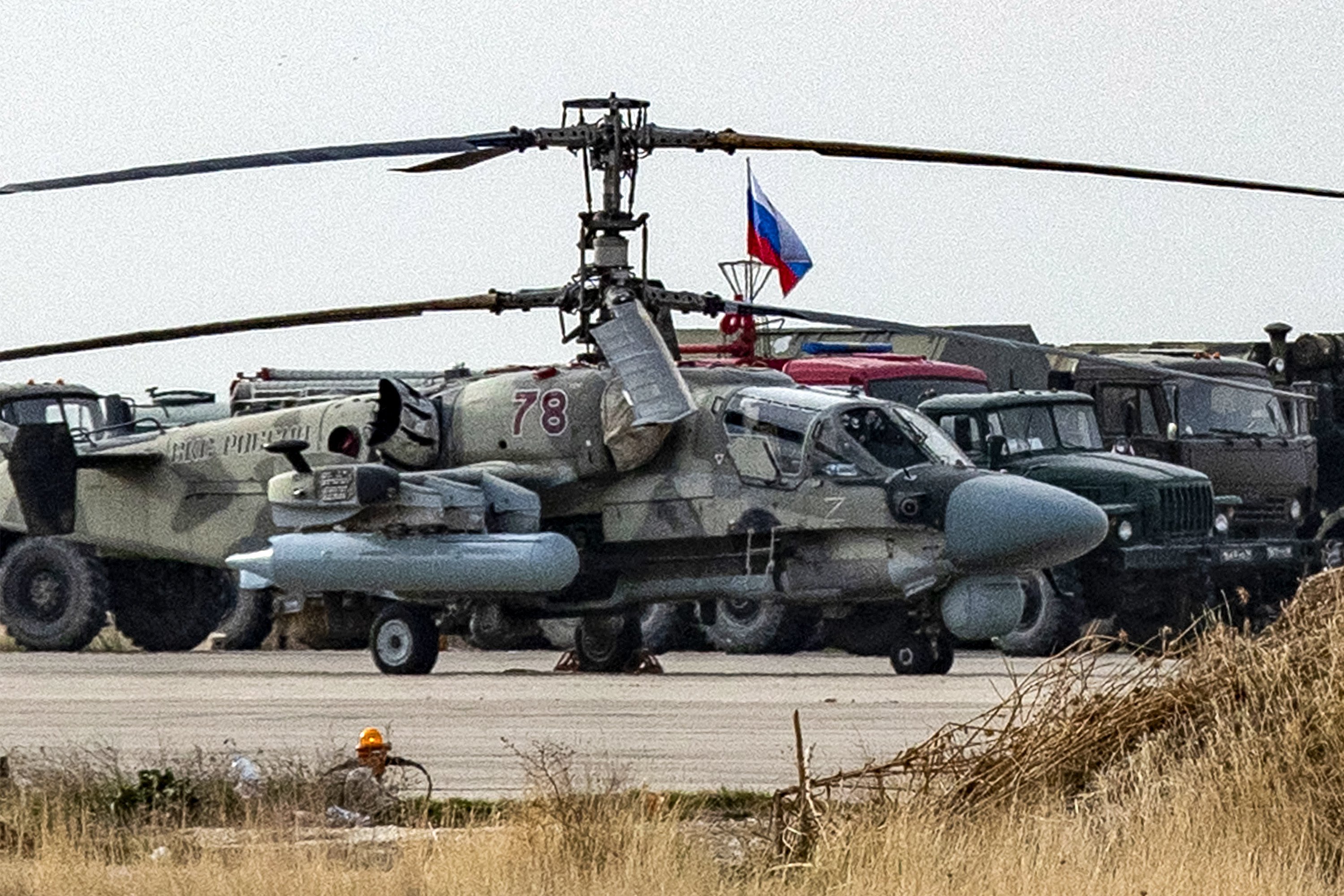
Although official data remain scarce, Security and Defence notes that only a mix of methods offers practical protection:
Physical “mesh” or cage systems: Similar to the “anti-drone mesh” or “cope cages” used on ground vehicles to trigger premature detonation or deformation of incoming munitions. These metal lattices are already widely documented in the Russo-Ukrainian war context to protect armored vehicles from drone strikes;
Electronic warfare: because FPV drones rely on radio links (or sometimes encrypted/mesh control channels), disruption or deception of control signals is a classic counter-UAS technique. The general field of C-UAS (Counter-Unmanned Aircraft Systems) encompasses methods like jamming, signal suppression, and spoofing;
Laser or directed-energy systems: In mid-2025, Russia announced successful large-scale tests of new laser-based defenses against drones, describing the systems as “promising” and aiming to fold them into a universal air defense architecture;
Layered or hybrid protection: Given the limitations of any single method (weight, power consumption, aerodynamic penalty, reaction speed), a layered architecture—combining physical, electronic, and kinetic defenses—is more likely.
In the broader strategic frame, the Ukrainian side is also rapidly evolving its drone warfare capabilities. Russia is attempting to replicate or adapt some innovations first fielded by Ukraine, as noted in analyses of Russian force adaptation. Meanwhile, Ukraine is forming new helicopter units tasked with intercepting drones as part of its air defense strategy.
Earlier, it was reported that Russia has unveiled new interceptor drones, including the Skvorets-PVO and Kinzhal models, at the Archipelago-2025 forum—designs said to mirror some used in Ukraine’s defense systems.
Discuss this article:



-c439b7bd9030ecf9d5a4287dc361ba31.jpg "Photo of Katherina Popilnichenko")