- Category
- Latest news
Russian State TV Host Solovyov Accidentally Reveals Secret Drone Warfare Base “Rubicon”
 Prefer U24 Media on Google
- Authors


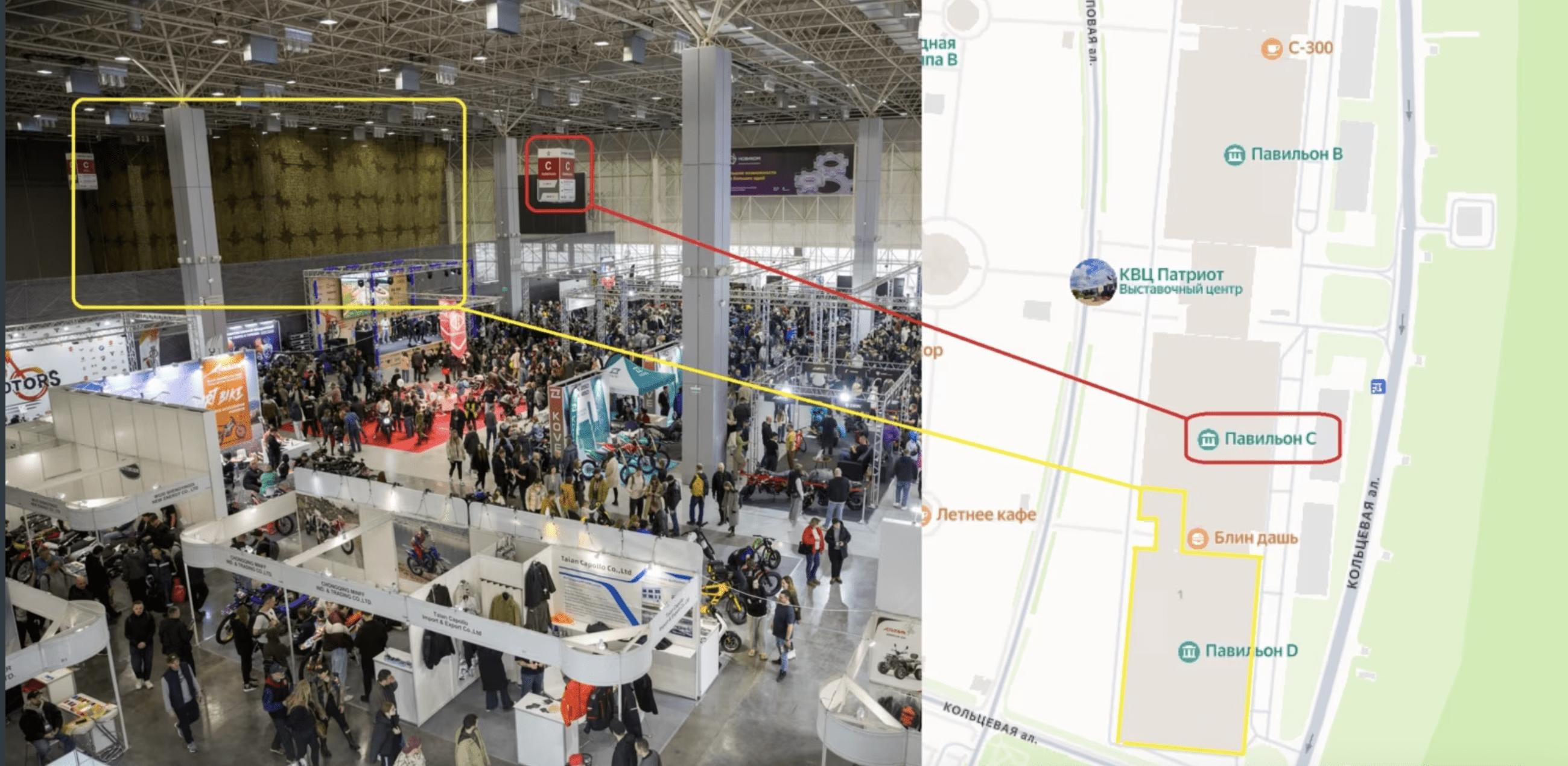
Russia’s elite drone operations center “Rubicon” has been identified inside the Patriot Exhibition Center near Moscow after details in state media broadcasts inadvertently revealed its location.
According to Radio Free Europe/Radio Liberty (RFE/RL) on September 17, the discovery came through open-source analysis of video reports by Russian state TV host Vladimir Solovyov.

RFE/RL reports that “Rubicon,” officially called the Center for Advanced Unmanned Technologies, had been presented in Russian media as a secret military structure.
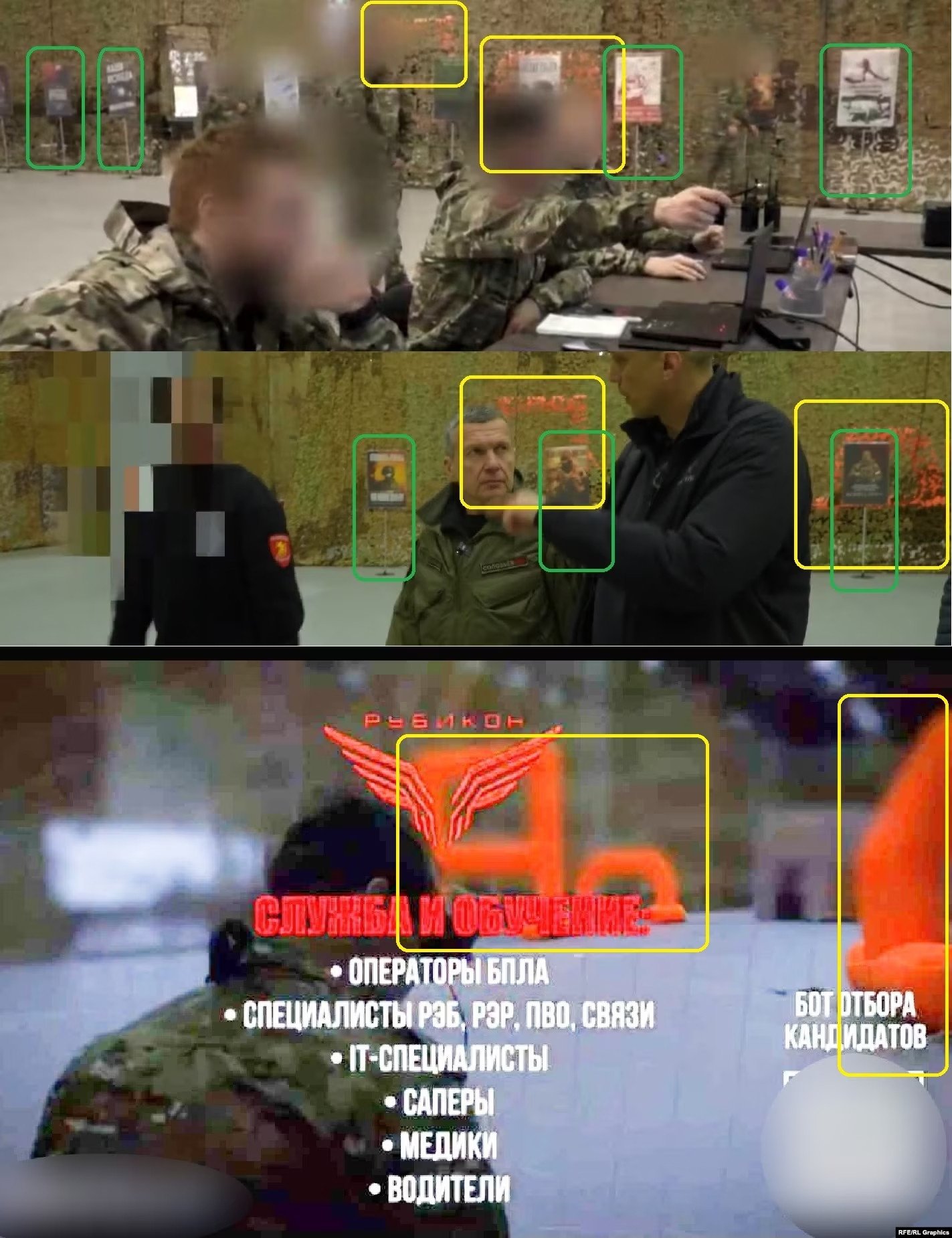
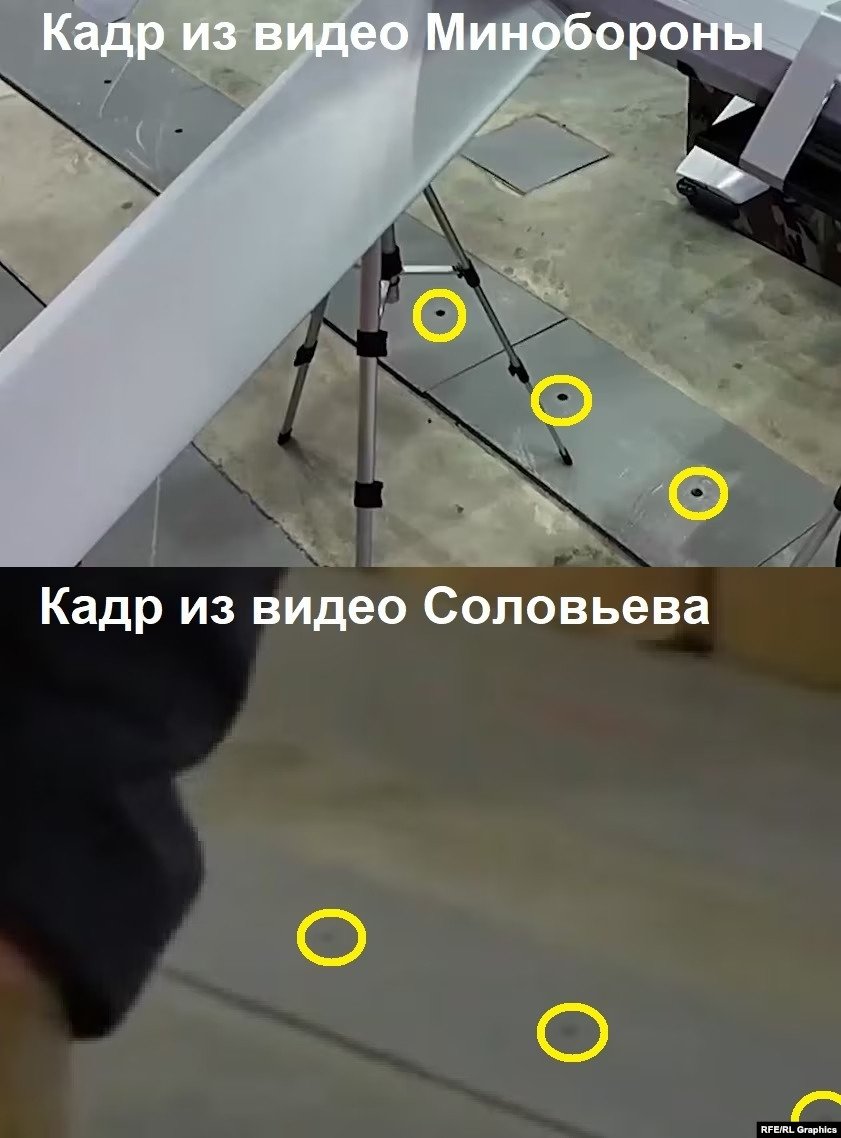
However, in February 2025, Solovyov’s televised segment about the unit accidentally included unblurred details of the facility, such as signage and interior fixtures. These elements matched those of the Patriot park complex, allowing investigators to confirm its location.
“‘Rubicon’ is not just a unit, but a higher-level structure responsible for centralized procurement, development, and operator training,” former US Marine officer and researcher at the Foreign Policy Research Institute Rob Lee told RFE/RL.
Ukrainian experts cited by the outlet also noted that Russia treats the center as a priority project, with significant funding and recruitment advantages.
According to RFE/RL’s investigation, the center is commanded by Guards Colonel Sergey Budnikov, a career Russian officer with previous service in artillery and marine infantry units.
Budnikov’s presence was confirmed by video footage alongside Russian Deputy Defense Minister Aleksey Krivoruchko and official Evgeny Shmyrin, head of the Defense Ministry’s department for advanced interservice projects.
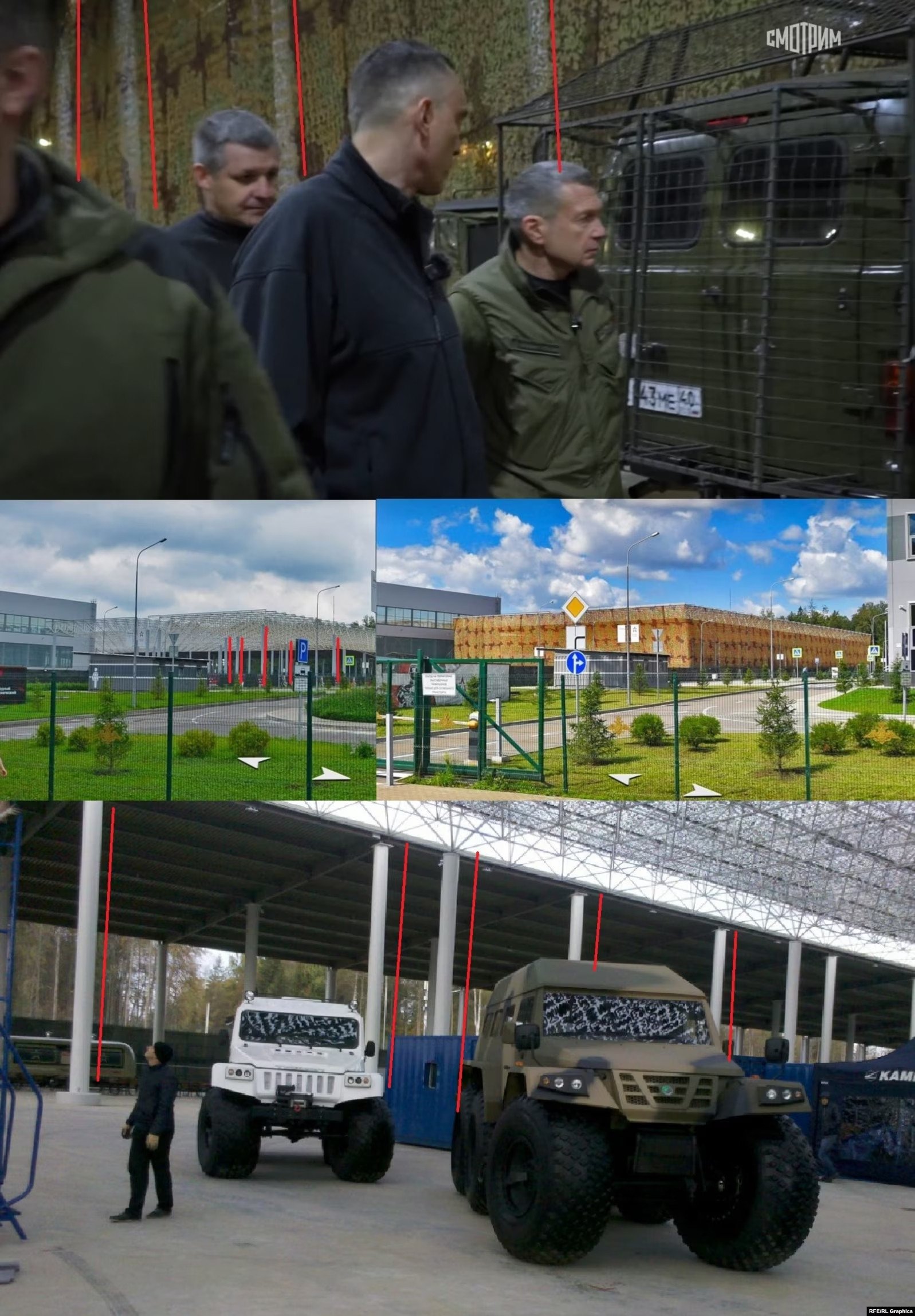
The Patriot park connection was established through three separate videos:
an October 2024 clip from Russia’s Defense Ministry,
Solovyov’s February 2025 program, and
Rubicon’s own anniversary film in August 2025.
OSINT analysts found consistent architectural markers across the footage, including technical floor panels and interior signage. Public event listings for the Patriot complex also show continuous “practical training sessions” attributed to Shmyrin’s department beginning in September 2024, aligning with Rubicon’s reported activities.
Rubicon has grown into one of the most effective Russian drone warfare units. According to RFE/RL, by early 2025 it fielded seven detachments with 130–150 personnel each.
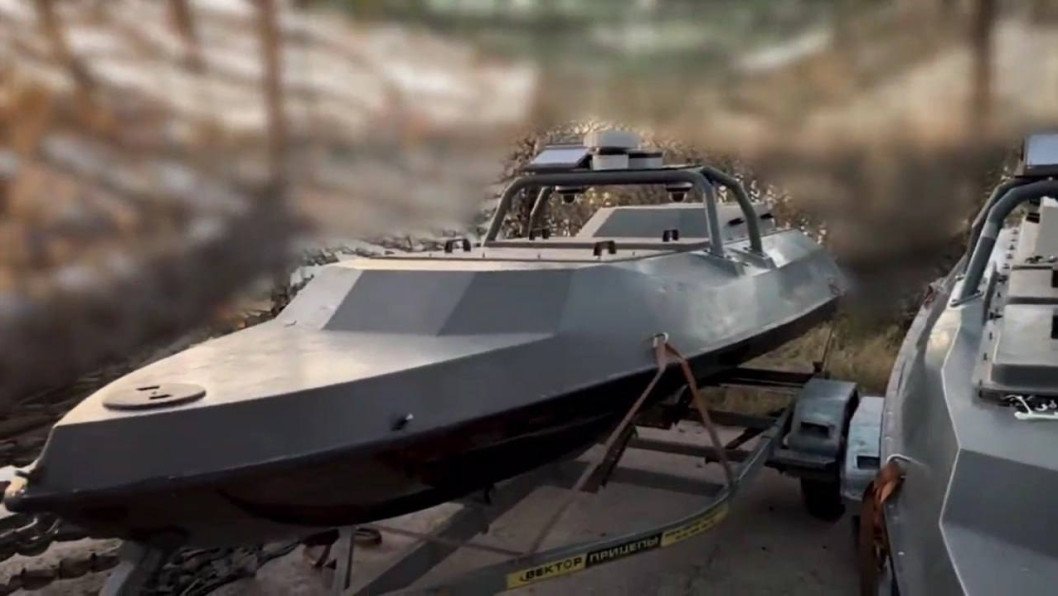
The group employs a wide range of systems, from FPV drones and loitering munitions to naval drones. It has also acted as a frontline air-defense force, increasingly targeting Ukrainian drones rather than armored vehicles.
Ukrainian commanders quoted by RFE/RL, including Colonel Kyrylo Veres of the K-2 drone regiment, acknowledged Rubicon’s operational effectiveness. Some have called for the creation of dedicated “anti-Rubicon” units to systematically counter the Russian formation.
Earlier, OSINT analysts reported Russia launching Shahed drones from hubs in Oryol, Bryansk, and Primorsko-Akhtarsk, with Oryol hosting up to 3,000 warheads. Strikes at Yeysk and Oktyabrsky disrupted operations, but neutralizing Oryol would require dozens of long-range missiles.
Discuss this article:


-c439b7bd9030ecf9d5a4287dc361ba31.jpg "Photo of Katherina Popilnichenko")