- Category
- Latest news
Russia Sends 400+ Children From Temporarily Occupied Zaporizhzhia Region to Yaroslavl Under “Recreation Program”
 Prefer U24 Media on Google
- Authors


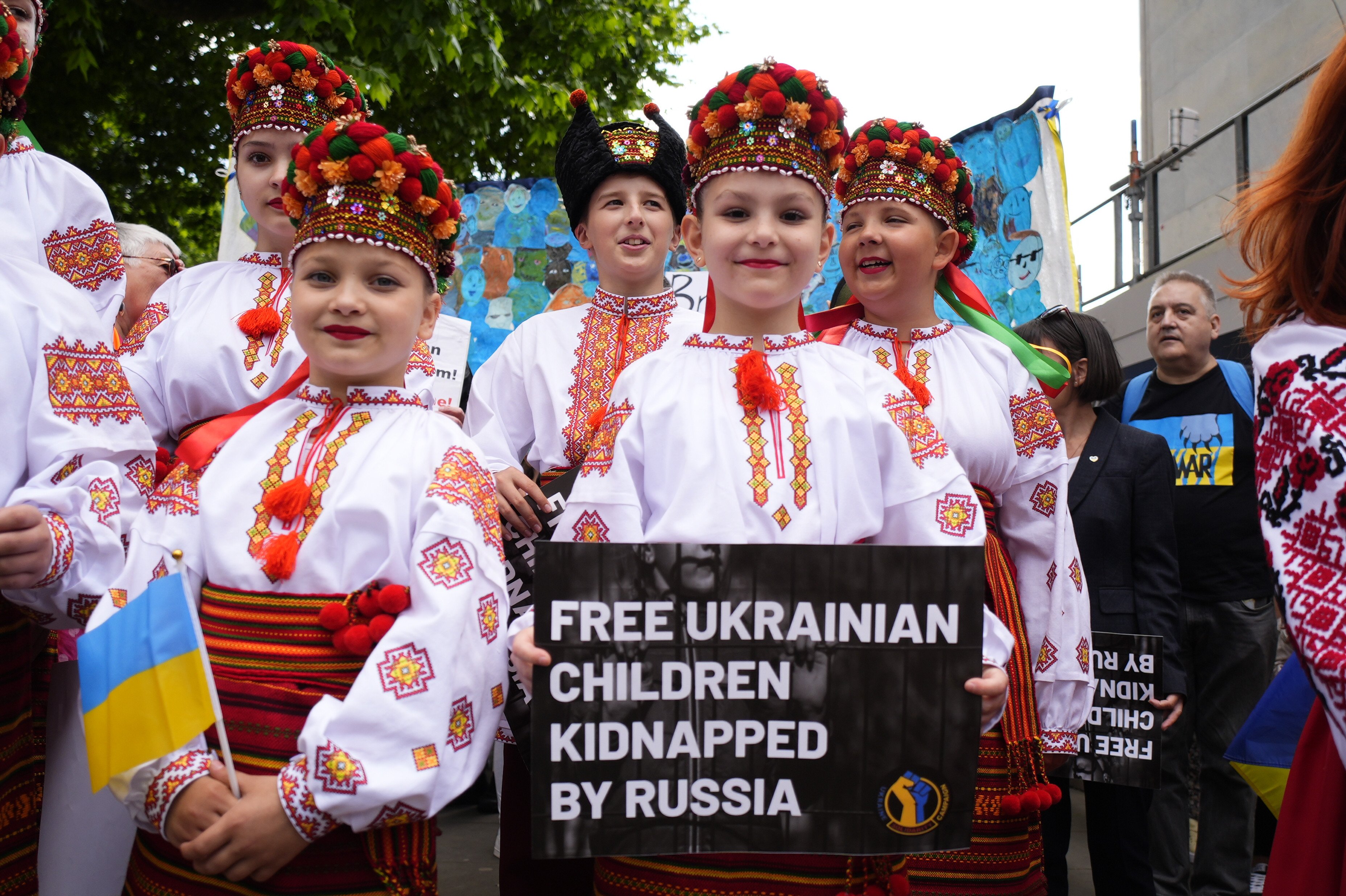
Russia has launched a new so-called “recreation program” for children from the temporarly occupied areas of Zaporizhzhia region, planning to send more than 400 minors to Russia’s Yaroslavl region by the end of the year, as reported by Ukraine’s Center for National Resistance on November 27.
Russian officials present the initiative as part of an “interregional exchange” featuring walks along the Volga River, sports events, and museum visits. Yet behind this tourism narrative lies a different reality — the organized and systematic transfer of Ukrainian children deeper into Russian territory.
We bring you stories from the ground. Your support keeps our team in the field.
According to the statement, these trips occur in conditions of complete opacity. Parents have no ability to influence the process, international humanitarian organizations are denied access, and Russia continues to frame these transfers as harmless cultural programs while providing no legal justification for relocating Ukrainian minors to the territory of Russia.
“These ‘exchanges’ are yet another tool in Russia’s broader strategy to integrate occupied Ukrainian territories into its political and cultural sphere. Under the guise of leisure trips, children are removed from their families, exposed to ideological influence, and gradually accustomed to Russian institutions,” Center for National Resistance noted.
-b02ad0611e03d6793cf97bd854fe8cc8.jpg)
For many families, this is not a temporary visit but a dangerous prospect of prolonged separation and the loss of control over their children’s future.
“Russia continues to use minors as part of a broader strategy aimed at building loyalty and attachment to the aggressor state, masking coercive practices with the language of ‘tourism’ and ‘cultural exchange.’ Behind pleasant descriptions—excursions, activities, museums—lies the core issue: the systematic removal of children from temporarily occupied territories and their integration into a space controlled by the Russian Federation,” the statement read.
Earlier, the Russian language was made a mandatory subject for North Korean schoolchildren starting in the fourth grade, according to a decision revealed by Russia’s Natural Resources Minister Alexander Kozlov during a meeting of the bilateral intergovernmental commission in Moscow.
Discuss this article: