- Category
- Latest news
Russia Set to Resume LNG Exports to India as Agreement Nears Final Approval
 Prefer U24 Media on Google
- Authors


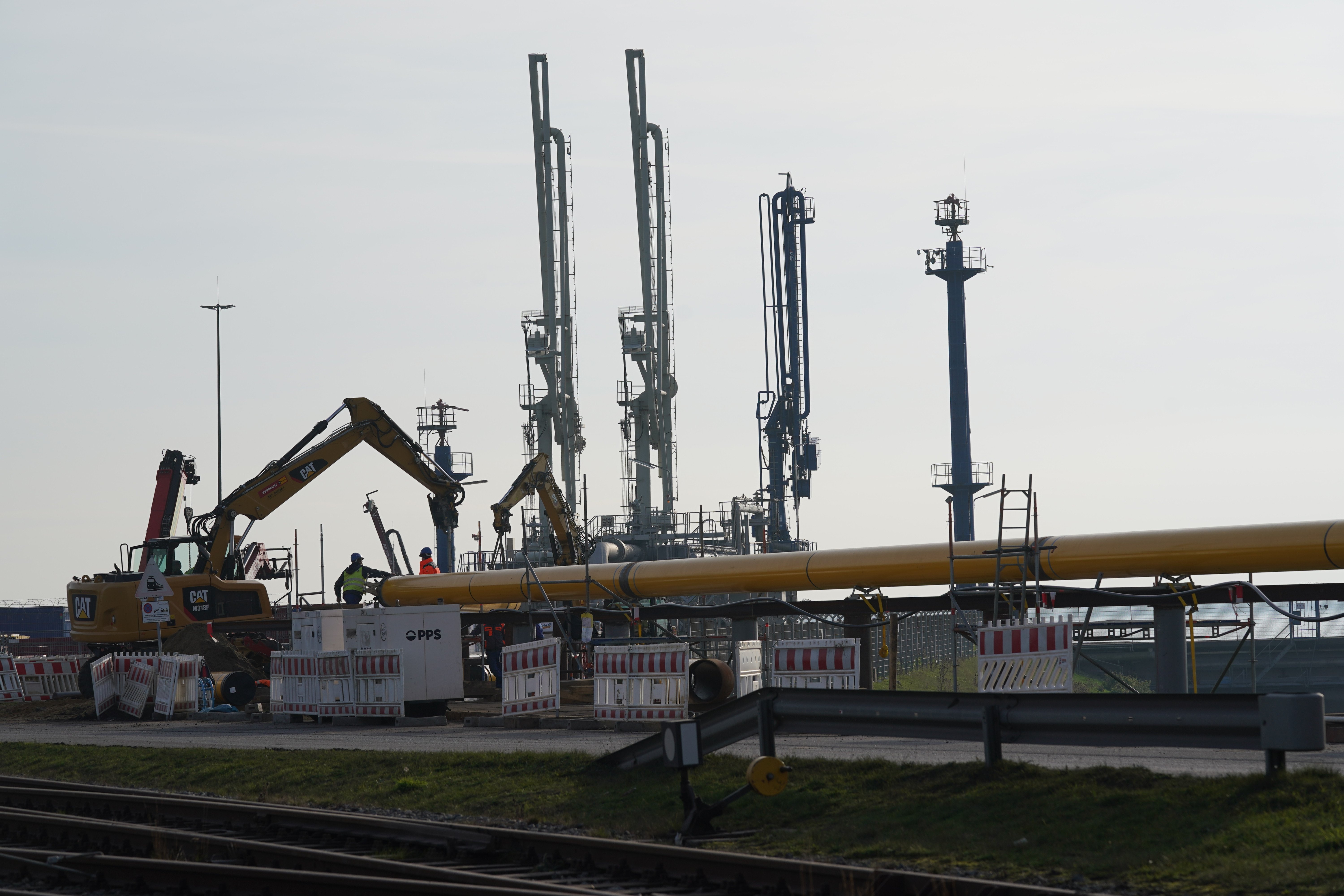
Russia may soon resume direct deliveries of liquefied natural gas (LNG) to India, with an agreement expected to be finalized within weeks if India gives its final approval, Reuters reported, citing sources familiar with the matter.
According to the report on March 27, the discussions about the deal were led by Russian Deputy Minister of Energy Pavel Sorokin and India’s Minister of Petroleum and Natural Gas Hardeep Singh Puri. The talks took place on March 19 during a meeting in New Delhi.
We bring you stories from the ground. Your support keeps our team in the field.
In addition to LNG supplies, the two officials also discussed further increasing the sale of crude oil to India. Under the new arrangements, oil deliveries to India could potentially double, reaching at least 40% of India’s total crude oil imports, compared to figures seen in January.
Reuters also noted that India’s Ministry of External Affairs is engaged in talks with multiple countries to ensure the steady supply of energy resources, including LNG. The Indian government has previously acknowledged its purchases of Russian LNG.
“India chose the course that best served its national interests, anchored in a long-standing and trusted partnership with Russia,” said Ajai Malhotra, a former Indian ambassador to Moscow, according to Reuters.
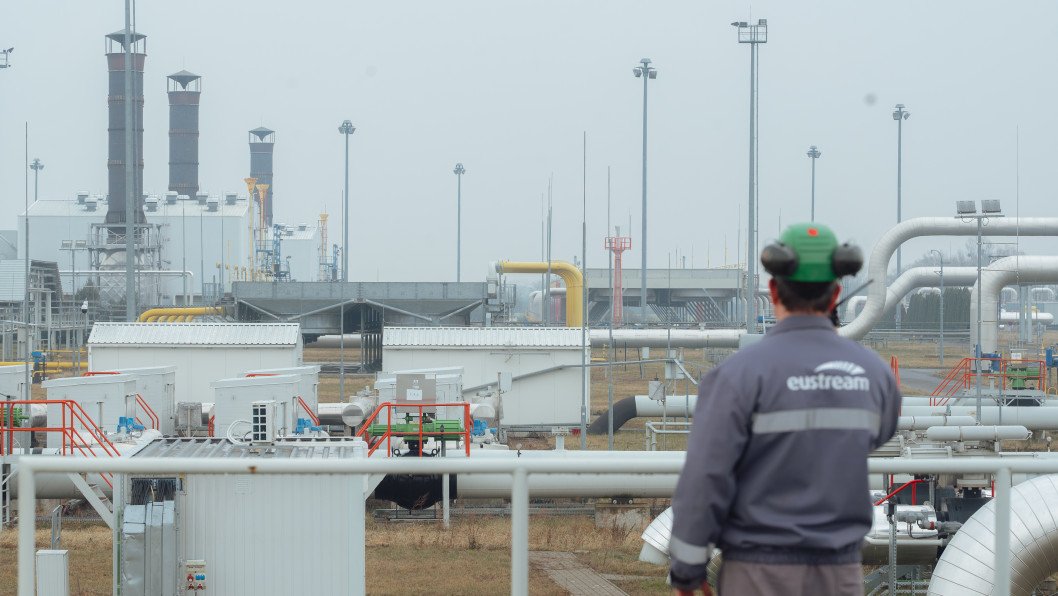
Meanwhile, Russian government is considering reinstating a total ban on gasoline exports for at least three months in an effort to address rising domestic fuel prices exacerbated by the ongoing war in the Middle East, according to The Moscow Times.
Russian Vice-Prime Minister Alexander Novak has urged officials to implement “urgent measures” as global energy markets are disrupted by US-Israeli military actions against Iran. This conflict has effectively blocked the Strait of Hormuz, a key passage for 20% of global oil and 30% of LNG shipments.
The resulting supply bottleneck has caused a sharp increase in domestic wholesale prices on the St. Petersburg International Mercantile Exchange, with gasoline and diesel prices rising by 14% and 22%, respectively, since late February.
The timing of the potential export ban is critical, as Russia approaches the spring sowing season and scheduled refinery maintenance, both of which traditionally drive up fuel demand. Market participants have noted that producers are currently pushing domestic prices toward "export parity," further intensifying pressure on the retail market, according to The Moscow Times.
In addition, the European Commission has rejected calls to ease the EU’s ban on Russian gas, despite growing political pressure related to rising energy costs.
This response came after Belgian Prime Minister Bart De Wever advocated for normalizing relations with Russia to restore access to cheaper energy.
Discuss this article: