- Category
- Latest news
EU Adopts Law to Fully Phase Out Russian Gas and LNG Imports by 2027
 Prefer U24 Media on Google
- Authors

-72b63a4e0c8c475ad81fe3eed3f63729.jpeg "Photo of Cyril Barabaltchouk")
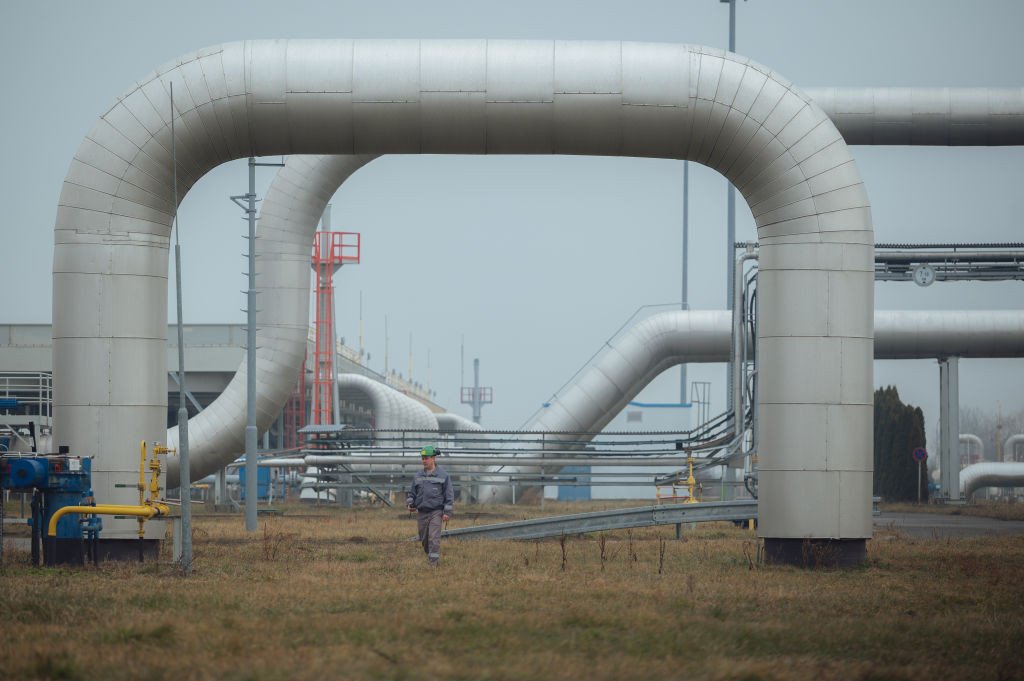
The European Council has formally adopted new rules to phase out all imports of Russian pipeline gas and liquefied natural gas (LNG), marking a major step toward ending the EU’s dependence on Russian energy under the REPowerEU plan, the European Council wrote in a press release on January 26.
The regulation introduces a step-by-step ban. Imports of Russian gas will be prohibited six weeks after the rules enter into force, with temporary transition periods for existing contracts. A full ban on LNG imports will apply from the start of 2027, while pipeline gas imports will be completely halted by autumn 2027.
We bring you stories from the ground. Your support keeps our team in the field.
“As of today, the EU energy market will be stronger, more resilient and more diversified,” said Michael Damianos, Cyprus’s minister for energy, commerce and industry. “We are breaking away from detrimental reliance on Russian gas and taking a major step, in a spirit of solidarity and cooperation, towards an autonomous Energy Union.”
This push to phase out of Russian gas imports is not unique to the EU countries. Turkey was also preparing to significantly reduce its dependence on Russian gas. By the end of 2028, the country is expected to cover more than half of its energy needs through increased domestic production and rising imports of liquefied natural gas (LNG) from the United States.
Under the new framework, EU countries must verify the origin of gas before authorising imports and enforce strict monitoring. Penalties for non-compliance include fines of at least $2.9 million for individuals and up to $47 million for companies, or up to 3.5% of a firm’s global annual turnover.
Member states are also required, by 1 March 2026, to submit national plans detailing how they will diversify gas supplies and replace remaining Russian volumes. Companies must disclose any existing Russian gas contracts to national authorities and the European Commission. Countries still importing Russian oil will have to submit similar diversification plans, according to the European Council.
-17753cdeceefed101825738abba6e0d4.jpg)
In emergency situations where security of supply is seriously threatened in one or more EU countries, the Commission may temporarily suspend the import ban for up to four weeks.
The regulation will enter into force one day after its publication in the EU’s Official Journal and will apply directly across all member states. The Commission has also announced plans to propose legislation to phase out Russian oil imports entirely by the end of 2027.
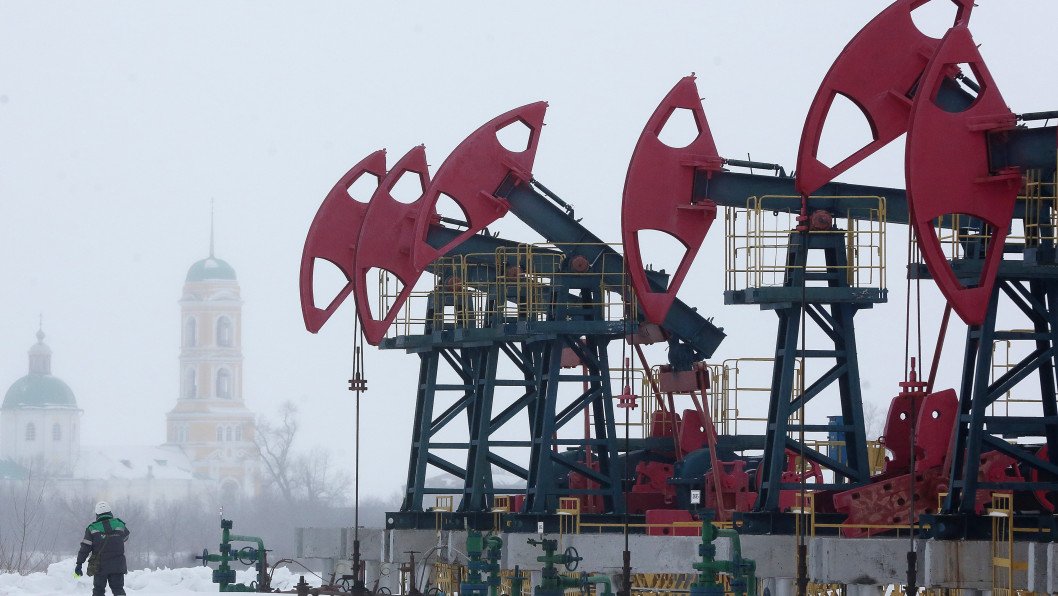
Despite a sharp fall in Russian oil imports to below 3% of the EU total in 2025, Russian gas still accounted for about 13% of EU gas imports last year, worth more than $17.8 billion annually, leaving the bloc exposed to ongoing energy and security risks, the European Council wrote.
Previously, it was reported that Bulgaria would end the transit of Russian gas in 2026.
“Following the call by President Donald Trump at the General Assembly, we, as part of the European Union, will join the Union’s decisions to suspend in the short term—in 2026—the contracts for the use or transit of Russian natural gas,” Bulgarian Prime Minister Rosen Zhelyazkov said.
Discuss this article:
-4a56a6b482ec132402c16ef6fcabf9a2.png)