- Category
- Latest news
Turkey Prepares to Cut Russian Gas Dependence as US LNG Imports Surge
 Prefer U24 Media on Google
- Authors


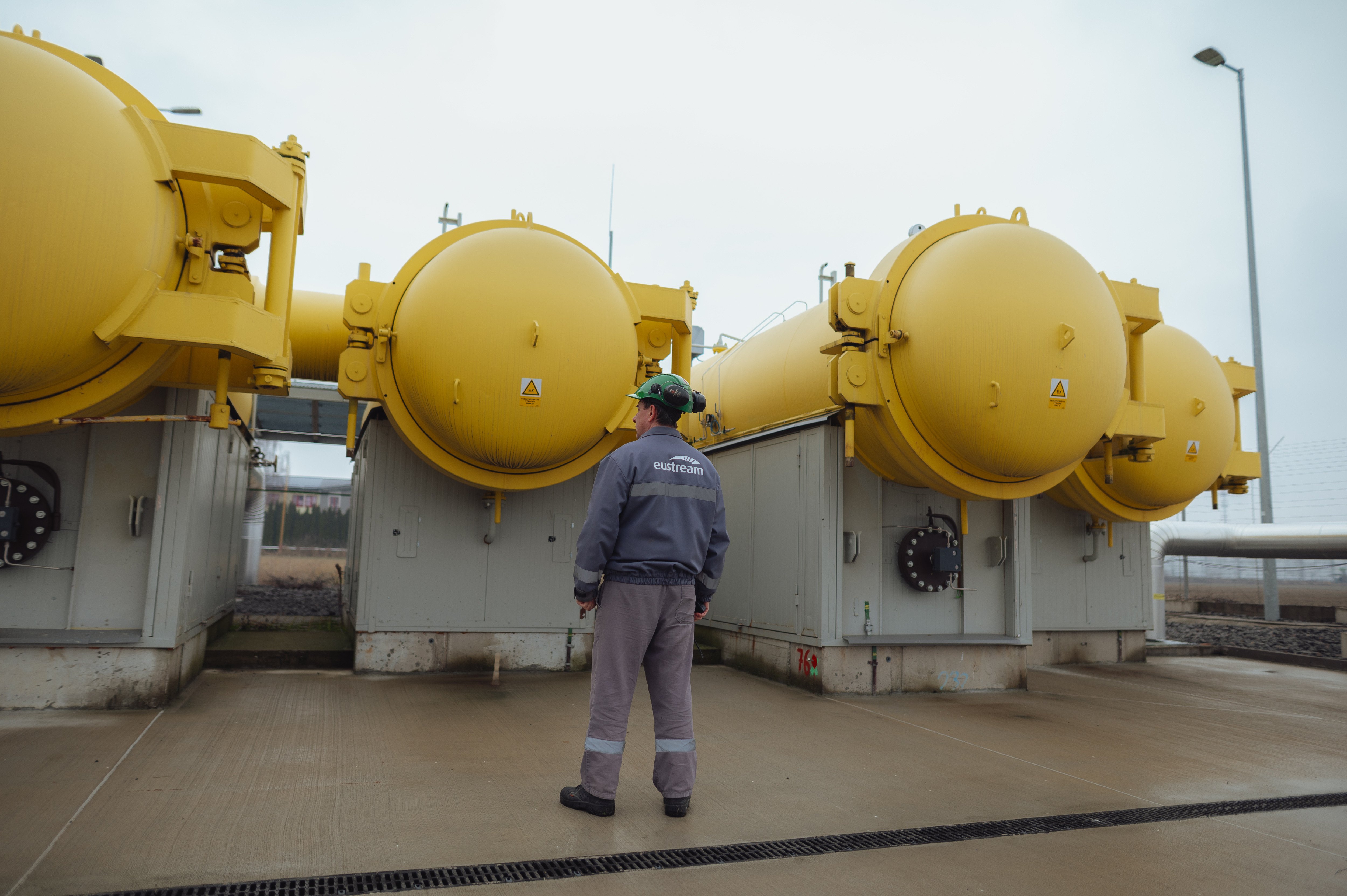
Turkey is preparing to significantly reduce its dependence on Russian gas. By the end of 2028, the country is expected to cover more than half of its energy needs through increased domestic production and rising imports of liquefied natural gas (LNG) from the United States.
The shift could deprive Russia of one of its last major energy markets in Europe, Reuetrs reported on October 8.
Turkey could meet over half of its natural gas demand by the end of 2028 by boosting local output and expanding LNG imports from the US. This strategy threatens to shrink one of the final large European markets for Russian and Iranian suppliers.
Washington has been intensifying pressure on its allies, urging them to cut energy ties with Moscow and Tehran. During a meeting at the White House on September 25, US President Donald Trump pressed Turkish President Recep Tayyip Erdoğan to reduce purchases of Russian fuel.
-ed051fb1853bcb98ed81f53fa31bd834.png)
At the same time, Ankara aims to strengthen its energy security and position itself as a regional gas hub. Analysts say Turkey intends to export domestically produced gas and re-export American LNG to Europe, while using Russian and Iranian gas for domestic consumption.
“Turkey has been signalling that it will take advantage of the (global) LNG abundance,” said Sohbet Karbuz of the Paris-based Mediterranean Association for Energy and Climate.
Russia remains Turkey’s largest gas supplier, but its market share has dropped from over 60 percent two decades ago to 37 percent in the first half of 2025. Most EU countries ended imports following Russia’s full-scale invasion of Ukraine in 2022.
According to Reuters, Russia’s long-term contracts to supply 22 billion cubic meters of gas annually via the Blue Stream and TurkStream pipelines are nearing expiration. Iran’s 10-billion-cubic-meter contract will end in mid-2026, while Azerbaijan’s agreements for a combined 9.5 billion cubic meters will remain in effect until 2030 and 2033.
According to Karbuz, Turkey is likely to renew some of these contracts but will seek smaller volumes and more flexible terms to further diversify its energy supply.
Meanwhile, the country is rapidly expanding alternative sources. State-owned TPAO is increasing production at domestic gas fields, while both public and private companies are investing in LNG import terminals to handle supplies from the US and Algeria.
Reuters estimates that by 2028, domestic production and contracted LNG imports will exceed 26 billion cubic meters per year, compared with 15 billion in 2025. This would cover more than half of Turkey’s annual gas demand — around 53 billion cubic meters — and reduce the need for pipeline imports to roughly 26 billion, down from the current 41 billion cubic meters supplied by Russia, Iran, and Azerbaijan combined.
To support this transition, Turkey has signed several LNG import deals with US suppliers worth $43 billion, including a 20-year agreement with Mercuria signed in September. The country’s LNG terminals now have a combined capacity of 58 billion cubic meters per year—enough to meet its entire domestic demand.
However, experts believe that as Turkey’s domestic production and LNG imports grow, the state energy company BOTAS could effectively halt Russian gas purchases within two to three years.
“It won't do so, because Russian gas is price-competitive and creates a surplus that BOTAS can use to pressure other suppliers,” said Alexei Belogoryev of the Moscow-based Institute for Energy and Finance.
Turkish Energy Minister Alparslan Bayraktar said in an October interview that Turkey must source gas from all available suppliers—including Russia, Iran, and Azerbaijan—but acknowledged that American LNG offers a cheaper alternative.
According to Reuters, BOTAS has already signed agreements to supply small volumes of gas to Hungary and Romania as part of its strategy to turn Turkey into a regional gas trading hub.
Earlier, Belarus increased rail fuel deliveries to Russia in September as several regions faced temporary shortages. Shipments totaled about 40,000 metric tons of gasoline and 33,000 tons of diesel, while fuel transit through Russian ports rose slightly to 140,000 tons.
Discuss this article:



-c439b7bd9030ecf9d5a4287dc361ba31.jpg "Photo of Katherina Popilnichenko")