- Category
- Latest news
Russia Tests DIY-Style Rocket Drone Interceptor to Plug Air Defense Gaps
 Prefer U24 Media on Google
- Authors


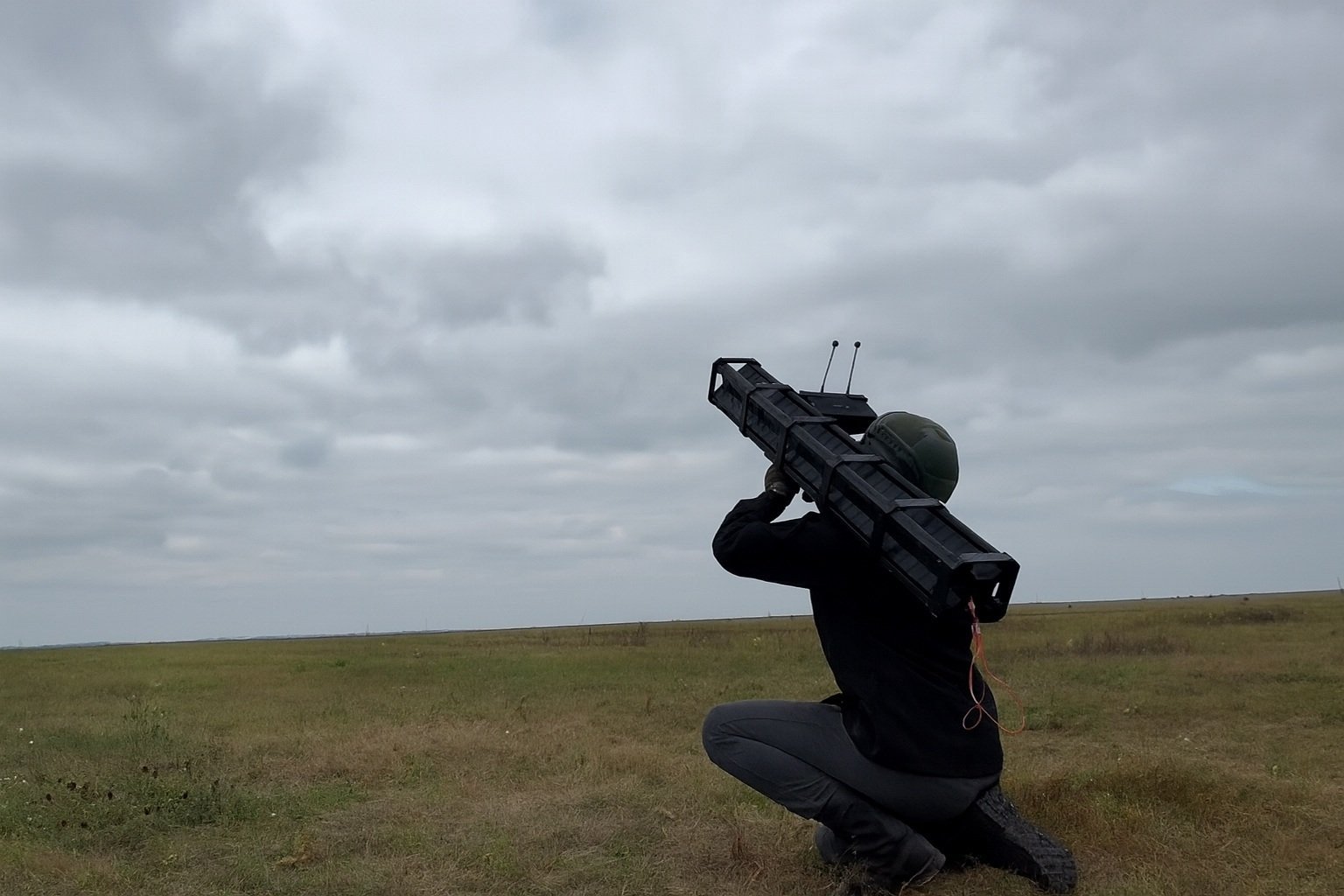
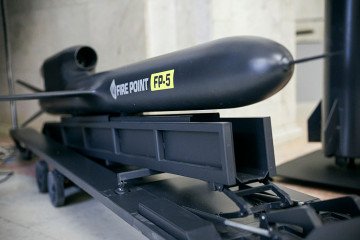
Russian engineers have reportedly begun field tests of a novel counter-drone weapon that fuses rocket propulsion with FPV guidance, according to an analysis published by Defense Blog on September 17.
The prototype, developed by a group calling itself “Vektor,” is presented as a tube-launched, reusable interceptor that is steered visually by an operator wearing FPV goggles.
A Russian group called Project Vector is developing a CUAS MANPADS system with optical guidance controlled by the operator with FPV goggles. https://t.co/IEUuc4ppOBhttps://t.co/Kv5pdiyozo pic.twitter.com/kZ1Yo6hMTG
— Rob Lee (@RALee85) September 17, 2025
The system aims to bridge the gap between bulky air-defense systems and the need for cheap, mobile solutions on the frontline, Defense Blog noted. Open-source footage and developer material suggest live-fire trials are underway, but the design has not yet been formally adopted by the Russian military.
According to materials reviewed by Defense Blog, the Vektor design consists of three principal elements:
a lightweight, 3D-printed launch tube that can be reloaded and reused without permanent assembly;
a modular, missile-shaped projectile with an FPV camera and antenna in the nose;
a detachable solid-fuel booster that provides an initial rocket boost before the drone transitions to operator control.
After firing, the booster accelerates the projectile to speed; once the motor burns out, the operator takes over using FPV goggles to guide the interceptor toward an incoming unmanned aerial vehicle.
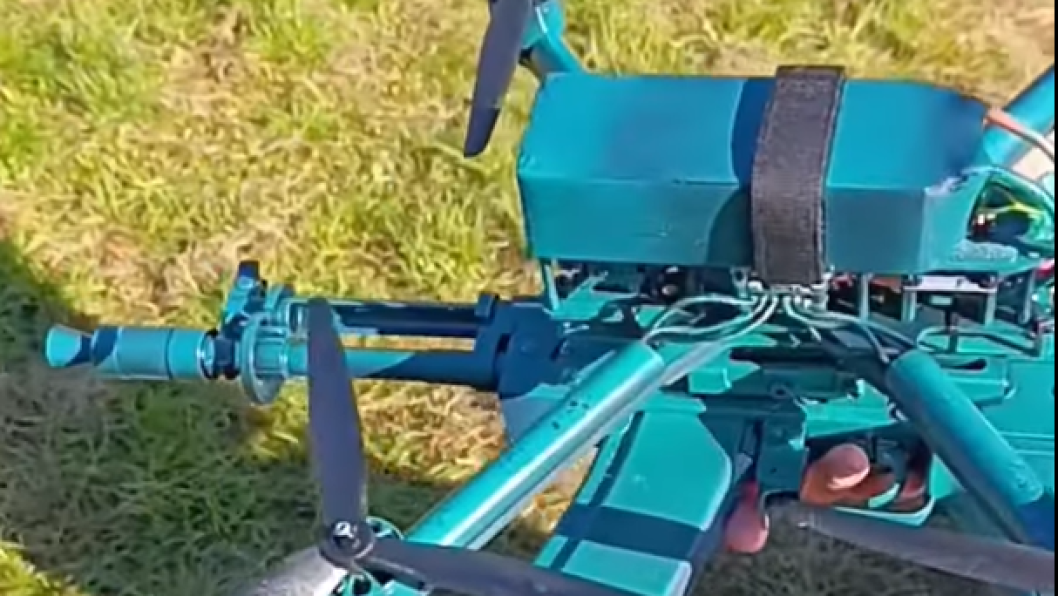
That manual visual control allows operators to steer around jamming or GPS denial—a tactical advantage in heavily contested electronic-warfare environments.
Unlike vehicle-mounted interceptors or missile batteries, an FPV rocket interceptor could—in theory—be carried and operated by small units, offering an immediately deployable kinetic option against small drones.
Key technical and operational questions are unresolved. Open-source videos indicate multiple prototypes are being trialed, but Defense Blog cautions there is no public evidence of formal Russian military procurement or doctrinal acceptance.
Important unknowns include accuracy at range, the risk of collateral damage from rocket motors and shrapnel, susceptibility to countermeasures, and whether the system can reliably intercept fast, maneuvering loitering munitions.
“If refined, this could create a new class of drone-on-drone combat,” Defense Blog wrote, while stressing the need for independent verification and rigorous testing before the weapon is considered operational.
Earlier, Russia rolled out newly developed satellite communication terminals during the joint Zapad-2025 military drills with Belarus.
The terminals, identified as the “Kvadrat” and “Sprint” systems, were deployed to provide secure communications for units of the regional joint force. Both systems are fresh arrivals in the Russian military’s arsenal.
Discuss this article:


-c439b7bd9030ecf9d5a4287dc361ba31.jpg "Photo of Katherina Popilnichenko")


-72b63a4e0c8c475ad81fe3eed3f63729.jpeg "Photo of Cyril Barabaltchouk")