- Category
- Latest news
Ukrainian Troops Find Detonators Bearing Nazi Insignia in Russian Ammunition Depot
 Prefer U24 Media on Google
- Authors


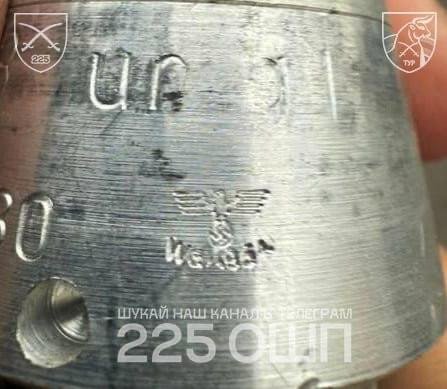
Ukrainian reconnaissance forces have discovered detonators bearing Nazi Insignia at a Russian ammunition storage site.
According to the 225th Separate Assault Regiment “Tur,” the devices were recovered during operations against Russian forces and are believed to originate from stockpiles dating back to the early stages of World War II.
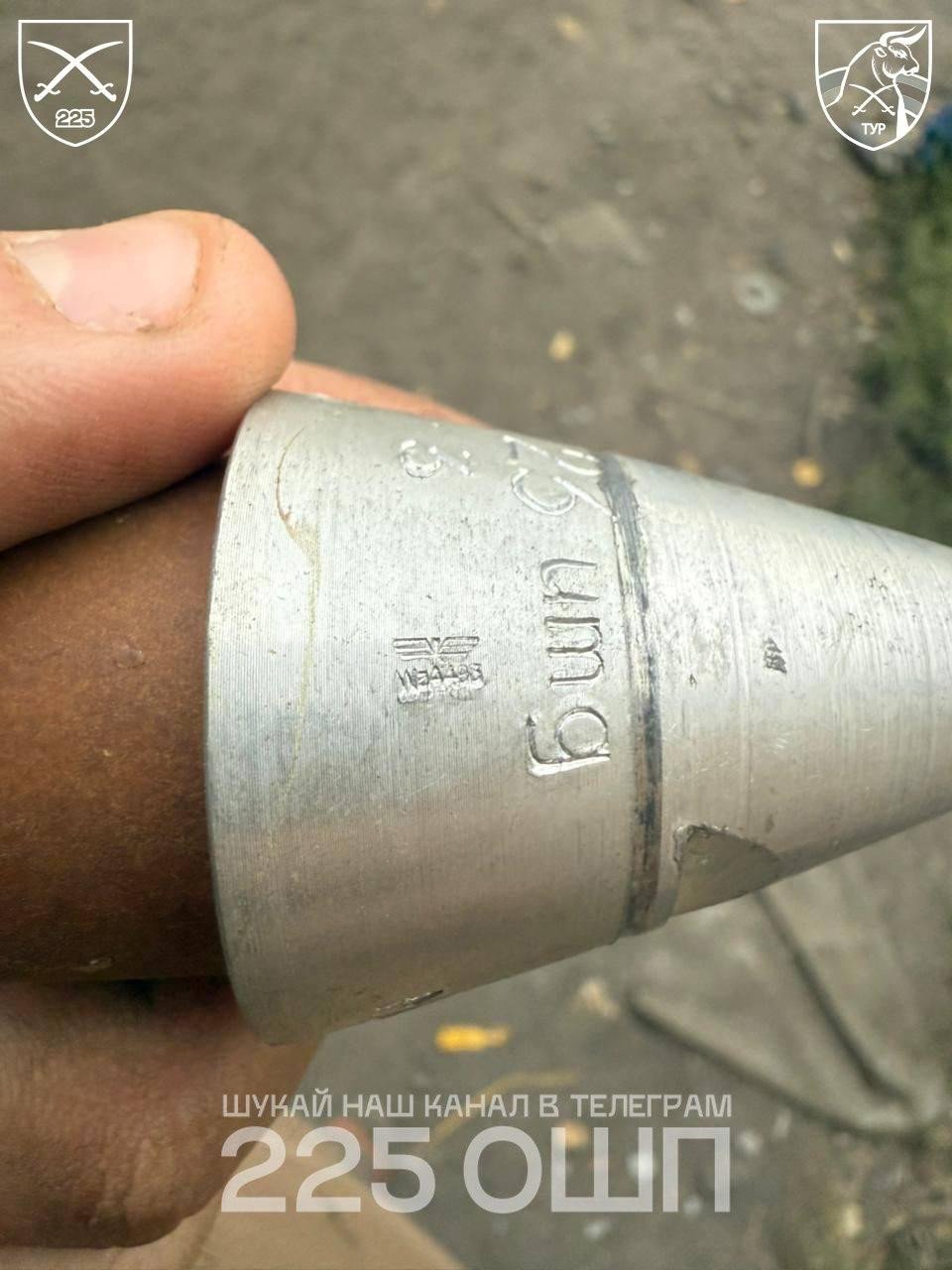
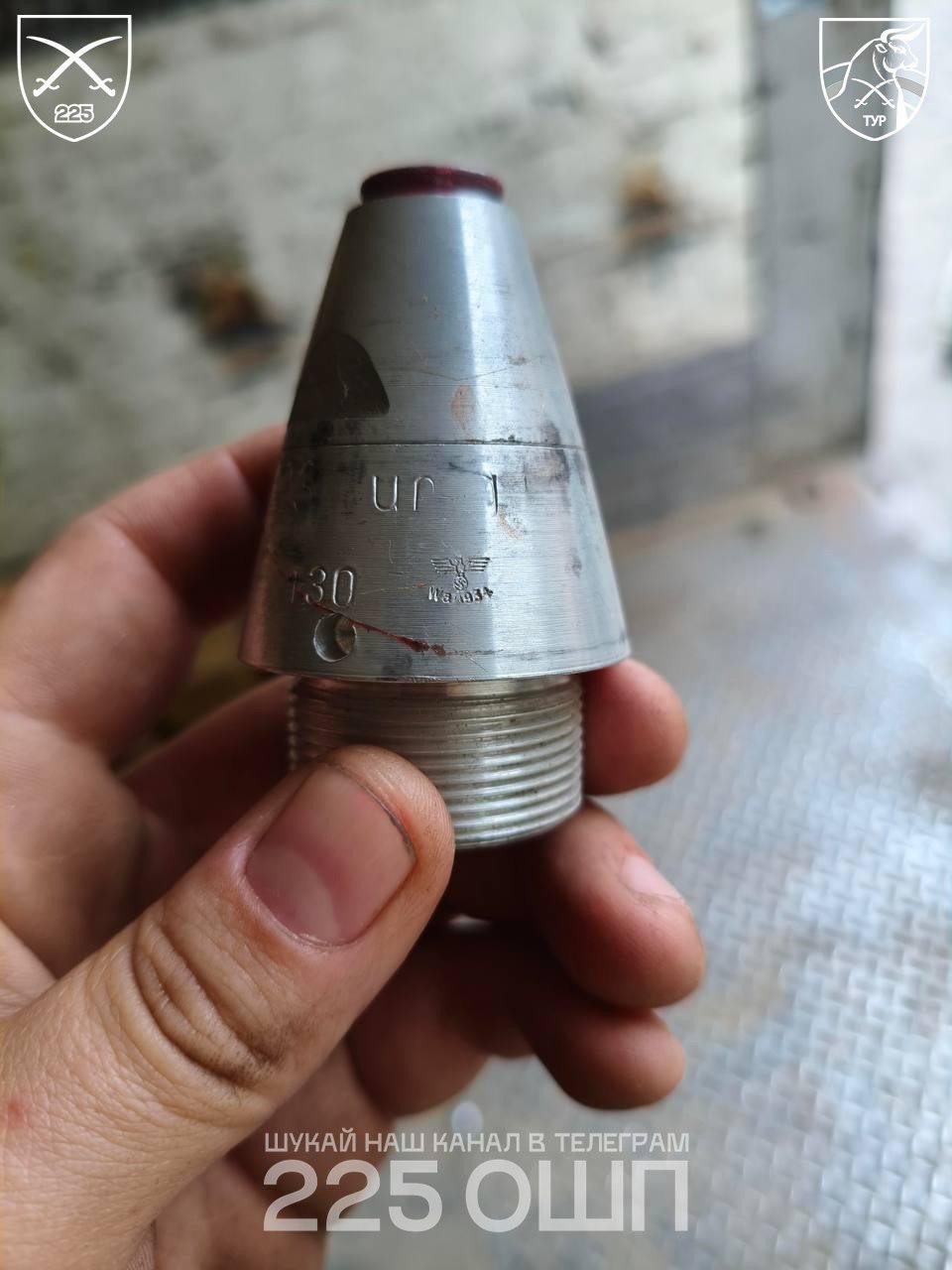
The regiment reported that the detonators, preserved for decades, carried swastika engravings consistent with German wartime production. While initially appearing as battlefield trophies, the markings indicated a direct link to military cooperation between Nazi Germany and the Soviet Union during 1939–1940.
Historical background
On September 17, 1939, the Soviet Union entered eastern Poland, attacking from the east while the Wehrmacht advanced from the west.
The invasion followed the Molotov–Ribbentrop Pact of August 23, 1939, a non-aggression treaty between Germany and the USSR that included a secret protocol dividing Eastern Europe into spheres of influence.
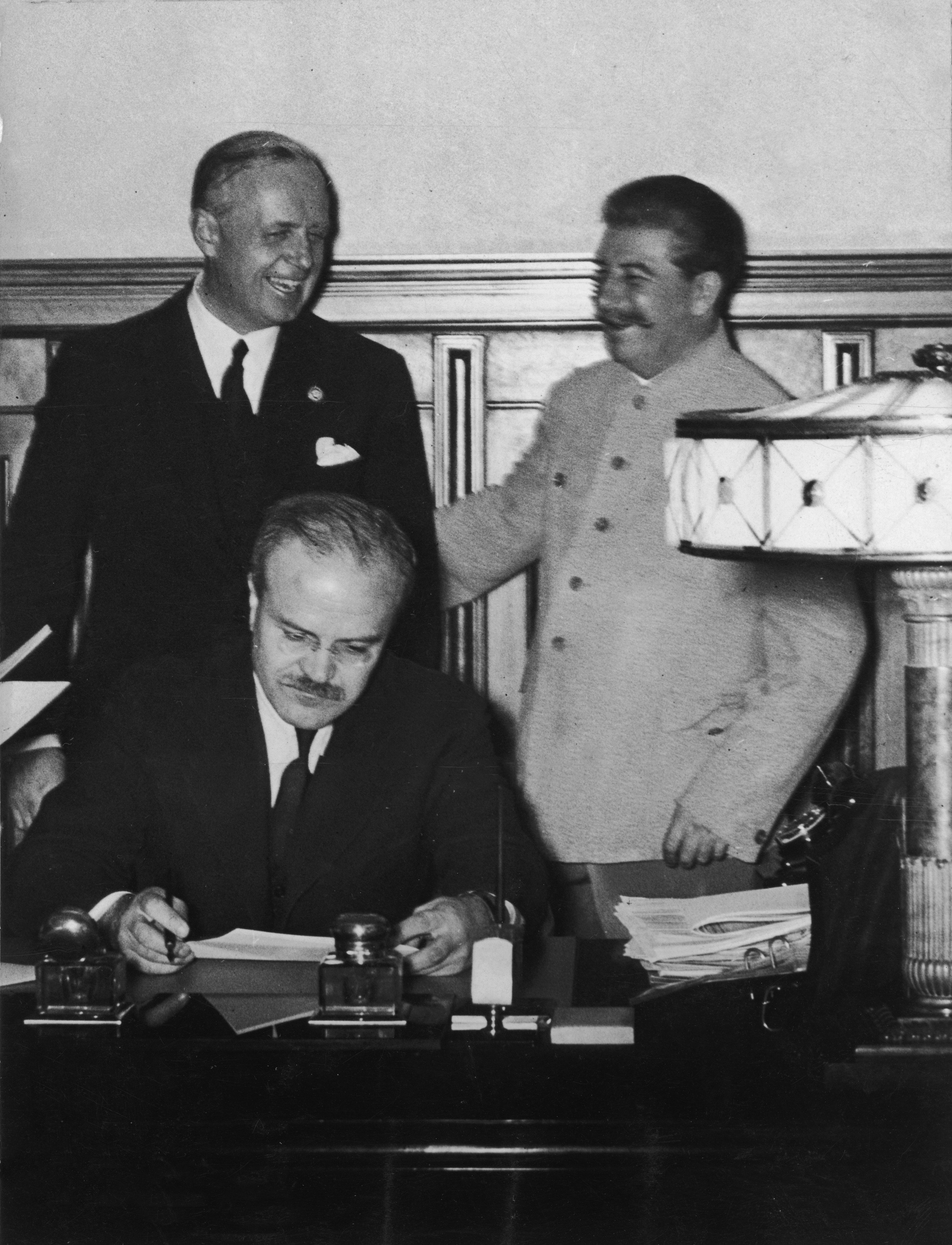
According to historians, Poland was partitioned within weeks. The Red Army occupied territories including present-day western Ukraine and Belarus, while Germany annexed central and western Polish lands.
In parallel, Berlin and Moscow deepened their cooperation. In August 1939 the two regimes signed a commercial agreement, later expanded in February 1940.
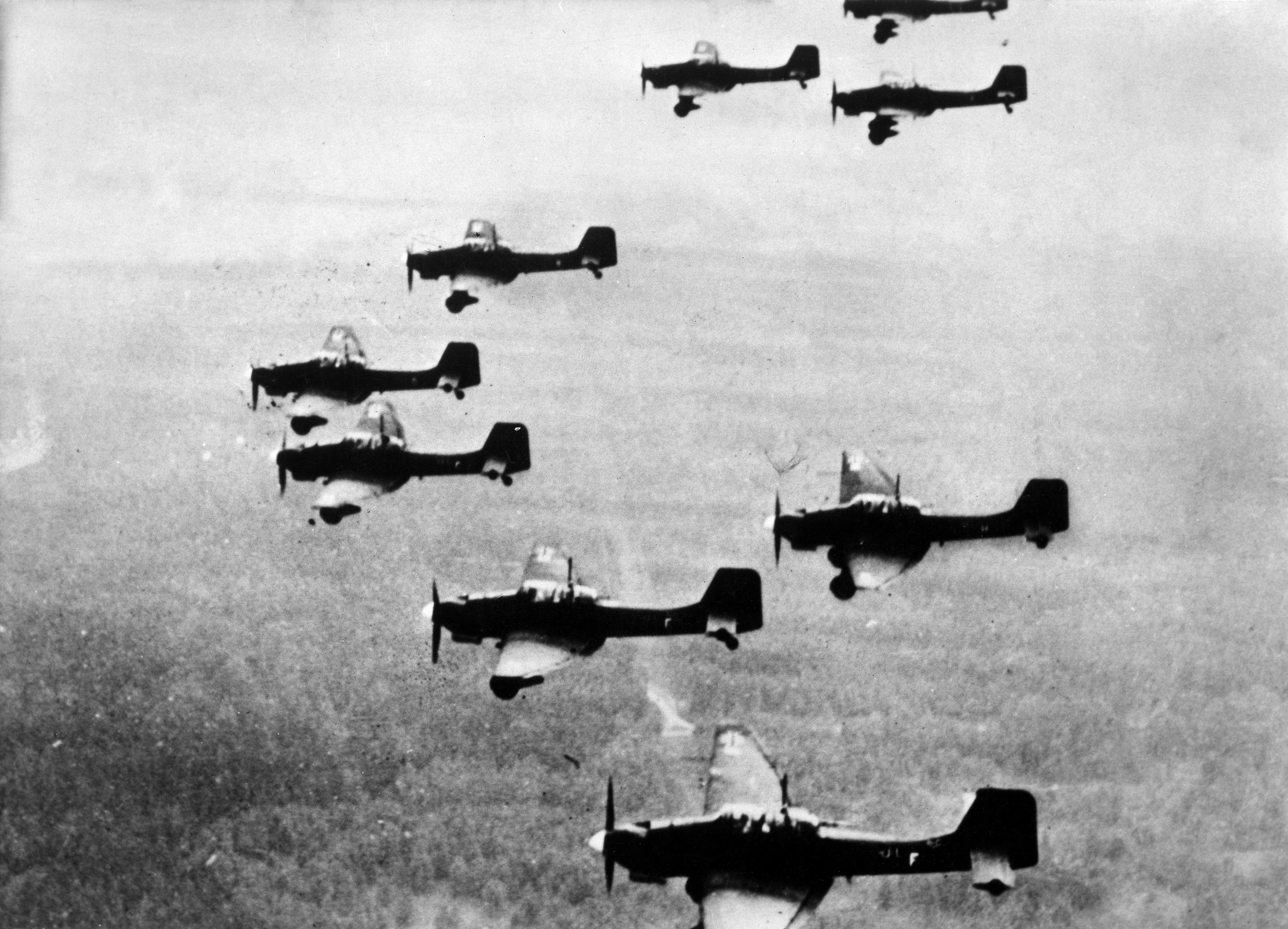
Under these arrangements, the Soviet Union received industrial machinery, technologies, raw materials, and German-manufactured military components. Contemporary records confirm that this included fuzes and detonators for artillery shells, some of which bore swastika markings.
Nazi ammunition in Soviet and Russian stockpiles
According to archival data, German deliveries included not only detonators but also aircraft parts, naval equipment, and precision machine tools.
Despite Germany’s subsequent invasion of the USSR in 1941, some of the transferred materiel remained in Soviet depots. The discovery of swastika-marked detonators in Russian stockpiles suggests that remnants of these shipments have survived into the present day.
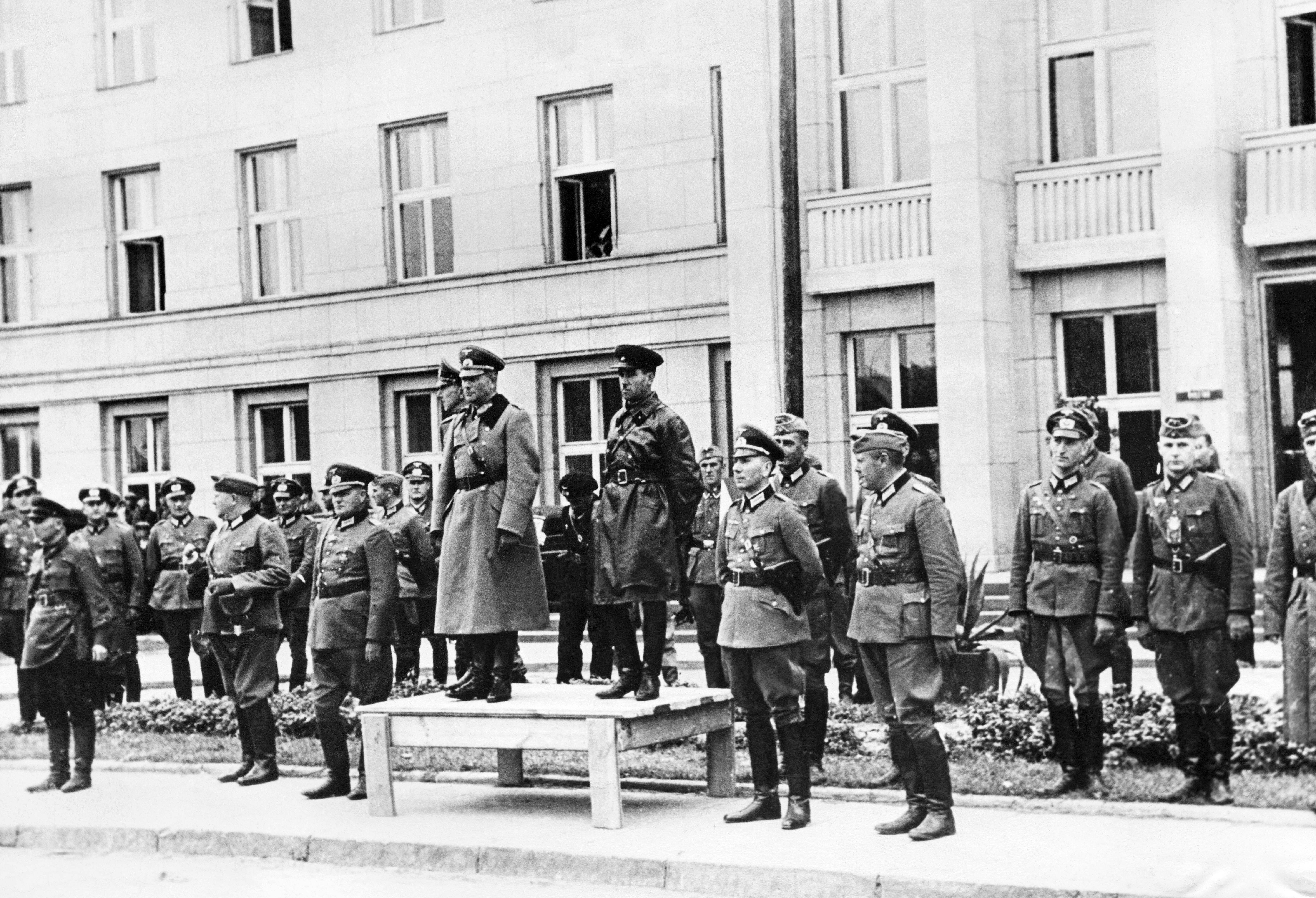
This is not the first evidence of Soviet reliance on German technology during this period. Documentation shows that Soviet armored units used German-designed machinery, while German forces imported Soviet raw materials, including oil and grain, up until June 1941.
While the Kremlin continues to present itself as the heir of the Soviet “anti-fascist” struggle, historical records show that Stalin’s USSR collaborated extensively with Hitler’s regime before the German invasion of 1941.
Earlier, The New York Times reported that a Stalin relief was reinstalled in Moscow’s Taganskaya subway station, decades after being removed in 1966.
The statue, presented as part of the metro’s 90th anniversary, reflects a broader trend under Vladimir Putin of reviving Stalin’s legacy, even as the Kremlin publicly acknowledges his crimes. More than 100 Stalin monuments have been erected across Russia in recent years, including in occupied Melitopol.
Discuss this article:




-c439b7bd9030ecf9d5a4287dc361ba31.jpg "Photo of Katherina Popilnichenko")