- Category
- Latest news
Russia to Revive 700 Soviet-Era An-2 “Corncob” Planes as Sanctions Stall New Aircraft
 Prefer U24 Media on Google
- Authors


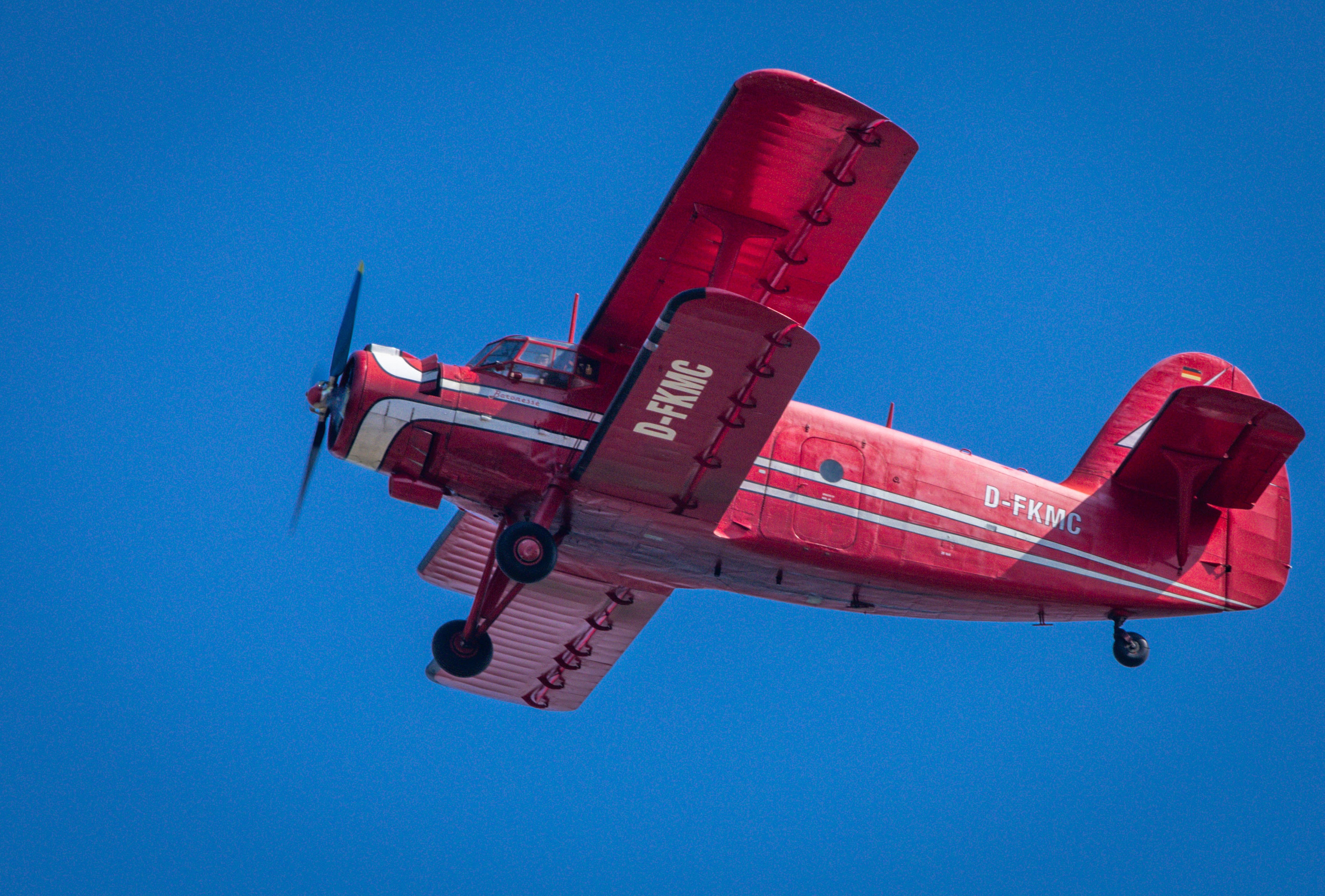
In response to ongoing sanctions and the failure of domestic import substitution projects, Russia has decided to revive its fleet of aging An-2 aircraft, widely known as “Corncobs.”
According to report from the Ukrainian Foreign Intelligence Service on April 21, the Siberian Scientific Research Institute of Aviation has proposed bringing approximately 700 An-2 planes out of storage to help meet the aviation needs in remote regions of Russia.
We bring you stories from the ground. Your support keeps our team in the field.
“There are no alternatives left: sanctions have cut off access to new equipment, both domestic import substitution projects have failed, and without air connectivity, approximately 60% of Russia's territory—the part where neither roads nor railways lead—is effectively cut off from the rest of the country.
The An-2, a small biplane originally designed in the 1940s, has been a workhorse for Soviet and later Russian aviation. Over the years, more than 17,000 units were produced across several countries, including Ukraine, Poland, and China. However, most of them have been decommissioned and scrapped.
Currently, only 249 An-2 planes remain in active operation within Russia, with an additional 276 under the ownership of the country’s voluntary aviation organization, DTSAAF (the Voluntary Society for the Promotion of the Army, Aviation, and the Navy). Since 2024, Russia has halted the decommissioning of these planes and returned 16 to service. The safety of these planes and passengers, however, is not a central consideration in the decision to revive the fleet.
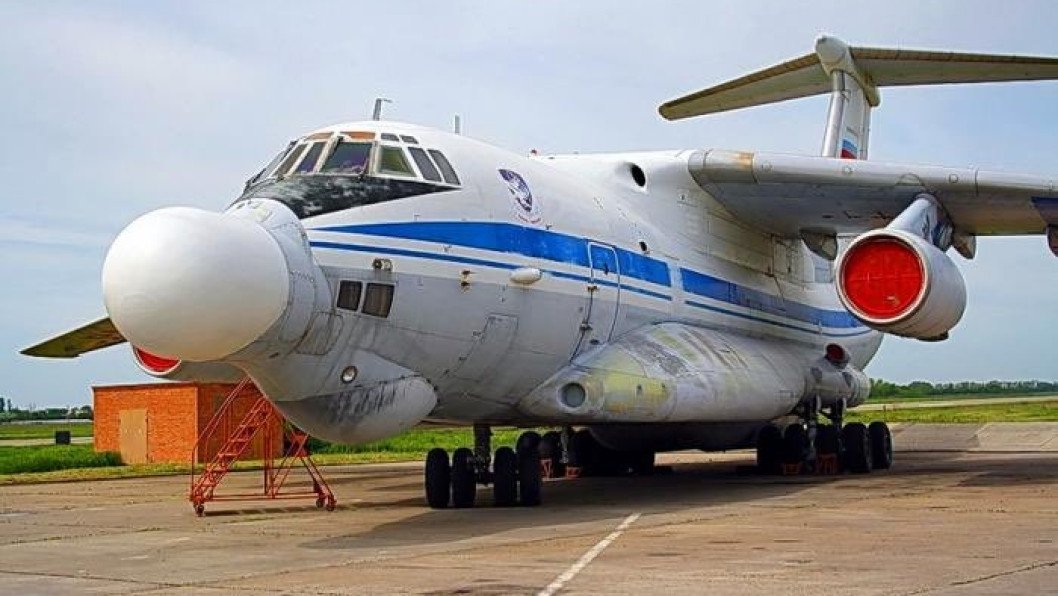
In the meantime, Russia has faced multiple setbacks with its attempts to replace the An-2 with newer models. The “Baikal” aircraft, which was expected to replace the Ukrainian-made An-2, has faced constant delays in certification, with projections for its approval being pushed back from 2025 to 2026, and now to 2027.
Another replacement project, the TVS-2MS (a deep modernization of the An-2), was developed privately without government funding and was considered technically successful. However, this project has now been closed in Russia, with the aircraft being exported to Mongolia, where they will operate with American-made engines.
The main obstacle to the revival of the 700 An-2 planes lies in the availability of engines. Two options have emerged: the American-made engines, which are inaccessible due to sanctions, and the Russian-made TVD-10B engines, which exist only on paper. According to the Ukrainian Foreign Intelligence Service, experts remain cautious about the prospects for mass production of the TVD-10B, given the technical and financial challenges facing Russia’s aviation sector.
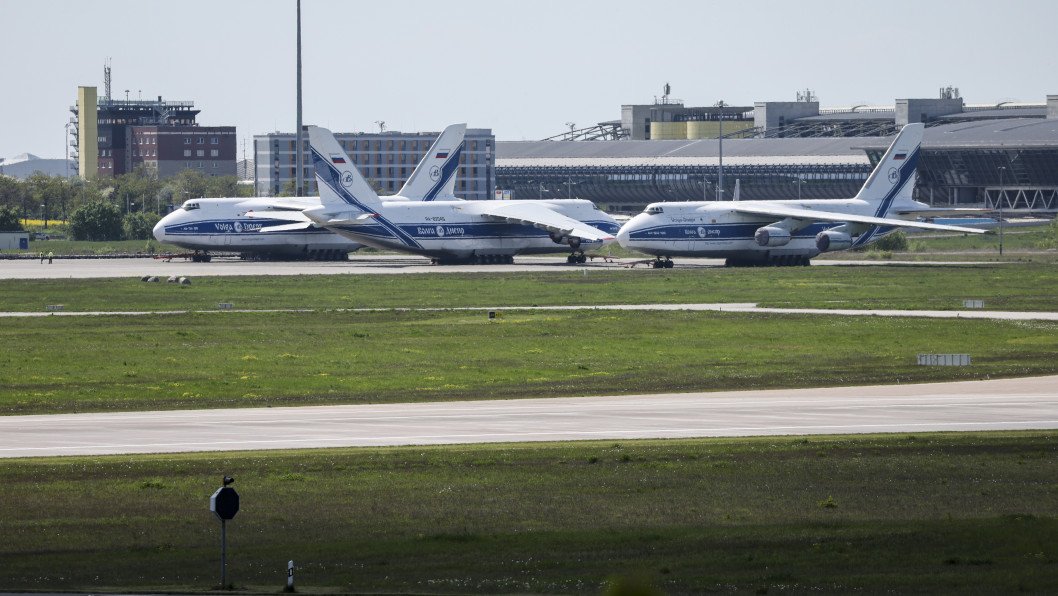
The move comes as the Russian government has made substantial cuts and delays to its large-scale domestic aircraft production program.
Initially, the Kremlin intended for this initiative to produce hundreds of Russian-made aircraft to replace Western models, but the timeline for this revival of the aviation sector has now been pushed to 2035.
The revised plan for the United Aircraft Corporation now targets the production of around 570 aircraft for Russian airlines by 2035. Oleg Bogomolov, Director of Civil Aviation Program Management at UAC, shared these details during a session of the Federation Council Committee on Economic Policy.
In the first phase, UAC plans to produce 70 aircraft, including 18 MS-21s, 42 Superjets, 11 Tu-214s, and three Il-114-300s. The second phase will focus on around 500 additional aircraft, which include 90 MS-21s for Aeroflot, 100 upgraded Tu-214s for S7, 20 Il-114-300s for the Far Eastern airline Aurora, and approximately 100 modified Superjets.

By February 2026, Western sanctions and critical shortages of spare parts had reportedly led to the grounding of more than a third of Russia's long-haul passenger aircraft.
Of the 93 foreign-built wide-body planes in operation, fewer than 60 were still in service, with the remainder either inactive or undergoing extended repairs.
Major airlines such as Aeroflot faced challenges as a large portion of their fleets remained grounded for over a year, prompting them to rely on wet lease arrangements to keep operations running.
Discuss this article:


-c439b7bd9030ecf9d5a4287dc361ba31.jpg "Photo of Katherina Popilnichenko")

-111f0e5095e02c02446ffed57bfb0ab1.jpeg "Photo of Roman Kohanets")