- Category
- Latest news
Russia Unveils Secretive Next-Gen Attack Helicopter Project Amid Heavy Losses in Ukraine

Russia is moving ahead with plans for a next-generation combat helicopter, even as drones and loitering munitions reshape the battlefield and raise doubts about the role of traditional rotorcraft.
 Prefer U24 Media on Google
- Authors


The new program, known as PAK AA (short for Future Air Complex of Army Aviation), has been quietly disclosed by Phazotron-NIIR, a state radar design bureau, defense media Aviation Week reported on August 22.
In its 2025 development roadmap, the company revealed plans to build a new radar system for the PAK AA platform—confirming the project’s existence after years of speculation.
🚁💥 The moment of the downing of the Russian helicopter Ka-52 "Alligator" on August 10 in Kursk region. pic.twitter.com/QZFabNd154
— MAKS 25 🇺🇦👀 (@Maks_NAFO_FELLA) August 17, 2024
The initiative echoes other high-profile Russian next-generation projects, including the PAK DA bomber and PAK FA fighter jet. Unlike those, however, details on the helicopter program remain scarce.
According to Aviation Week, Moscow was weighing multiple design and engine options. The aim, he said, is to double the speed and range of today’s attack helicopters—a strong sign that Russia is still betting on a high-speed rotorcraft.
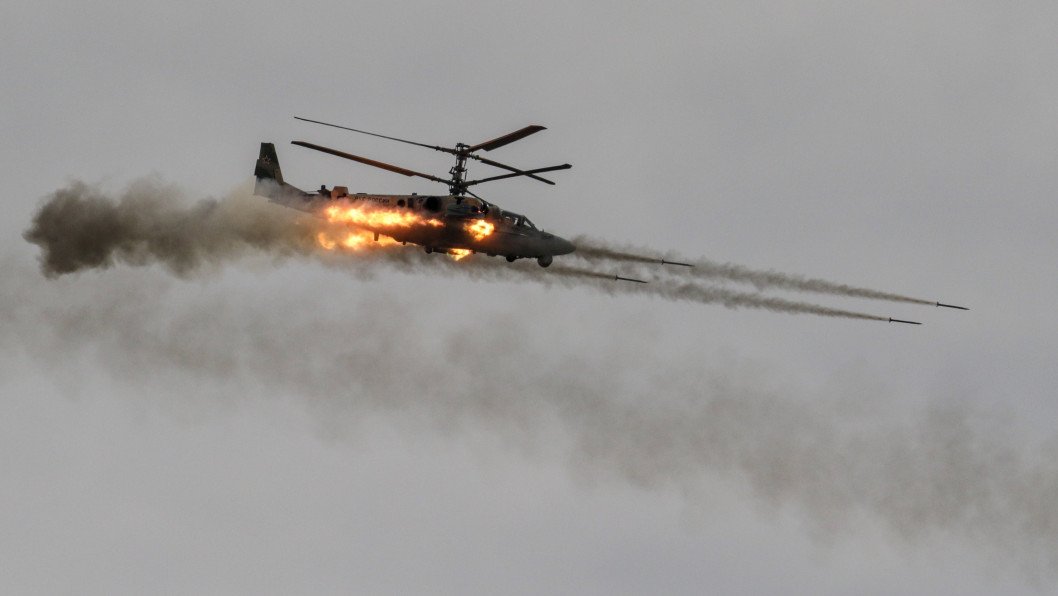
Ka-52 and Mi-28 struggle against drones
That ambition comes against the backdrop of heavy battlefield losses. Since the start of its full-scale invasion of Ukraine in 2022, Russia has lost more than 100 attack helicopters, according to open-source estimates.
Ukrainian drones and air defenses have forced Moscow to pull its rotorcraft back from the front lines, pushing them to operate hundreds of kilometers from their targets.
This video reportedly shows the first confirmed downing of Russian Ka-52 helicopter by an Ukrainian FPV drone, with one crew member claimed killed. pic.twitter.com/WchBkwVfP7
— Clash Report (@clashreport) May 16, 2025
Aiming to double speed and range
The experience has underscored the vulnerabilities of Russia’s Ka-52 and Mi-28 attack helicopters, which top out at around 186 mph with a combat radius of just 110 miles. A faster, longer-range system like PAK AA would be meant to counter those shortcomings.
So far, Russia has relied on unguided rockets launched in low-altitude attack runs—an approach that has produced low accuracy. Only the newest Ka-52M and Mi-28NM occasionally employ guided LMUR missiles, with a range of up to 9 miles.
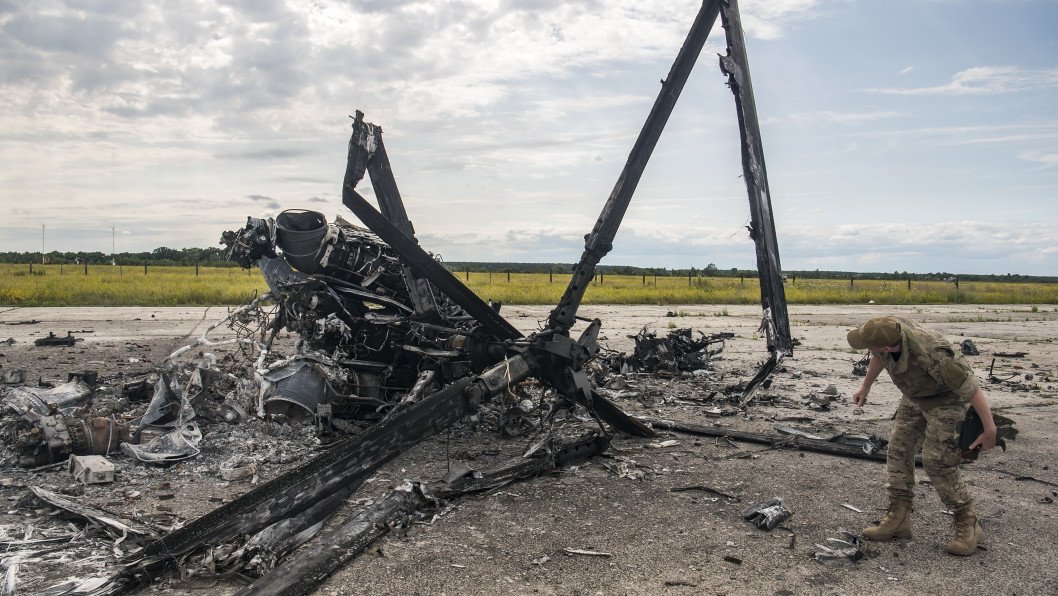
Analysts say future helicopters will likely be armed with more advanced, autonomous weapons to survive in the increasingly drone-heavy battlespace.
Failed high-speed rotorcraft projects
Moscow has not disclosed whether design work is being led by Mil or Kamov, Russia’s two main helicopter makers. Both have experimented with high-speed rotorcraft in the past.
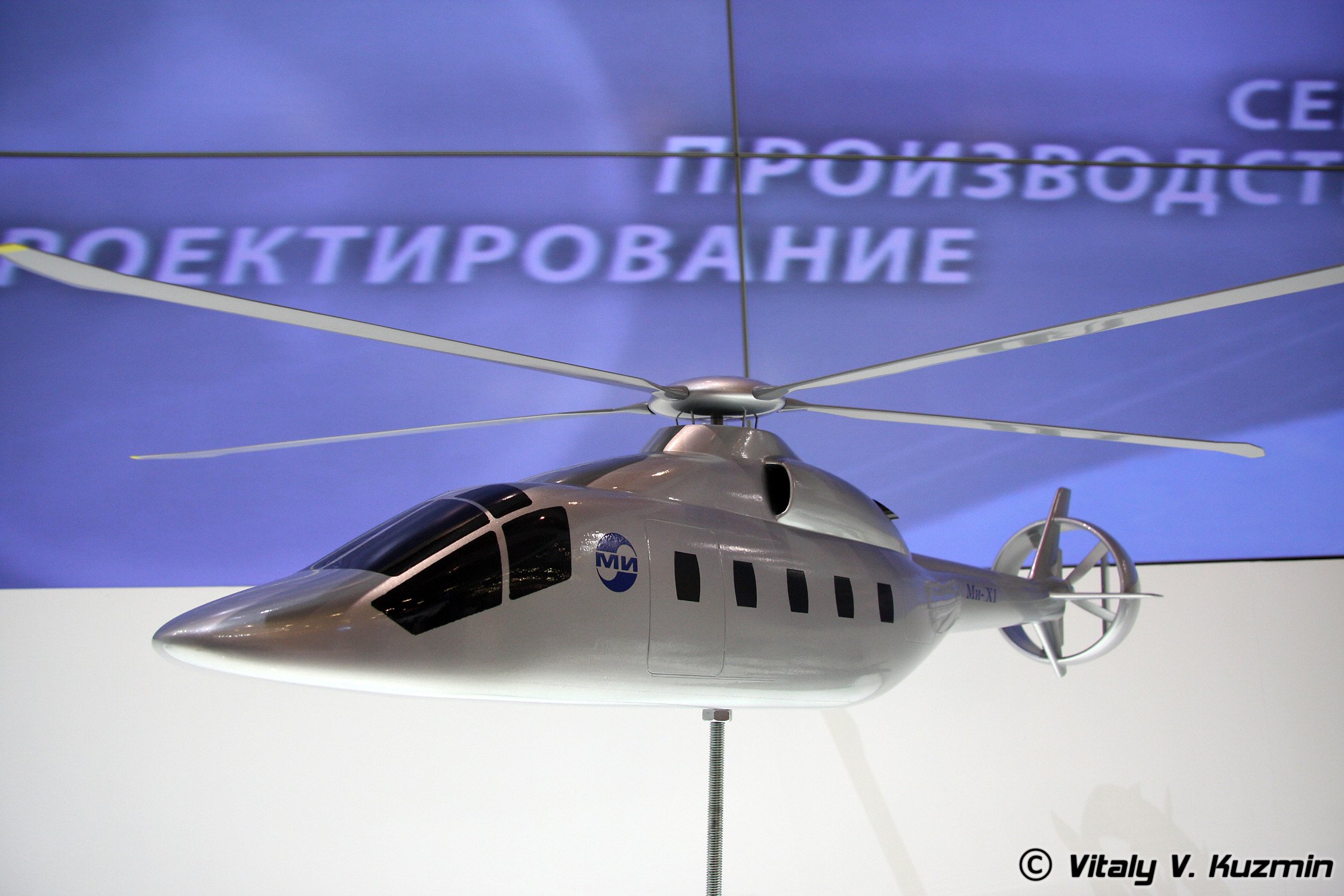
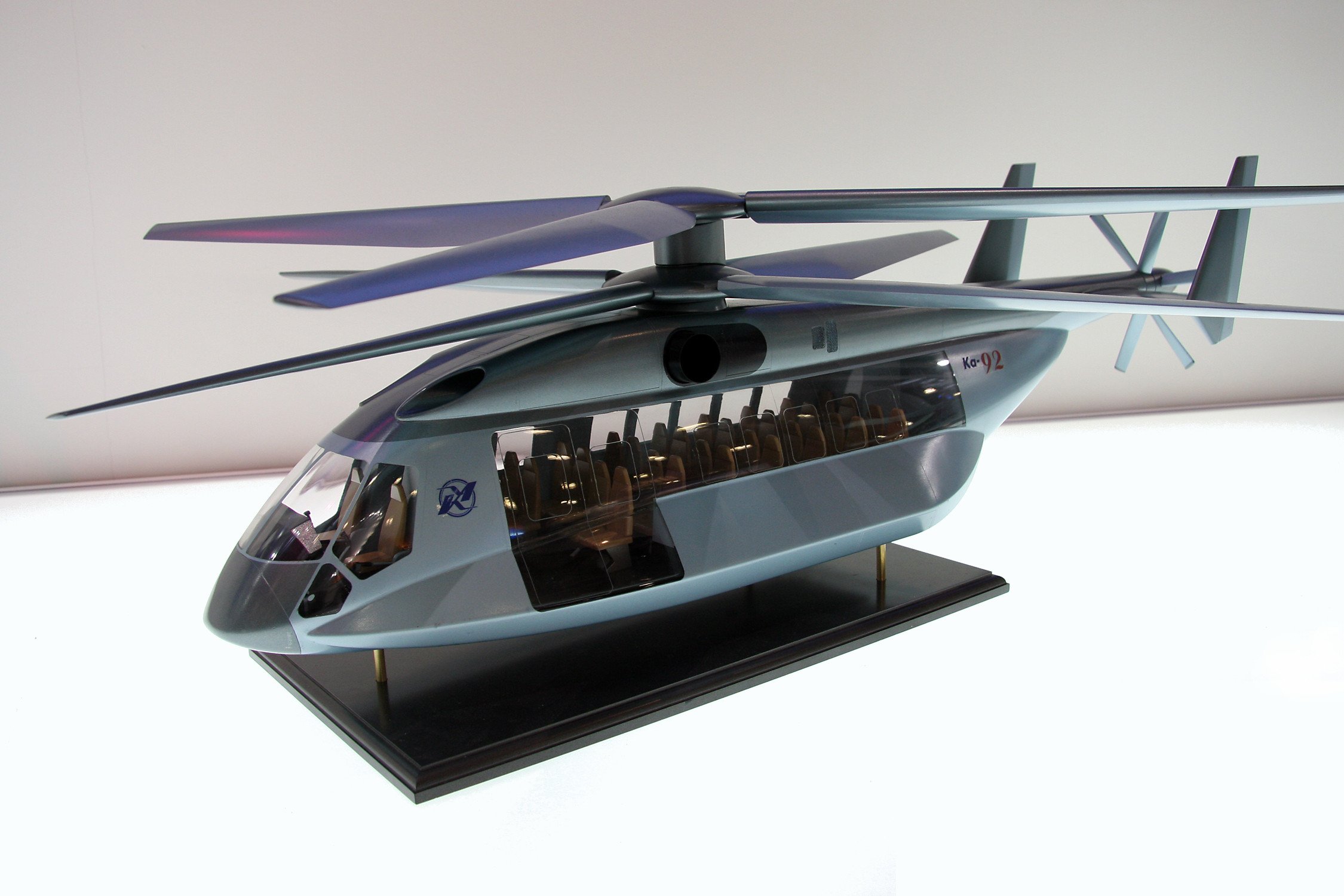
Mil once pitched the Mi-X1, capable of 323 mph, while Kamov presented the Ka-92, designed to reach 286 mph. Neither project made it past the concept stage.
A revival of interest came in 2015, when Russia tested a modified Mi-24 fitted with advanced engines and redesigned blades, reaching 253 mph—the fastest speed ever recorded for a Russian helicopter.
By 2018, the Defense Ministry had greenlit competing prototypes from Mil and Kamov, but the effort stalled amid financial and technical difficulties.
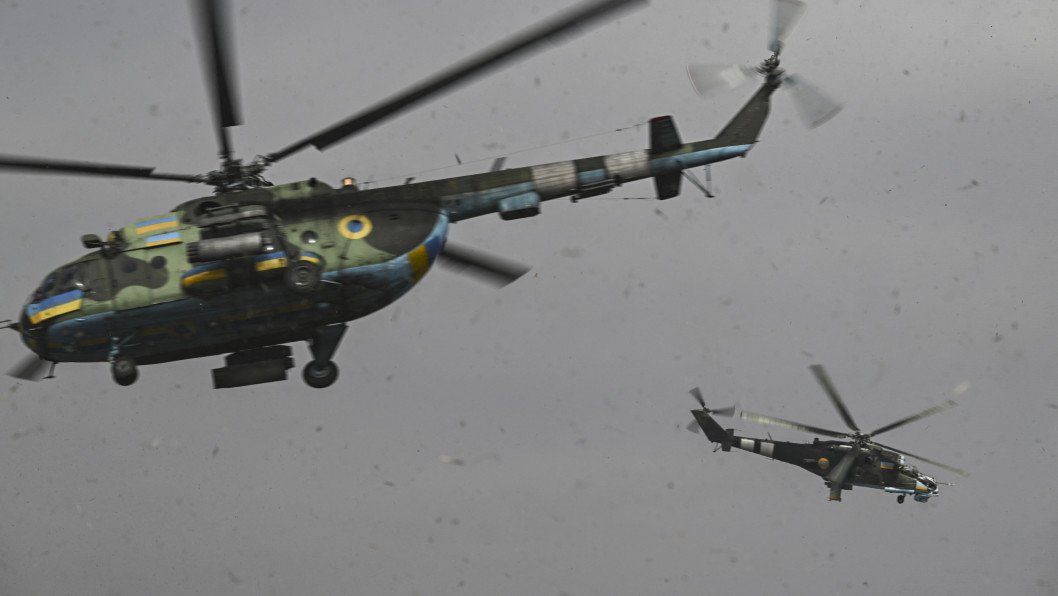
The latest disclosure from Phazotron suggests Russia has quietly restarted its push for a next-generation attack helicopter. Whether it results in a working aircraft—or another shelved project—remains uncertain.
For now, Russia is modernizing existing platforms like the Ka-52 and Mi-28, even as its forces adapt to the reality that drones are eclipsing helicopters on the modern battlefield.
-f02638173e8cd32dfe35ee9e9a32fa21.jpg)
Earlier, a Russian Mi-28 attack helicopter was damaged in a sabotage operation carried out by a Ukrainian partisan on a military airfield in Russia’s Tver region.
The operation took place at the 344th Combat Training and Retraining Center of Army Aviation, located near the city of Torzhok.
Discuss this article:



-c439b7bd9030ecf9d5a4287dc361ba31.jpg "Photo of Katherina Popilnichenko")