- Category
- Latest news
Russia, Vietnam Using Oil Profits to Evade US Sanctions on Arms Deals
 Prefer U24 Media on Google
- Authors

-bc3a858c02559a87d18a891021688075.jpeg "Photo of Yuto Ichikawa")
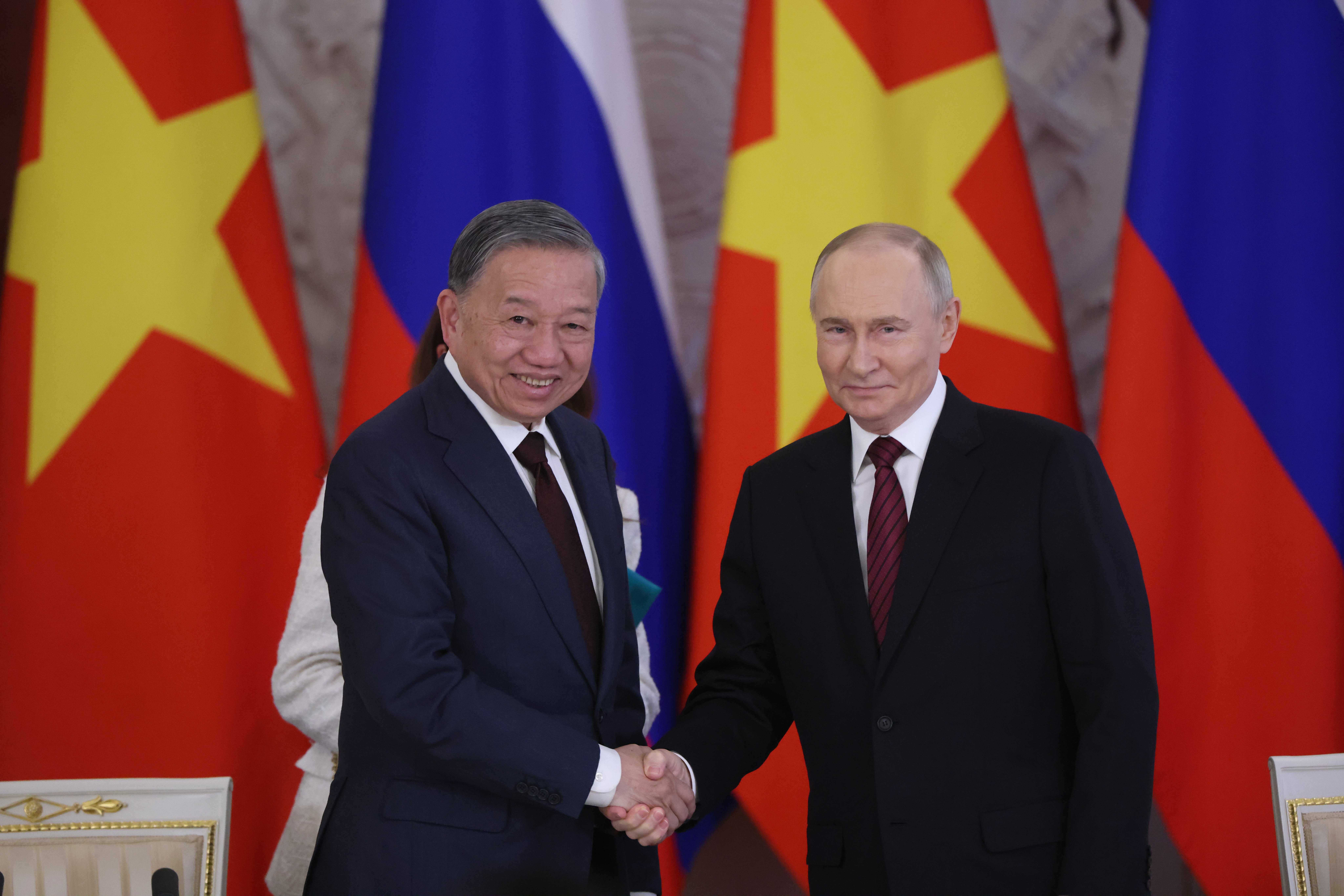
Russia and Vietnam have developed a secretive financial workaround to conceal arms deal payments and bypass US and Western sanctions, according to internal Vietnamese government documents obtained by The Associated Press.
According to the Associated Press, the arrangement allows Hanoi to use profits from joint oil and gas projects with Moscow to pay down defense contracts—including fighter jets, tanks, and warships—without transferring money through the global banking system.
Instead, profits from a Siberian oil venture are funneled directly into debt repayments owed to Moscow, effectively shielding the transactions from international oversight.
The documents underscore a deepening Russia-Vietnam military partnership at a moment when Washington is pressing Hanoi to strengthen its strategic ties with the United States in response to China’s growing power in the region.
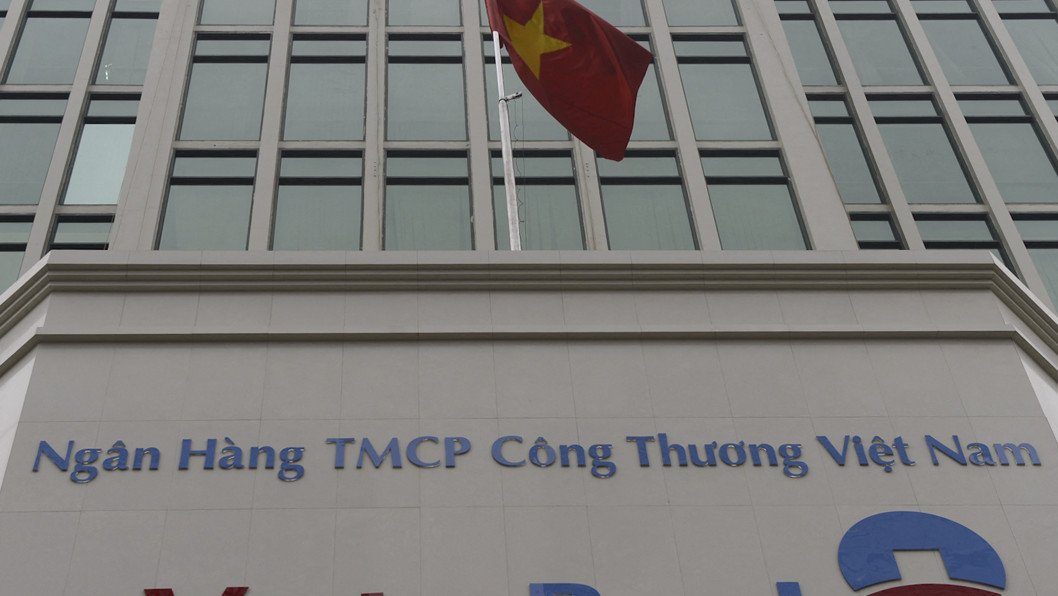
The revelations land amid tense US-Vietnam trade negotiations, and as Washington works to counterbalance Beijing’s assertiveness in the South China Sea.
The White House has imposed tariffs on Vietnamese exports, while President Donald Trump has threatened harsher measures against Russia—and any country that helps it finance its war in Ukraine.
Trump has also doubled tariffs on India to pressure New Delhi over its purchases of Russian oil and weapons, while his family business broke ground this year on a $1.5 billion luxury golf complex near Hanoi.
How the scheme works
The payment mechanism centers on Rusvietpetro, a joint oil venture in Siberia. Profits owed to Vietnam are first directed to Moscow to cover loans extended for arms purchases.
Any excess is sent to Russia’s state-owned Zarubezhneft, which then channels equivalent funds through its Vietnamese operations back to Petrovietnam—completing the circle without touching the international SWIFT system.
“In the context of the US and Western countries imposing sanctions on Russia in general and removing Russia from SWIFT in particular, this payment method is considered relatively confidential and appropriate because money only circulates within the territory of Vietnam and Russia and Vietnam does not have to worry about the risks of being affected by the US embargo,” Le Ngoc Son, Petrovietnam’s general director, wrote in a June 2024 document.
Defense analysts say the arrangement represents a bold new level of financial maneuvering.
“It’s not your typical flexible financing. It’s not your typical offset or counter-trade provisions,” said Evan Laksmana of the International Institute for Strategic Studies.
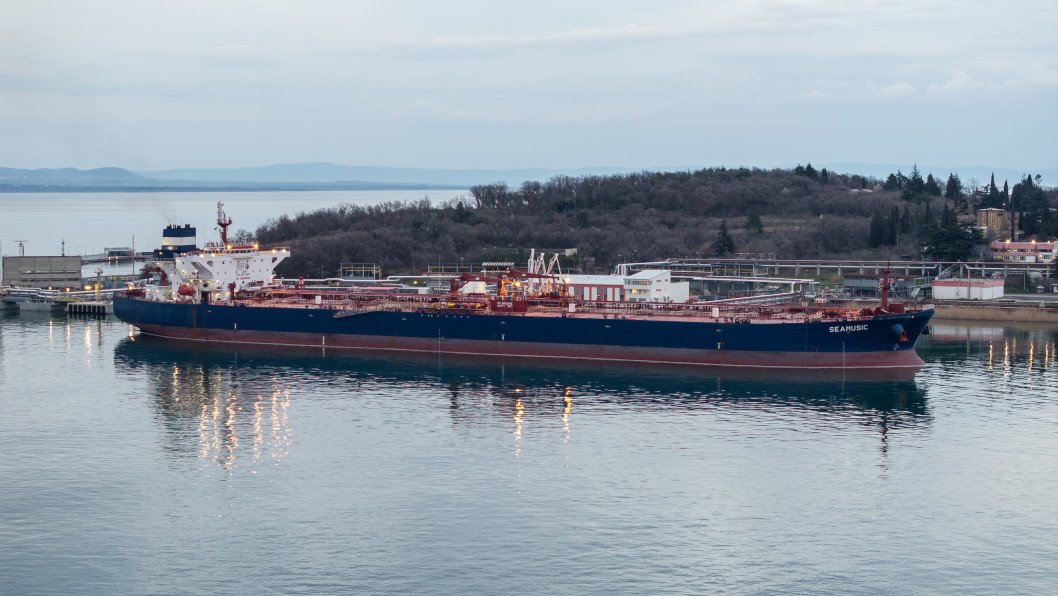
Though Zarubezhneft itself has not yet been sanctioned, several of its top executives have, and experts say the scheme appears designed to guard against secondary sanctions targeting anyone who facilitates Russian arms or energy deals.
“If you want to insulate yourself from any kind of risk, you then basically avoid cross-border transactions and create these kind of offsetting payment schemes,”said Ben Hilgenstock, a senior economist at the Kyiv School of Economics.
Vietnam’s military has long relied on Russian weapons, even as ties with Washington have strengthened since the US lifted its arms embargo in 2016.
Hanoi has received billions in Russian credit lines for frigates, tanks, and fighter jets, though many deliveries remain pending.
At the same time, Vietnam remains strategically vital to Washington, serving as both a key export partner and a counterweight to Beijing’s ambitions in the South China Sea.
That leaves US policymakers weighing how far to push sanctions enforcement without alienating a country they see as an essential ally.
A risky balancing act
Leaked Vietnamese documents from 2023 and 2024 suggest Hanoi knowingly pressed ahead with the covert scheme despite warnings from its own finance ministry that arms deals with Russia could trigger sanctions under the Countering America’s Adversaries Through Sanctions Act.
Still, some Vietnamese officials argued the US might hold off, given Hanoi’s importance to Washington’s Indo-Pacific strategy.
For now, evidence suggests the plan is operational: during Russian leader Vladimir Putin’s 2024 visit to Hanoi, Zarubezhneft secured a license to explore a new Vietnamese gas field—the very project outlined in the leaked documents.
“Vietnam needs to navigate in this less conducive diplomatic environment where being too close to Russia will not be well received in European capitals,” said Huong Le-Thu of the International Crisis Group.
“It’s fair to assume they are not going to be as generous as previous administrations, even with a recognition of Vietnam’s strategic value.”
Earlier, Vietnamese banks introduced stricter conditions for Russian companies when processing payments, following concerns over secondary sanctions from the West, The Moscow Times reported on August 13. The new rules, which took effect in mid-2025, stipulate that payments can only be processed if goods are delivered to Vietnam or if a Vietnamese citizen is among the founders of the contracting company.
Discuss this article:
-6c7b568bf1f65853b7afd9dc1c3ca1fe.jpeg)

-c439b7bd9030ecf9d5a4287dc361ba31.jpg "Photo of Katherina Popilnichenko")