- Category
- Latest news
US Pressures G7 to Hit India, China With Heavy Tariffs on Russian Oil Trade
 Prefer U24 Media on Google
- Authors


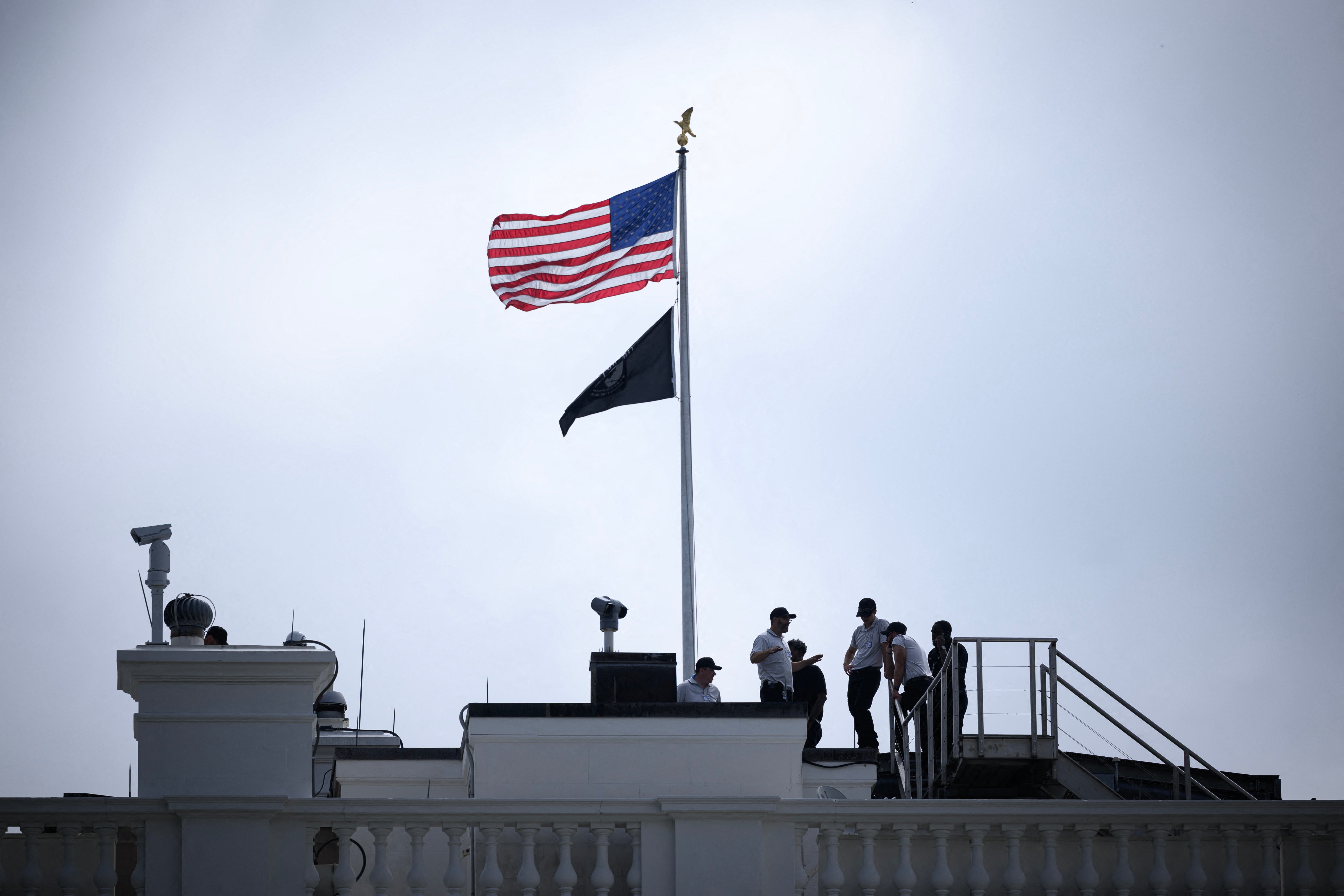
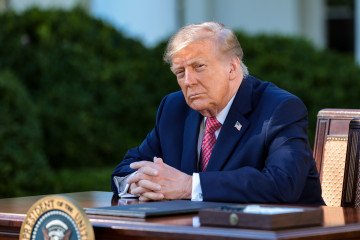
The United States is pressing G7 partners to target India and China with steep new tariffs on Russian oil purchases, aiming to cut off a key revenue stream for the Kremlin and push Moscow toward peace talks with Ukraine, according to sources familiar with the plan, cited by Financial Times on September 12.
Finance ministers from the Group of Seven leading economies are set to discuss the US proposal during a video call on Friday, as President Donald Trump intensifies efforts to broker a settlement in Ukraine.
This week, Trump urged the European Union to impose tariffs of up to 100 percent on India and China. Washington is now expanding that push to include G7 allies.
“Chinese and Indian purchases of Russian oil are funding Putin’s war machine and prolonging the senseless killing of the Ukrainian people,” said a US Treasury department spokesperson, Financial Times reported.

“Earlier this week, we made it clear to our EU allies that if they are serious about ending the war in their own backyard, they need to join us and impose meaningful tariffs that will be rescinded the day the war ends,” the spokesperson added.
“President Trump’s Peace and Prosperity Administration is ready, and our G7 partners need to step up with us.”
While the Treasury did not disclose the proposed tariff rate, people briefed on the talks said Washington is considering levels between 50 and 100 percent. The US last month raised tariffs on Indian imports to 50 percent over New Delhi’s purchases of Russian oil. In April, Trump sharply increased tariffs on Chinese goods before partially rolling them back in May after market backlash.
According to Financial Times, EU officials are wary of imposing such steep tariffs on two of their largest trading partners, citing risks of economic retaliation. Brussels is currently negotiating a trade deal with India and is seeking closer ties with New Delhi. Instead, the EU is pushing alternative measures, including tougher sanctions on Russian energy producers and accelerating its 2027 deadline to fully phase out Russian oil and gas.
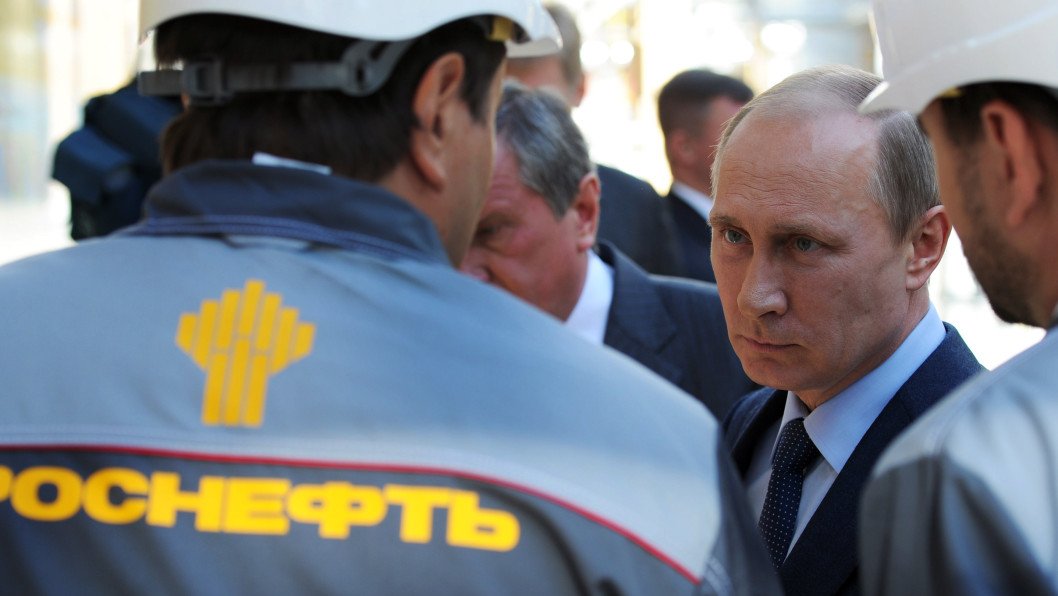
Three European officials said such a move would require Trump to pressure Hungary and Slovakia, whose pro-Russian governments have repeatedly blocked stronger EU sanctions while continuing to import Russian oil via pipeline.
At the same time, the EU is debating whether to sanction China for its purchases of discounted Russian energy. On Thursday, EU energy commissioner Dan Jørgensen met US energy secretary Chris Wright to discuss replacing Russian liquefied natural gas with American supplies, Finiancial Times reported.
“We need, as fast as possible, to make sure that we get rid of the dependency that we still have . . . on Russian energy,” Jørgensen said.
Although the EU has cut its reliance on Russian gas from 45 percent to about 20 percent since the full-scale invasion in 2022, it remains a key vulnerability.
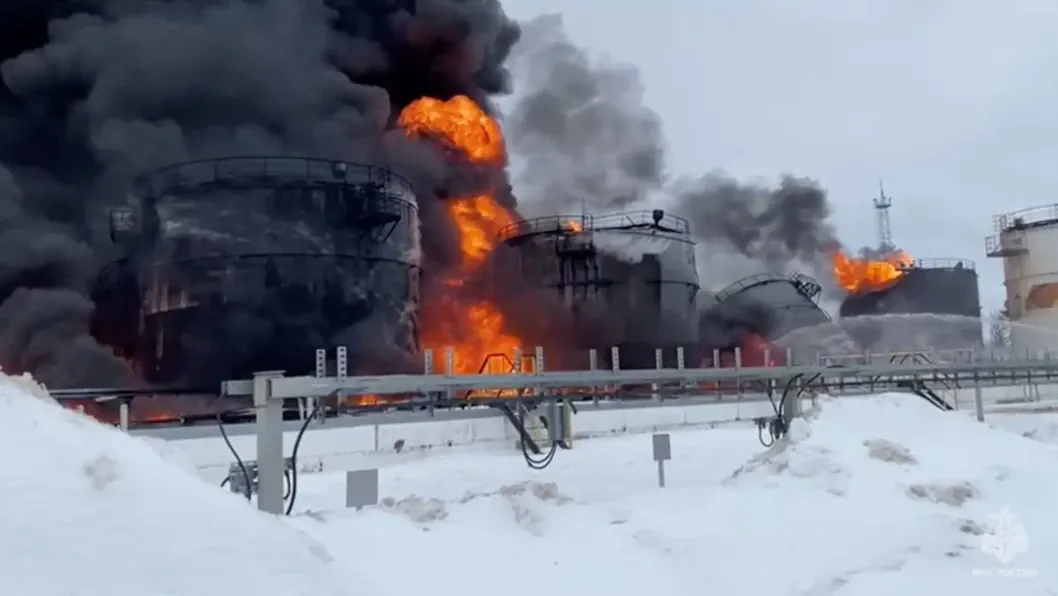
Canada, which holds the G7 presidency and hosted the last summit in Alberta in June, confirmed it convened Friday’s meeting after consultations with the US, according to Financial Times.
The discussions will focus on “further measures to increase pressure on Russia and limit their war machinery,” Ottawa said.
“The G7 is resolved in its opposition to Russia’s illegal and unjustified war,” said John Fragos, spokesperson for Canada’s finance minister.
A Canadian government official added that the talks would include proposals for “tariffs on nations that continue to fund Russia’s war machinery.”
Earlier, India asked Moscow to increase the discount on Russian crude to $10 per barrel below the Brent benchmark, citing growing risks and higher transaction costs from new Western sanctions.
Discuss this article:


-c439b7bd9030ecf9d5a4287dc361ba31.jpg "Photo of Katherina Popilnichenko")