- Category
- Latest news
Russian Airlines Face Mounting Risk After Five Engine Breakdowns Reported in Seven Days
 Prefer U24 Media on Google
- Authors

-c439b7bd9030ecf9d5a4287dc361ba31.jpg "Photo of Katherina Popilnichenko")
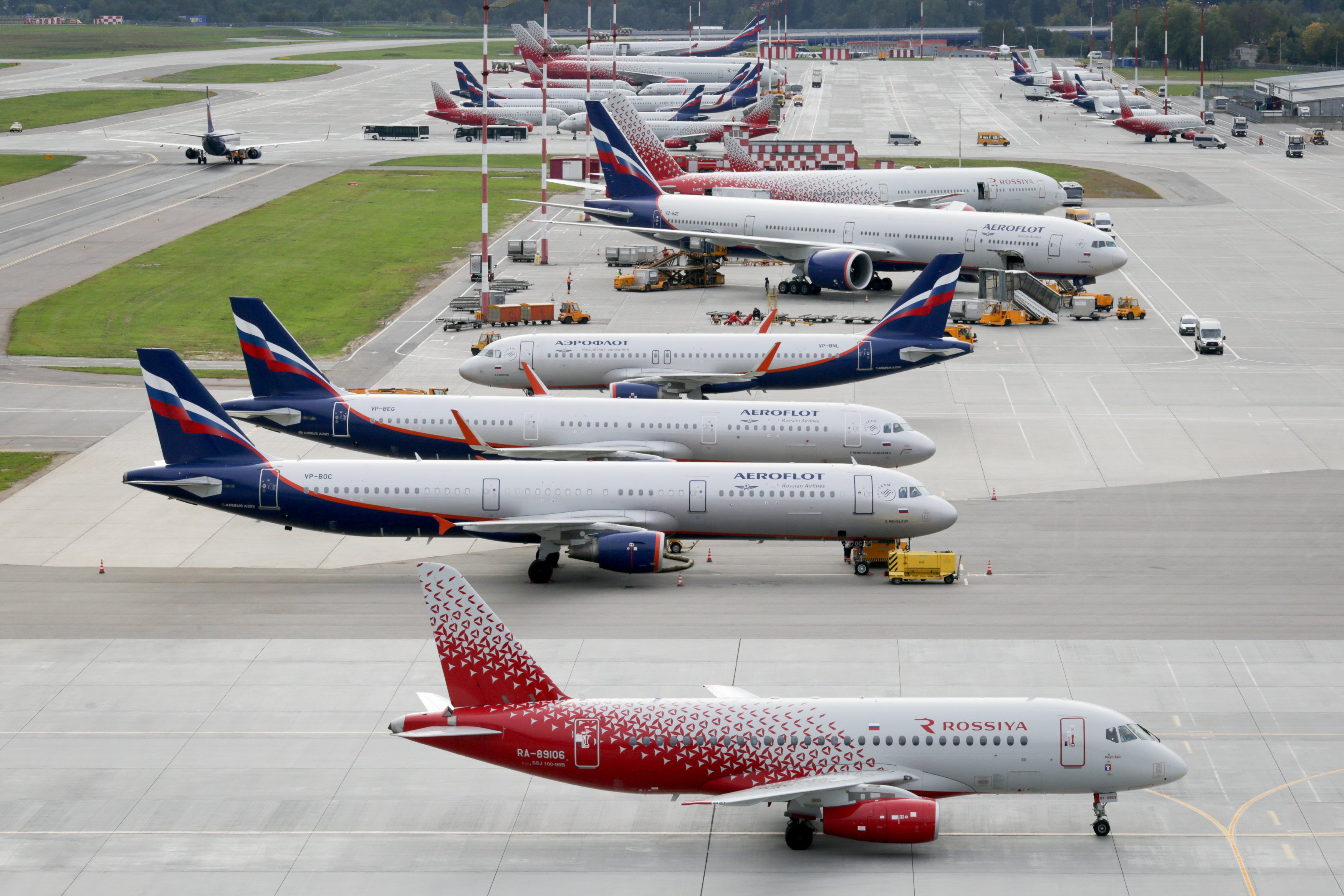
Five Russian passenger aircraft experienced engine failures mid-flight within one week.
These incidents represent a small portion of a systemic crisis in Russian civil aviation following sanctions imposed after Russia’s full-scale invasion of Ukraine, according to Тhe Moscow Times on March 20.
We bring you stories from the ground. Your support keeps our team in the field.
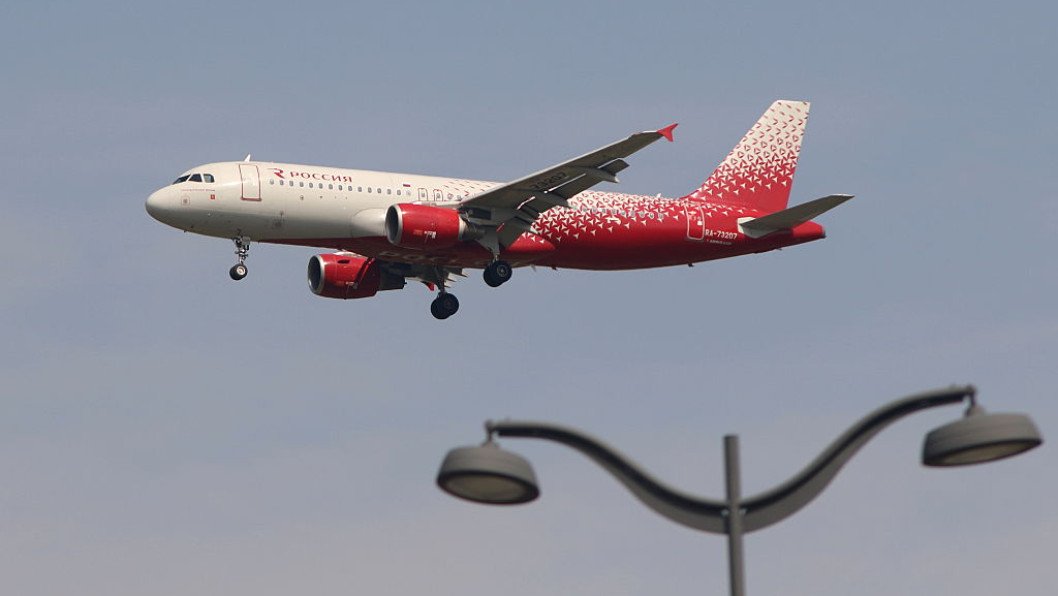
On March 16, a Sukhoi Superjet 100 operated by Rossiya Airlines flying from Moscow to Saint Petersburg returned to Sheremetyevo due to high vibration in its second engine.
Earlier, on March 13, a Boeing 738 from the same airline on a Sochi-Novosibirsk route triggered an oil circulation system alarm for its first engine
On March 15, an Aeroflot Airbus A330 traveling from Yekaterinburg to Bangkok was forced to return to its departure airport because of a faulty air bleed valve in the second engine.
In Khabarovsk on March 12, a Ural Airlines A320neo experienced a failure of its second engine thrust reverser during landing. A similar malfunction occurred on March 10 at Irkutsk airport with an S7 Airlines Airbus A320.
The primary cause is the inability to properly maintain foreign aircraft due to sanctions. In February, Kommersant reported that of the 93 remaining Boeing and Airbus wide-body jets needed for long-distance flights, fewer than 60 are currently operational.
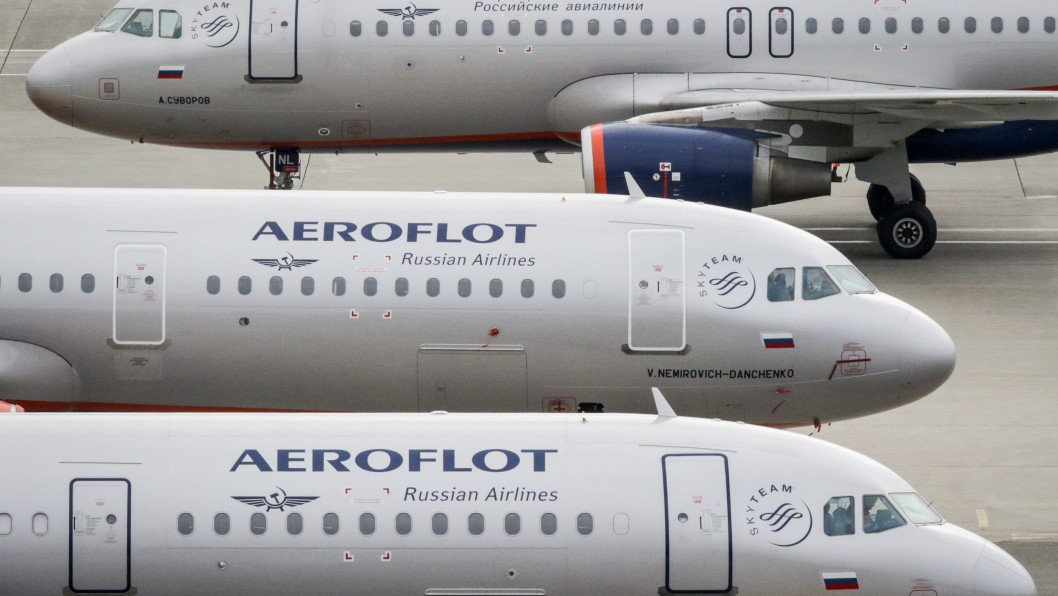
The rest are either undergoing lengthy maintenance or are grounded due to a lack of spare parts. Efforts to establish engine repairs in Iran have not been successful.
The Ministry of Transport predicted in 2022 that this fleet would shrink to 52 by 2030, but the actual number of operating aircraft is reaching those levels now.
In September 2025, Russia asked ICAO to ease restrictions required to maintain the airworthiness of Boeing and Airbus planes. Domestic aircraft are failing to replace foreign models, as Reuters reported that only one of the 15 planes planned for delivery in 2025 was actually supplied.
All major carriers are facing difficulties. Out of 59 wide-body aircraft in the Aeroflot group, 17 are in maintenance, with some grounded for over a year. At Azur Air, six out of 11 planes are flying, while Northern Wind has only two out of nine operational.
Vladimir Kovalsky, head of Gosaviandzor, described a “systemic problem,” noting that between 2023 and 2025, the operation of more than 480 aircraft—nearly half the fleet—was prohibited due to violations.
The agency recorded falsified maintenance records, repairs performed by unauthorized organizations, and a “lowering of the threshold for acceptable violations.”
Carriers are seeking unconventional solutions. Ural Airlines announced a project to extend the service life of Airbus A320s beyond 96,000 flight hours at its own center, which is not certified by the manufacturer.
Aviation journalist Andrey Menshenin warned of safety risks, stating, “such methods distance aircraft from international standards.”
Aviation expert Vadim Lukashevich noted that the company already has “invaluable practical experience” in dismantling Airbus A320s after two emergency landings in fields.
“One can only hope that this 'great step forward' will happen without human casualties,” he said.
In January 2026, a Boeing 757 operated by the Russian airline Azur Air was forced to make an emergency landing in Hanoi after one of its engines failed mid-flight.
The aircraft had been en route from Vietnam to Irkutsk with 245 people on board when the malfunction occurred shortly after it reached cruising altitude. This incident marked the fourth in-flight failure involving Russian-operated planes within a single week, following similar engine issues on a flight from Thailand and landing gear problems on a route from Kaliningrad.
Discuss this article: