- Category
- Latest news
Russian Central Bank Cites “Unfavorable Weather Conditions” in Economic Slowdown
 Prefer U24 Media on Google
- Authors

-c439b7bd9030ecf9d5a4287dc361ba31.jpg "Photo of Katherina Popilnichenko")
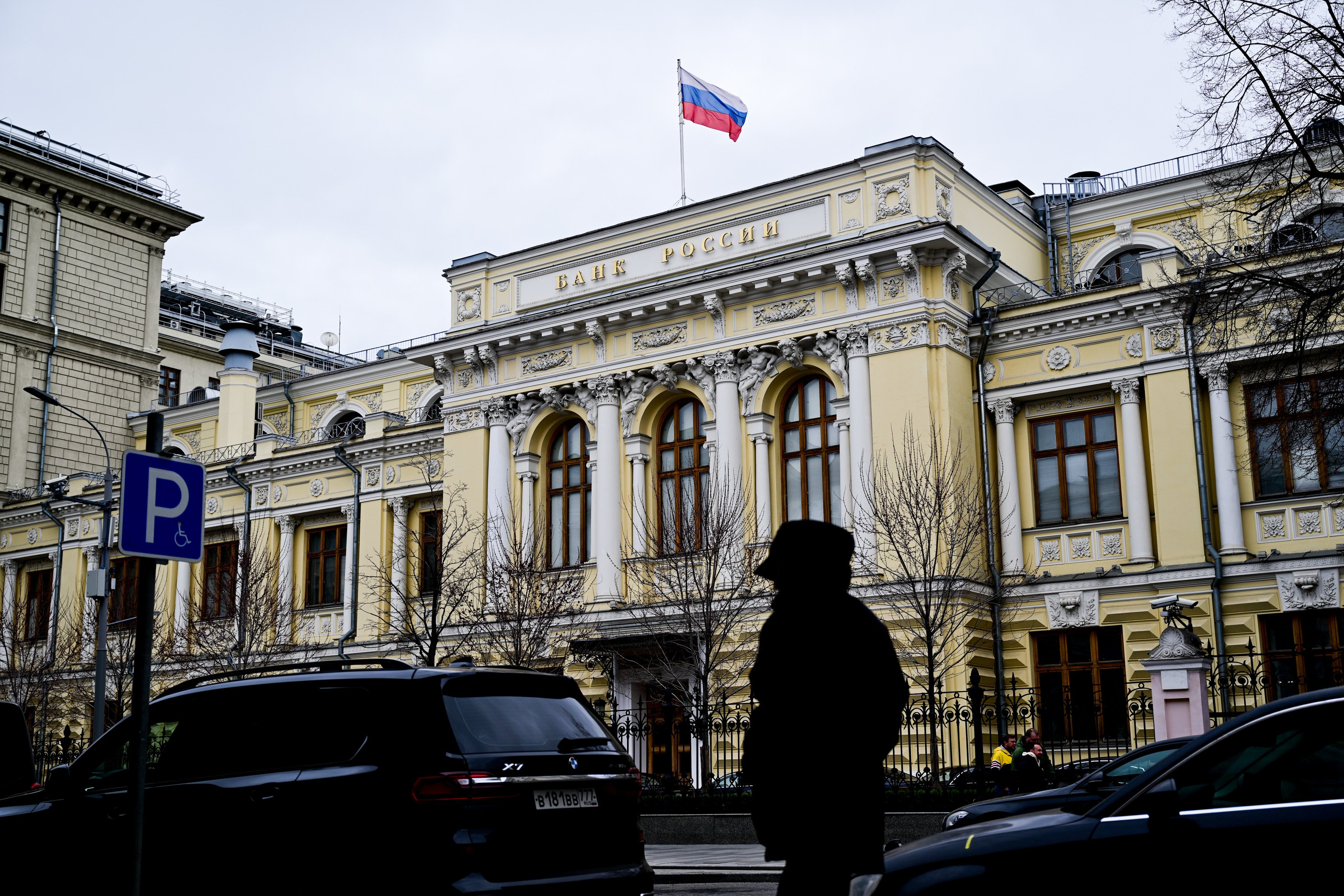
The Russian economy continues to weaken, with the Central Bank of Russia citing weather conditions as one of the factors behind the slowdown.
According to a report by The Moscow Times on April 24, the central bank noted a slowdown in the first quarter of 2026. This assessment accompanied a decision to lower the key interest rate for the eighth consecutive time, moving from 15% to 14.5%.
We bring you stories from the ground. Your support keeps our team in the field.
Data from Rosstat indicates that Russia’s GDP has begun to shrink for the first time since 2023. During January and February, the economy contracted by 1.8% compared to the same period in the previous year.
The industrial sector is also approaching a recession, with production falling by 0.8% in January and 0.9% in February. While there was a slight recovery of 0.3% by the end of March, the overall trend remains weak.
“The economy slowed down in part due to adjustments to recent tax changes. It was also affected by fewer working days and unfavorable weather conditions,” the Central Bank explained.
The Russian government originally predicted a GDP growth of 1.3% for this year. This followed a significant slowdown in 2023 when growth dropped to 1%. However, analysts from Raiffeisenbank suggest that the GDP will likely show a decrease of nearly 1% for the first quarter of 2026.
The Central Bank stated in its release that investment activity “remains restrained” while the trend of “slowing consumer demand” persists. Surveys conducted by the regulator show that citizens are widely adopting saving habits.
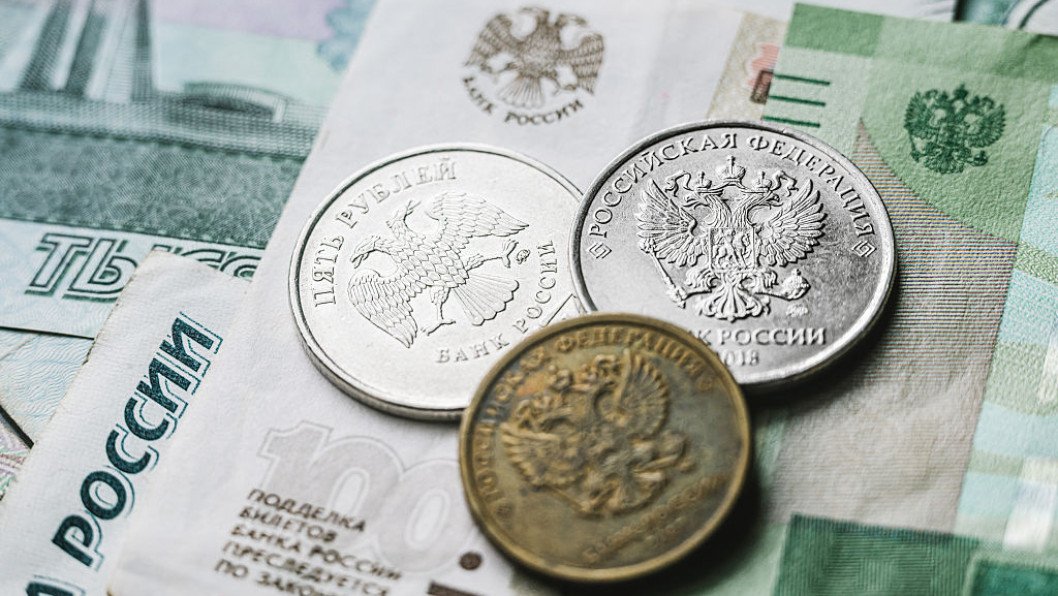
This shift in spending affects purchases of clothing, electronics, household goods, and even food and medical services.
Despite the rising oil prices caused by the war in Iran, which the Central Bank estimates could bring $50 billion in extra revenue, the regulator does not expect this to improve the broader economic situation. The GDP forecast remains unchanged at a growth of 0.5% to 1.5%.
As the outlook remains weak, Russian business figures are proposing more radical measures to support economic restructuring. Russian billionaire Oleg Deripaska has suggested introducing a 12-hour, six-day work week as a way to speed up the country’s economic restructuring, The Moscow Times reported on March 30, 2026.
In posts on his social media, the industrialist argued that Russia faces limited resources and that overcoming the current global crisis would require a significant increase in labor intensity. Deripaska proposed an “8-to-8” schedule—from 8 a.m. to 8 p.m., including Saturdays—saying such measures are essential for the country’s economic survival.
Discuss this article: