- Category
- Latest news
Russian Gunmen Approach Estonia Border: Lockdown in NATO’s Most Vulnerable ‘Boot’ Zone
 Prefer U24 Media on Google
- Authors


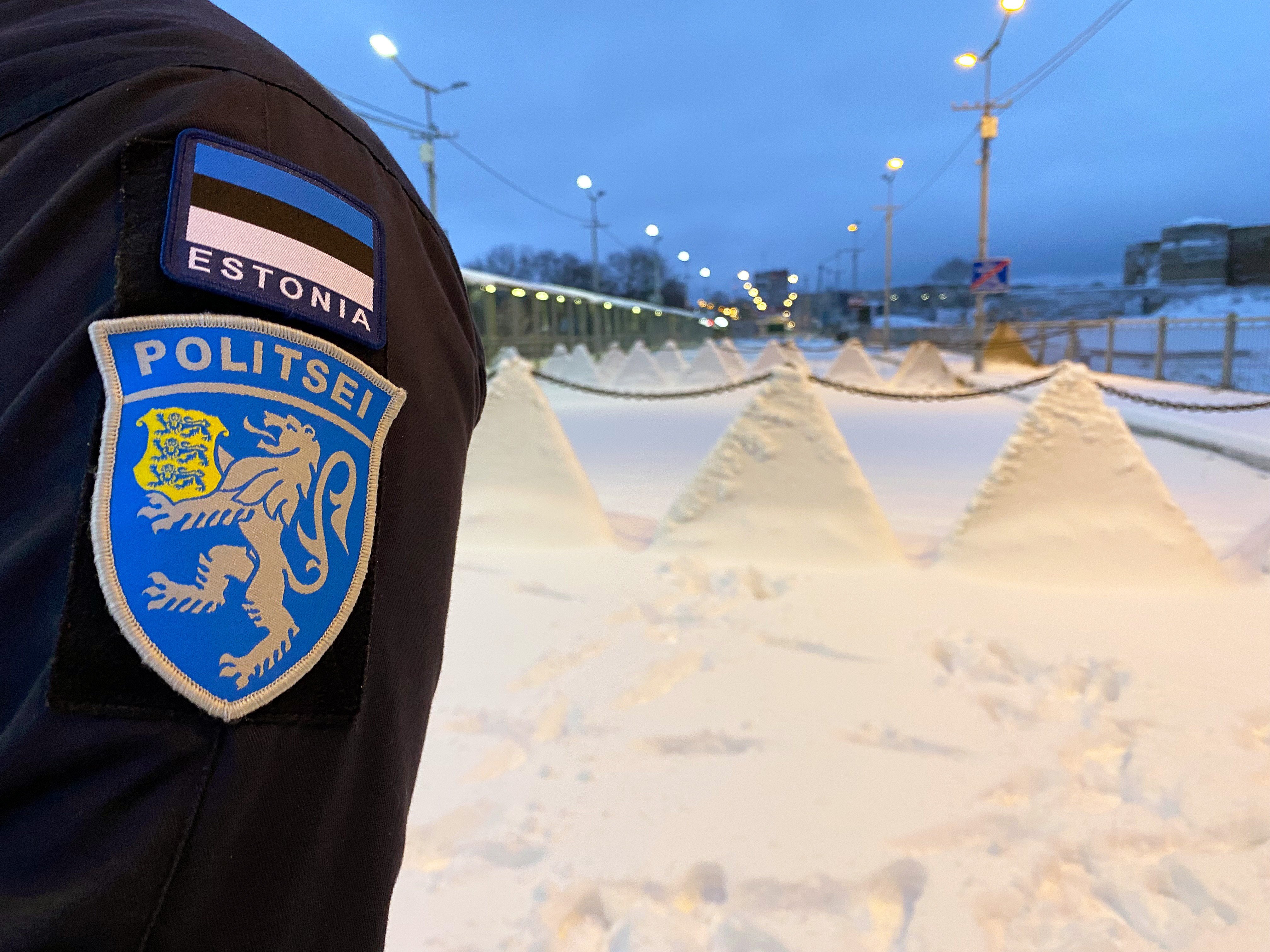
Estonia temporarily closed a section of its border with Russia after armed men were observed moving near the Saatse Boot area, a small Russian land protrusion surrounded by Estonian territory.
The incident, reported by ERR, occurred on the evening of October 10 and led authorities to halt traffic through the area on October 11 as a precaution.
According to Estonia’s Police and Border Guard Board, patrols noticed “significantly more active movements on the Russian side than usual.” Officials said that groups of armed men were seen walking along the border and at one point forming a line across the road.
Border patrols were dispatched to both sides of the road to warn drivers and recommend avoiding the area. “We decided to close the road to prevent potential provocations or incidents, as our goal is to ensure the safety of Estonian citizens,” the agency said in a statement to ERR.
-06edd17576e8390bd2b40028a0890918.jpg)
Estonian authorities formally requested clarification from Moscow regarding the activity. Russian officials described the movements as “absolutely routine actions,” according to ERR.
Tallinn maintained that the preventive measures were justified given the proximity of armed personnel to civilian routes.
The Saatse Boot (Saatse saabas) is a one-kilometer section of road passing through Russia’s Pskov region before re-entering Estonia. Local residents and tourists are allowed to drive or cycle through the Russian portion without a visa or border control—provided they do not stop—making the area a longstanding logistical and legal anomaly.
A 2005 border treaty foresaw the exchange of this enclave for two Estonian land plots, but the agreement was never ratified. Estonia later ruled out any future land swaps with Russia. A new bypass road is currently under construction and expected to fully replace the route by 2026.
Earlier, in June 2025, Estonia began building new defensive fortifications along its eastern frontier as part of the broader Baltic Defense Line, a regional initiative aimed at strengthening NATO’s northeastern flank.
Discuss this article:
-9bd5e1532102621f8fb1c4ba871a3171.png)