- Category
- Latest news
Russian Rocket System Obliterated on the Move—Ukrainian Drones Catch Crew Off Guard
 Prefer U24 Media on Google
- Authors


Ukrainian drone operators from the “Phoenix” unit have destroyed a Russian BM-21 Grad multiple launch rocket system and a 2S1 Gvozdika self-propelled howitzer, while also damaging several other armored vehicles, including three tanks, a BMP-2, and an armored combat vehicle, according to a video, published by Ukraine’s Armed Forces Drone Systems Command on August 19.
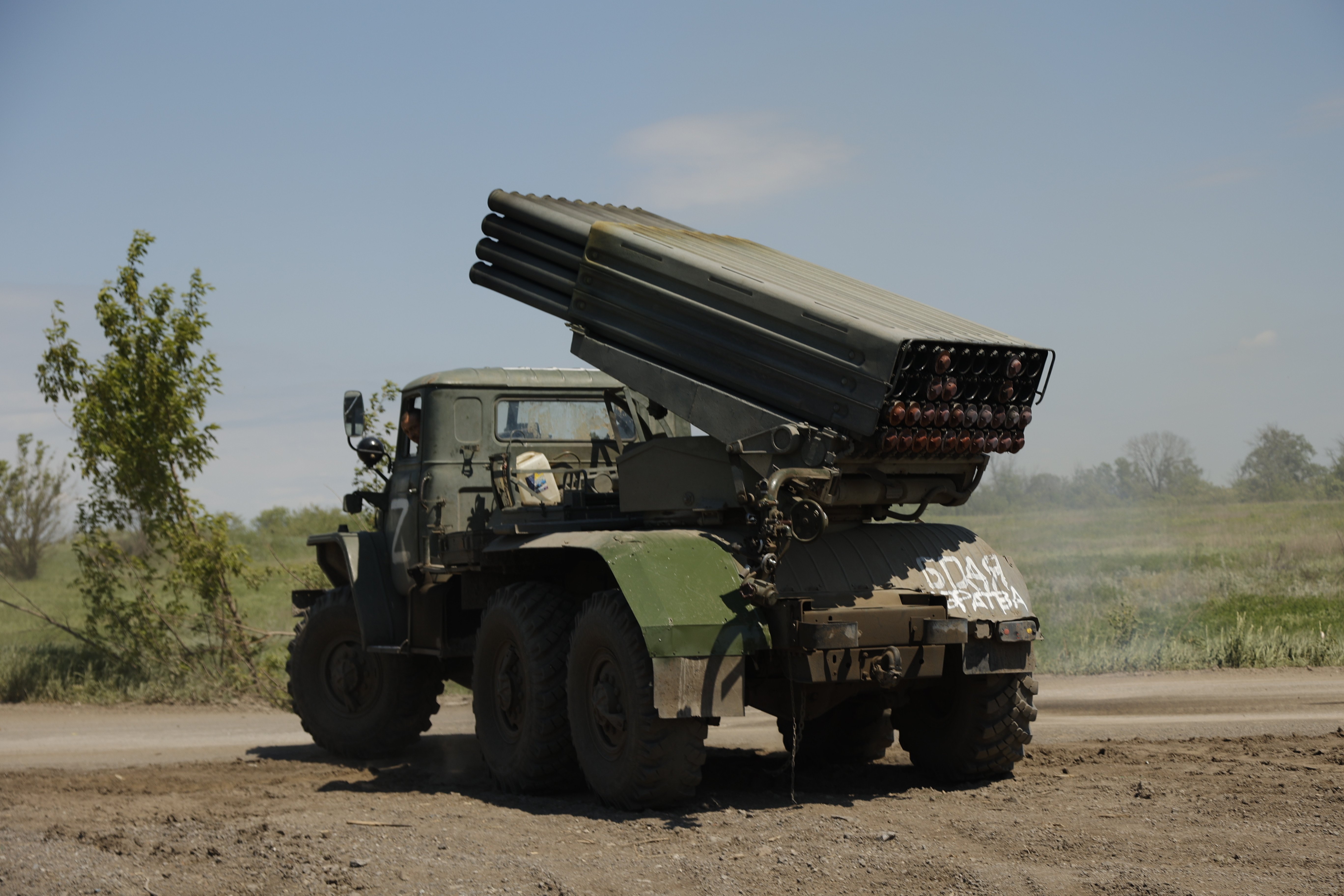
In the published footage, Ukrainian drones eliminated a Russian Grad launcher that was moving into firing position fully loaded with rockets.
“For this type of equipment, the enemy usually uses a tactic of quick fire raids followed by immediate relocation to avoid return fire. But they couldn’t outsmart the Phoenix operators—objective control confirmed the complete destruction of the launcher along with its crew,” the statement said.
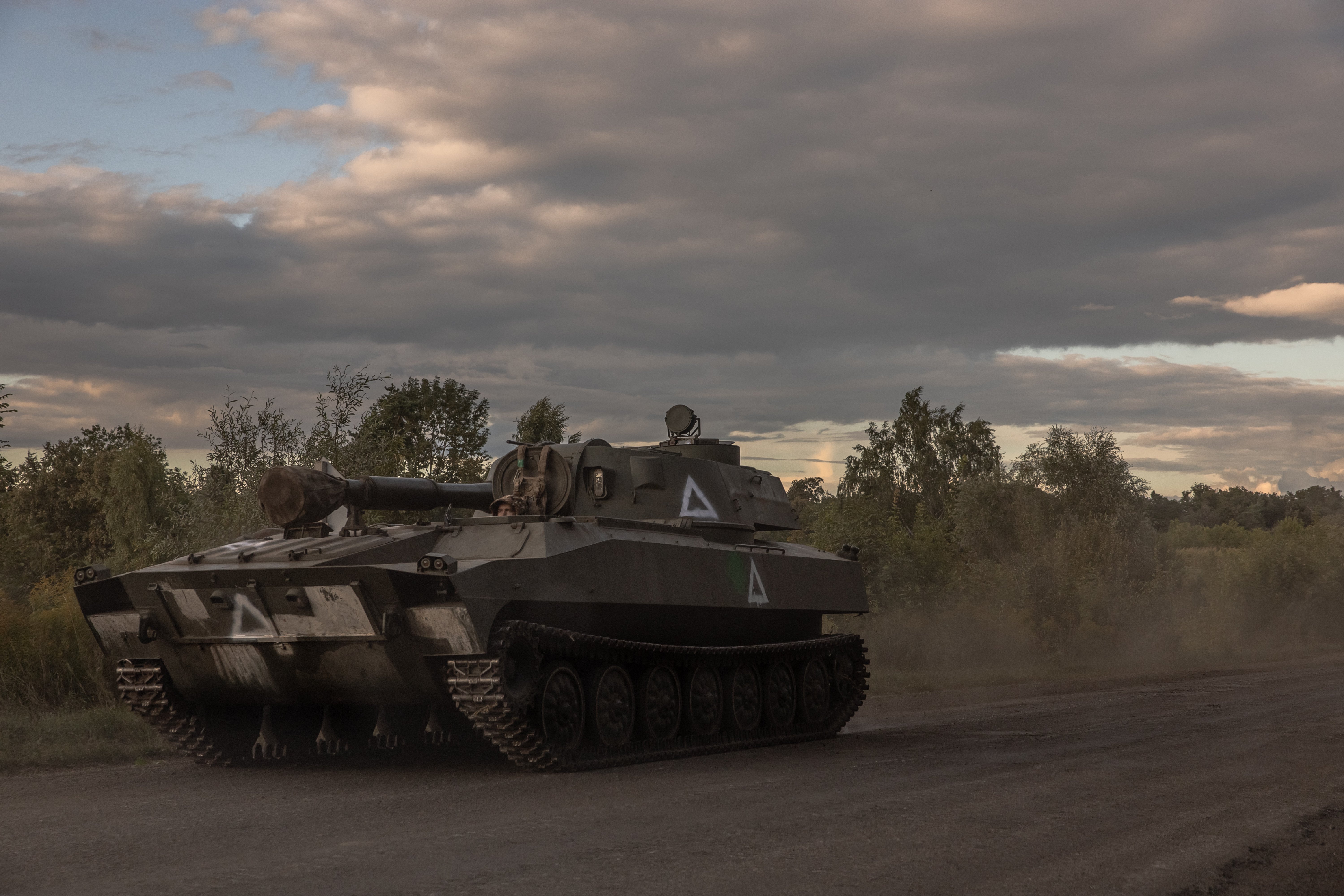
Another confirmed kill was a 2S1 Gvozdika howitzer, which Russian forces attempted to redeploy under the cover of dusk.
In addition, the Phoenix unit inflicted heavy damage on three Russian tanks, a BMP-2, and another armored vehicle, depriving Moscow’s troops of critical firepower for offensive operations.
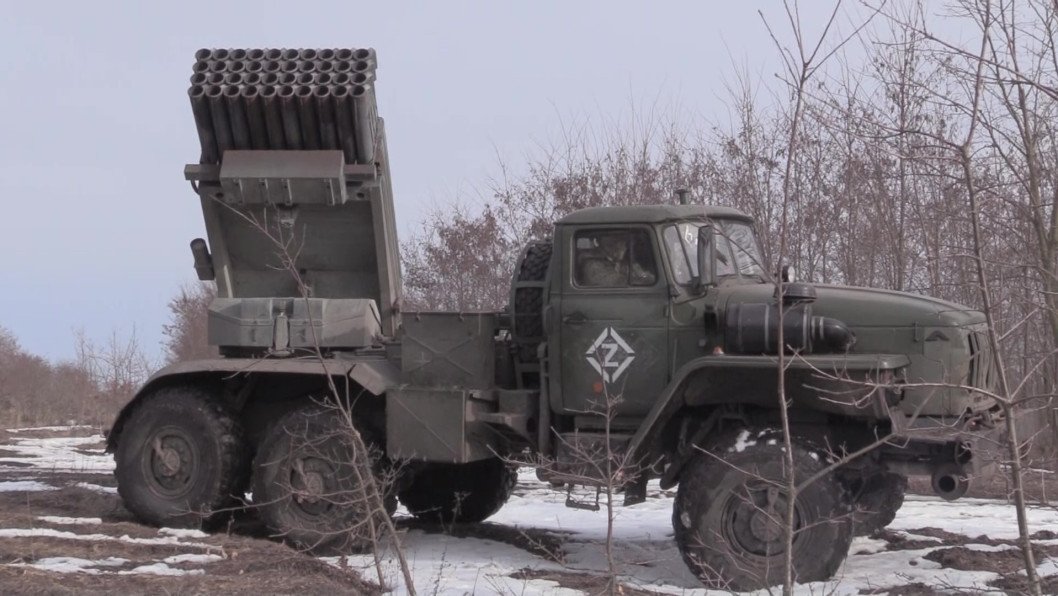
The BM-21 Grad (“Hail”) is a Soviet-era multiple rocket launcher mounted on a Ural-4320 truck chassis. Armed with 40 launch tubes that fire 122 mm rockets, the Grad can unleash a full salvo in just 20 seconds, saturating an area of up to 14.5 hectares.
With a firing range of 40 km and a reload time of seven minutes, the system is designed for rapid strikes and quick repositioning.
Despite entering service in 1963, the Grad remains a backbone of Russian artillery. However, its age and visibility on the battlefield have made it a prime target for Ukraine’s growing fleet of FPV drones, which are increasingly being used to hunt and destroy mobile launchers before they can fire.
Earlier, Ukrainian troops destroyed a Russian BM-21 Grad that was reportedly loaded with chemical munitions.
Discuss this article:



-c439b7bd9030ecf9d5a4287dc361ba31.jpg "Photo of Katherina Popilnichenko")