- Category
- Latest news
Russian Steel Giant Severstal Teeters on the Brink of Loss as Profits Collapse
 Prefer U24 Media on Google
- Authors

-c439b7bd9030ecf9d5a4287dc361ba31.jpg "Photo of Katherina Popilnichenko")
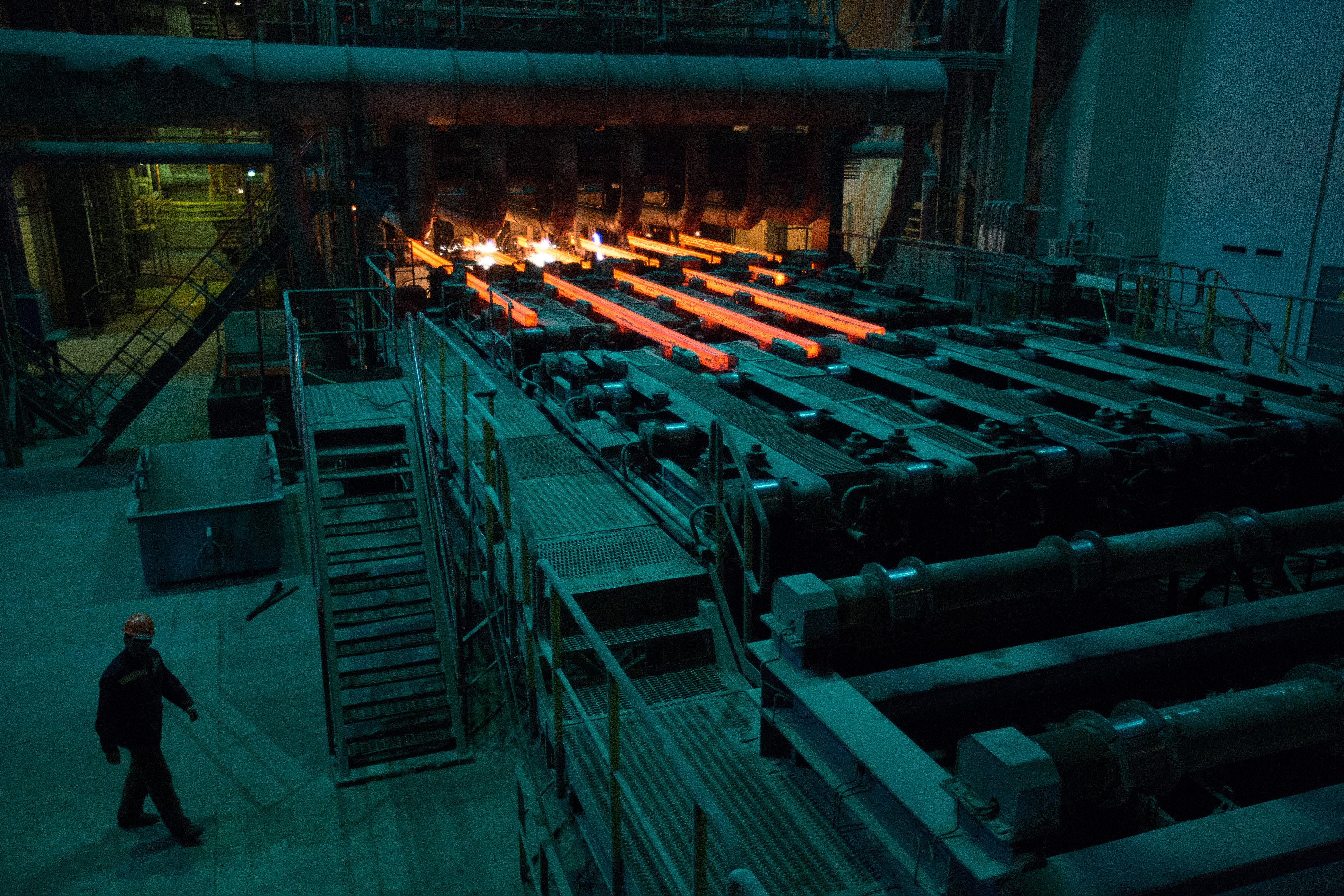
One of Russia’s most significant metallurgical enterprises, Severstal, has reported a dramatic decline in its financial performance for the first quarter of 2026.
The company, which is responsible for approximately one-sixth of all steel production in Russia, is currently hovering on the edge of a net loss. The company’s net profit plummeted to 57 million rubles ($758,740), a staggering drop from the 21.07 billion rubles ($280.5 million) recorded during the same period last year, according to The Moscow Times on April 21.
We bring you stories from the ground. Your support keeps our team in the field.
The financial downturn has affected nearly every metric of the company’s operations. Revenue for Severstal, which operates the Cherepovets Steel Mill along with various mining and manufacturing plants, fell by 18%. Earnings before interest, taxes, depreciation, and amortization decreased by 54%.
The company’s cash flow has also turned sharply negative, with outflows exceeding inflows by over 40 billion rubles ($532.5 million). To manage this gap, Severstal has utilized nearly all of its cash reserves, which have shrunk by 96% since the beginning of 2025.
Industry experts suggest that the Russian steel sector is facing a deepening systemic crisis. Analysts point out that international sanctions have resulted in the loss of one-third of Russian steel exports, totaling more than 10 million tons compared to 2021 levels. Simultaneously, domestic demand has weakened significantly due to a slowdown in the construction industry and a broader economic recession.
Severstal CEO Alexander Shevelev noted that the market has cooled rapidly under the pressure of strict monetary policy. This environment has led to reduced capacity utilization among major clients and a subsequent drop in prices. Shevelev estimated that domestic demand for steel fell by 15% in the first quarter of the year.

In response to these challenges, Severstal has implemented aggressive cost-cutting measures. These include a 15% reduction in maintenance budgets and a 24% cut in capital investments. The company has also suspended wage increases, frozen new hiring, and halted a major strategic project in Cherepovets.
The current situation is being compared to the industrial volatility seen in the 1990s. Other major Russian producers, such as the Magnitogorsk Iron and Steel Works, are experiencing similar difficulties, including reduced production loads and layoffs.
Reports indicate that some enterprises have shifted to shorter work weeks and are placing equipment into preservation mode to save costs. Despite appeals for tax relief, the Russian Ministry of Finance has reportedly declined to provide additional support to the industry.
The Kremlin’s fiscal stability has faced unprecedented pressure as the 2026 budget cycle projects a deficit nearly double that of the previous year. In early March, Russian war spending has officially surpassed all social welfare allocations, forcing the government to tap into the National Welfare Fund at a record pace.
Currently, as Russian leader Vladimir Putin seeks to maintain the offensive in Ukraine, the depletion of liquid assets in the “war chest” has left the Russian Central Bank with few options beyond the liquidation of its gold holdings and the remaining yuan reserves.
Discuss this article:
-9a7b3a98ed5c506e0b77a6663f5727c5.png)