- Category
- Latest news
Russian Tu-22M3 Bombers Armed With Supersonic Missiles Buzz NATO Airspace
 Prefer U24 Media on Google
- Authors


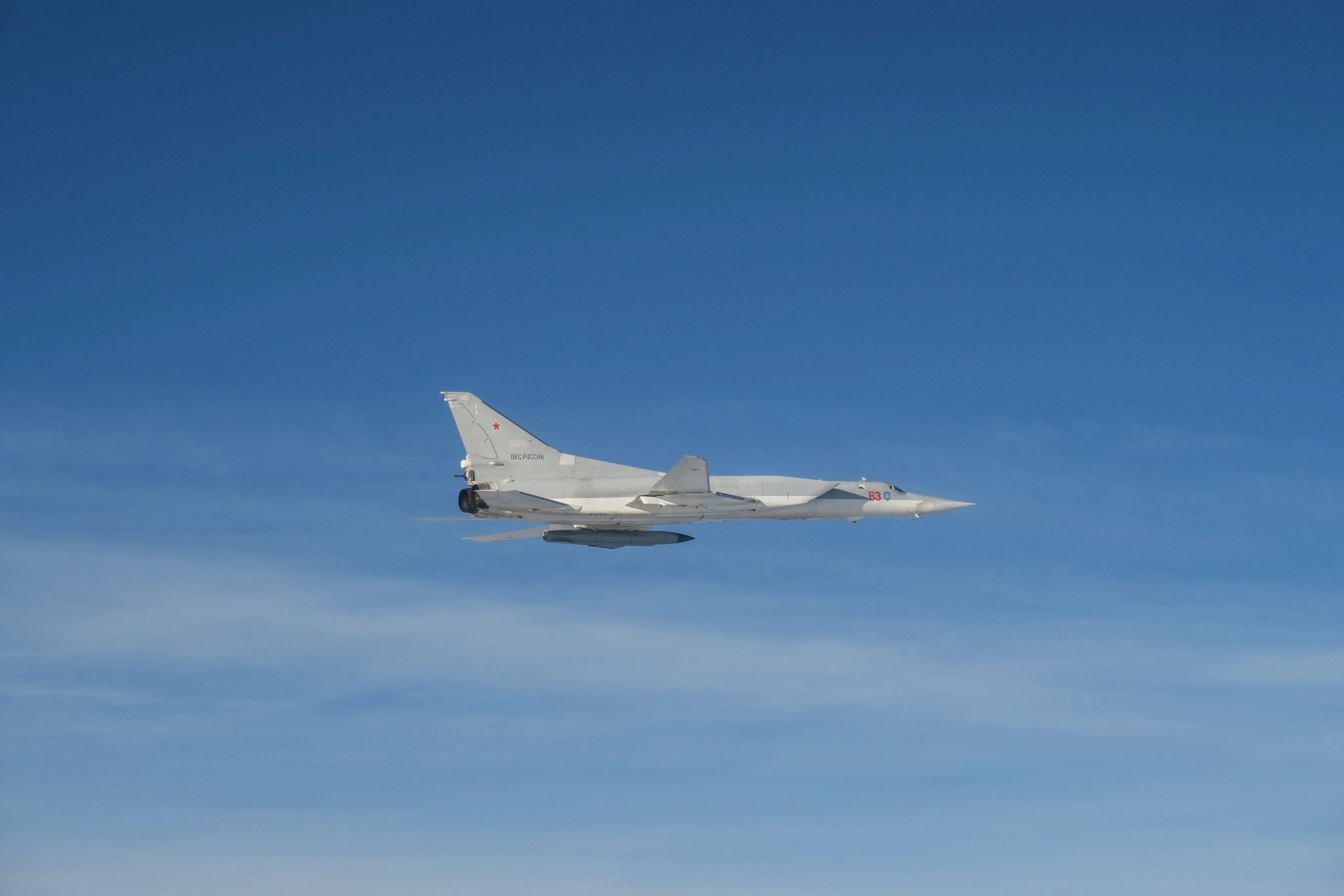
Russia conducted a high-visibility patrol over the Baltic Sea involving Tu-22M3 long-range bombers armed with Kh-32 supersonic cruise missiles, according to the Russian Ministry of Defense on November 27.
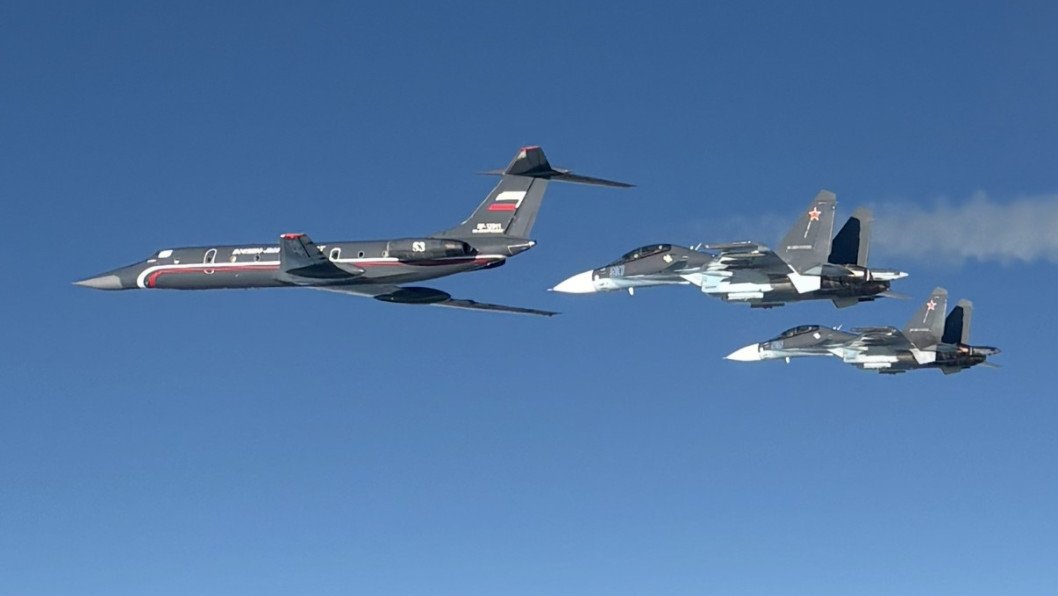
The aircraft were accompanied by Su-35S and Su-27 fighter jets throughout the more than five-hour flight in international airspace.
Foreign military aircraft monitored the formation during several phases of the route, in line with NATO air policing practices. The Swedish Air Force confirmed that its Quick Reaction Alert (QRA) fighters intercepted and visually identified the Russian bombers.
“Swedish QRA identified Russian Tu-22 bombers escorted by Su-35 fighter jets over the Baltic Sea yesterday. Mission carried out in close cooperation with Baltic Air Policing,” the Air Force stated on November 28, sharing an image of a Tu-22M3 bomber in flight.
As reported by Army Recognition, the bombers departed from Olenya air base on the Kola Peninsula—recently reactivated for long-range aviation after redeployments from Siberian bases—to reduce flight times to northern Europe. NATO aircraft tracked the mission from multiple locations, as part of routine monitoring of Russian long-range aviation near Alliance territory.
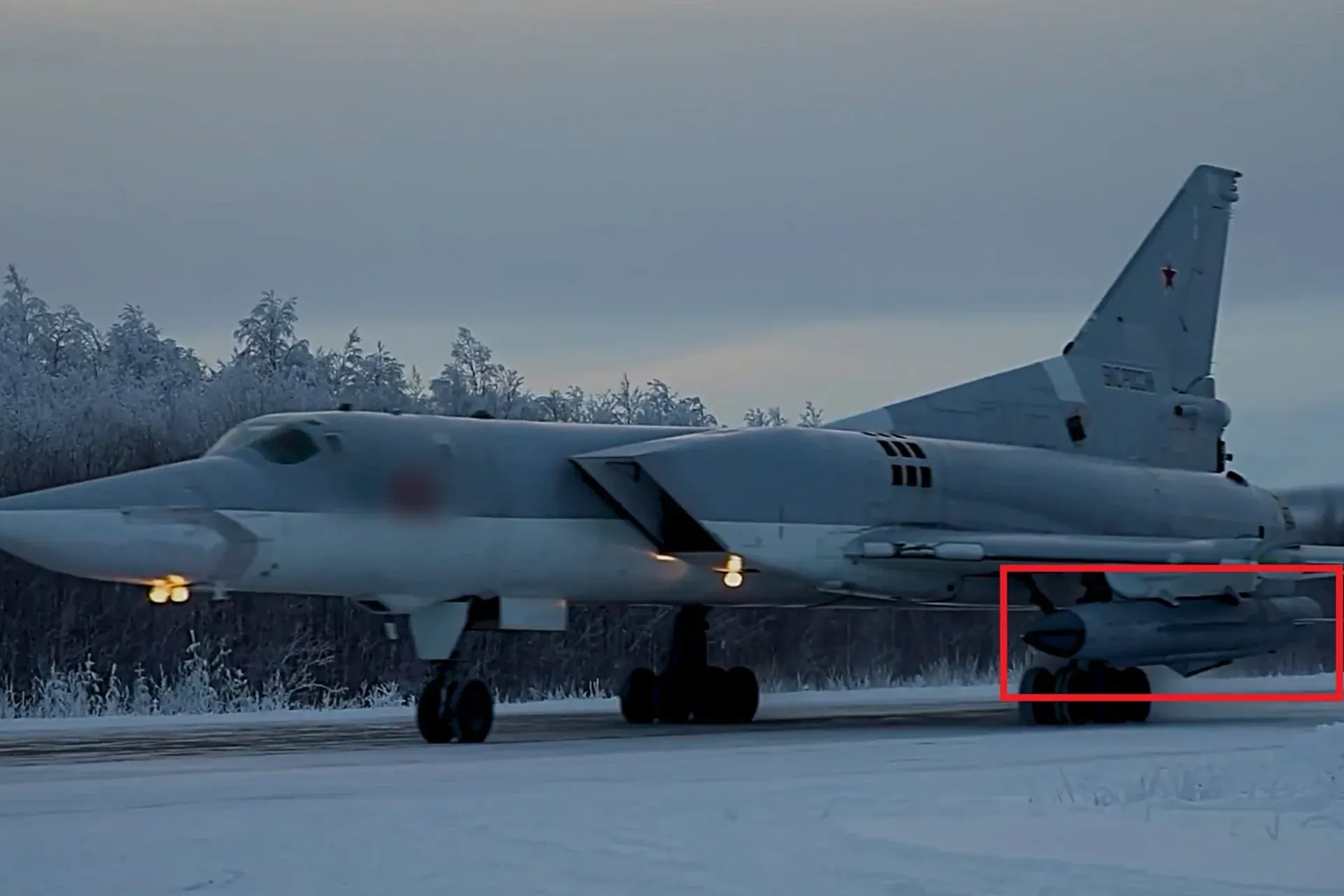
The Tu-22M3 “Backfire-C” is a supersonic, variable-geometry bomber designed to carry stand-off cruise missiles such as the Kh-22 and its modernized successor, the Kh-32.
The Kh-32, introduced in the 2010s, has an estimated range of up to 1,000 kilometers and is engineered to resist electronic interference while flying at high altitudes and speeds. Its terminal dive profile is intended to overwhelm naval air-defense systems by reducing interception time.
Fighter escorts Su-35S and Su-27 expanded the formation’s radar coverage and provided defensive support. Together, the group rehearsed a long-range maritime strike profile aimed at simulating the ability to target NATO naval or infrastructure sites from outside most standard engagement zones.
Earlier, a Russian Tu-160 nuclear-capable strategic bomber conducted an 11-hour patrol over international waters in the Arctic Ocean, according to Russia’s Ministry of Defense. As reported by Army Recognition, the mission was part of routine long-range aviation training but is seen by NATO as strategic signaling amid Russia’s continued military buildup in the High North.
Discuss this article:
-9bd5e1532102621f8fb1c4ba871a3171.png)


-c439b7bd9030ecf9d5a4287dc361ba31.jpg "Photo of Katherina Popilnichenko")