- Category
- Latest news
Russia’s Resettlement Program Sees Sharpest Decline in 15 Years
 Prefer U24 Media on Google
- Authors


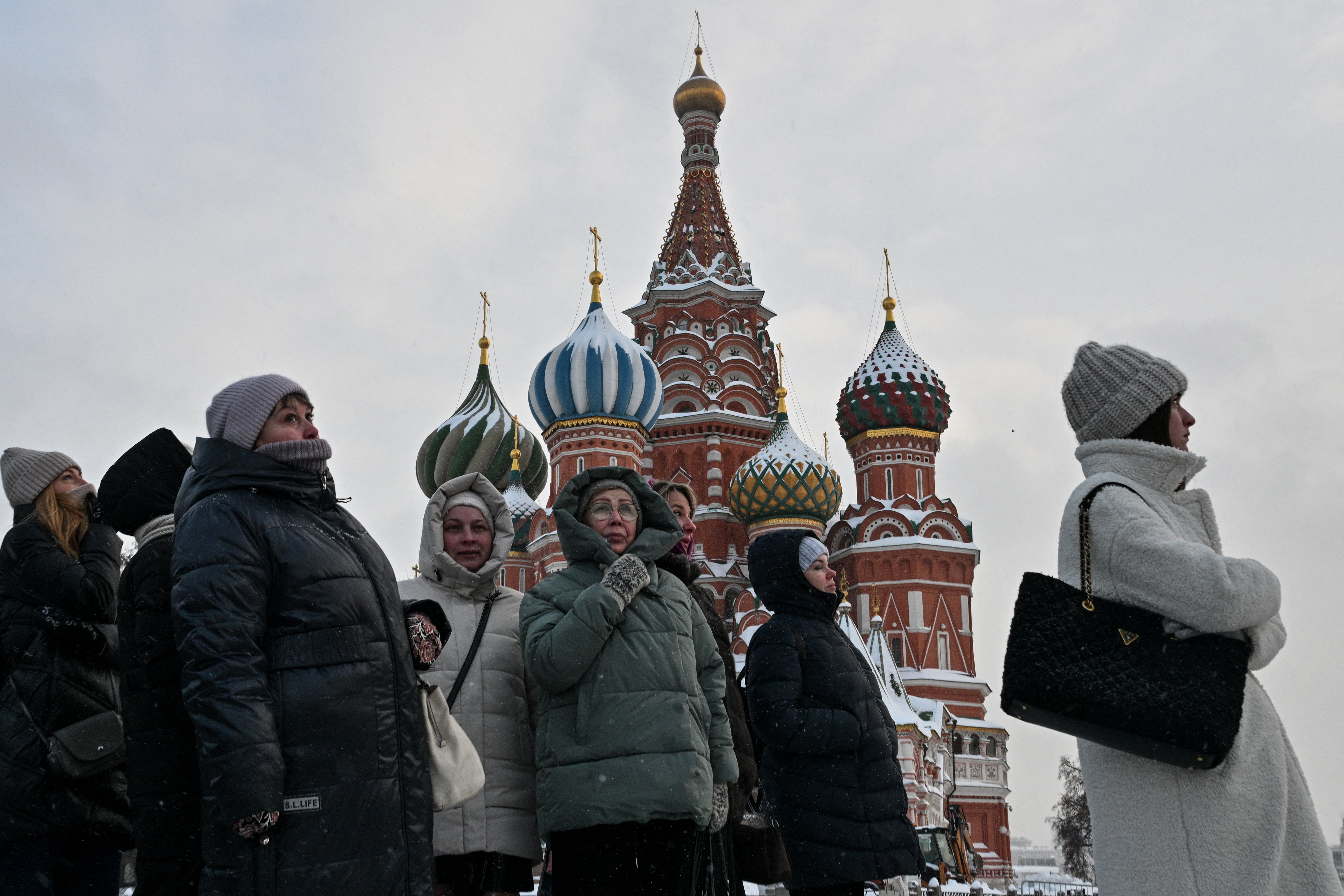
Russia’s attractiveness as a relocation destination for citizens from both neighboring and more distant countries continues to decline.
According to Interior Ministry of Russia, in 2025, approximately 26,700 people relocated to the country under the state-run compatriot resettlement program — nearly 16% fewer than in the previous year, as reported by The Moscow Times on February 16.
We bring you stories from the ground. Your support keeps our team in the field.
The 2025 figure represents the lowest level since 2010, when 13,000 people relocated through the scheme. It is also almost three times lower than in 2021, before the full-scale war against Ukraine, when 78,500 individuals resettled in Russia under the program.
Official statistics show a consistent downward trend since the beginning of the war. In 2022, 64,800 people participated in the program; in 2023, the number declined to 45,100; and in 2024, it fell further to 31,700.
Last year, most participants came from Kazakhstan, accounting for roughly 35% of the total, according to The Moscow Times. They were followed by migrants from Kyrgyzstan (nearly 11%), Turkmenistan (9.6%), Uzbekistan (9.5%), Tajikistan (9.2%), and Armenia (8.3%). The remaining 17.4%, or 4,645 people, arrived from Azerbaijan, Germany, Latvia, Lithuania, Estonia, Israel, Georgia, Belarus, and Ukraine.
The state resettlement initiative, launched in 2007, was designed to support regional development and address demographic challenges. It is open to former Soviet citizens, as well as emigrants from the RSFSR, the Soviet Union, and the Russian Republic who later obtained foreign citizenship or became stateless. Immediate family members are also eligible to relocate.
-226ee9bd877d87e388417d2a5e1c42f9.jpg)
Over the lifetime of the program, more than 1.2 million people have moved to Russia under its provisions. Participants can apply for Russian citizenship through an expedited process, typically within nine to twelve months. Under standard procedures, applicants must reside in the country for at least five years before seeking citizenship, as reported by The Moscow Times.
Konstantin Zatulin, deputy chair of the State Duma Committee on CIS Affairs, Eurasian Integration, and Relations with Compatriots, said the war against Ukraine has directly influenced relocation decisions.
Stanislav Pritchin, head of the Central Asia sector at the Institute of World Economy and International Relations, noted that residents of CIS countries are wary of sanctions-related risks, restrictions on international travel, and limitations on business activity and access to familiar goods in Russia.
“Those who are postponing a decision to relocate or obtain a Russian passport for these reasons are clearly waiting. Perhaps when the geopolitical situation stabilizes, we will see some stabilization and a renewed trend of compatriots from post-Soviet countries moving to Russia,” Pritchin said, according to the outlet.
Earlier, it was reported that Western sanctions are having a “significant impact” on Russia’s economy, the European Union’s sanctions envoy has said, as the fourth anniversary of Moscow’s full-scale invasion of Ukraine approaches.
Discuss this article: