- Category
- Latest news
Russia's Withdrawal From Anti-Torture Convention Signals Embrace of Repression, Says Ukraine’s Ombudsman
 Prefer U24 Media on Google
- Authors


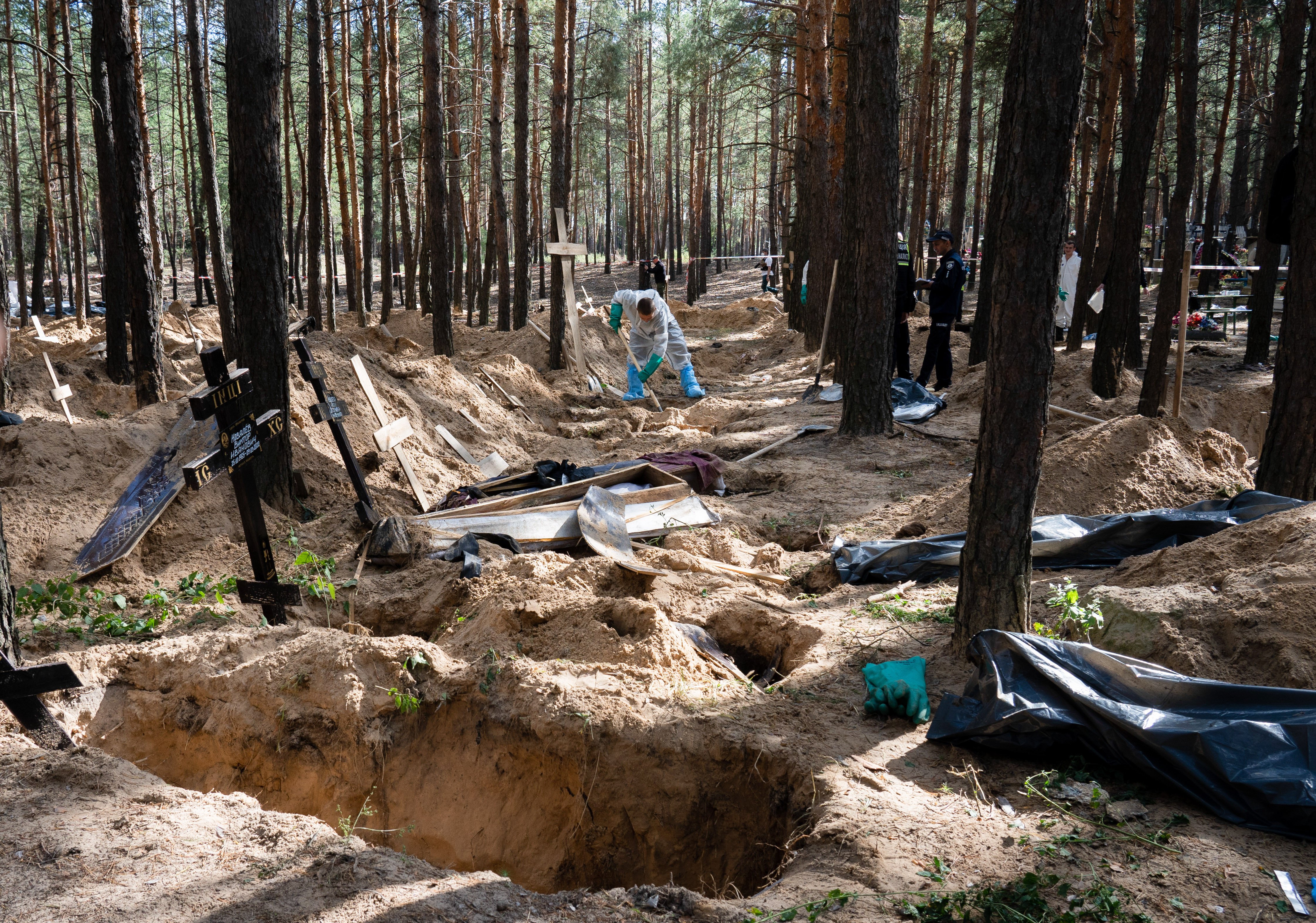
Ukrainian Parliament Commissioner for Human Rights Dmytro Lubinets has condemned Russia’s withdrawal from the European Convention for the Prevention of Torture, stressing that this move clearly demonstrates the Kremlin’s systemic reliance on torture and inhumane treatment.
“Today, the Russian president signed a law withdrawing Russia from the European Convention for the Prevention of Torture. This decision is not just a legal formality but a demonstrative step that removes the last ‘masks’ and confirms: torture is an element of the Kremlin’s state policy,” Lubinets wrote on Telegram on September 29.
He underlined that the European Convention for the Prevention of Torture is not only a legal instrument banning cruel and degrading treatment but also an effective mechanism for oversight. The convention is backed by the European Committee for the Prevention of Torture, which operates under the Council of Europe and has the authority to monitor detention facilities.
-b6013e0451ca4c734e6776477f8efb15.png)
“Despite being expelled from the Council of Europe back in March 2022, Russia had formally remained a participant in the convention, which provided legal grounds for international pressure. Now even this possibility is gone. The denunciation means that the Kremlin is deliberately avoiding international oversight and depriving the world of leverage to respond to torture in Russian prisons and in the temporarily occupied territories where Ukrainian prisoners of war and civilians are being held,” Lubinets emphasized.
He pointed out that the Kremlin’s decision sends a clear political signal: Moscow refuses to recognize European standards and no longer feels bound by rules that safeguard human dignity. According to him, this step is an explicit political signal showing Moscow’s refusal to recognize European standards and its abandonment of rules meant to protect human dignity. In his view, rejecting oversight mechanisms during wartime inevitably heightens the risks of mass and systemic human rights violations.
According to the Ombudsman, the international community must intensify its response by using every available instrument, especially those under the United Nations framework.
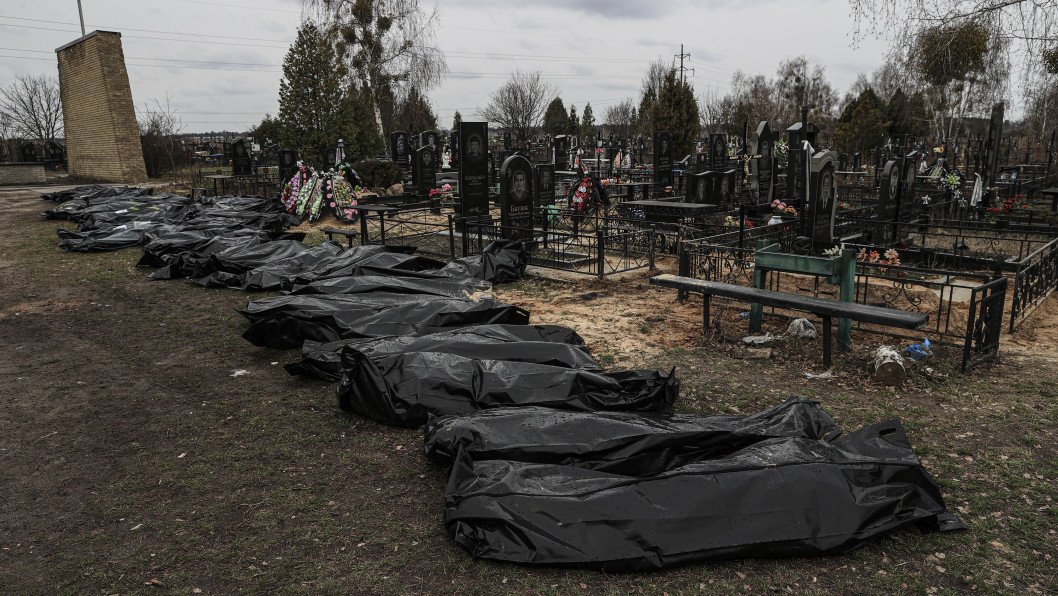
“Russia remains a party to the UN Convention against Torture, so it is necessary to intensify the work of UN mechanisms as well as the International Committee of the Red Cross. It is important to continue documenting torture crimes and submitting evidence to the International Criminal Court, to strengthen personal sanctions against the organizers and perpetrators of torture, and to support the victims as well as the human rights defenders leading this struggle,” Lubinets declared.
Russian leader Vladimir Putin signed a law denouncing the European Convention for the Prevention of Torture and Inhuman Treatment, according to Radio Liberty on September 29.
At the same time, Russian authorities insist that the withdrawal from the convention does not mean the legalization of torture in the country.
Earlier, journalists from The Times uncovered the identities of 13 Russian officers and generals involved in war crimes committed in Bucha, Kyiv region, where Russian forces massacred hundreds of civilians in March 2022 during the early stages of the full-scale invasion.
Discuss this article:

-c439b7bd9030ecf9d5a4287dc361ba31.jpg "Photo of Katherina Popilnichenko")