- Category
- Latest news
Rutte Urges Allies to Boost Ukraine Defense Funding by $60 Billion
 Prefer U24 Media on Google
- Authors


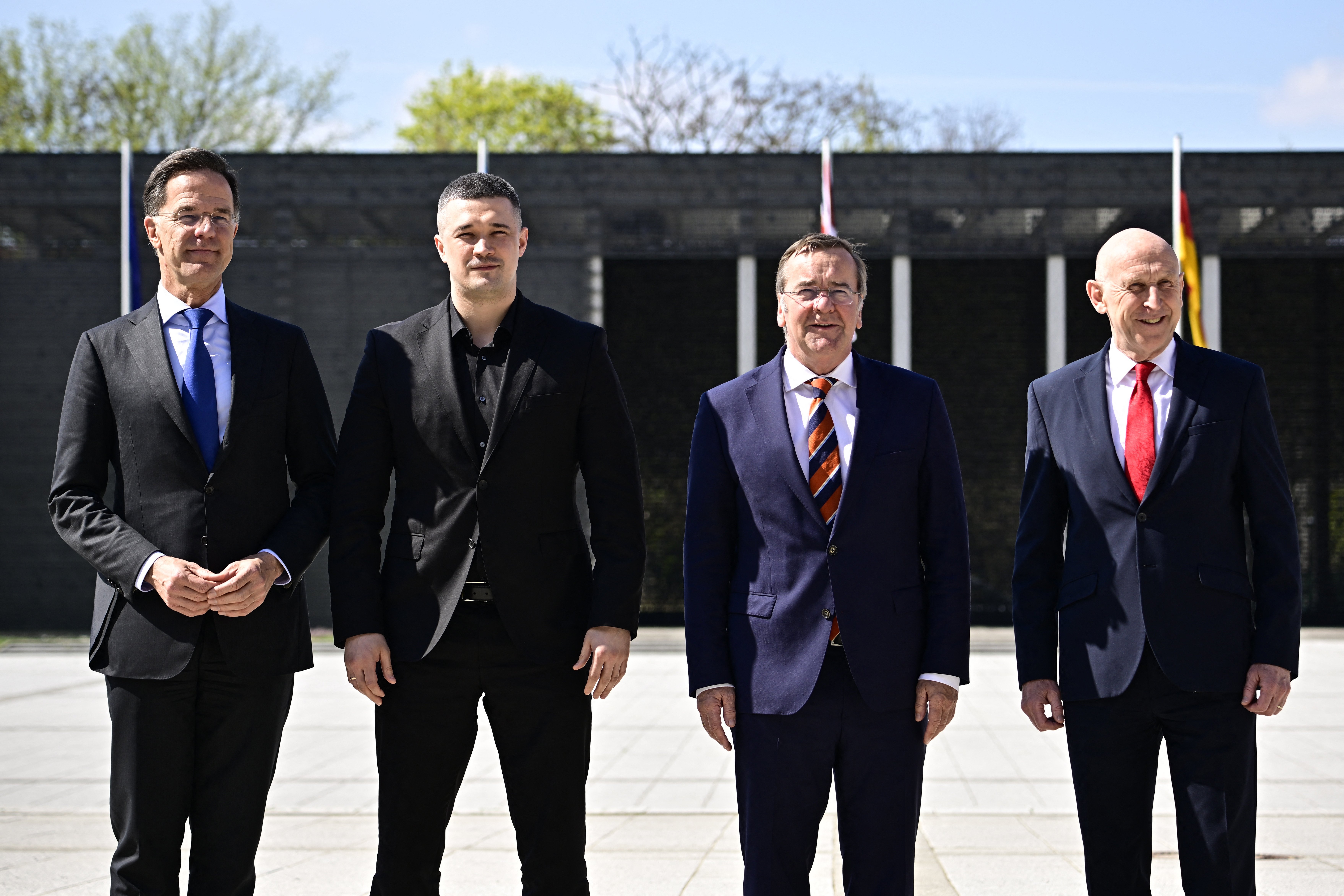
At the start of the latest Ukraine Defense Contact Group meeting on April 15, NATO Secretary General Mark Rutte emphasized the need for countries supporting Ukraine to ramp up investments in defense assistance.
According to a Ukrinform correspondent he urged additional funding of $60 billion for Ukraine’s defense this year, on top of the funds already allocated by the European Union through its joint credit scheme.
We bring you stories from the ground. Your support keeps our team in the field.
“We are seeing how Ukraine is holding the line and inflicting significant losses on the Russian forces,” Rutte stated, noting that Russia's monthly losses now far exceed those sustained over the entire 10 years of the Soviet-Afghan war .
Rutte acknowledged that Ukraine's partners are facing multiple challenges, but stressed the importance of maintaining uninterrupted support for Ukraine. “We cannot lose sight of Ukraine,” he added.
He further highlighted Ukraine’s dual role as both a recipient of aid and a contributor to global security. “Ukraine is ready to assist partners facing similar threats elsewhere, as seen in the Persian Gulf,” Rutte noted.
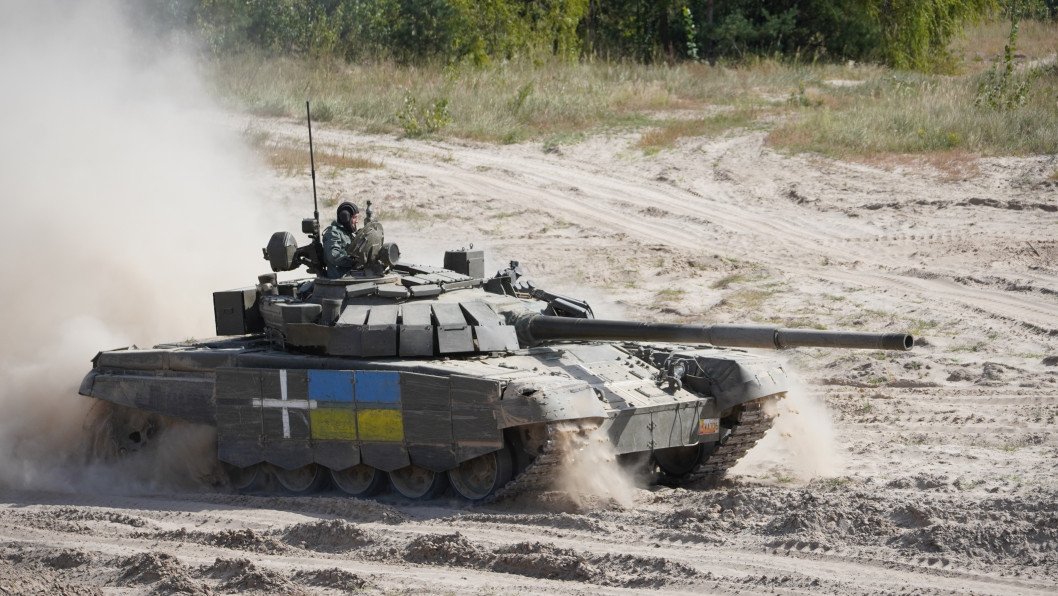
He called on all allies to increase their contributions to reach the target of $60 billion in security and defense support for Ukraine this year. Rutte emphasized that any funds provided through the EU loan must complement the bilateral commitments made by NATO members.
With respect to defense priorities, Rutte stressed the urgent need for air defense systems, drones, and long-range ammunition. He specifically mentioned the PURL initiative, which continues to provide key air defense systems and other critical equipment necessary to counter Russian aggression.
“PURL deliveries are ongoing, but allies and partners need to finance them,” Rutte said, reiterating the importance of continued and increased investment in Ukraine’s defense capabilities to secure the future safety of free and prosperous nations.
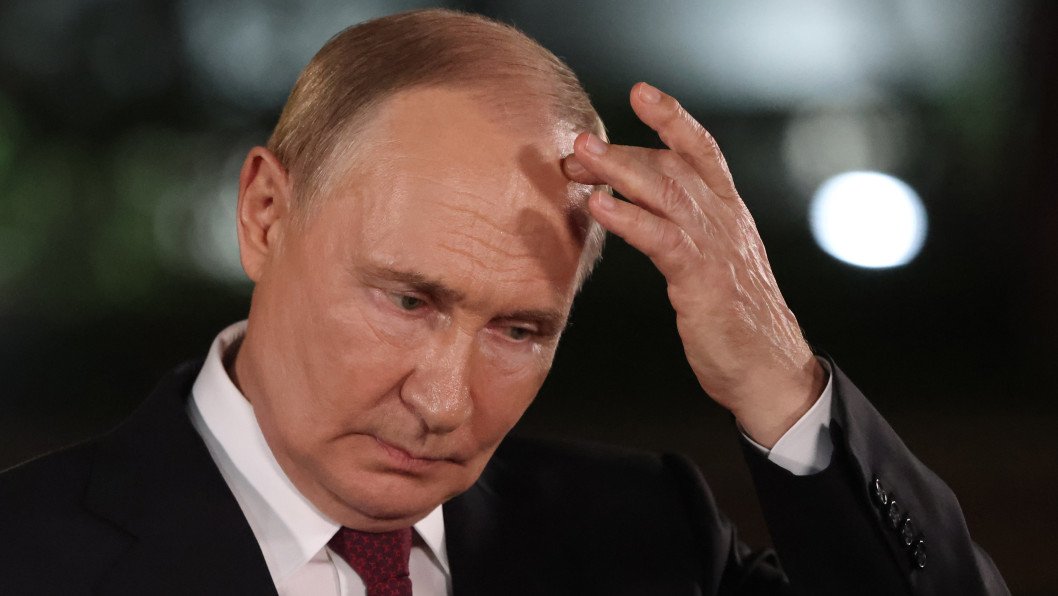
During the same meeting, Ukrainian Defense Minister Mykhailo Fedorov outlined the crucial elements of Ukraine's defense strategy and emphasized the continued need for international support to achieve key military objectives.
Fedorov highlighted the urgency of Ukraine’s approach to the ongoing conflict, underscoring three primary areas of focus: air defense, ground operations, and economic pressure on Russia.
A major aspect of Fedorov’s address was the progress Ukraine has made in bolstering its air defense systems. He praised the performance of the air defense capabilities, noting that the interception rate for cruise missiles now exceeds 80%, while drone interceptions have surpassed 90%.
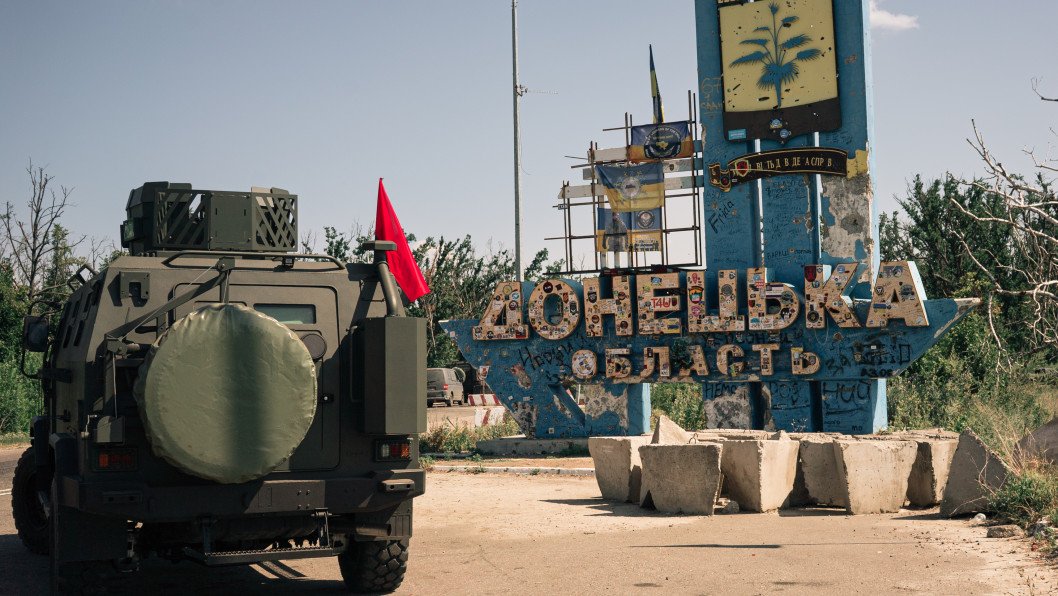
On the battlefield, Fedorov stressed that Ukraine is not just holding its positions but is also intensifying pressure on Russian forces.
“Russian losses have reached a level exceeding the tempo of their mobilization. We are making every meter of Ukrainian land exceptionally costly for the enemy. Today, Russia loses 254 soldiers for every square kilometer, and in Donetsk region—on average 428,” the minister explained.
In addition to addressing military matters, Fedorov emphasized Ukraine's ongoing efforts to apply pressure on Russia's economy, with a particular focus on the energy sector. He noted that Ukraine was actively disrupting logistics and increasing losses to limit Russia's resources for financing the war.
-7f672fc84c868badcd2463eb093c01f3.jpg)
Just one day prior, Ukraine and Germany finalized a landmark defense agreement worth €4 billion ($4.3 billion), designed to enhance Ukraine’s air defense, improve long-range strike capabilities, and kickstart joint drone production, according to Mykhailo Fedorov.
The defense deal covers several key components, including Germany’s commitment to financing the procurement of several hundred Patriot missiles, which will significantly strengthen the protection of Ukraine's cities and critical infrastructure.
Moreover, the agreement also includes the provision of 36 IRIS-T launch systems, further reinforcing Ukraine’s multi-layered air defense network.
Discuss this article:
-9bd5e1532102621f8fb1c4ba871a3171.png)