- Category
- Latest news
Satellite Images Reveal Russia’s Helicopter Graveyard: 71 Mi-8 and Mi-24 Gunships Stored in Syzran
 Prefer U24 Media on Google
- Authors


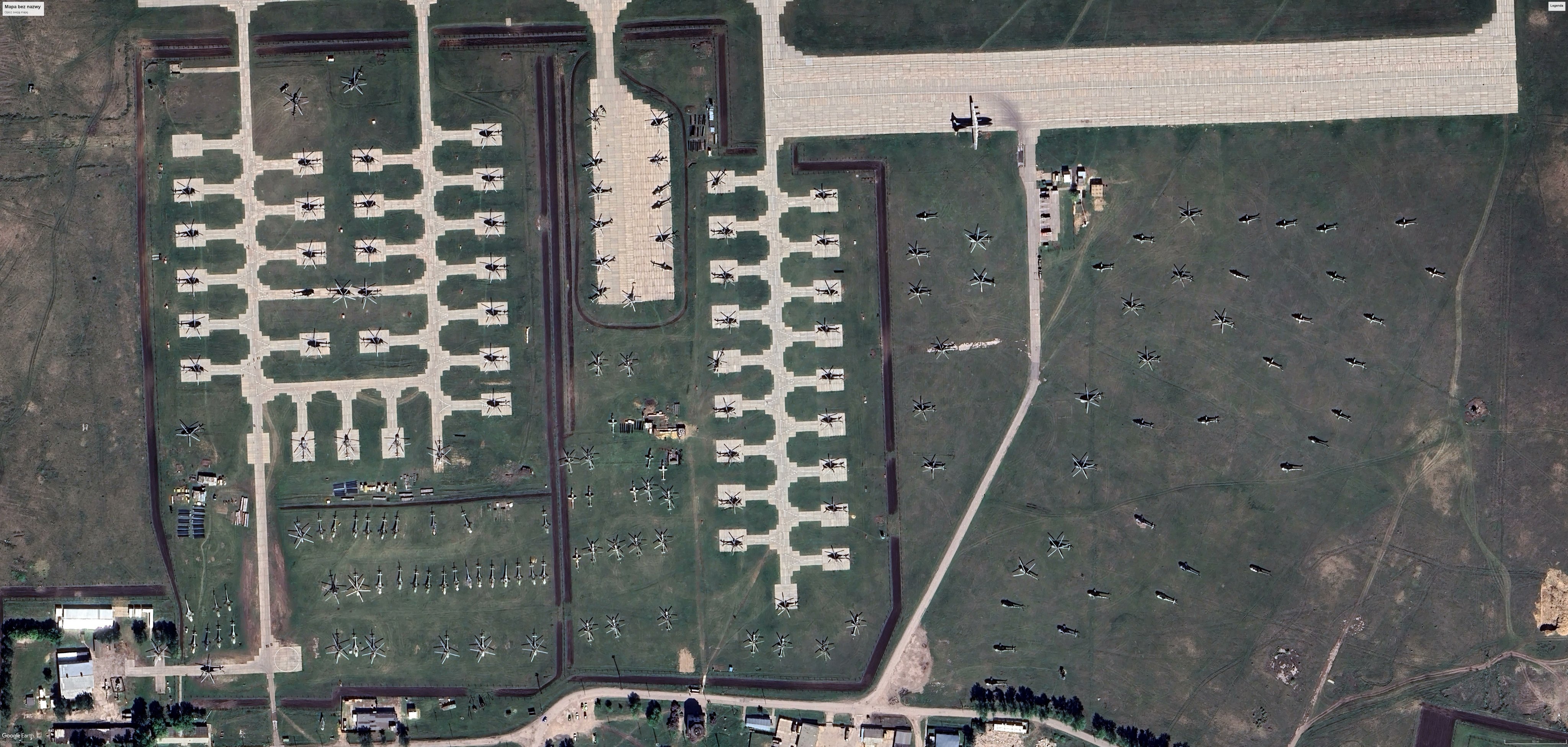
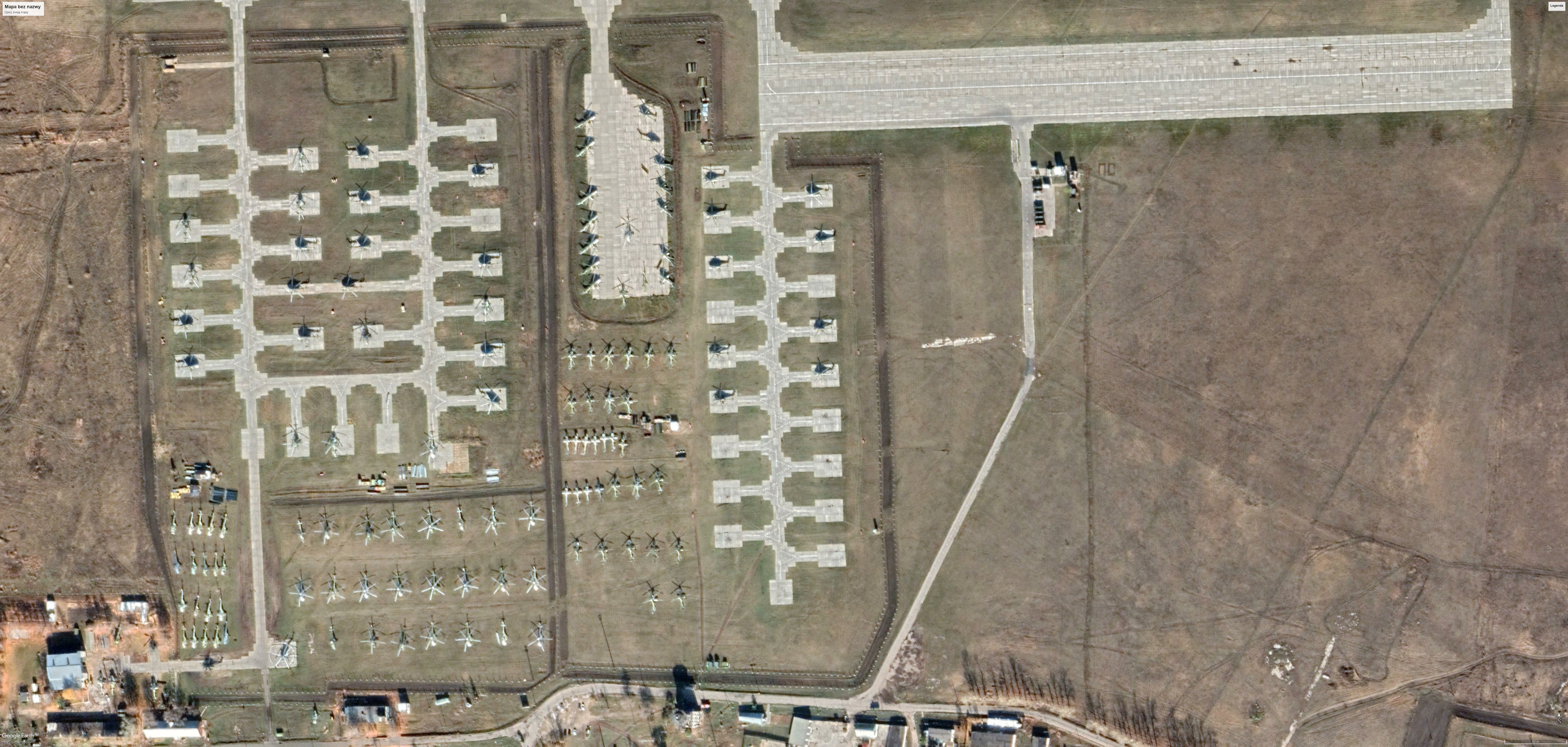
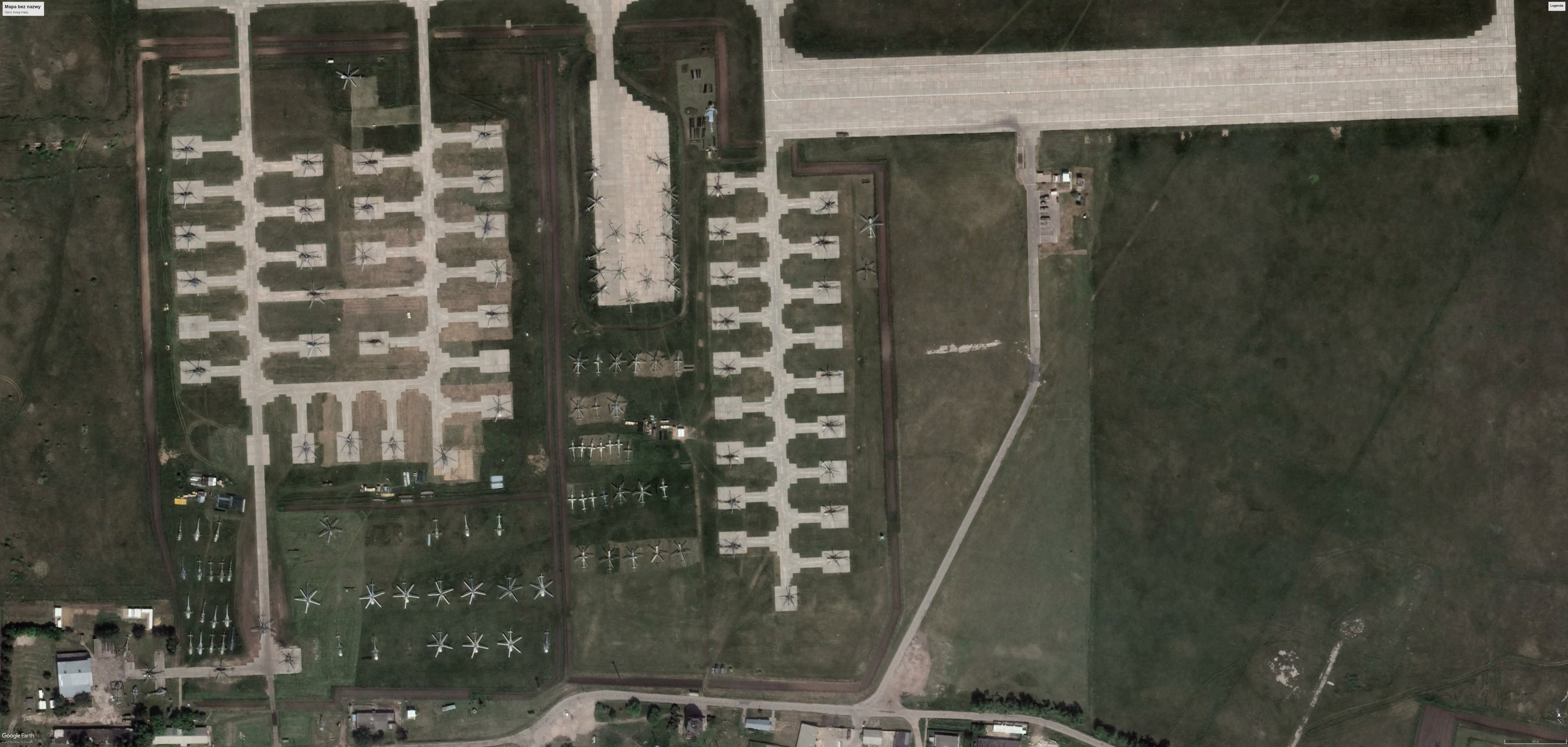
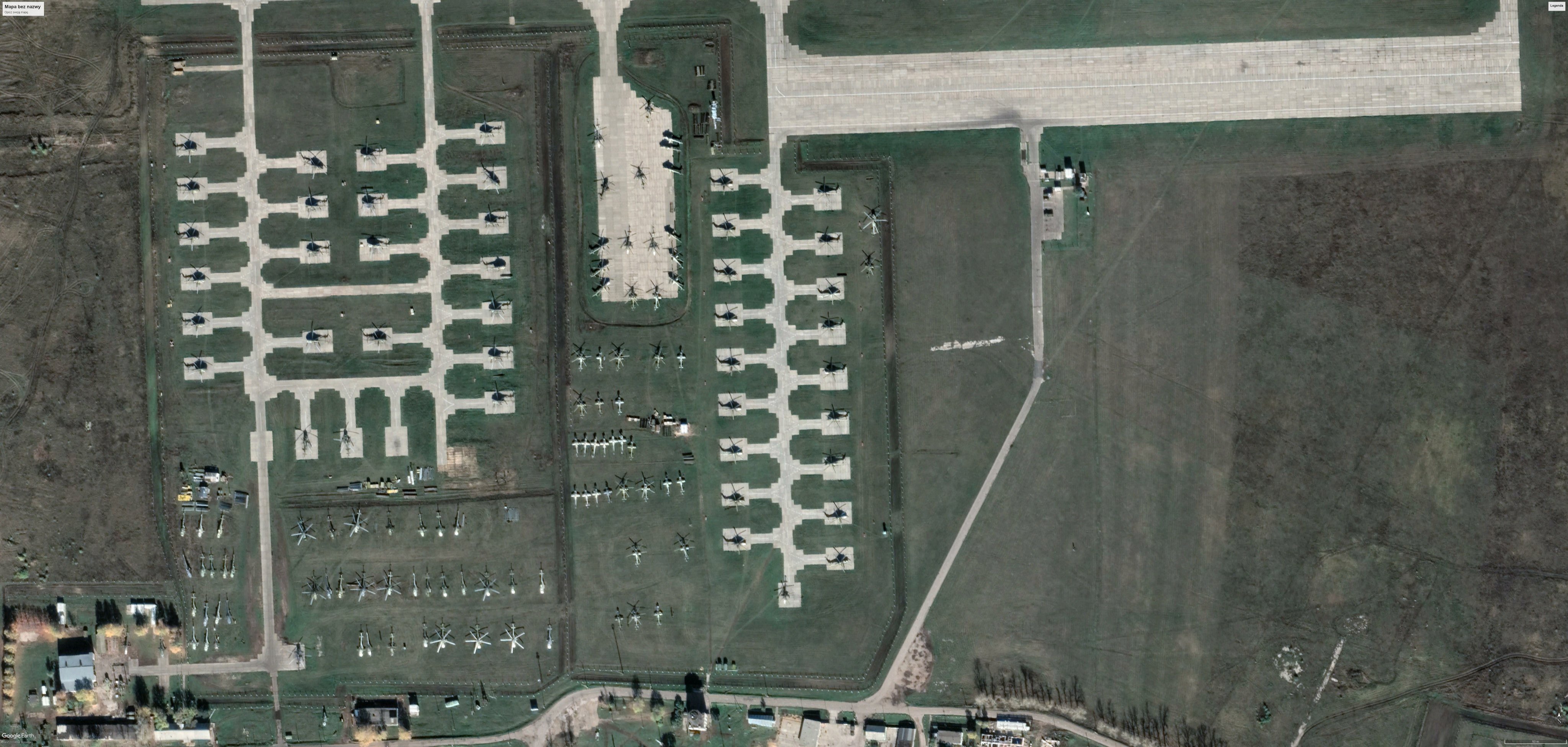
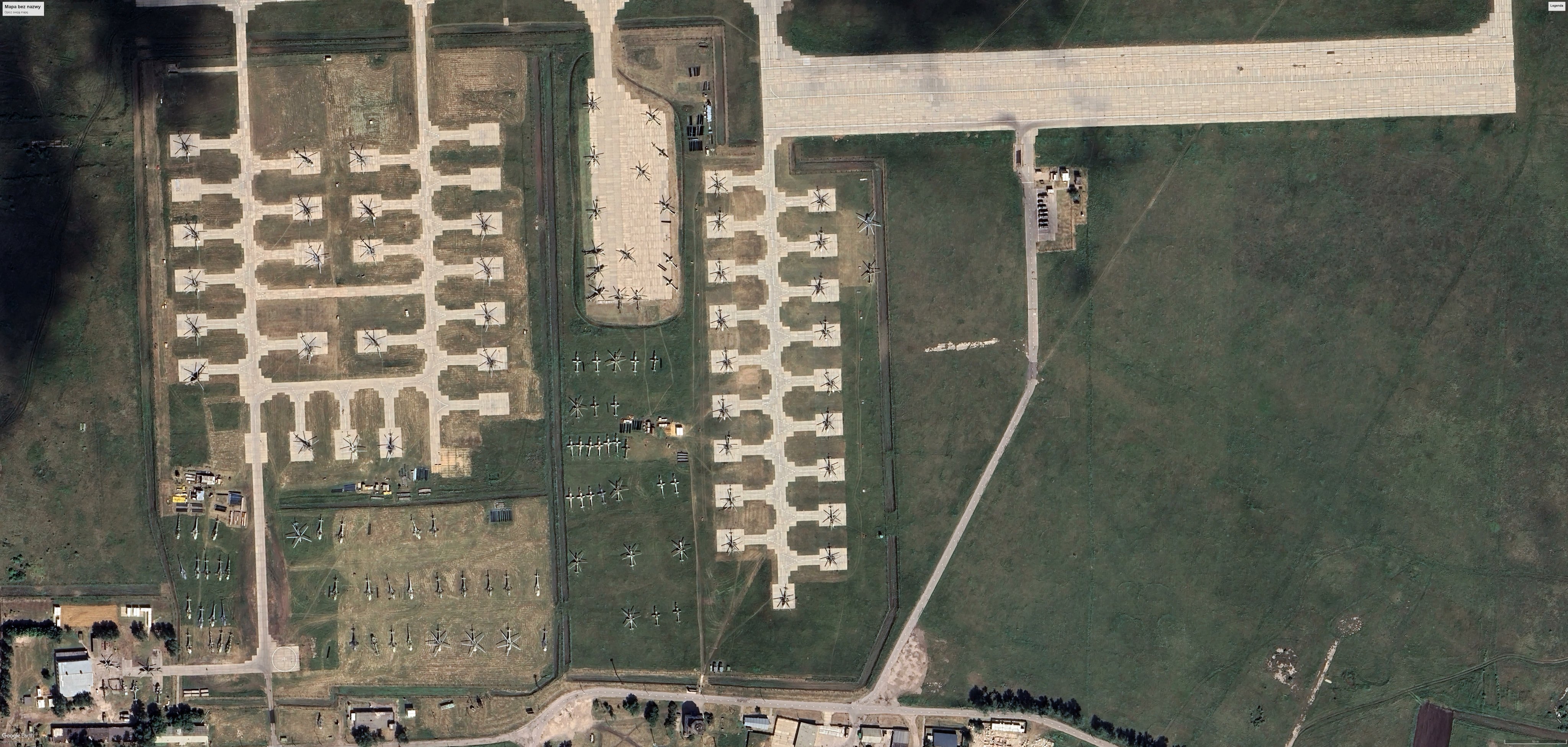
Russia has assembled at least 71 Mi-8 and Mi-24/35 helicopters at a storage facility near Syzran, widely known as a location for grounded or decommissioned aircraft.
According to The Military Watch, new satellite imagery published on January 12, 2026, shows a growing number of helicopters positioned at the site, including 31 airframes that appeared after 2022. The platform noted that many of the helicopters are likely non-operational, potentially used for spare parts or awaiting overhaul.
The aircraft include Mi-8 transport helicopters and Mi-24/35 attack variants. Some are visibly dismantled, supporting assessments that the location is functioning as a long-term storage and cannibalization site.
In a related development, The Military Watch recalls that Russia has made efforts since 2023 to retrieve helicopter engines previously exported abroad. The publication notes that a Russian delegation traveled to Egypt in April 2022 for negotiations with President Abdel Fattah el-Sisi on the return of 150 engines from Egyptian Mi-17s.
Russia also requested four engines from Pakistan (Mi-35M), six from Belarus (Mi-26), and 12 from Brazil (retired Mi-35Ms). However, Brazil’s Ministry of Foreign Affairs later confirmed it declined the request.
While Russia’s Air and Space Forces (VKS) operate an estimated 300 Mi-8 helicopters, the actual number in use is believed to be significantly higher. Other government entities—including the FSB, Border Service, National Guard (Rosgvardiya), and federal ministries—also operate these aircraft across different roles.
The build-up of airframes at Syzran follows consistent losses of Russian helicopters in Ukraine since the start of the full-scale invasion in 2022.
Earlier, Frontelligence Insight reported that Russia’s helicopter plants produced at least 40 Mi-8 helicopters in 2024, based on deliveries to the State Transport Leasing Company. Analysts estimated that even a conservative annual output of 20 helicopters could replace more than half of Russia’s confirmed Mi-8 losses during the war, which total at least 65 units when accounting for unreported incidents and wear.
Discuss this article:
-4a56a6b482ec132402c16ef6fcabf9a2.png)

-72b63a4e0c8c475ad81fe3eed3f63729.jpeg "Photo of Cyril Barabaltchouk")


-2232920be2c2768100ea7818ba05831c.jpg "A large plume of smoke rises near the Gazprom Neftekhim Salavat oil refinery in Russia’s Bashkortostan following a reported attack on October 8, 2026. (Source: Exilenova+)")