- Category
- Latest news
Shark Drone Guides HIMARS Strike on Russia’s Zoopark-1M Counter-Battery Radar Worth $24M, Video
 Prefer U24 Media on Google
- Authors


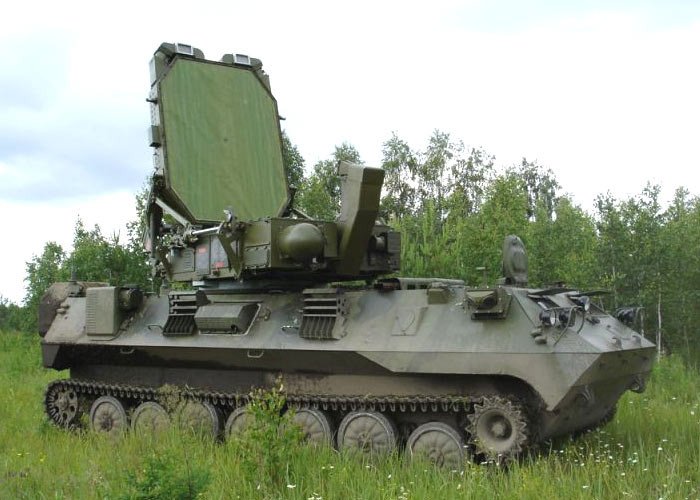
Ukraine’s Defense Forces struck a Russian 1L219 Zoopark-1M counter-battery radar, estimated to be worth approximately $24 million, with precision rocket artillery, according to a video released by the Ukrainain Shadow UAV unit on September 9.
Footage shows a Ukrainian Shark reconnaissance drone tracking the radar system. Once the drone appeared, the Russian crew quickly pulled the vehicle away from its original position, apparently warned of the UAV’s presence.
They moved the radar into cover beneath a tree line, but the drone continued to maintain surveillance. Moments later, the Zoopark-1M came under fire—likely from a US-supplied M142 HIMARS multiple launch rocket system.
The first missile landed short of the target, while the second struck close by. Initial assessments suggest the radar vehicle remained mobile but almost certainly suffered shrapnel damage, particularly to its radar array.
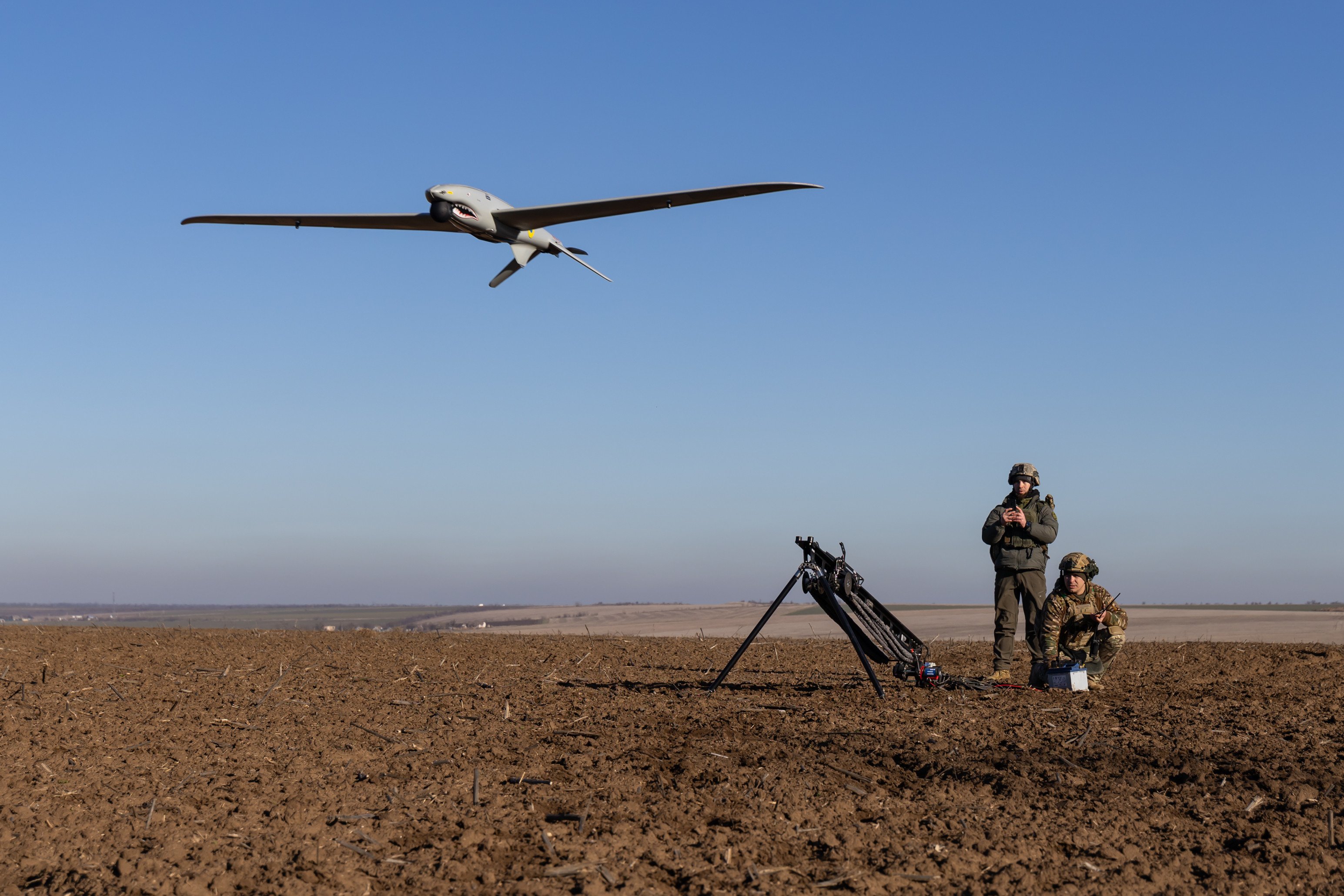
According to the WarArchive project, the strike occurred near the village of Antonivka in Ukraine’s Donetsk region, roughly 25 miles behind Russian lines.
The Zoopark-1 is a Russian counter-battery radar designed to detect and track artillery fire. By analyzing the flight paths of incoming shells, rockets, or mortars, it can pinpoint enemy firing positions and help adjust return fire.
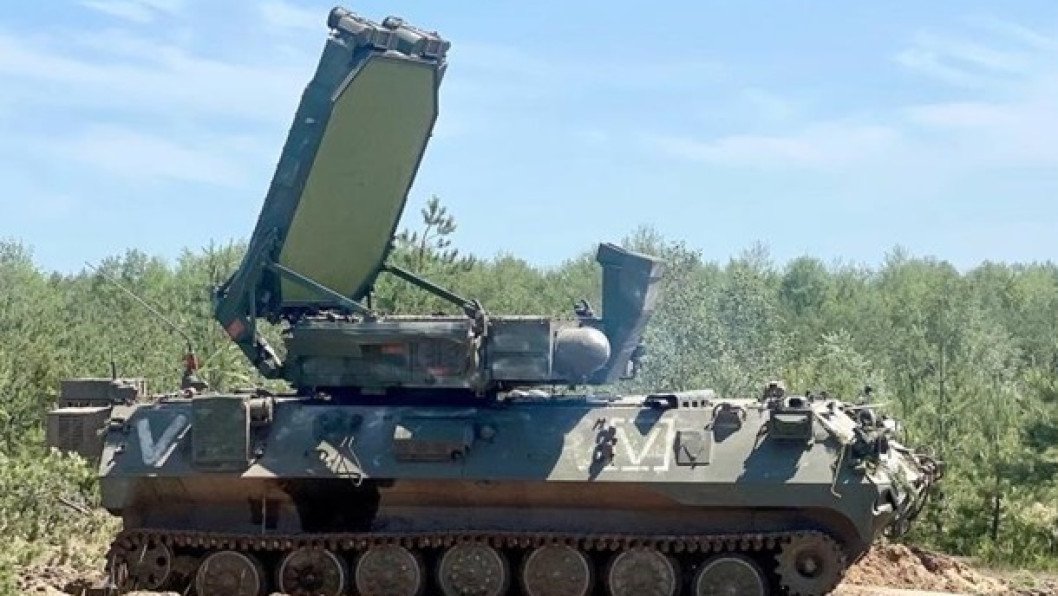
The system is mounted on an MT-LB tracked chassis and equipped with a phased-array antenna capable of detecting up to 70 firing positions per minute while simultaneously tracking four targets.
Russian sources claim that the radar can identify 120mm mortar positions at ranges of up to 17 km, 105mm and 155mm howitzers at ranges of up to 12 km, and launches from Grad or Uragan multiple rocket systems at ranges of 40–45 km.
Earlier, reports emerged that Russian forces have resorted to shielding one of their rare counter-battery radar systems—the Zoopark-1M—using makeshift defenses such as rubber sheets and metal grates in an apparent attempt to protect the system from Ukrainian FPV drones and other strike UAVs.
Discuss this article: