- Category
- Latest news
Slovakia Backs Ukraine Funding—But Leverages Druzhba Pipeline for Sanctions Vote
 Prefer U24 Media on Google
- Authors

-c439b7bd9030ecf9d5a4287dc361ba31.jpg "Photo of Katherina Popilnichenko")
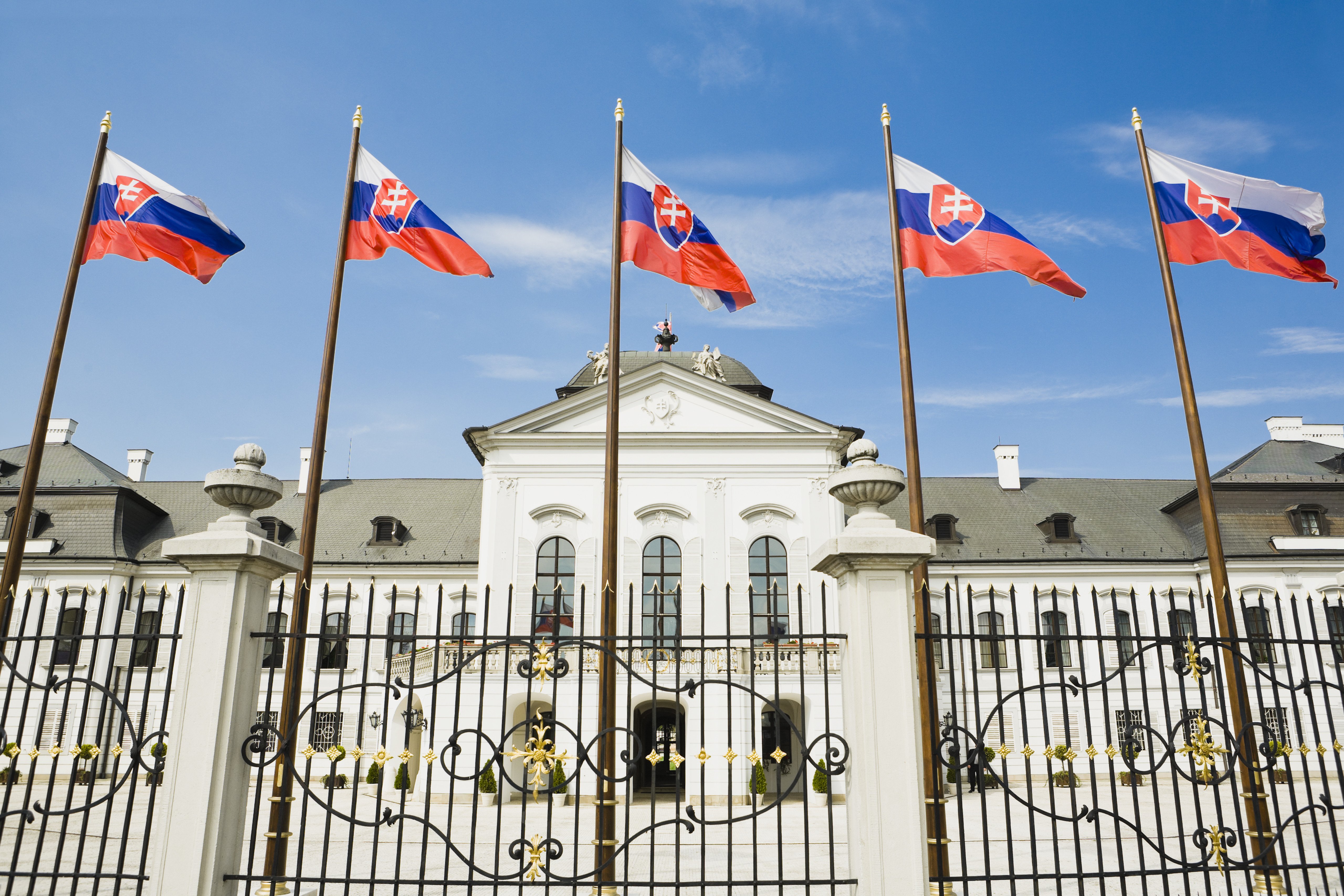
Slovakia has signaled its readiness to obstruct the European Union’s 20th sanctions package against Russia unless the Druzhba oil pipeline resumes operations.
Foreign Minister Juraj Blanár emphasized that Bratislava requires a clear, transparent, and verifiable guarantee of the pipeline's reactivation as a mandatory condition for supporting the sanctions resolution, according to Denník N on April 16.
We bring you stories from the ground. Your support keeps our team in the field.
Slovakia will decline to support the sanctions package if it is submitted for a vote without the restoration of the Druzhba route.
He noted that this stance represents the primary instrument for exerting pressure on Ukraine and the European Commission to ensure the resumption of oil supplies via this corridor following disruptions linked to Russia’s full-scale invasion of Ukraine.
Despite the deadlock over energy supplies, Slovakia does not intend to impede the decision to provide Ukraine with a €90 billion ($106.16 billion) loan.
This financial initiative was previously delayed by Viktor Orbán, but Bratislava anticipates that the political landscape in Hungary has shifted, potentially leading Budapest to favor the funding for Ukraine.
Blanár also refuted claims that Slovakia intends to adopt Hungary's rigid stance toward Ukraine. He clarified that Robert Fico’s recent comments about "taking over the baton" were misinterpreted and do not indicate a plan to obstruct financial aid to Kyiv, reaffirming that Slovakia remains a partner in Ukraine’s economic stability.
Ukrainian President Volodymyr Zelenskyy previously stated that the pipeline could be operational by the end of April after a Russian attack.
However, Slovak Prime Minister Robert Fico has expressed skepticism regarding these projected deadlines, creating a point of contention regarding the restoration of vital energy transit through Ukraine.
Previously, the Ukrainian Ministry of Foreign Affairs responded to criticism from Hungary and Slovakia regarding the disrupted oil transit through the Druzhba pipeline.
Spokesperson Heorhii Tykhyi explained that a Russian strike on critical infrastructure near Brody on January 27 had damaged essential equipment, making further pumping impossible. He noted that while Budapest had been informed of the cause immediately, the Hungarian government continued to blame Ukraine instead of publicly attributing the attack to Russia.
Tykhyi further emphasized that Ukraine had remained a reliable partner, but urged these nations to reduce their "addictive" dependence on Russian crude by utilizing available alternatives like the Adria pipeline.
Discuss this article:
-9bd5e1532102621f8fb1c4ba871a3171.png)