- Category
- Latest news
Soviet Nuclear Sub Still Leaking Radiation Decades After Sinking In The Norwegian Sea
 Prefer U24 Media on Google
- Authors


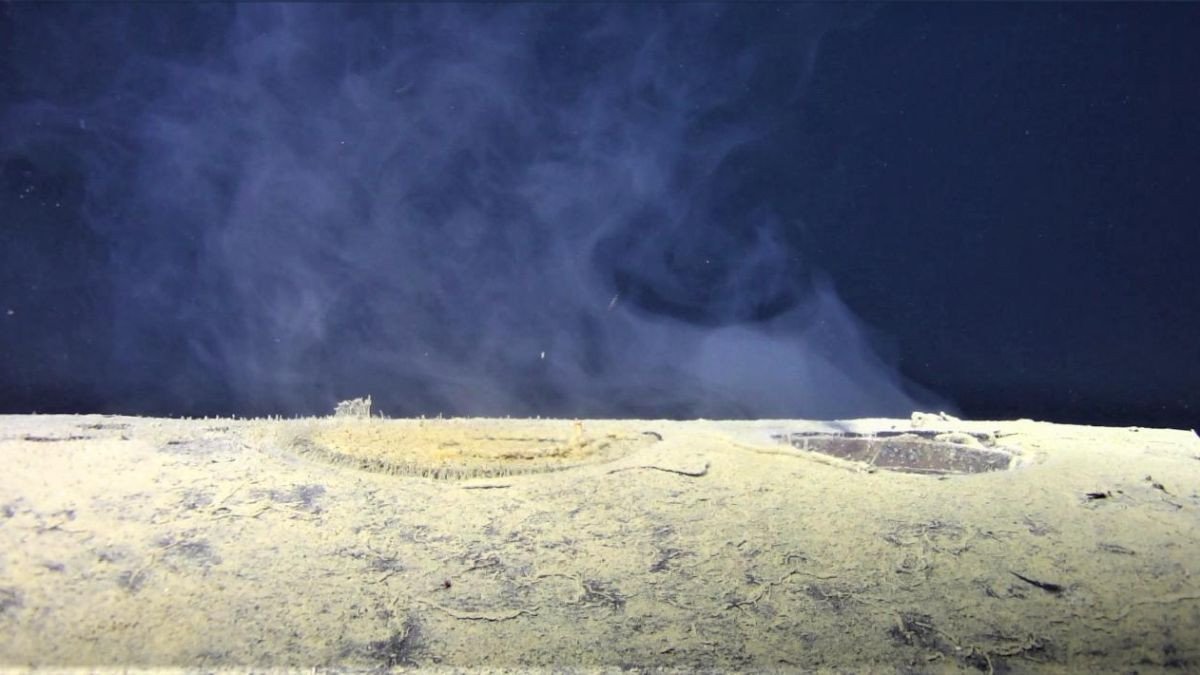
A Soviet nuclear submarine that sank more than three decades ago continues to release radioactive materials into the Norwegian Sea, according to ScienceAlert on March 23.
We bring you stories from the ground. Your support keeps our team in the field.
Researchers studying the wreck of the K-278 Komsomolets have identified ongoing leaks of radioactive substances from the vessel, which has been resting at a depth of approximately 1,680 meters since it sank in 1989 following an onboard fire.
The submarine still contains a nuclear reactor and two nuclear torpedoes. While the torpedoes remain sealed, the reactor compartment is gradually deteriorating, leading to intermittent releases of radioactive materials into the surrounding water.
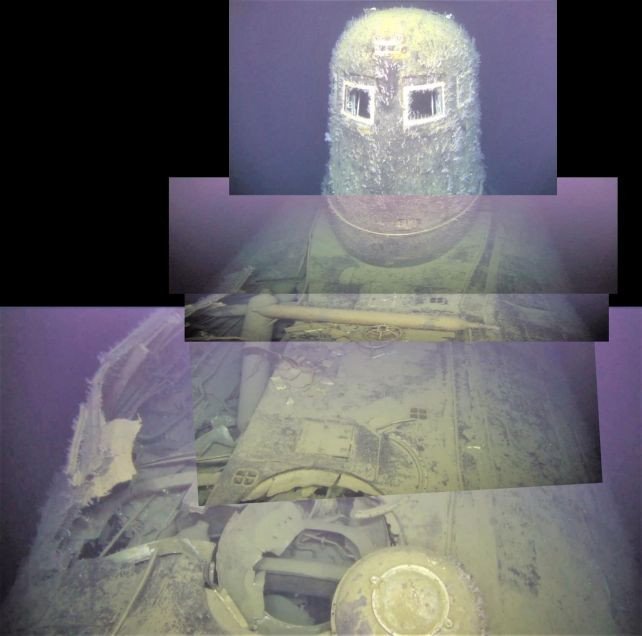
According to ScienceAlert, the leaks are not continuous but occur as sporadic discharges from specific sections of the hull, including a ventilation pipe and the reactor area. During underwater inspections, researchers observed visible plumes of contaminated water emerging from the wreck.
Analysis of water samples collected near the submarine revealed elevated concentrations of radioactive isotopes, including strontium, cesium, uranium, and plutonium.
Levels of certain isotopes in the immediate vicinity of the vessel exceed typical background concentrations by hundreds of thousands of times. However, these levels drop sharply within a short distance, as radioactive elements become diluted in seawater.
According to ScienceAlert, the findings are based on long-term monitoring conducted by Norwegian radiation safety authorities and marine researchers. Data indicates that uranium and plutonium ratios suggest ongoing corrosion of nuclear fuel within the reactor.
Despite the localized spikes in radiation, researchers have not identified significant accumulation of radioactive materials in the broader marine environment. Samples taken from marine organisms living on and around the wreck—such as sponges, corals, and anemones—show only slightly elevated cesium levels and no visible signs of damage.
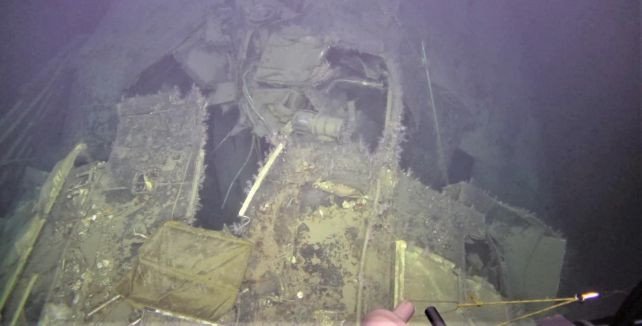
The submarine sank in April 1989 after a fire onboard, resulting in the deaths of most of its crew. Since then, it has remained one of the deepest and most technically challenging radioactive wrecks to study in the world’s oceans.
According to ScienceAlert, researchers emphasize that while the current environmental impact appears limited, the condition of the submarine is expected to worsen over time. Continued structural degradation could increase the risk of more substantial radioactive releases in the future.
The site has been monitored since the 1990s, including a detailed survey conducted in 2019 using the remotely operated vehicle Ægir 6000, which collected water samples and assessed structural damage to the hull.
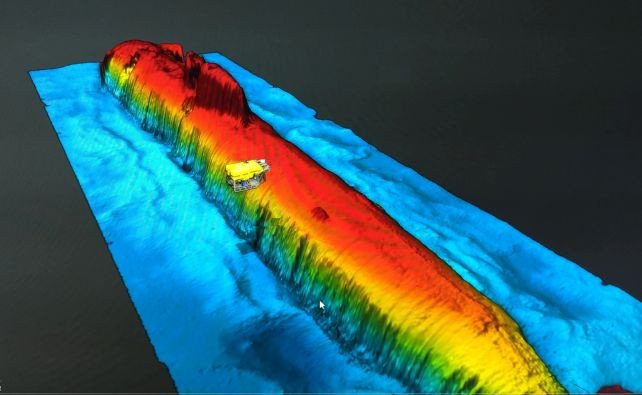
Scientists consider the K-278 wreck an important case study for understanding the long-term risks posed by sunken nuclear reactors, particularly in Arctic and deep-sea environments where recovery or containment operations remain highly complex.
Earlier, according to RBC on October 18, Russia announced plans to begin preparations in 2026 to raise two Soviet-era nuclear submarines—K-27 and K-159—from Arctic waters, with recovery operations expected to start in 2027 as part of a federal program aimed at addressing radioactive contamination on the seabed.
Discuss this article:
-9a7b3a98ed5c506e0b77a6663f5727c5.png)


-c439b7bd9030ecf9d5a4287dc361ba31.jpg "Photo of Katherina Popilnichenko")


