- Category
- Latest news
Sweden Warns: Next Russian Jet Crossing Its Skies Will Be Shot Down
 Prefer U24 Media on Google
- Authors


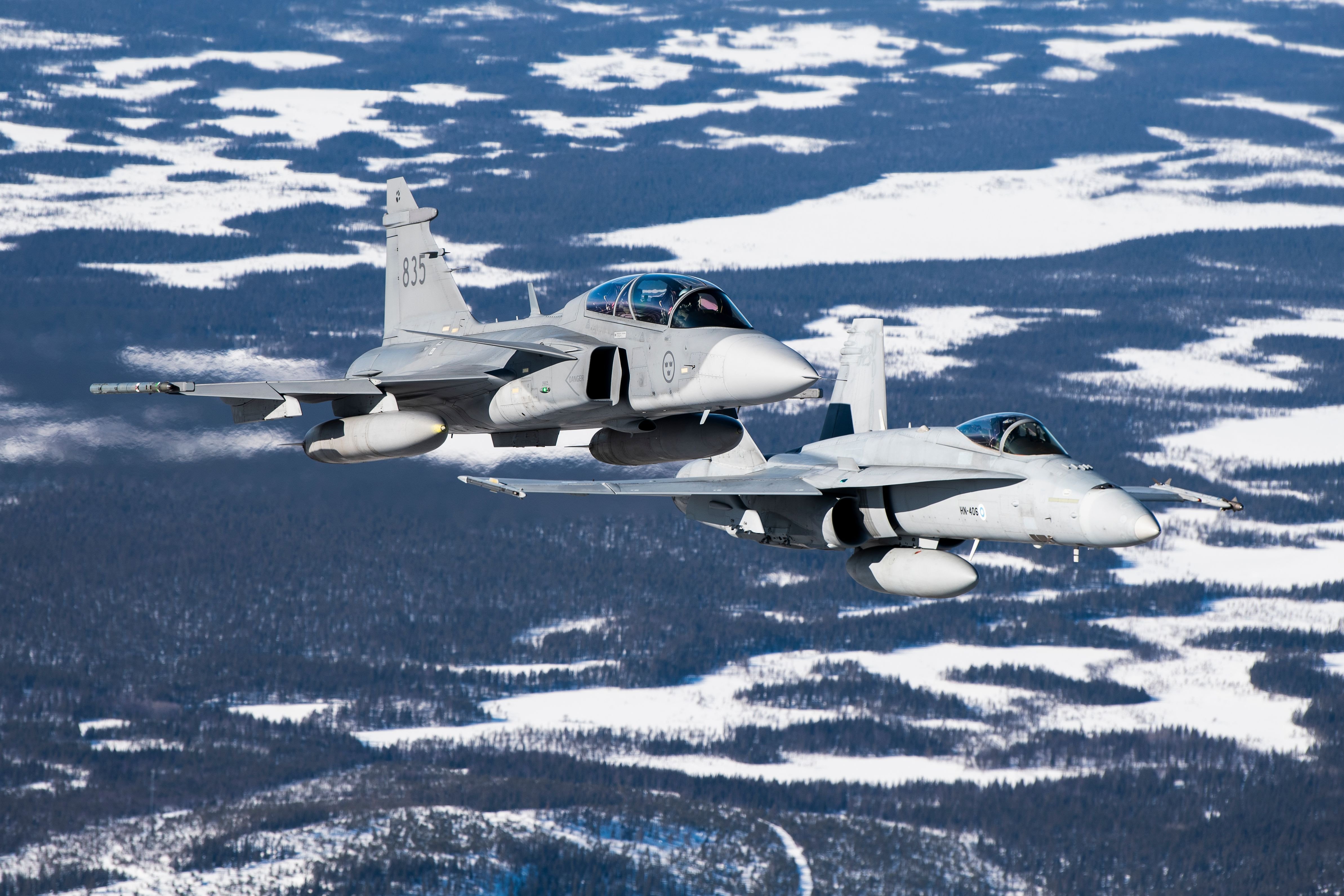
On September 23, Sweden’s Minister of Defense Pål Jonson announced that Swedish forces will engage and shoot down Russian aircraft if they cross into the country’s airspace, Aftonbladet reported.
According to the Swedish Ministry of Defense, this directive formalizes the application of Sweden’s IKFN regulations, which outline rules of engagement for the armed forces.
The move follows recent Russian incursions into NATO airspace, including drone and jet violations over Estonia, Poland, and Romania earlier in September.
Sweden will rely on its fleet of Saab JAS 39 Gripen multirole fighters to enforce the policy. The aircraft are equipped with active electronically scanned array radars, Meteor beyond-visual-range missiles, and IRIS-T short-range systems, giving them capability against high-speed targets such as Russian MiG-31 and Su-35 jets.
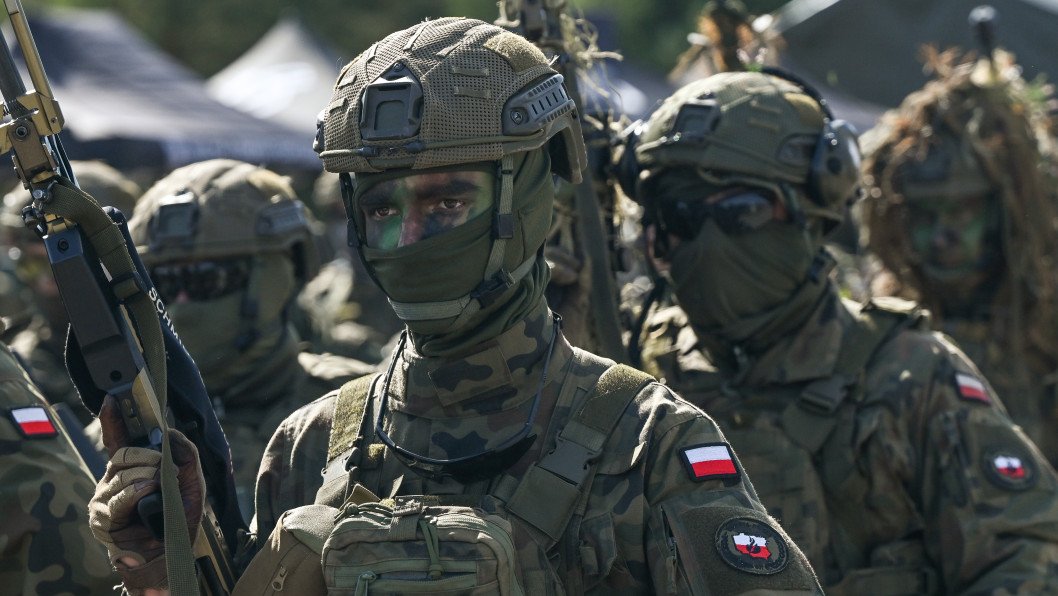
The Gripen’s ability to operate from dispersed bases is seen as a key advantage in maintaining resilience under pressure.
According to Aftonbladet, Sweden’s position reflects both its recent integration into NATO and its longstanding emphasis on air defense. During the Cold War, Swedish neutrality was underpinned by rapid interception readiness, and that practice continues today.
The latest reported incident, in which three Russian MiG-31 aircraft entered Estonian airspace for 12 minutes on September 19, underlines the frequency of violations across the Baltic region.
Earlier, Polish authorities reported that 19 Russian drones crossed into their airspace on September 10. The Polish Air Force engaged several with onboard weapons, while NATO responded by activating Article 4 of the North Atlantic Treaty, triggering allied consultations.
Discuss this article:


-c439b7bd9030ecf9d5a4287dc361ba31.jpg "Photo of Katherina Popilnichenko")