- Category
- Latest news
The World’s Most Powerful Non-Nuclear Missile Is Going Live—and It’s South Korean
 Prefer U24 Media on Google
- Authors


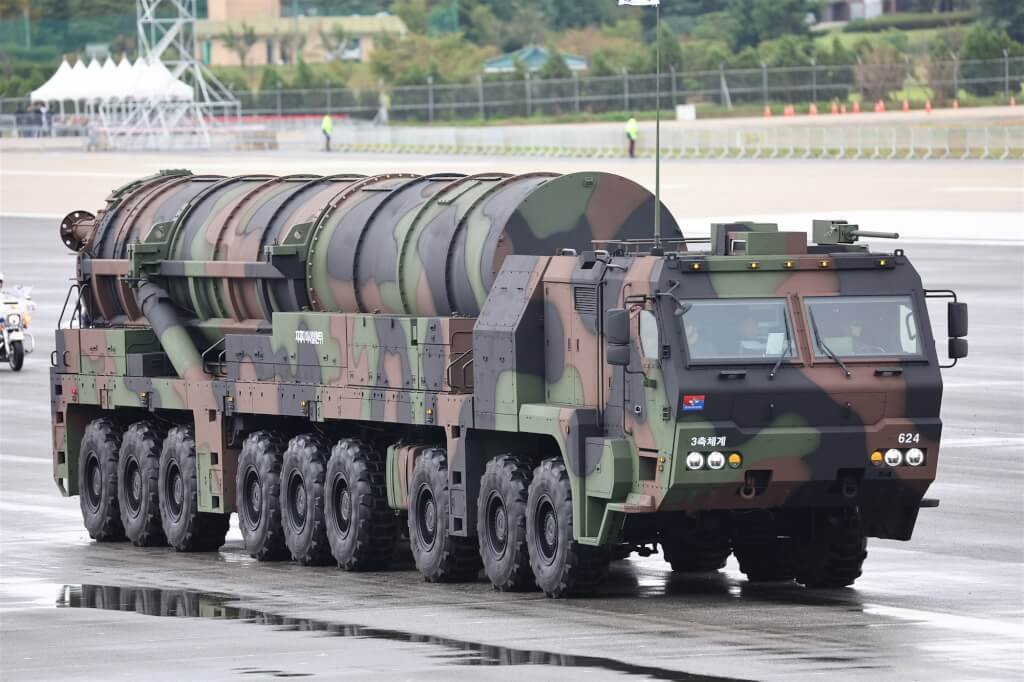
South Korea’s defense ministry says the country will begin putting the Hyunmoo-V—a heavy, conventional ballistic missile—on operational alert by the end of the year, with the system now moving through force integration, Defence Blog reported, citing the nation’s defense minister on October 18.
The minister warned that a concentrated salvo of the new missiles would produce effects comparable to—or even exceeding—those of a tactical nuclear weapon.
Hyunmoo-V, the most lethal conventional missile ever devised, a Gift for Kim, the End of Dynasty, the Earthshaker... it has many intriguing names since its existence was leaked. I wonder when they will reveal the development schedule and deployment status of their hidden V… pic.twitter.com/naHic7LWY8
— Mason ヨンハク (@mason_8718) June 10, 2025
“A simultaneous launch of 15–20 such missiles could cause destruction comparable to, or even greater than, the effect of tactical nuclear weapons,” he said.
Seoul plans to buy roughly 200 Hyunmoo-V missiles and to fit the launcher on future strike ships being developed by Hanwha Ocean, officials say. The government also intends to continue improving the rockets’ range and payload as part of a broader strategic-deterrence push.
What Hyunmoo-V is and what it can do
The Hyunmoo-V is a South Korean medium-range ballistic missile family member built for hard, deeply buried targets—command bunkers, missile bases, and other fortified facilities.
Its design emphasizes kinetic penetration: warheads are made from dense, tough metals intended to punch through heavy protection using sheer momentum.
The missile weighs roughly 36 tons and carries an 8–9 ton warhead in its heaviest configurations. Visually, Hyunmoo-V measures about 15–16 meters long and about 1.6 meters in diameter.
In a light-warhead configuration, official figures put the missile’s range above 3,000 km. With heavier warheads, South Korean authorities do not publish official ranges; outside analysts estimate such a configuration could reduce range to roughly 300 km.
Hyunmoo-V uses a “cold-launch” system: the round is ejected from its canister, and the main engine ignites after the missile reaches a safe altitude.
The Hyunmoo family traces back to 1986 and now includes five variants—the V model is South Korea’s heaviest, highest-capacity conventional option.
Why Seoul is building it
Seoul frames Hyunmoo-V as part of a broader shift toward stronger conventional deterrence that can hold hardened sites at risk without resorting to nuclear arms.
Officials say continued upgrades to range and payload are part of a strategy to strengthen South Korea’s ability to credibly punish or neutralize critical enemy infrastructure if deterrence fails.
Deployment and platform plans
South Korea plans to deploy Hyunmoo-V launchers on land and to integrate them into a planned Joint Strike Ship under development by Hanwha Ocean, expanding the missile’s flexibility and survivability at sea as well as onshore.
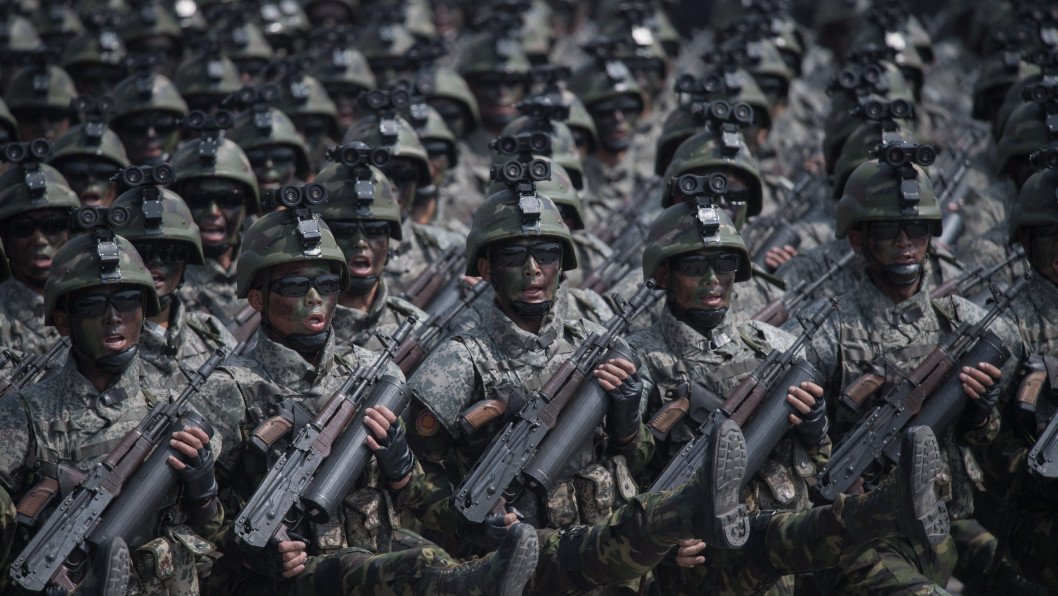
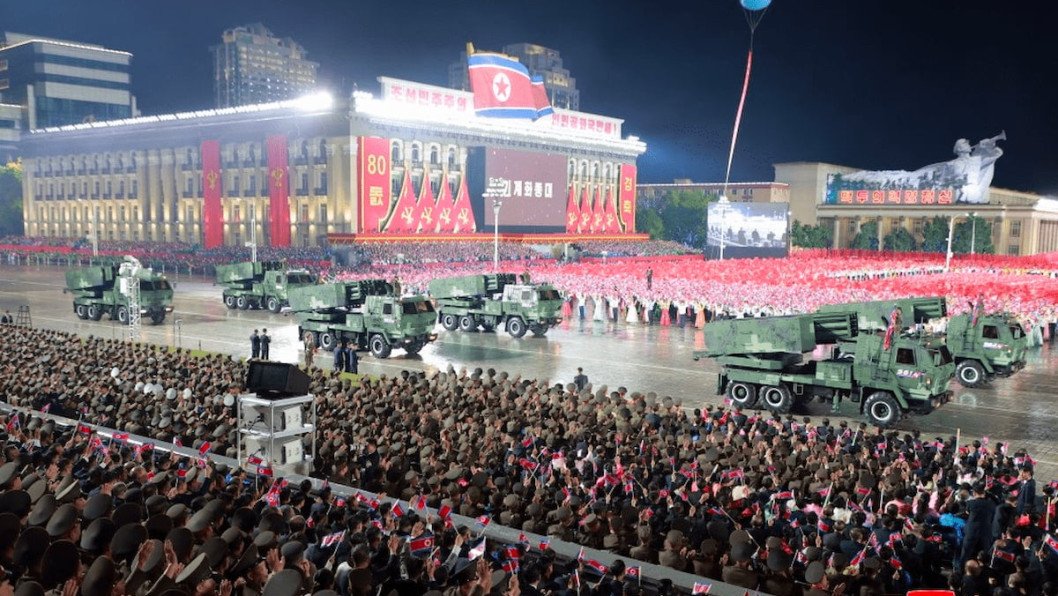
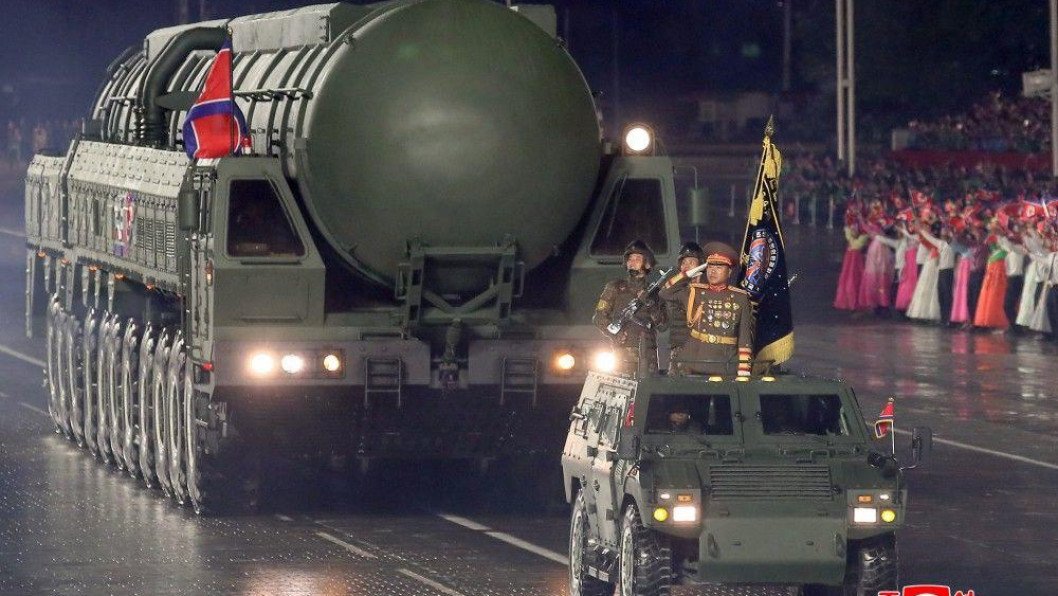
Earlier, reports emerged that North Korea obtained technological support from Russia in developing its new intercontinental ballistic missile (ICBM), the Hwasong-20, which was recently presented at a military parade in Pyongyang.
Discuss this article:



-c439b7bd9030ecf9d5a4287dc361ba31.jpg "Photo of Katherina Popilnichenko")


