- Category
- Latest news
UK Drops Watchkeeper Drone Transfer to Ukraine Over Cost and Combat Limits
 Prefer U24 Media on Google
- Authors


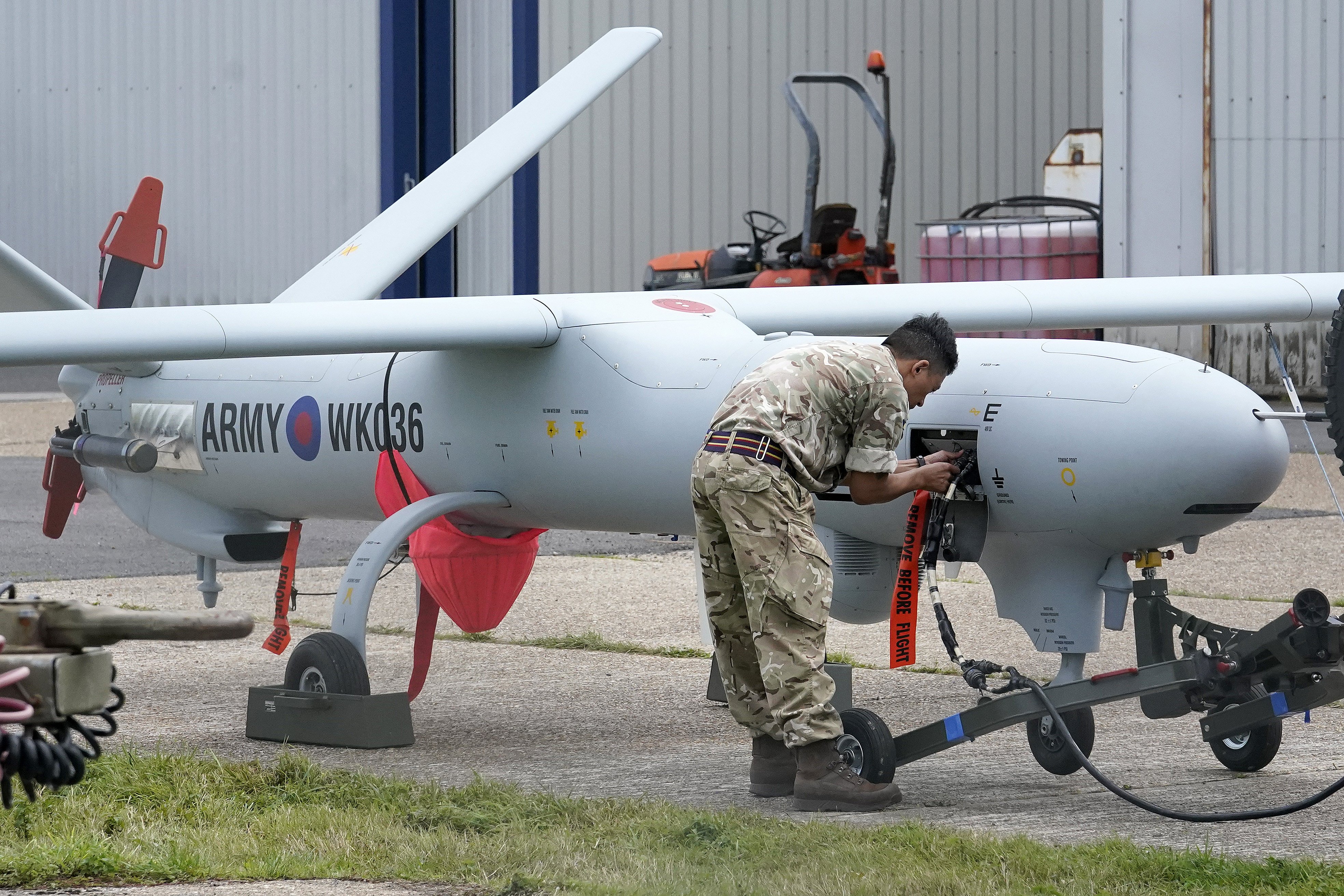
The United Kingdom has confirmed it will not provide its Watchkeeper WK450 reconnaissance drones to Ukraine, opting instead to focus on supporting the country with newer and more cost-effective unmanned systems.
The announcement was made by UK Defense Secretary Luke Pollard, according to UK Defence Journal.
The UK Ministry of Defense originally planned to retire the Watchkeeper fleet by March 2027, but Pollard stated that a “new advanced system” would arrive as early as November 2026, effectively expediting the phase-out.
According to UK Defence Journal, the upcoming replacement is designed to reflect “recent operational lessons and technological innovations.”
The decision aligns with broader UK defense priorities and a shift away from platforms considered expensive, outdated, or unsuitable for high-intensity warfare.
The British Army acquired 54 Watchkeeper drones starting in 2005 at a cost of £1.35 billion—well over the initial estimate of £800 million. Since 2014, the fleet has been plagued by frequent crashes and limited operational effectiveness.
Watchkeeper drones were developed primarily for reconnaissance missions and are not equipped for strike operations. Their size and technical complexity make them vulnerable to modern air defense systems—particularly in the high-threat environment faced by Ukrainian forces.
Maintaining the system would also require significant investments in infrastructure, training, and maintenance capabilities, which British officials reportedly deemed inefficient.
According to Defense Express, these factors mirror previous concerns raised in 2023, when the UK chose not to transfer its MQ-9A Reaper drones to Ukraine.
In 2025, the UK launched a program to identify alternatives to Watchkeeper. Among the candidates reportedly considered was Ukraine’s own Raybird (ACS-3) drone, developed by Skyeton, a member of the National Association of Ukrainian Defense Industries (NAUDI).
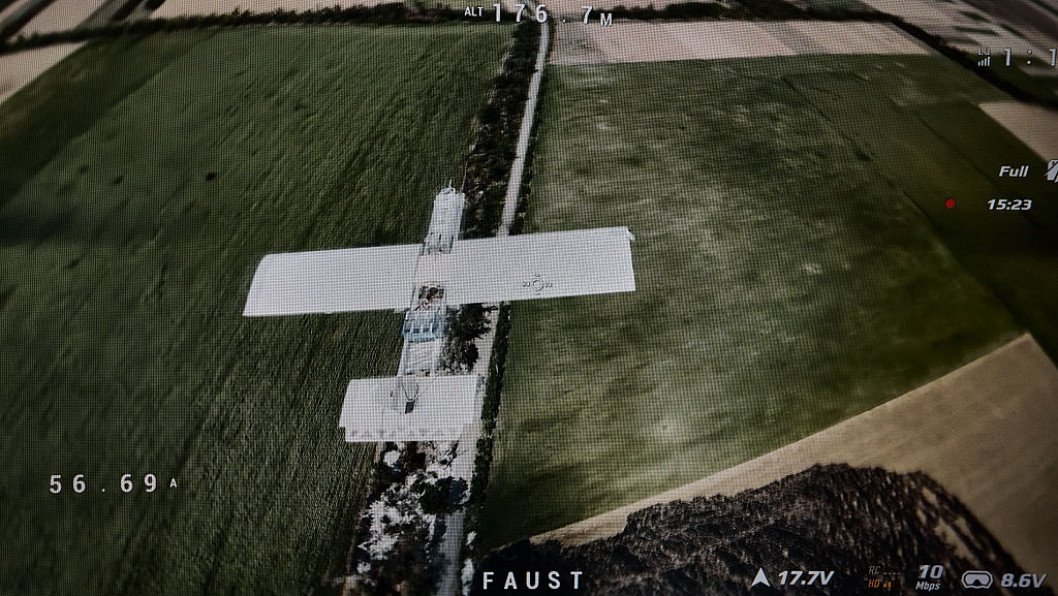
The platform has been field-tested under combat conditions and is capable of operating for more than 24 hours continuously.
Though no final procurement decision has been announced, British officials indicated their intent to equip Ukraine’s Defense Forces with “new and economically efficient unmanned systems” that better align with the country’s battlefield needs.
The goal, Pollard noted, is to “enable the defense of its sovereign territory and position Ukraine strongly for any future peace negotiations.”
The Watchkeeper program also faced internal setbacks in the UK. Poor weather conditions hindered domestic pilot training, prompting the Ministry of Defense to relocate instruction to a remote island in the Atlantic Ocean.
The high crash rate, combined with growing operational costs, prompted scrutiny from lawmakers and analysts, raising questions about the program’s viability. These long-standing issues appear to have influenced the UK’s decision to avoid burdening Ukraine with systems that require disproportionate logistical and financial support.
Earlier in January 2026, Ukrainian company Skyeton confirmed that its hydrogen-electric Raybird drone had entered combat service—becoming the world’s first UAV of its kind used in warfare.
Discuss this article: