- Category
- Latest news
Ukraine Denies Niger Junta’s Claims of Ukrainian Fighters in Benin
 Prefer U24 Media on Google
- Authors


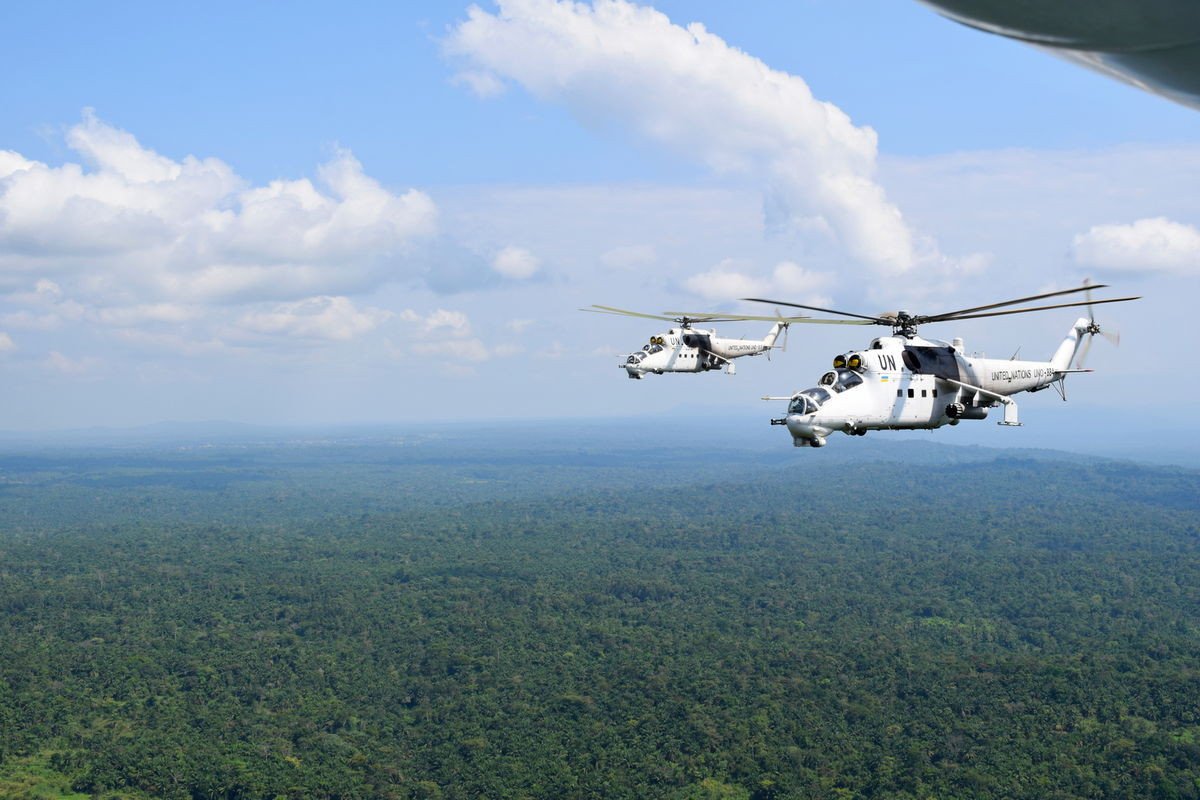
Ukraine’s Foreign Ministry has dismissed statements by the leader of Niger’s ruling military junta alleging the presence of Ukrainian fighters in neighboring Benin, calling the claims false and provocative, Foreign Ministry spokesperson Heorhii Tykhyi said while speaking to journalists on February 18.
The accusations do not correspond to reality and bear clear signs of disinformation, according to the Ukrainian Ministry of Foreign Affairs.
We bring you stories from the ground. Your support keeps our team in the field.
Earlier, Niger’s junta leader Abdourahamane Tchiani claimed that “Ukrainian mercenaries” had supposedly occupied part of Benin, a country with which Niger currently maintains strained relations.
Tchiani seized power in 2023 and has relied on support from Russian state-linked private military structures since the coup.
❗️The spokesman of MFA, Heorhiy Tykhyi, stated that the words of the leader of Niger junta about presence of Ukrainian troops in Benin do not correspond to reality and have signs of disinformation.
— MAKS 25 🇺🇦👀 (@Maks_NAFO_FELLA) February 18, 2026
👀 There is a principled agreement on the next meeting with Russia. But we will… pic.twitter.com/45Rlc0hk2d
Some Nigerien sources have also circulated allegations that Ukrainian instructors were secretly training Tuareg fighters and jihadist groups in drone-based mining techniques across Mauritania and Niger, claims for which no credible evidence has been presented.
Relations between Benin and Niger, historically close as former French colonies, deteriorated sharply following Niger’s July 2023 military coup.
Niger depends heavily on Benin’s port of Cotonou for uranium exports and the import of goods.
The leader of Niger’s military junta claimed northern Benin is occupied by Ukrainian and French forces. Earlier Nigerien sources alleged Ukrainian instructors were training Tuareg and jihadist groups in drone based mining operations in Mauritania and Niger. Relations between… pic.twitter.com/mWOsXkvFWF
— NOELREPORTS 🇪🇺 🇺🇦 (@NOELreports) February 17, 2026
After the coup, Benin supported ECOWAS sanctions, triggering border closures, disputes over transit routes, and tensions surrounding an oil pipeline project.
Against this backdrop, Ukrainian officials view the junta’s statements as part of a broader information campaign linked to Russia’s influence in the region.
Previous data revealed that the Russian Orthodox Church has significantly expanded its footprint across Africa, growing its presence from 4 to 34 countries in under three years.
Western media note that after the Synod’s decision on December 29, 2021, to create a Patriarchal Exarchate of Africa, the Church has since registered approximately 350 parishes and communities and enlisted more than 270 clergy members.
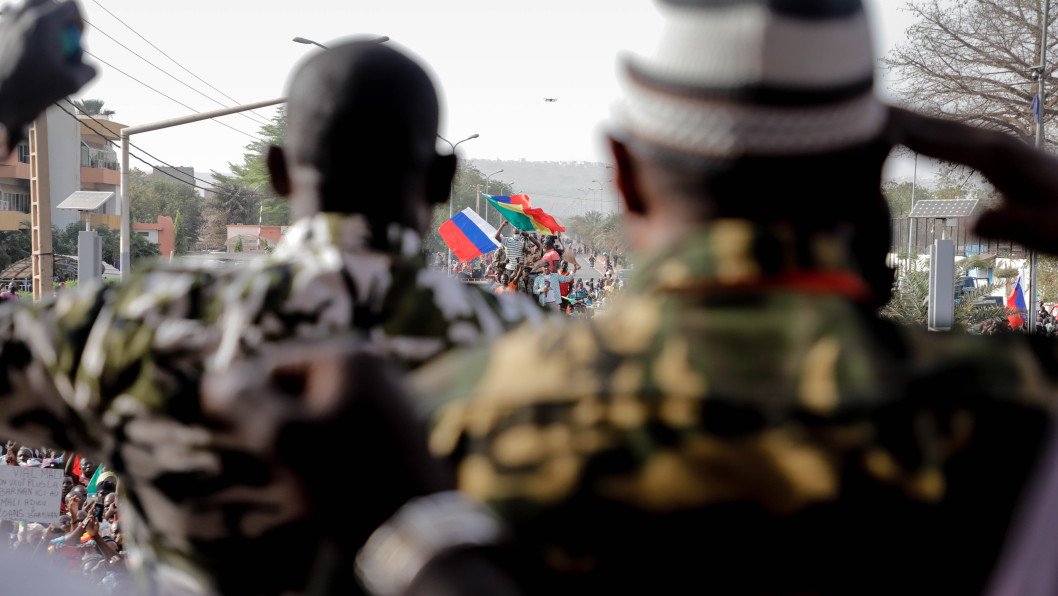
This expansion of the Church’s “mission” coincides with the Kremlin’s intensified engagement with African states. A dedicated unit has reportedly been established within Putin’s administration to oversee Africa-related policy, indicating that the Russian Orthodox Church’s “soft power” activities are being synchronized with Russia’s broader state objectives.
Earlier, reports emerged that Russia has recently intensified its information operations across Africa, with growing attention in the Russian–African media sphere to the deployment of the African Corps in the Central African Republic.
Discuss this article:
-9bd5e1532102621f8fb1c4ba871a3171.png)


-72b63a4e0c8c475ad81fe3eed3f63729.jpeg "Photo of Cyril Barabaltchouk")