- Category
- Latest news
Leaked Documents Reveal Russia’s Plot to Stage Coup in Senegal
 Prefer U24 Media on Google
- Authors




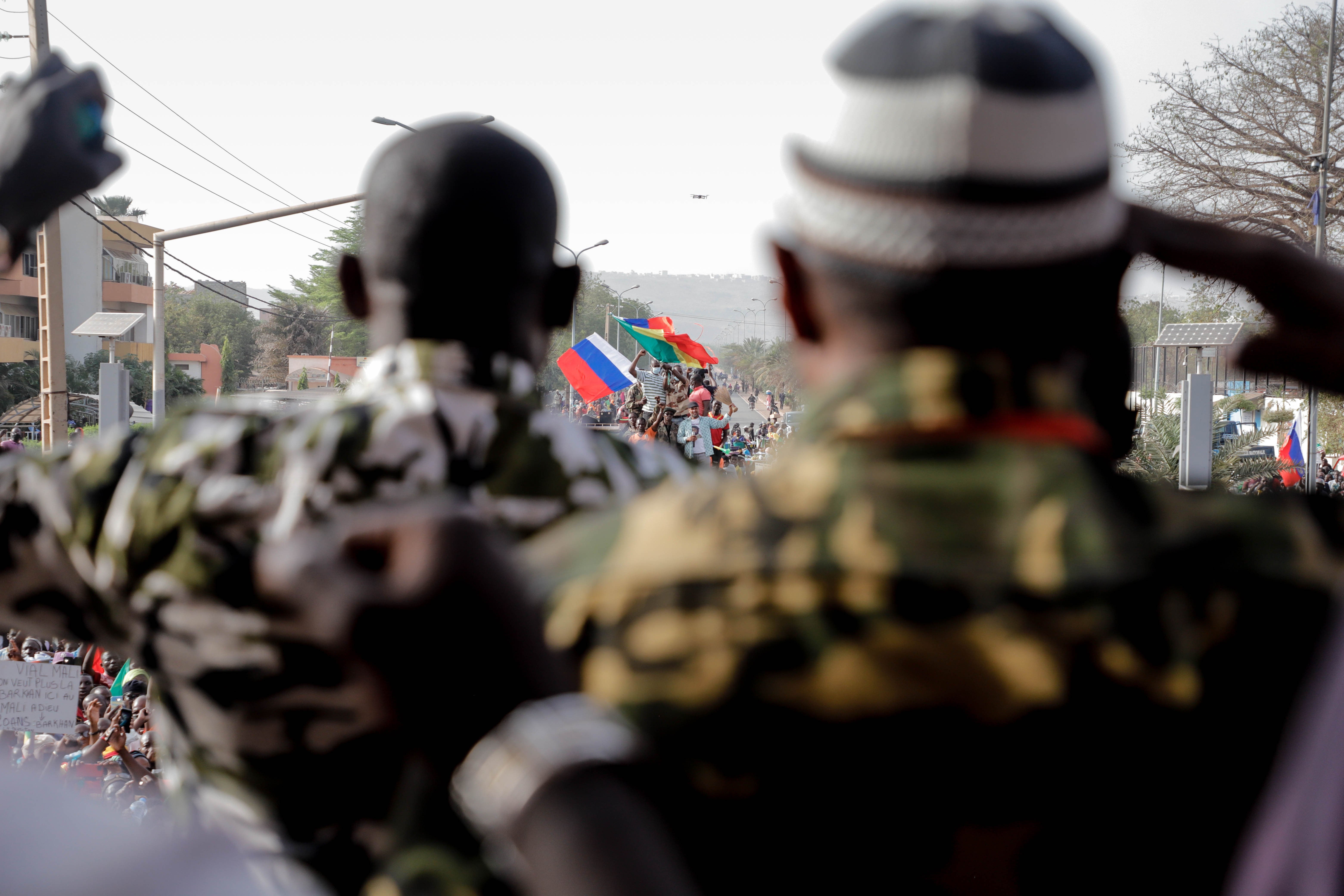
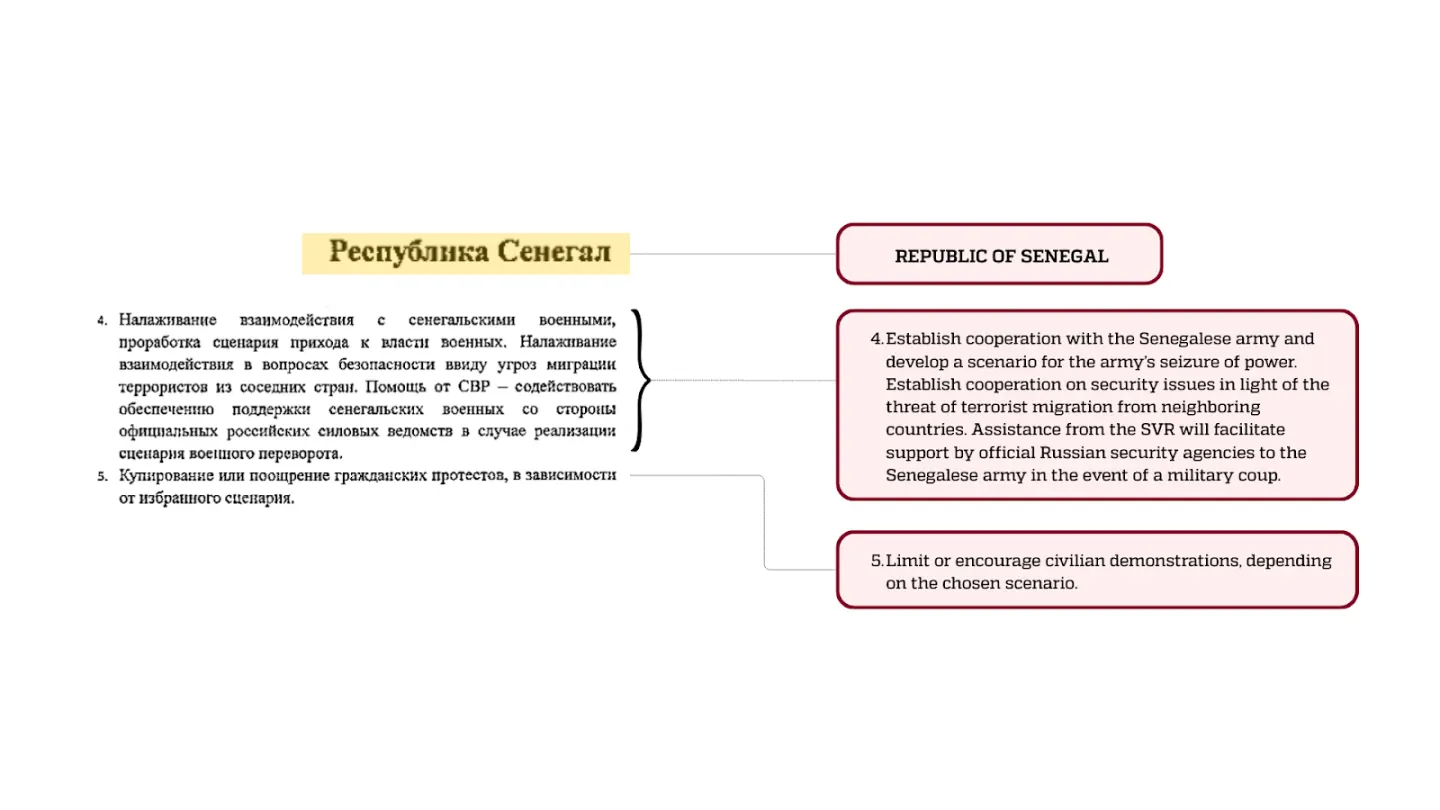
Russia’s foreign intelligence service prepared plans for a potential military coup in Senegal, seeking to exploit unrest in the country by recruiting local military figures to seize power, according to an investigation published by All Eyes On Wagner based on leaked documents on February 14.
The documents indicate Moscow intended to guarantee political and logistical support for a new regime if the takeover succeeded, highlighting a broader strategy to expand Russian influence across Africa through covert operations, political manipulation, and information warfare.
We bring you stories from the ground. Your support keeps our team in the field.
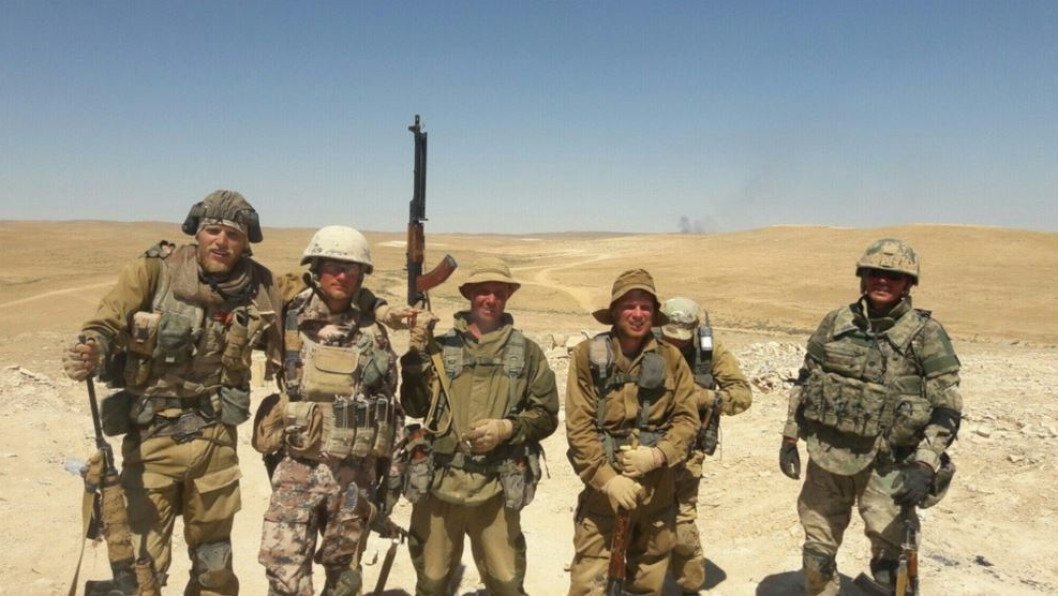
Following the death of Wagner leader Yevgeny Prigozhin, the mercenary network was brought under the direct control of Russia’s foreign intelligence service, the investigation found.
An analysis of 76 internal documents from 2023–2024 outlines how Wagner’s assets and operations were transferred to formal state structures.
Key figures in the restructured network include Sergei Mashkevich, Sergei Klyukin, and Artem Gorny. Mashkevich, a former official in the Russian presidential administration, reportedly coordinated activities in Sudan and Bolivia.
One major initiative, known as “African Political Science,” operates with an estimated $750,000 monthly budget and uses offices in St. Petersburg to coordinate operations spanning more than 30 countries.
The organization is divided into two primary tracks:
political operations focused on lobbying and legislative interference;
media operations centered on producing manipulative social-media content.
Information campaigns rely heavily on paid placements in local media.
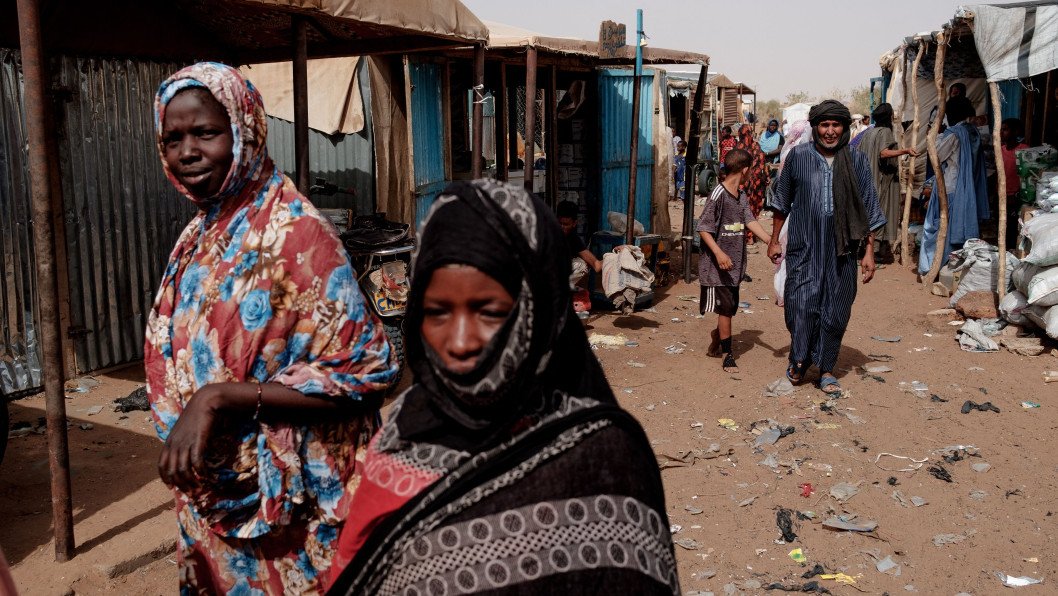
In August 2024 alone, the network spent roughly $340,000 to publish over 500 articles and videos, disguising the content as commercial material through intermediaries to obscure Russian financing.
The documents also describe intelligence and influence activities in multiple African states.
In Mali, Russian intelligence reportedly provides information on French and US military and political planning while supporting the formation of the Alliance of Sahel States linking Mali, Burkina Faso, and Niger—moves that helped displace Western partners and strengthen Moscow’s regional position.
In the Central African Republic, efforts are aimed at weakening the UN’s MINUSCA mission.
The files suggest attempts to place influence agents within UN leadership structures while advancing projects tied to Russian fuel supplies and resource-extraction business interests.
In Niger, Russian operations targeted the French company Orano in an effort to push competitors out of the uranium sector.
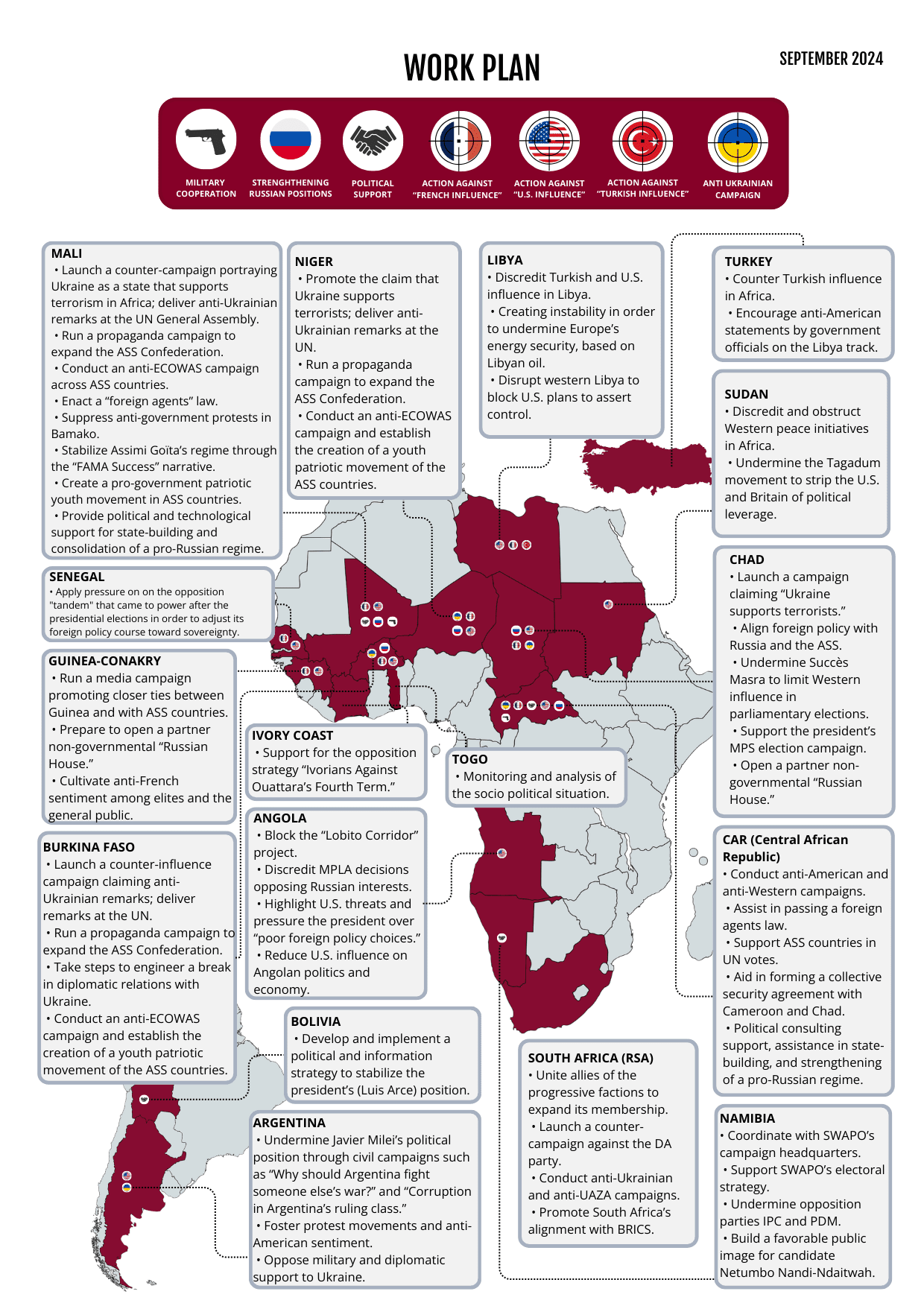
In Mozambique, intelligence collection has focused on Western influence networks and foreign energy companies, with the broader objective of securing strategic mineral and energy markets.
Meanwhile, in Namibia, Russian operatives allegedly fabricated a letter attributed to a British lawmaker claiming secret funding for opposition forces.
The disinformation spread widely enough that UK diplomats were forced to issue a public denial on national television—an apparent attempt to undermine political rivals ahead of elections.
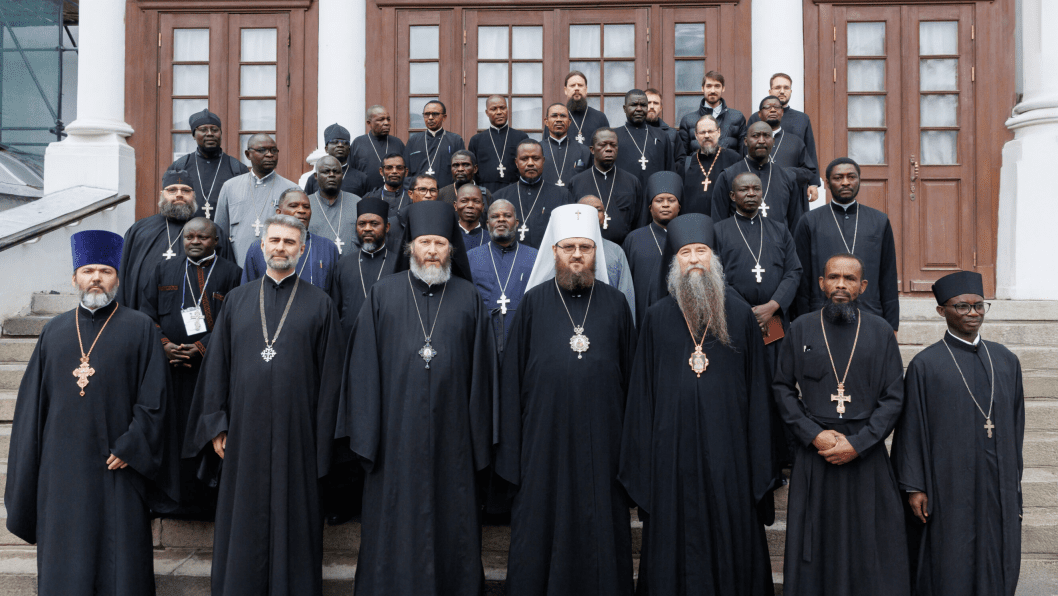
Taken together, the materials outline a systematic Russian campaign combining intelligence activity, political interference, economic positioning, and disinformation to expand influence across Africa following Wagner’s transition into state control.
Earlier, a Bulgarian civil association, BOEC, claimed it uncovered a site linked to Russia’s Wagner private military company (PMC) near the village of Kladnitsa in the Pernik region.
Discuss this article:

-c439b7bd9030ecf9d5a4287dc361ba31.jpg "Photo of Katherina Popilnichenko")
-111f0e5095e02c02446ffed57bfb0ab1.jpeg "Photo of Roman Kohanets")
-72b63a4e0c8c475ad81fe3eed3f63729.jpeg "Photo of Cyril Barabaltchouk")