- Category
- Latest news
Ukraine Enacts Law Restoring Rights to Over 700,000 Displaced Ukrainians
 Prefer U24 Media on Google
- Authors


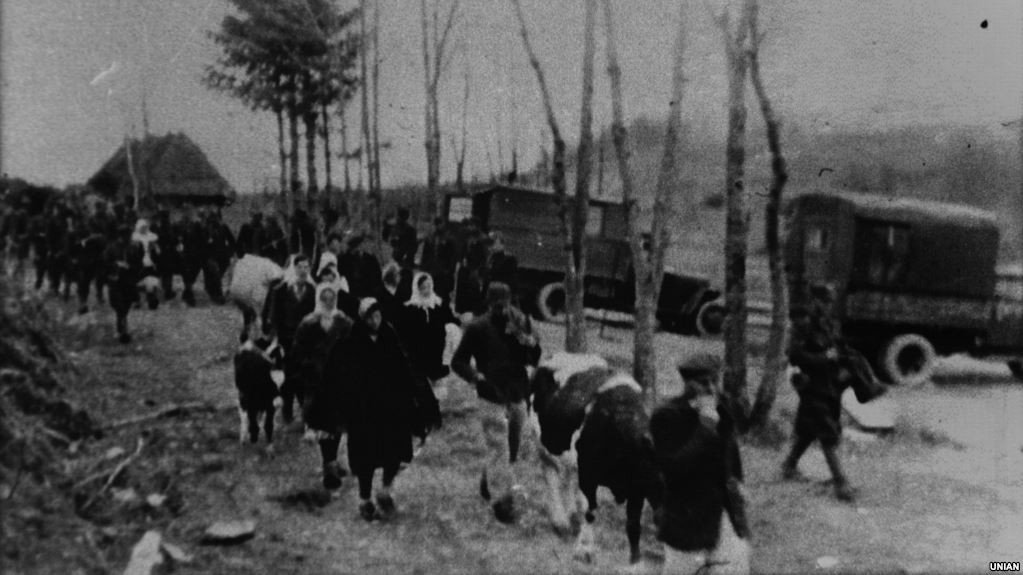
On July 17, Ukraine’s Parliament passed a landmark law recognizing Ukrainian citizens and their descendants who were forcibly relocated between 1944 and 1951 from territories that were then part of Poland.
The law grants these individuals the right to compensation, restitution of confiscated property, and formal acknowledgment of the historical injustices they endured.
This recognition comes through the adoption of draft law No. 2038, which amends the Law “On the Restoration of Rights of Persons Deported on National Grounds.” It specifically includes those affected by the so-called “Operation Vistula” (Akcja Wisła), which targeted ethnic Ukrainians from regions such as Lemkivshchyna, Nadsiannia, Kholmshchyna, Pidliashshia, Liubachivshchyna, and Western Boikivshchyna, who were forcibly moved from their ancestral lands.
The law applies to ethnic Ukrainians and their heirs—including spouses and children—who were displaced during this period. Approximately 700,000 people were impacted by these forced relocations, which involved seizure of homes and restrictions on their rights.
Eligible individuals will receive official confirmation of their status, allowing them to claim:
Property Restitution: Confiscated homes and assets may be returned if still available and unoccupied; otherwise, financial compensation will be paid over five years, with an initial installment of at least 20%. Heirs can claim compensation if the original deportee has passed away;
One-Time Financial Assistance: Deportees or their legal heirs are entitled to a lump-sum payment, with the specifics to be defined by the Cabinet of Ministers;
Land Grants for Rural Settlers: Those who settled in rural areas may receive agricultural land plots free of charge from available state reserves.
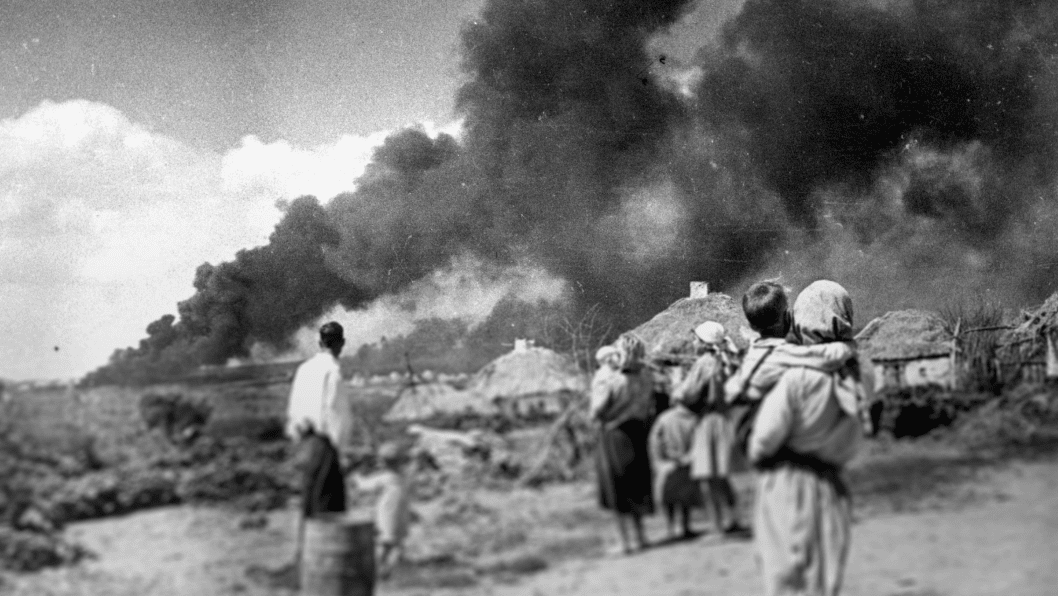
Applicants must submit claims within three years of obtaining deportee status, following procedures to be established by the government.
The law reinforces Ukraine’s official position that these deportations were unlawful and criminal actions carried out by Soviet and Polish communist authorities. They were based on political agreements, notably:
The September 9, 1944 agreement between the USSR and the Polish Committee of National Liberation, which initiated the forced relocations.
The 1951 treaty between the USSR and the People’s Republic of Poland on territorial exchanges, which further facilitated these actions.
These agreements were condemned by the Polish Constitutional Tribunal in 2002 and the European Court of Human Rights in 2004, both recognizing the deportations as illegal expulsions without legal foundation.
By codifying this recognition, Ukraine affirms the deportations as serious human rights violations and commits to restoring the rights and dignity of the victims and their descendants.
This historic recognition and legal restitution occur within a broader context of ongoing cooperation between Ukraine and Poland to address shared painful memories and historical injustices.
On November 26, Polish Foreign Minister Radosław Sikorski announced that Ukraine agreed to facilitate search and exhumation operations on its territory.
This decision, formalized during a meeting with Ukraine’s Foreign Minister Andriy Sybiha through a jointly agreed declaration, underscores a commitment by both nations to confront and reconcile the tragic legacy of forced relocations and violence affecting ethnic Ukrainians and Poles alike.
Previously, it was reported that the Ukrainian Institute of National Memory has announced plans to commence the search and exhumation of the remains of Polish victims of the Volyn tragedy in Rivne region in 2025.
Discuss this article:


-c439b7bd9030ecf9d5a4287dc361ba31.jpg "Photo of Katherina Popilnichenko")