- Category
- Latest news
Ukraine Expands Air Defense With Long-Range Remote-Control Drone Interceptors
 Prefer U24 Media on Google
- Authors

-c439b7bd9030ecf9d5a4287dc361ba31.jpg "Photo of Katherina Popilnichenko")
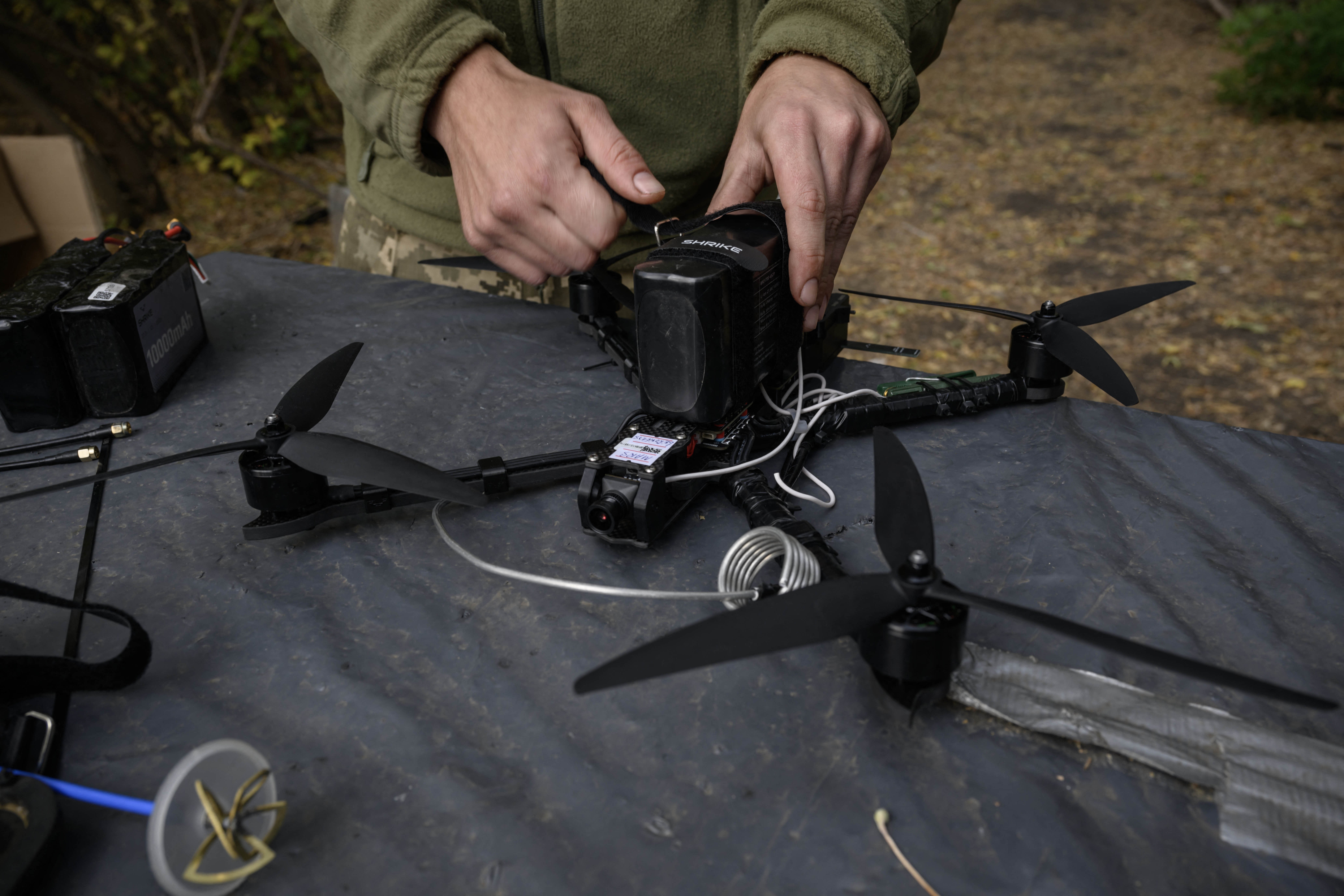
Ukraine is implementing a strategic shift in air defense by deploying interceptor drones operated via long-range remote control, Defense Minister Mykhailo Fedorov said.
The initiative, launched a year ago through the Brave1 defense tech cluster, has evolved from initial trials to a proven battlefield reality.
We bring you stories from the ground. Your support keeps our team in the field.
Since those first tests, more than ten leading manufacturers of interceptor drones have integrated this remote technology into their equipment. The industry has moved quickly to adopt these systems following the initial proof of concept.
April 2025. Chernihiv region. Brave1, together with manufacturers, conducted the first tests of long-range remote control technology for interceptor drones.
— BRAVE1 (@BRAVE1ua) April 23, 2026
The drone was in the sky; the pilot was in a secure location in Kyiv. This successful proof-of-concept served as a… pic.twitter.com/Y5UISgZU2S
One year later, this technology is being used for interceptions at distances ranging from hundreds to thousands of kilometers. Operators no longer need to be near the flight path. Pilots can now control these drones from Kyiv, Lviv, or even from locations outside the country.
This advancement marks the launch of a new level of what is known as "small air defense. " By integrating remote long-range technology, the control of interceptors is now possible at distances of thousands of kilometers.
Following the President's instructions, the development of innovations to protect the Ukrainian sky continues. The industry is moving toward clear strategic goals: achieving 100% detection and at least a 95% neutralization rate of all hostile aerial targets during Russia’s full-scale invasion of Ukraine.
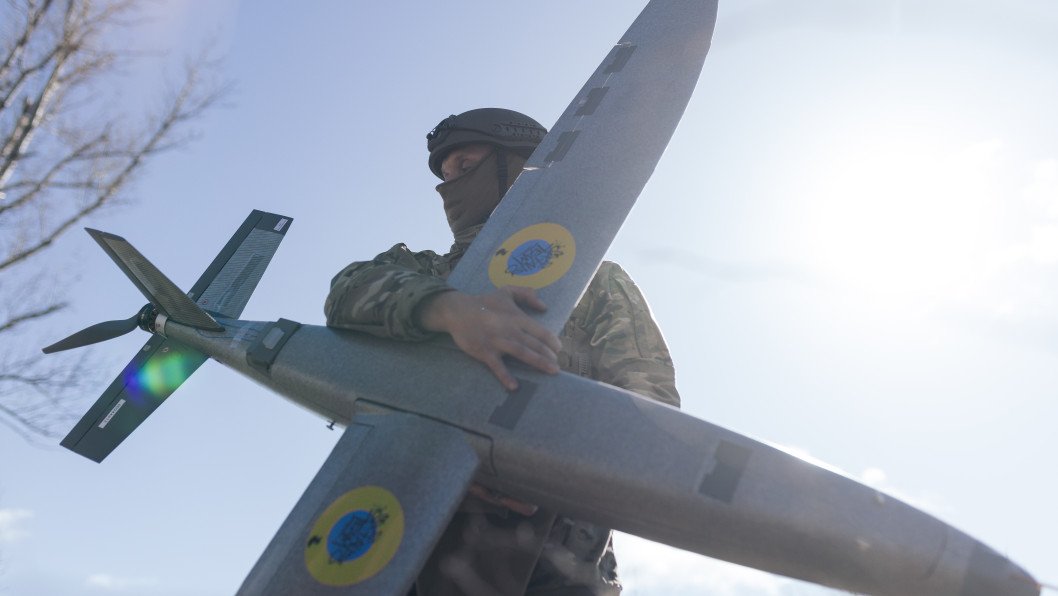
The use of remote control for these drones has changed the way aerial threats are handled. It has increased the efficiency of interceptions. Most importantly, this technology allows operators to remain in safe while they work during Russia’s full-scale invasion of Ukraine.
In April 2026, a Ukrainian drone operator set a new record by successfully controlling a STING interceptor from a distance of 2,000 kilometers.
The pilot was located abroad while directing the drone during a mission in northern Ukraine, demonstrating the advanced reach of the country's remote air defense technologies.
This milestone was made possible by the HORNET VISION Ctrl system, which provided low-latency control and high-definition video. These capabilities allowed the high-speed interceptor to operate far from the battlefield during Russia’s full-scale invasion of Ukraine.
Discuss this article:

-efa69d4733b5af9f7cd0a642f85424a6.jpeg "Thick black smoke rises from the heavily damaged Proton-Electrotex plant in Orel, Russia, following a reported strike. (Source: Exilenova+)")