- Category
- Latest news
Ukraine Hits Russian Black Sea Gas Platforms With Underwater Torpedo Drones, Video
 Prefer U24 Media on Google
- Authors


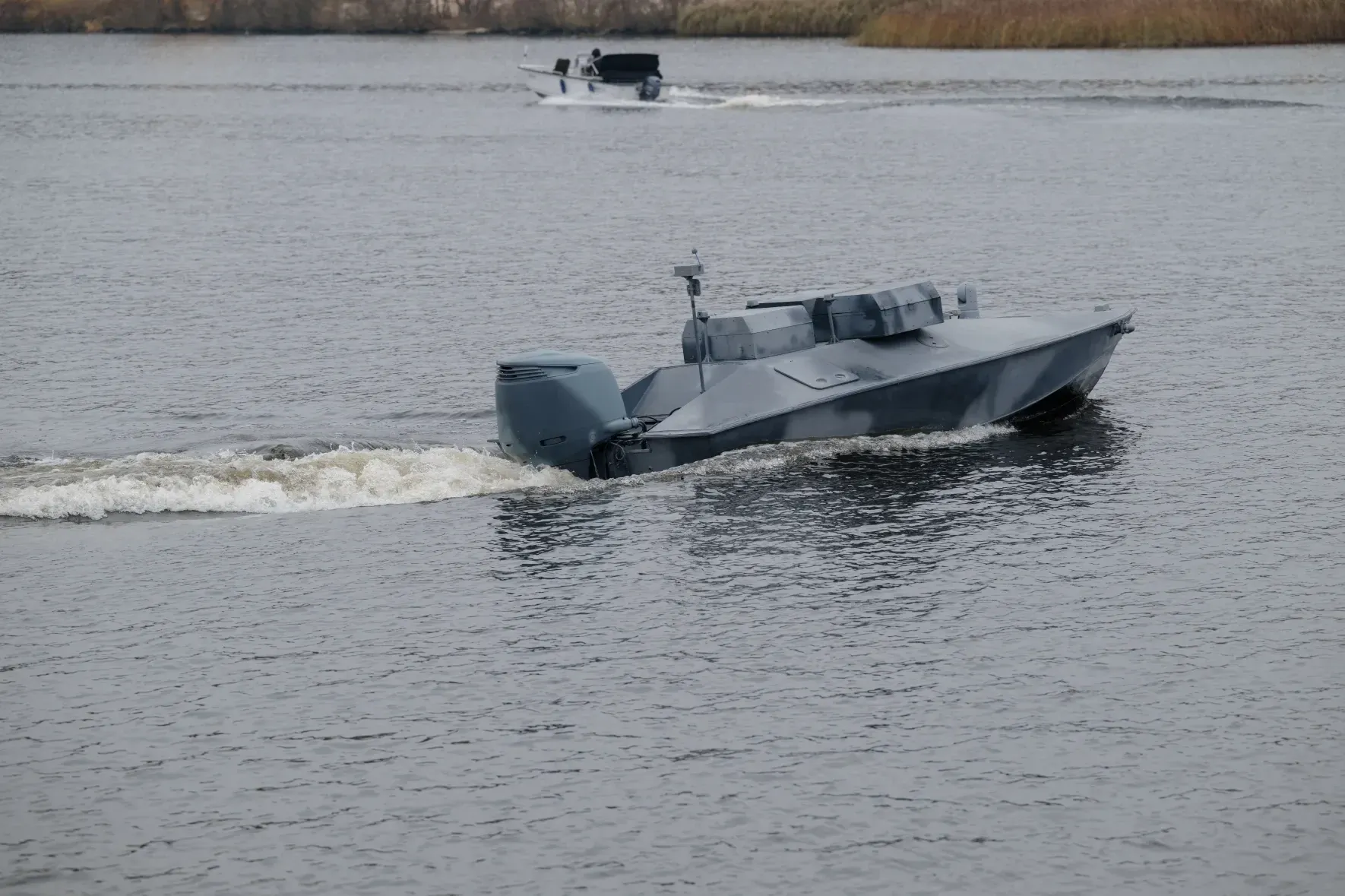
Ukraine’s military intelligence carried out a covert multi-phase drone operation on September 21 targeting Russian-controlled gas platforms in the Black Sea, according to The Times.
The attack introduced a new capability: submersible drone-torpedoes with long-range navigation and 80-kilogram warheads. The mission involved both surface and underwater drones and marked a notable evolution in Ukraine’s naval warfare tactics.
According to The Times, the operation was led by the “Black Sea Legion,” a special detachment within the Ferrata unit of Ukraine’s Defense Intelligence (HUR). The objective was to destroy Russian radar and electronic warfare systems stationed on offshore drilling platforms.
These systems, integrated into Russia’s broader surveillance network, had replaced shipborne radars previously used to monitor Ukrainian coastal activity.
The strike team deployed Katran X1 and X3 uncrewed surface vessels, each carrying nine FPV (first-person view) drones, four fixed-wing loitering munitions, and — for the first time — submersible suicide drones.
These underwater drones functioned as guided torpedoes and were launched from 50 kilometers away, moving to within 15 kilometers of the rigs before switching to standby mode.
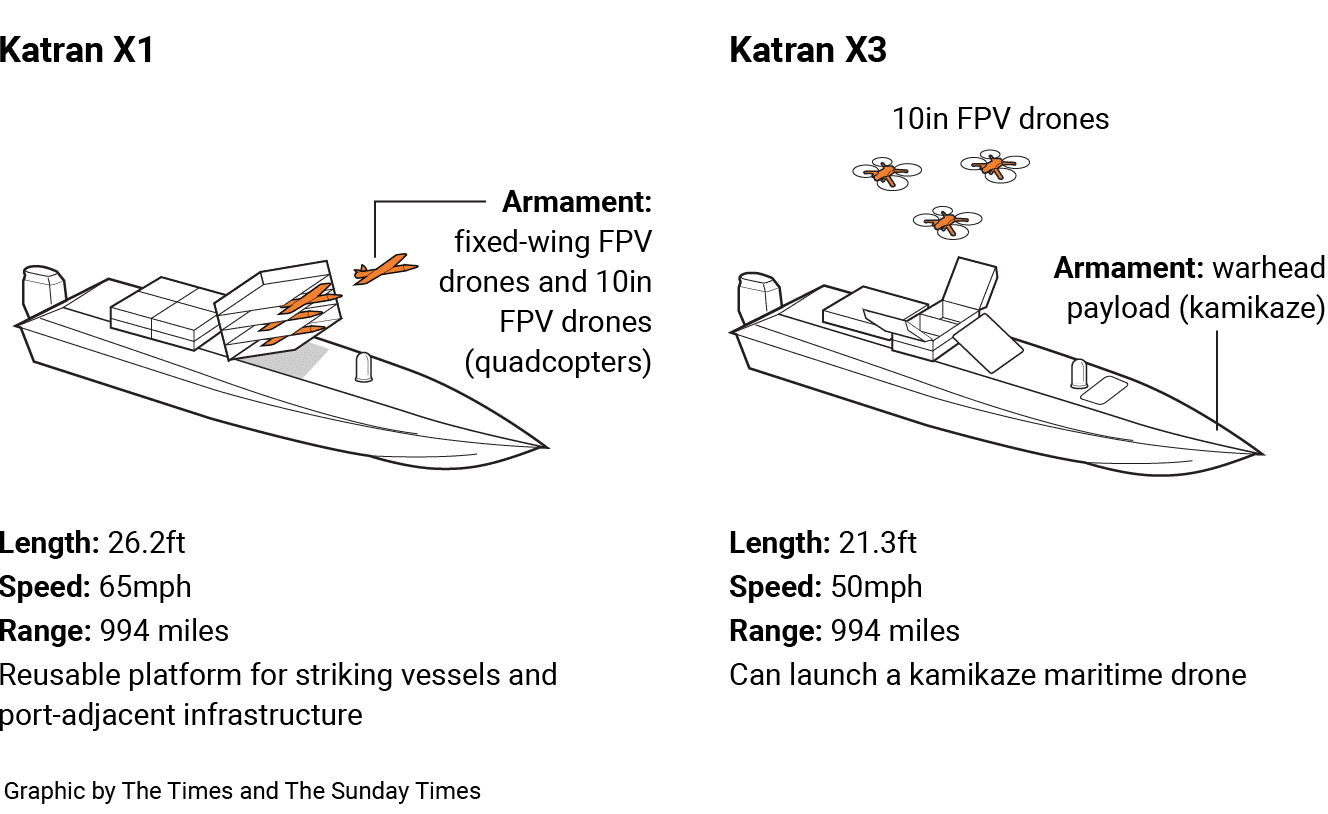
To maintain communication over long distances, the Katrans also released a drone-based signal relay. This allowed the remote control team to retain contact with the submerged drones until the attack sequence began.
As reported by The Times, the first objective was to provoke a Russian aerial response. The Ukrainian team launched a decoy drone to draw the attention of two Russian fighter jets, a Su-27 and a Su-35, known to be on patrol at the time.
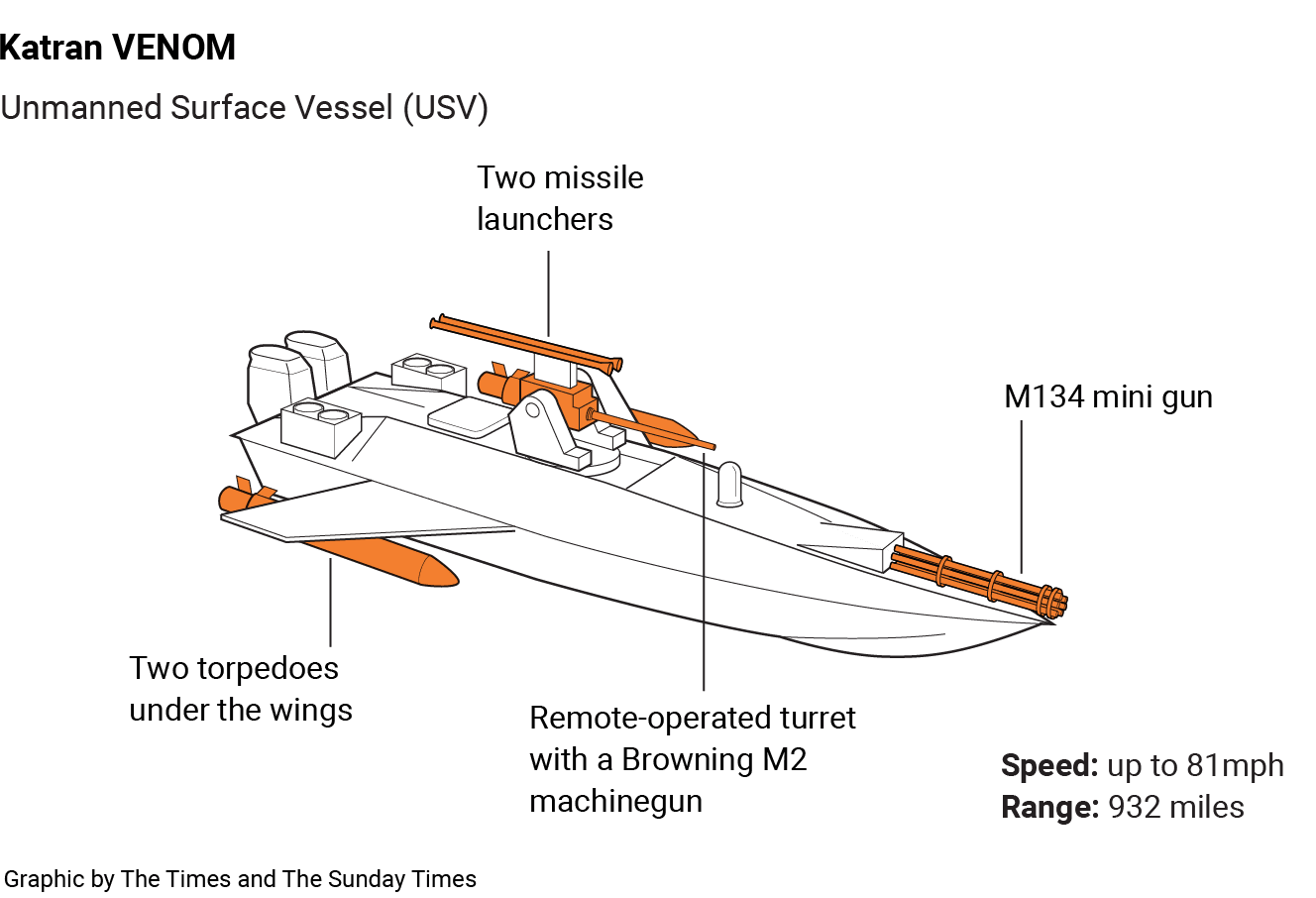
While the jets diverted toward the decoy, the underwater drones activated. One struck the support structure of a gas platform, followed by a second detonation. In parallel, FPV drones targeted Russian personnel attempting to regroup on deck, and fixed-wing drones destroyed the platform’s radar installation.
The disabling of the radar network cleared the path for subsequent aerial drone operations, including a strike against the land-based Nebo-U radar system in occupied Crimea, according to The Times.
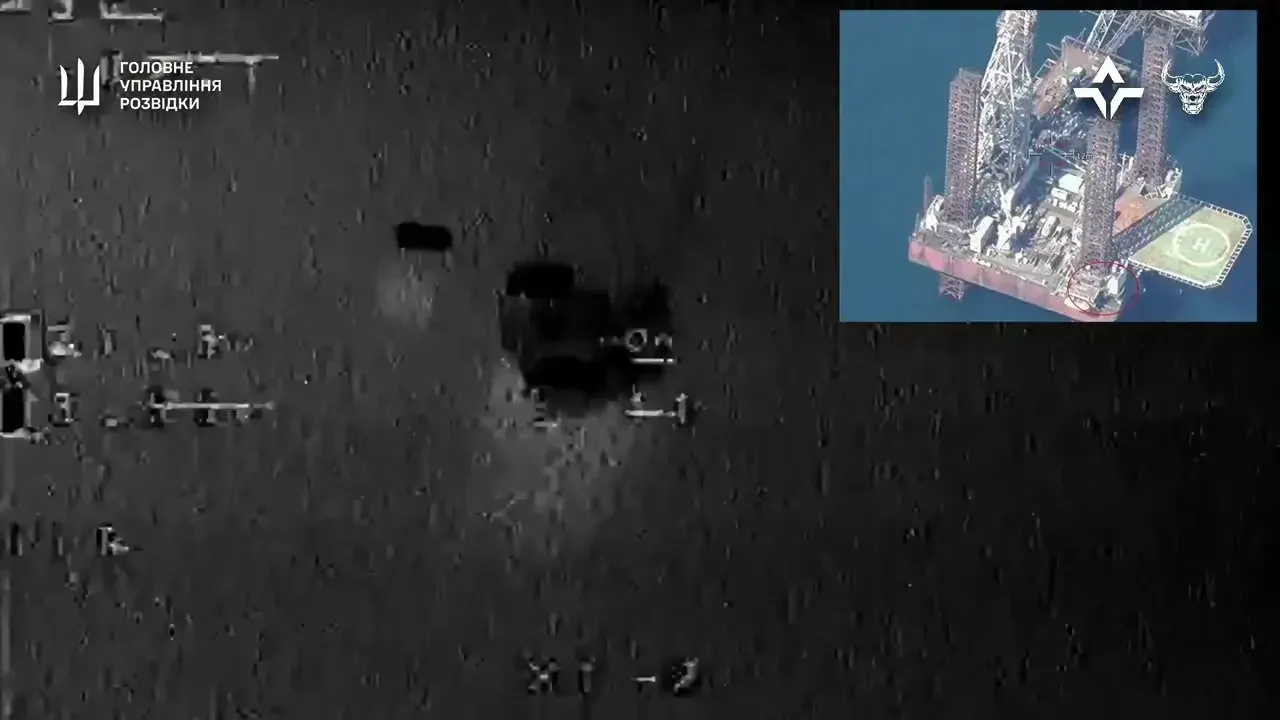
Following the platform assault, additional Ukrainian Magura sea drones exploited the breach to move along the Crimean coast. By morning, they had reached Novorossiysk, where they reportedly struck port infrastructure, including the Sheskharis oil terminal.
Nine, the commander of the Black Sea Legion, told The Times the broader goal was to enable access to multiple high-value coastal targets, including ports in Novorossiysk, Crimea, and Tuapse.
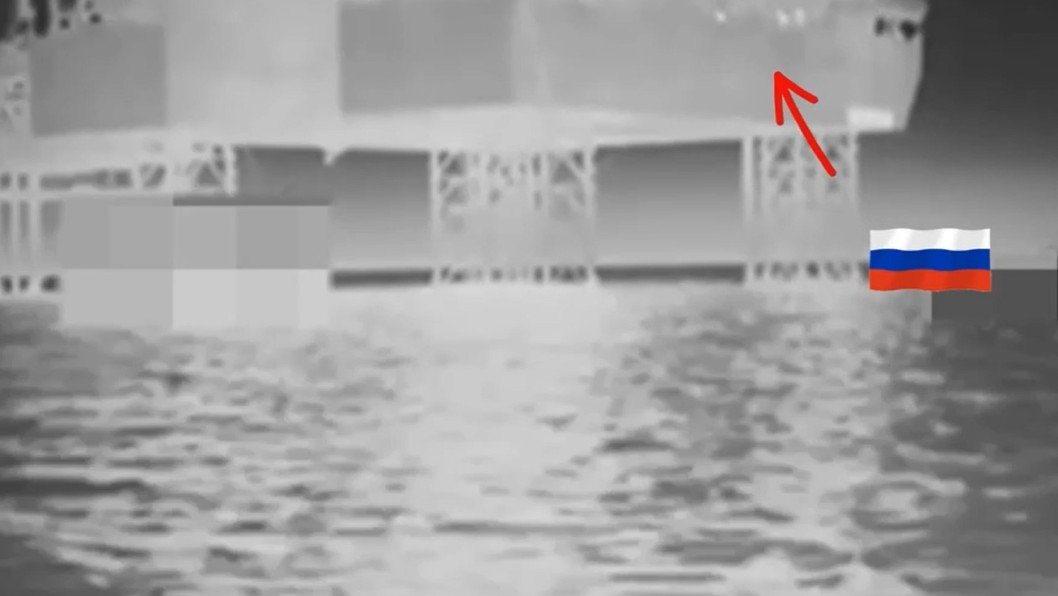
He described the operation as a “successful sabotage mission” and noted that preparations for follow-up strikes were already underway.
The Times further notes that the Ferrata unit maintains a distributed control setup using foldable command stations, virtual reality headsets, and satellite uplinks.
This approach allows operators to deploy from civilian locations with minimal infrastructure — a tactic intended to maintain mobility and resilience under threat.
Earlier, Ukraine unveiled the Alligator-9—a modular naval drone capable of launching torpedoes and equipped with the “Tryzub 90” laser weapon. Designed for multipurpose maritime operations, the platform can carry up to ten sub-drones, including torpedo and electronic warfare variants.
Discuss this article:
-9bd5e1532102621f8fb1c4ba871a3171.png)