- Category
- Latest news
Ukraine Races to Build “Sunray” Air Defense Laser to Protect Cities From Russian Drones
 Prefer U24 Media on Google
- Authors

-72b63a4e0c8c475ad81fe3eed3f63729.jpeg "Photo of Cyril Barabaltchouk")
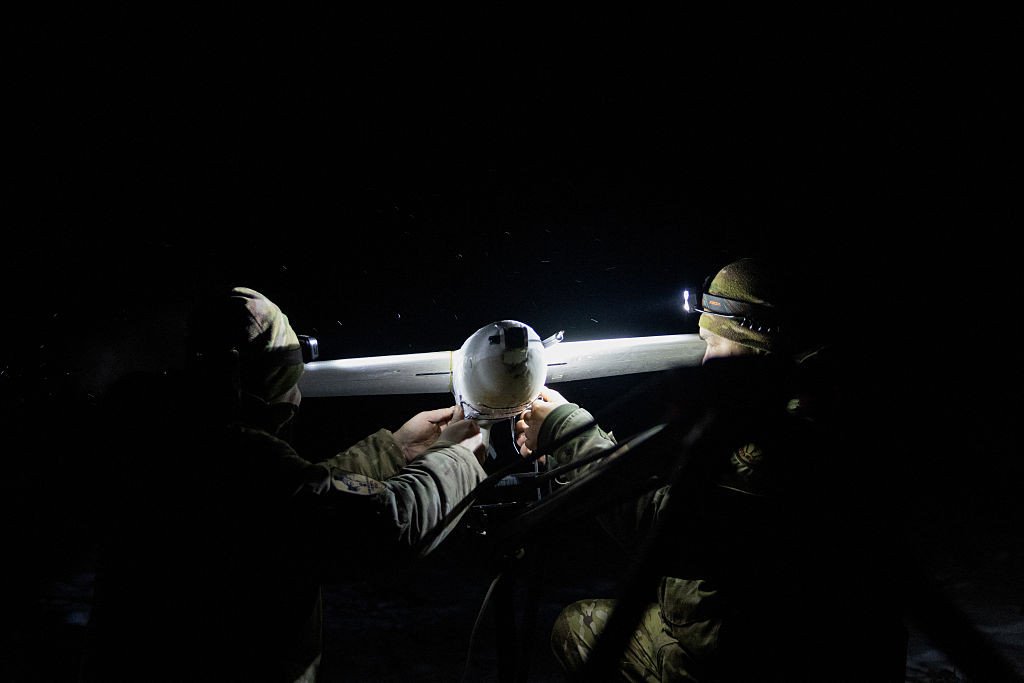
Ukraine is racing to build cheaper, homegrown air defenses as Russian drone and missile strikes continue to batter its cities and infrastructure, The Atlantic reported on February 10.
The magazine stated that Ukrainian engineers have developed experimental systems ranging from interceptor drones to a prototype laser weapon known as “Sunray,” designed to burn drones out of the sky within seconds.
We bring you stories from the ground. Your support keeps our team in the field.
Unlike large Western laser programs such as the US Navy’s Helios, which cost $150 million to develop, Ukrainian developers say their laser system was built in roughly two years for just a few million dollars, with an expected price tag of a few hundred thousand dollars per unit, the Atlantic wrote.
The push reflects what Ukrainian officials describe as a survival-driven scramble for efficiency. Pavlo Yelizarov, newly appointed commander of Ukraine’s air-defense forces, told The Atlantic that Ukraine cannot afford to rely solely on expensive foreign missiles to shoot down cheap Russian Shahed drones.
Earlier, Russia had launched its largest air assault on Ukraine so far in 2026, firing a total of 447 aerial targets, including missiles and drones, at critical energy infrastructure across western Ukrainian regions.
Key power facilities, including the Burshtyn and Dobrotvir thermal power plants, sustained damage during the coordinated overnight strike.
Ukraine’s Energy Minister Denys Shmyhal stated that high-voltage lines operating at 750 kV and 330 kV—critical to Ukraine’s national grid—were hit, alongside the two thermal power plants.
“As of now, between 4.5 and 5 stages of emergency power outages have been implemented across the country,” Shmyhal said. He added that nuclear power stations had temporarily reduced output to maintain grid stability.
Ukrainian President Volodymyr Zelenskyy has prioritized deploying domestic air defenses as Western supplies remain limited, forcing Ukraine into what the article calls a bootstrapped effort to build its own version of an “Iron Dome.”
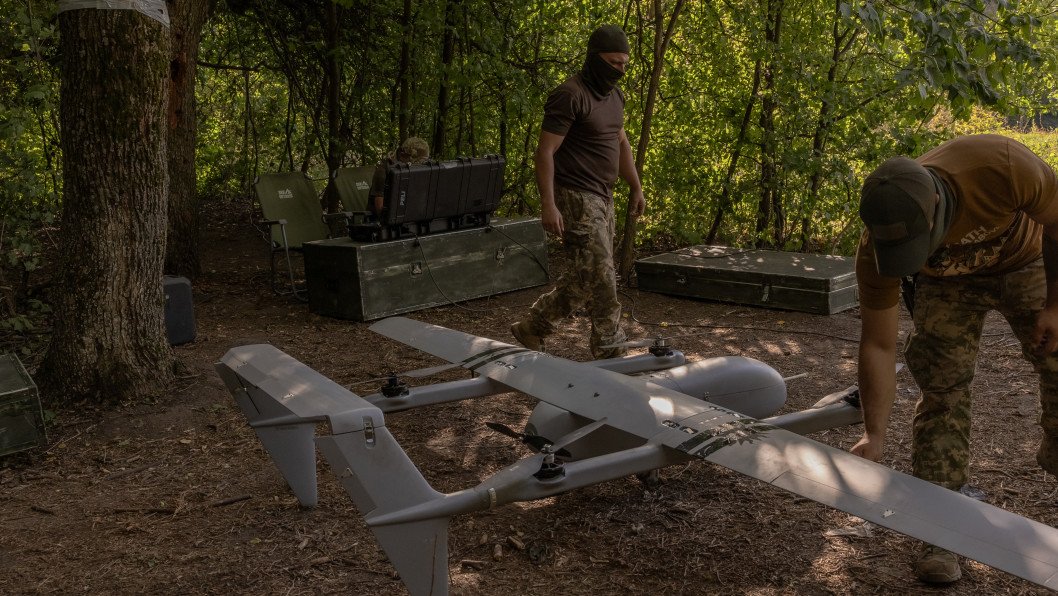
Alongside systems like Sunray, Ukrainian drone manufacturers are scaling up mass-produced interceptors. The company Skyfall has developed the P1-Sun interceptor drone, which it says has already destroyed more than 1,000 airborne targets, including hundreds of Shaheds.
The Atlantic notes that these innovations show how Ukraine’s wartime technology sector is evolving rapidly, driven less by long procurement cycles than by the urgent need to protect civilians from relentless aerial attacks.
Previously, it was reported that the Ukrainian company SEE (System Electronic Export), in cooperation with NAUDI, had unveiled a new autonomous aerial interception system known as SEEDIS at the World Defense Show in Riyadh.
The system introduces a revised approach to protecting critical infrastructure through layered air defense, with interceptor drones acting as the first line of engagement against airborne threats.
Discuss this article:





-111f0e5095e02c02446ffed57bfb0ab1.jpeg "Photo of Roman Kohanets")