- Category
- Latest news
Ukraine Unveils SEEDIS Autonomous Drone Interceptor With AI, 320 km/h Top Speed to Counter Aerial Threats
 Prefer U24 Media on Google
- Authors


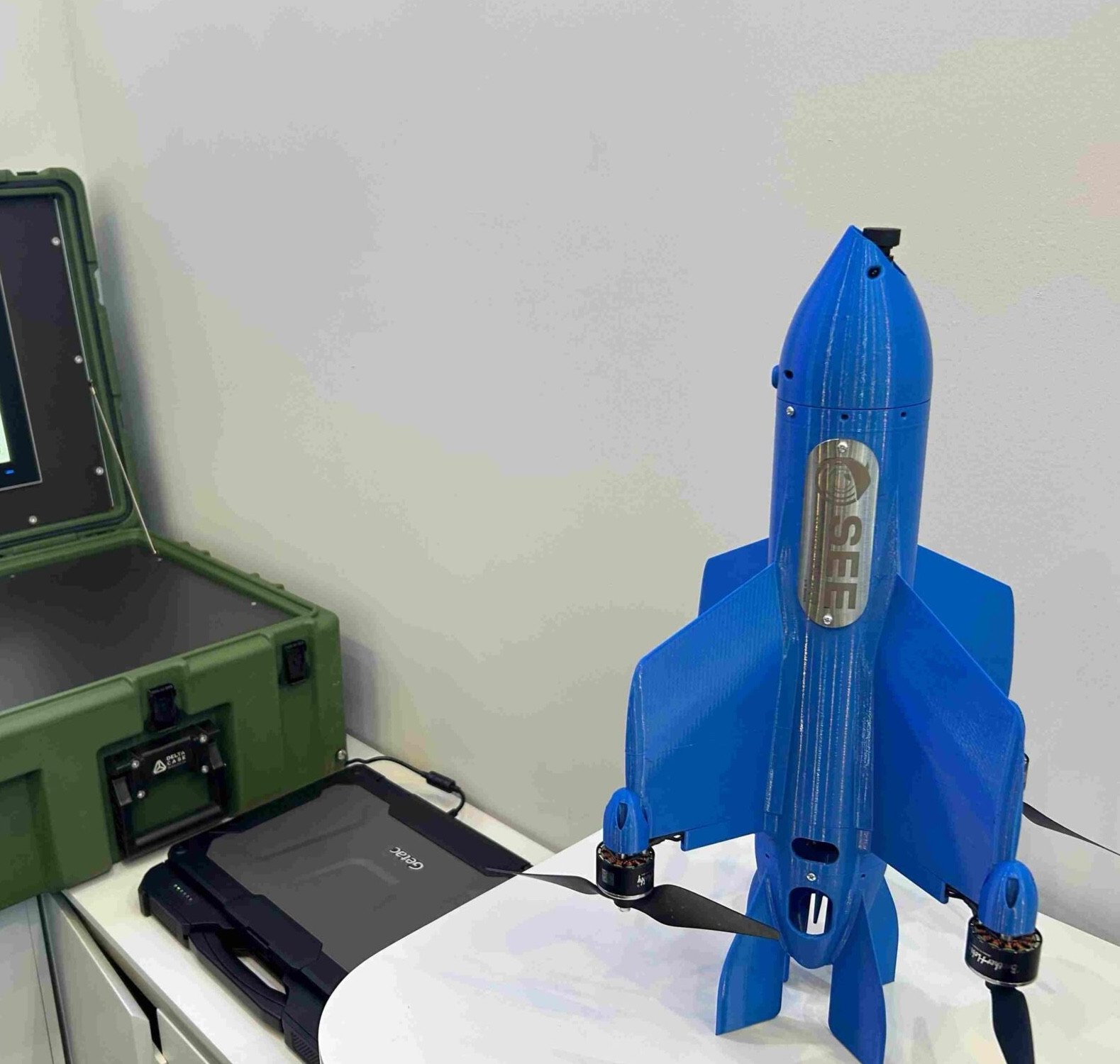
The Ukrainian company SEE (System Electronic Export), in cooperation with NAUDI, has unveiled a new autonomous aerial interception system known as SEEDIS at the World Defense Show in Riyadh.
According to a Militarnyi correspondent at the exhibition on February 9, the system introduces a revised approach to protecting critical infrastructure through layered air defense, with interceptor drones acting as the first line of engagement against airborne threats.
We bring you stories from the ground. Your support keeps our team in the field.
Developers say SEEDIS is distinguished by its fully autonomous targeting capability, which reduces reliance on human operators and removes the need for FPV pilots. The system is designed to independently detect targets, calculate interception paths, and carry out strikes without direct human input.
“The drone is guided fully automatically, without a pilot’s participation; we are completing testing and preparing documentation for submission for codification,” the developers said during the Saudi defense forum, according to Miliratnyi.
SEEDIS operates as part of the broader “Krechet” air defense ecosystem, which links radar systems and firing assets into a unified network. Once an aerial threat is detected, algorithms automatically assign targets to available launch systems based on distance and threat type.
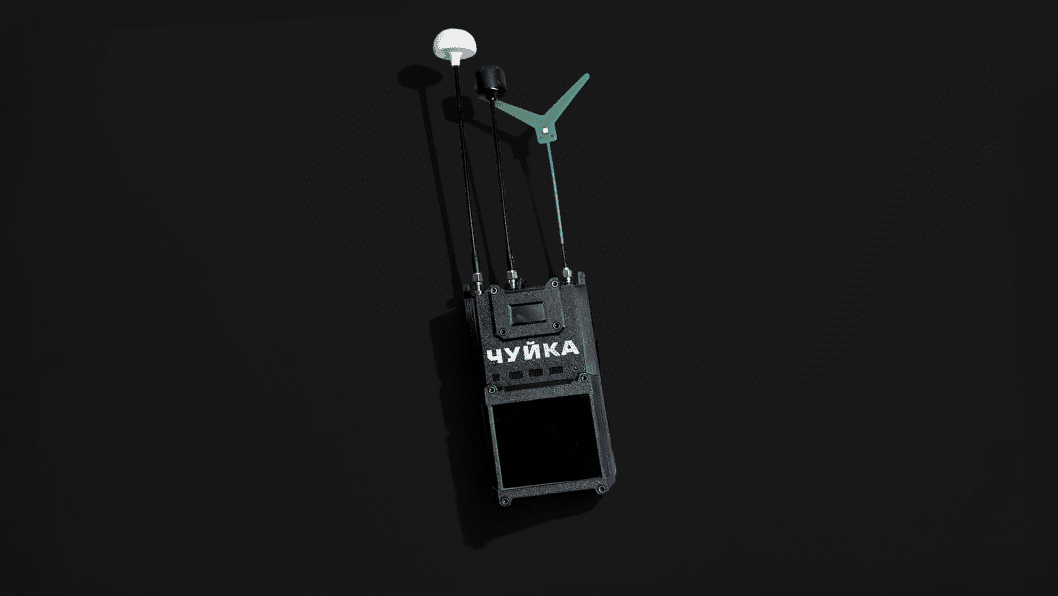
“When a target approaches the engagement boundary calculated for each weapon system, the system issues target designation and a launch command,” representatives of SEE said.
Following a vertical launch, the interceptor drone transitions automatically to the interception phase without requiring additional hardware. Flight control software continuously adjusts its trajectory, effectively turning the UAV into what developers describe as an intelligent analogue of a surface-to-air missile.
“‘Krechet’ automatically builds the guidance trajectory without a pilot, and the drone attacks the target in autonomous mode,” the developers added.
During the final approach, the onboard computer activates an independent target-lock system. Using either daytime or night-vision cameras, the drone can identify targets at distances of up to 500–1,000 meters, with artificial intelligence processing visual data in real time.
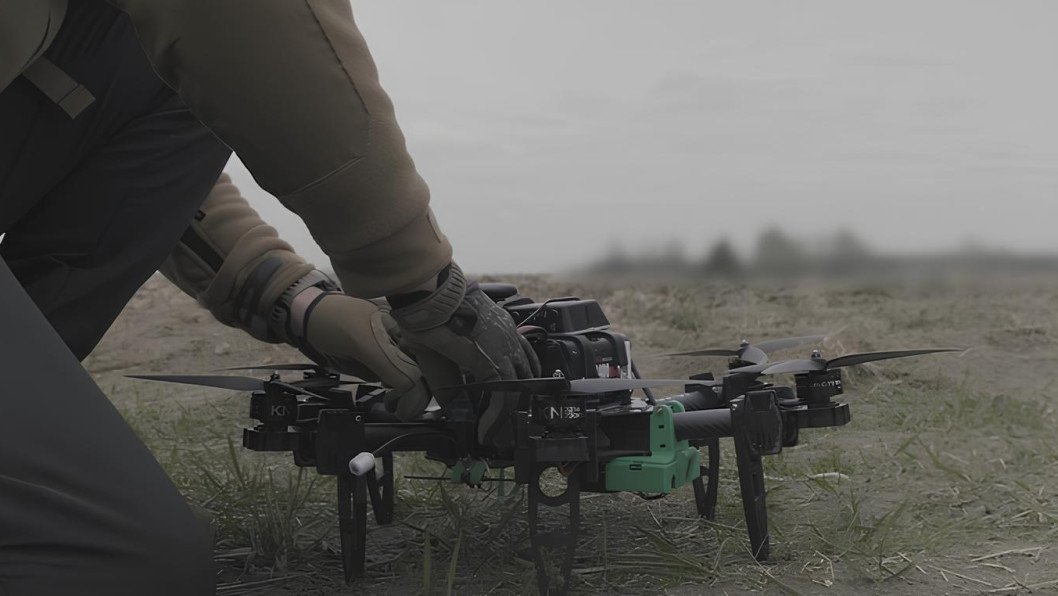
According to the developers, the interceptor’s performance allows it to engage most reconnaissance UAVs and strike drones effectively. The system’s maximum speed reaches 320 km/h, with a cruising speed of approximately 190 km/h.
The announcement comes as Ukraine continues to formalize and scale its drone warfare capabilities within the armed forces.
Speaking to the media on February 6, Commander-in-Chief of the Armed Forces of Ukraine Oleksandr Syrskyi said Ukraine is further developing its unmanned systems forces as a separate branch of the military, with strict oversight of their battlefield use.
Syrskyi noted that the pace of development has accelerated since a dedicated Unmanned Systems grouping was established in the summer of 2025. Since then, the contribution of drones to effective fire damage and enemy losses has risen sharply, increasing from about 4% to 33%, according to the commander-in-chief.
Earlier, Ukrainian electronic warfare company UNWAVE unveiled a new one-way attack drone called Stepovyi Viter, which the company says is capable of striking targets at distances of up to 70 kilometers.
Discuss this article:
-9bd5e1532102621f8fb1c4ba871a3171.png)

-111f0e5095e02c02446ffed57bfb0ab1.jpeg "Photo of Roman Kohanets")


-72b63a4e0c8c475ad81fe3eed3f63729.jpeg "Photo of Cyril Barabaltchouk")