- Category
- Latest news
Ukrainian Hackers Expose Russian Military Arms Smuggling via Occupied Crimea
 Prefer U24 Media on Google
- Authors


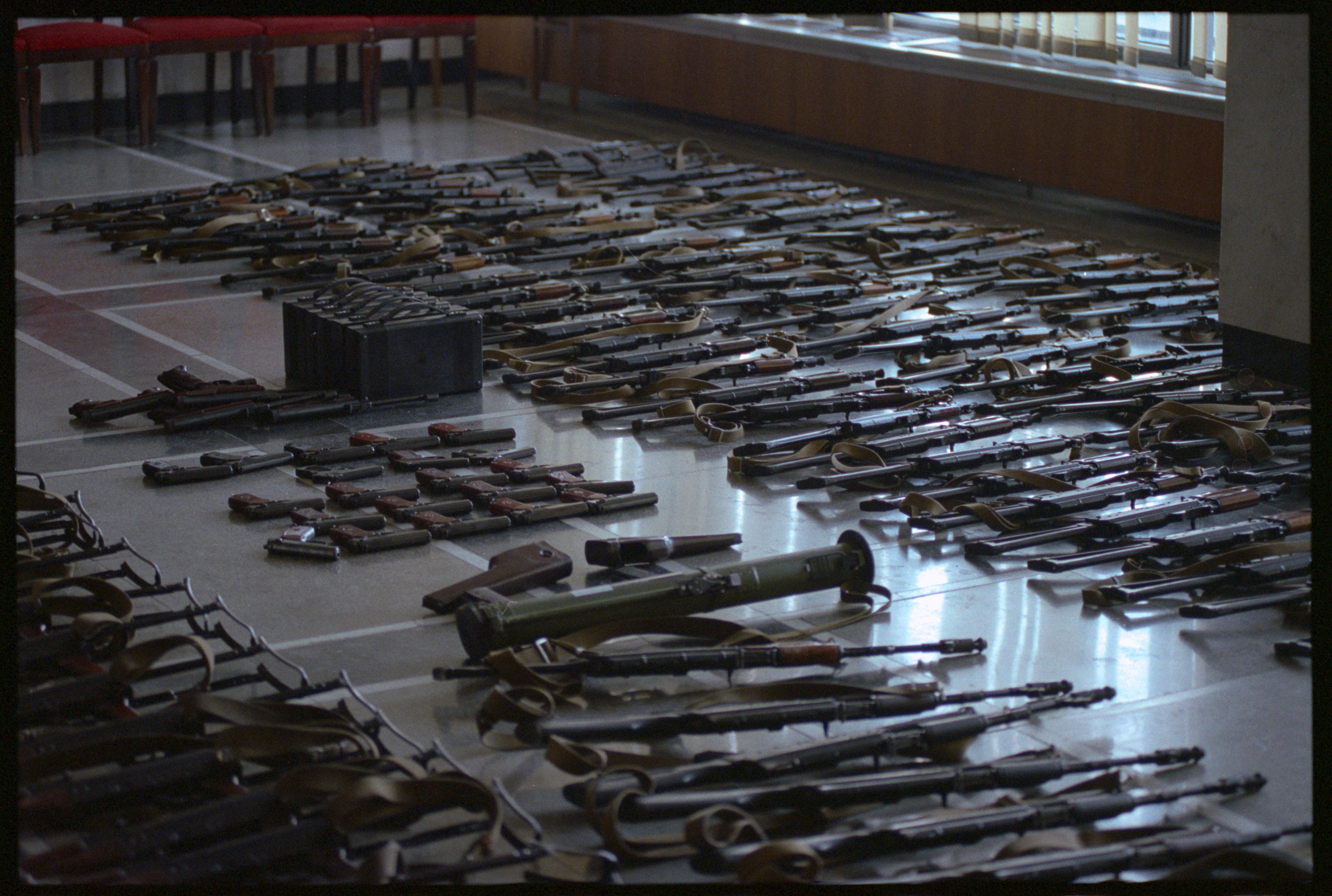
Russian military officers, working alongside fighters from the Kadyrov-linked Vostok-Akhmat battalion, have set up a weapons-smuggling network operating through temporarily occupied Crimea, according to an investigation by Ukrainian hacker group 256 Cyber Assault Division in cooperation with the international intelligence community InformNapalm published on January 8.
Investigators say the occupied peninsula has been turned into a central transit hub, with weapons first moved into Crimea and then trafficked onward to black markets inside Russia as well as to destinations in Europe, West Asia, and Africa.
We bring you stories from the ground. Your support keeps our team in the field.
According to the findings, Russian operators rely on oil tankers from the so-called “shadow fleet” to move weapons out of Crimea, exploiting maritime routes that evade oversight and sanctions enforcement.
Hackers gained access to the accounts of multiple Russian officers, including Major Yevgeny Dmitriev, identified as a platoon commander in the Storm-V assault unit of Russia’s 291st Guards Motorized Rifle Regiment, part of the 42nd Motorized Rifle Division of the 58th Combined Arms Army, currently deployed on the Zaporizhzhia axis.
#Kadyrov's fighters are looting the shop in Kursk region.
— Olena_Wave🇺🇦 (@OlenaWave) August 18, 2024
From Russian telegram channel "The Typical #Kursk". pic.twitter.com/Vi8F2071Uq
The investigation claims Dmitriev established the smuggling operation in the summer of 2024 through direct contacts with fighters from the Vostok-Akhmat unit. Those ties allegedly allowed participants to receive advance warnings about surprise inspections by Russian counterintelligence or the FSB, which investigators say sometimes pose as buyers while attempting to identify illegal arms sellers.
Weapons shipments reportedly pass through checkpoints without inspection. On the occupied Zaporizhzhia and Kherson routes, hackers identified a consistent “work schedule” involving specific Rosgvardiya shifts at checkpoints along the R-280 highway, covering the Berdyansk–Melitopol–Chonhar–Simferopol corridor. These units are said to allow suspicious cargo through either without checks or in exchange for bribes, ignoring discrepancies between documents and actual shipments.
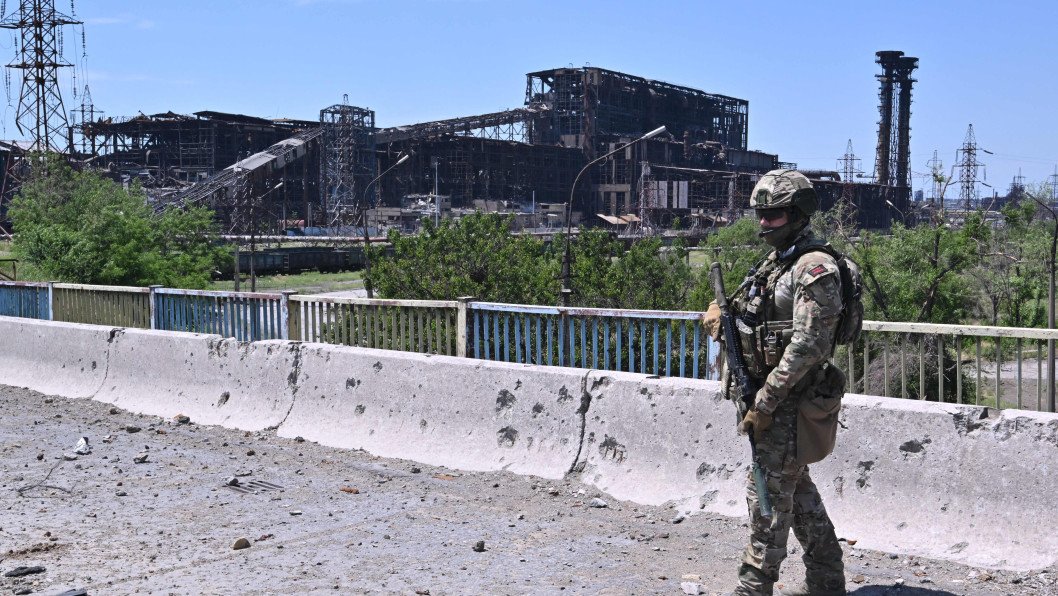
The smuggling networks are reportedly coordinated by officers from the 46th Separate Reconnaissance Brigade, a unit composed almost entirely of personnel from Chechnya and Dagestan. Its main base is located near Askania-Nova in the temporarily occupied Kherson region, with command staff also spread across Illinka, Novotroitske, Chaplynka, and Kalanchak.
According to the investigation, Russian unit commanders use multiple methods to obtain weapons for resale. These include sending soldiers into assaults without firearms under the instruction to “capture a rifle in battle,” inflating reported losses of small arms, withholding trophies taken from the battlefield from official inventories, and even stealing weapons from neighboring units.
-f0dd1de65fbd86de122fc366e20588b6.jpg)
At one point, investigators say, Kadyrov-linked groups began facing competition in the illegal arms trade from a Russian militant group known as “Espanola.”
In December 2025, the group’s founder and leader, Stanislav Orlov, was shot dead at his dacha in Sevastopol. The primary theory cited by investigators links the killing to conflicts with rival criminal groups and security services over control of logistics routes through occupied Crimea used to move weapons out of the war zone.
Earlier, reports emerged that Russian soldiers were systematically smuggling and selling weapons from the war zone in Ukraine.
Discuss this article: