- Category
- Latest news
Ukrainian Raybird Becomes World’s First Hydrogen-Electric Drone Used in Combat
 Prefer U24 Media on Google
- Authors




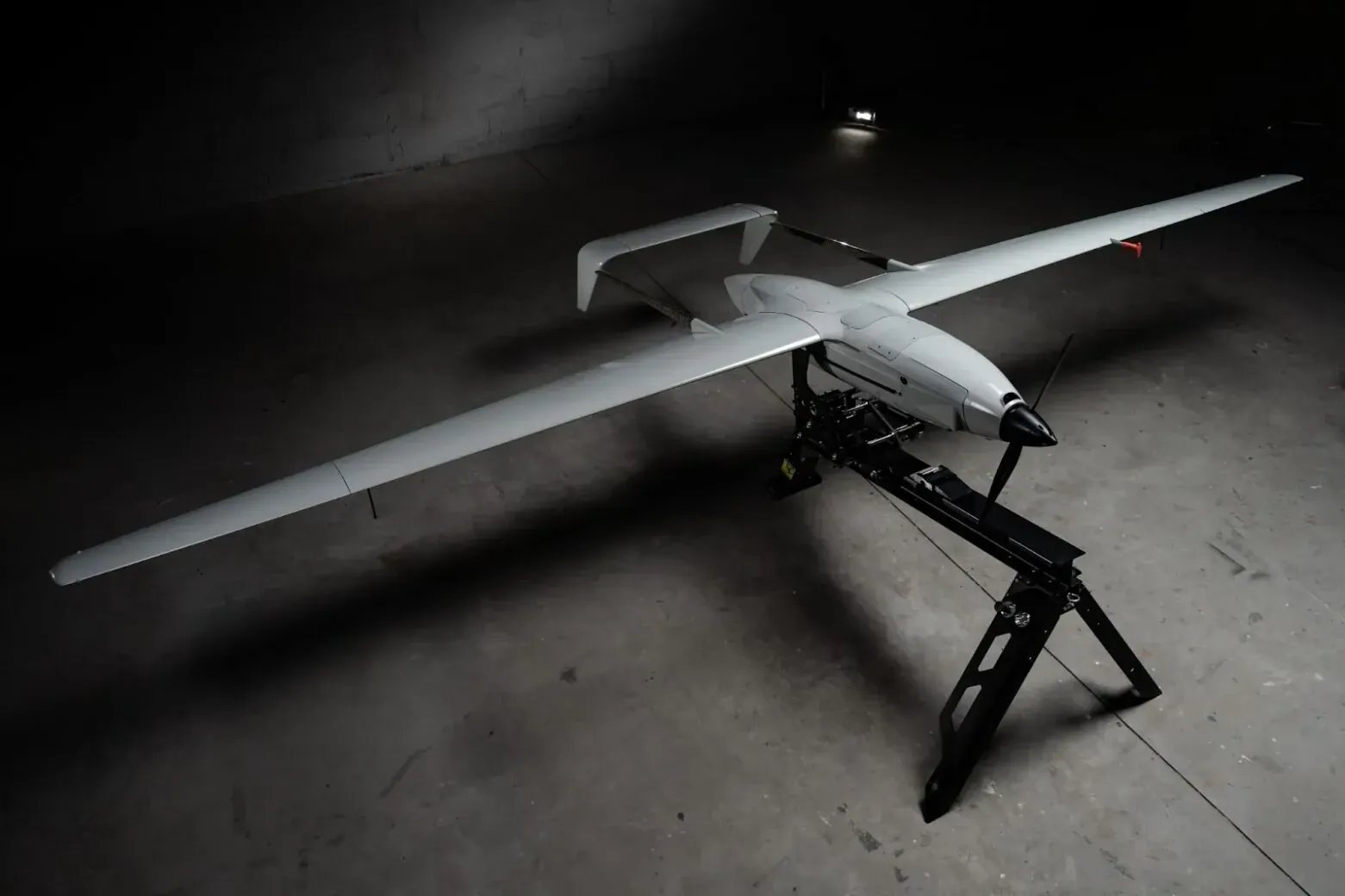
A Ukrainian-made reconnaissance drone powered by a hydrogen-electric propulsion system has been deployed on combat missions at the front, Ukrainian defense outlet Militarnyi reported, citing Skyeton, the manufacturer of the Raybird UAV on January 15.
According to the company, the hybrid version of the Raybird entered full operational duty in December 2025 with one of Ukraine’s Defense Forces units, marking the first known combat use of a hydrogen-powered reconnaissance drone in the war.
We bring you stories from the ground. Your support keeps our team in the field.
To accommodate the new propulsion system, Skyeton engineers redesigned the Raybird’s fuselage architecture to integrate hydrogen fuel storage while maintaining balance, weight distribution, and production scalability. The updated airframe was developed specifically to support serial manufacturing of the hybrid variant.
“Thanks to hydrogen-electric propulsion, the platform delivers improved operational efficiency and environmental advantages for both defense and civilian applications,” the company said.
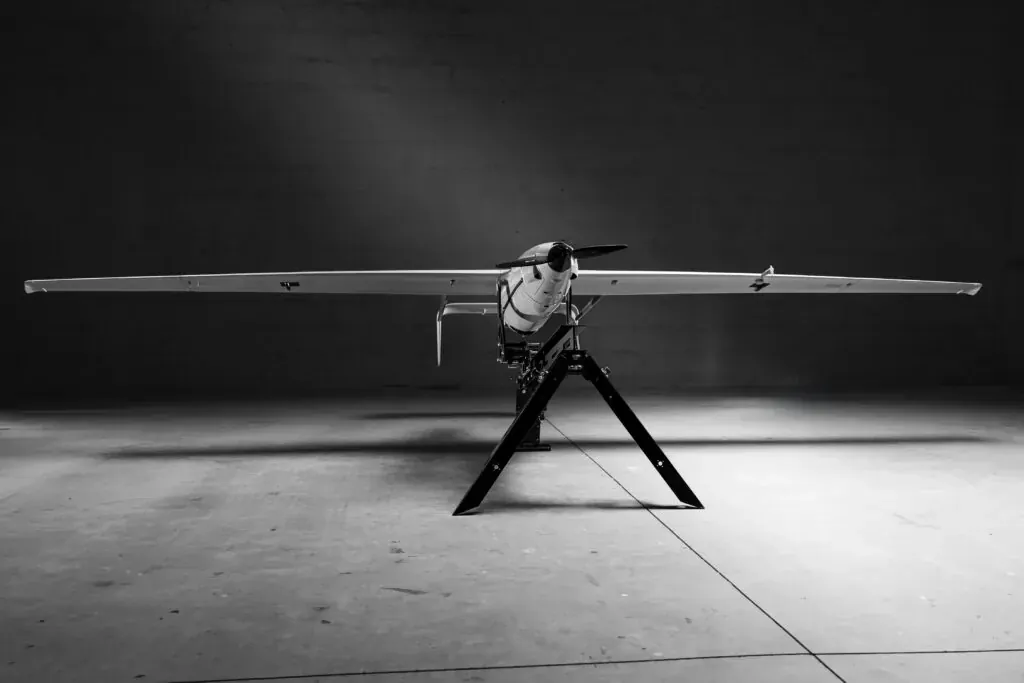
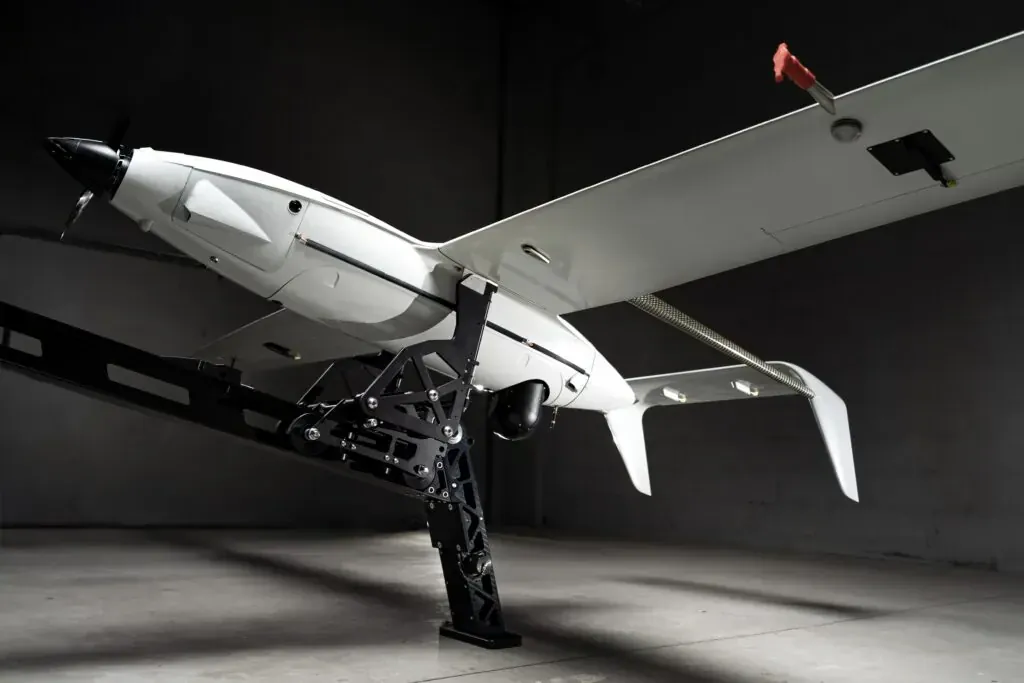
The standard Raybird, powered by an internal combustion engine, is capable of more than 28 hours of continuous flight. The hybrid hydrogen-electric version currently achieves around 12 hours of endurance, but engineers are actively working to extend that figure to 20 hours, Skyeton said.
“Hydrogen fuel allows us to combine all the advantages of an electric motor—high reliability and power, simplified maintenance—with long, uninterrupted flight, which is a defining feature of our UAV,” said Roman Kniazhenko, CEO of Skyeton.
28+ hours airborne — Raybird’s endurance is battle-proven. With 350,000+ combat flight hours, Raybird delivers long-duration ISR capability and supports 🇺🇦 units on demanding missions without the need for refueling. pic.twitter.com/JbRUgEjOBN
— Skyeton (@skyeton_inc) November 28, 2025
“For us, maintaining this balance is critical, because Raybird performs complex deep-reconnaissance missions using high-tech payloads, and the average duration of such missions exceeds 10 hours.”
In addition to the benefits of electric propulsion and hydrogen-powered endurance, the new Raybird offers several battlefield advantages:
minimal thermal signature, as the electric motor generates far less heat than a combustion engine;
wider operational altitude range;
significantly reduced acoustic signature, making the drone harder to detect.
Both the conventional and hybrid versions of the Raybird are designed to operate in extreme climates, with a certified temperature range from –35°C to +55°C (–31°F to 131°F).
Skyeton said the hydrogen-electric Raybird will be delivered to customers as a fully integrated, standalone solution, rather than an experimental add-on.
Earlier, Ukraine’s battle-tested Raybird drone, an advanced multi-role unmanned aerial system (UAS) boasting more than 350,000 combat hours, was being positioned as a potential replacement for the UK’s Watchkeeper—the troubled surveillance drone expected to retire in 2027.
Discuss this article:



-c439b7bd9030ecf9d5a4287dc361ba31.jpg "Photo of Katherina Popilnichenko")