- Category
- Latest news
US Arsenal Surge: Lockheed Martin Ramps PAC-3, GMLRS and HIMARS to Meet Global Demand
 Prefer U24 Media on Google
- Authors



Lockheed Martin is rapidly scaling production across a suite of the US military’s most in-demand precision weapons and launchers—from PAC-3 interceptors and GMLRS rockets to HIMARS launchers, Javelin anti-tank missiles, PrSM long-range fires, and air-launched strike missiles such as JASSM and LRASM—as demand for precision strike and air-defense capability surges, Defence Blog reported on October 8.
The company says the expansion responds both to urgent US military requirements and to strong allied demand for munitions and launch platforms.
The effort includes major investments in factory capacity, automation, supply-chain resilience, and technical support to speed deliveries and sustain higher production rates.
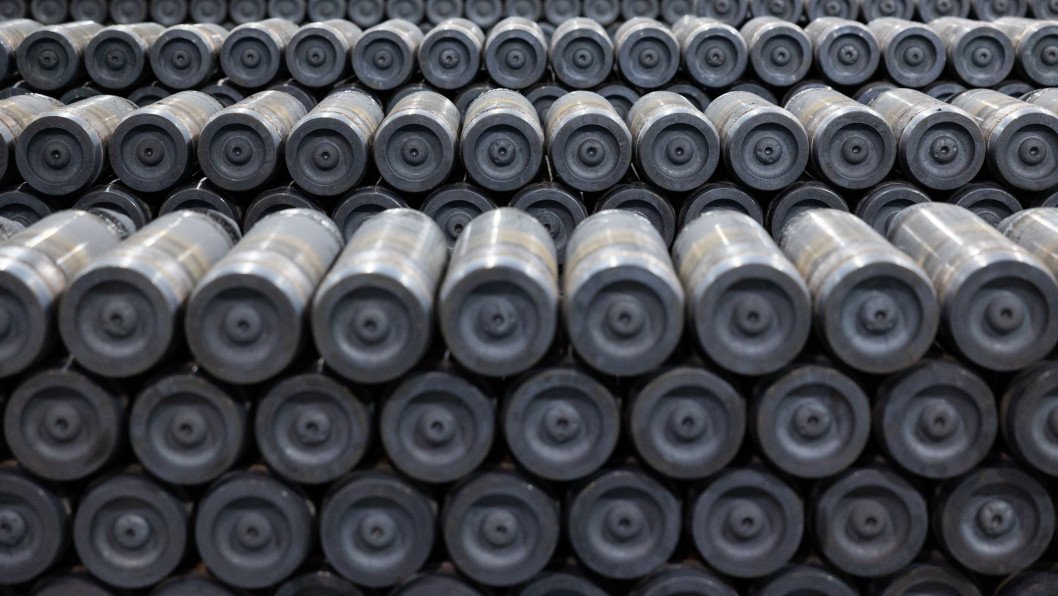
“The ramp-up is real, and so is our response,” Lockheed said. “We are scaling production across key missile and launcher systems—expanding PAC-3 MSE and GMLRS, doubling HIMARS output and accelerating PrSM, Javelin, and JASSM/LRASM—to support US and allied deterrence.”
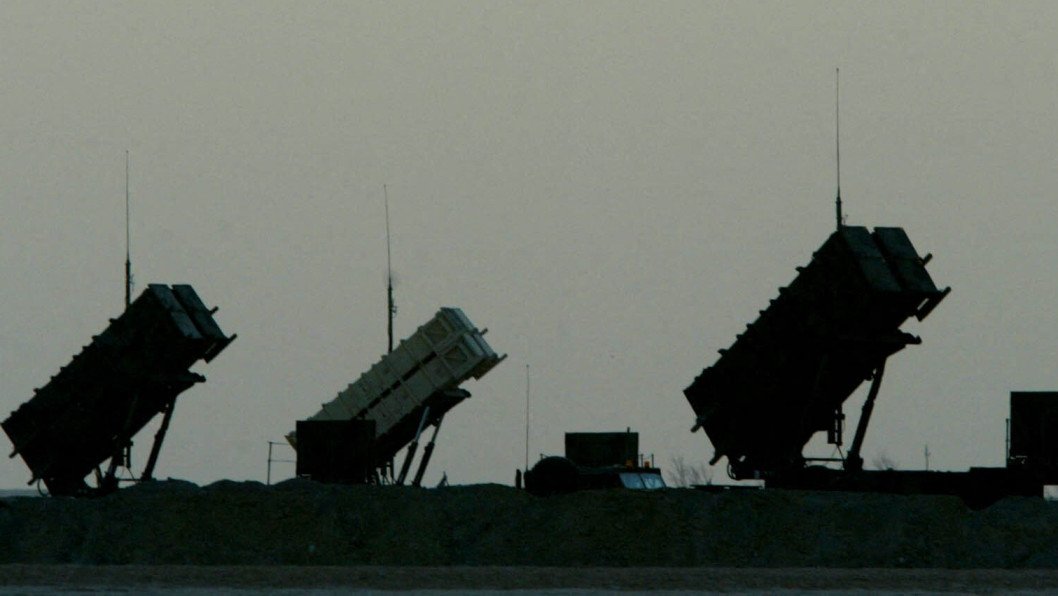
According to Defence Blog, PAC-3 Missile Segment Enhancement (MSE) output is climbing to record levels: Lockheed has delivered more than 2,500 PAC-3 MSE interceptors to date and expects to produce more than 600 missiles in 2025, moving toward a sustained rate near 650 per year and exploring further capacity increases to meet worldwide demand.
Guided Multiple Launch Rocket System (GMLRS) production is likewise expanding aggressively. Lockheed reports more than 75,000 GMLRS rockets delivered overall and says it is ramping to a production cadence targeting roughly 14,000 rounds a year—a level aimed at keeping Army and allied rocket artillery topped up during intensive operations.
Something we’ve not seen in a very long time…
— Sytheruk 🇬🇧 🇺🇦 (@SythUK) August 27, 2025
HIMARS!!!
Ukraine launch HIMARS attacks on the invading Russian positions 🔥 pic.twitter.com/1dp3m3BPSV
HIMARS launchers have already seen a rapid output increase: annual capacity climbed from 48 to 96 launchers in 2024, ahead of schedule, backed by roughly $2.8 billion in Army awards and substantial tooling and supply-chain upgrades. The system’s mobility and precision have made it a priority for US and partner forces, Defence Blog reported.
PrSM, the Army’s next-generation ground-launched precision missile, is also moving into larger-scale production. Increment 1 has delivered early operational capability rounds, and Lockheed is building surge capacity under an IDIQ arrangement, targeting a production posture that could reach hundreds of missiles annually.
Javelin anti-tank production, run jointly with Raytheon, is being expanded from a current baseline capacity of about 2,400 munitions per year toward roughly 3,960 units by late 2026 through line modernizations and efficiency gains.
Air-launched deep-strike weapons—JASSM and LRASM—are also in a capacity expansion after a major contract in 2024 and further facilitation awards in 2025 to speed manufacturing and increase output.
Lockheed presents the push as more than a short-term surge: the company is investing in automation, advanced manufacturing, and hardened supplier networks to sustain higher throughput over the long term and to reduce single-point risks in the industrial base, Defence Blog noted.
“Lockheed Martin is delivering at the speed of relevance—backed by the strength of American manufacturing and a resilient defense industrial base,” the firm said.
PAC-3 interceptor launch White Sands Missile Range
— Angie Stewart (@Usual_Anomaly) August 8, 2024
New Mexico, USA
(📷 via US Army/Boeing Def) pic.twitter.com/xqP86uotre
Officials in Washington and allied capitals are watching the industrial effort closely as planners prepare for a protracted demand for precision fires, air-defense interceptors, and long-range strike in a more contested security environment. The expansion also dovetails with broader US defense priorities that emphasize industrial readiness and rapid fielding of proven capabilities amid heightened tensions in multiple theaters.
Earlier, reports emerged that armored battles in Ukraine convinced the US Army to fast-track the most significant upgrade to its main battle tank in decades, with four prototypes of the next-generation M1E3 Abrams now set to enter formations in 2026, years ahead of schedule.
Discuss this article:



-c439b7bd9030ecf9d5a4287dc361ba31.jpg "Photo of Katherina Popilnichenko")