- Category
- Latest news
Tomahawk Gets Brain Upgrade: 837 New Seekers to Make Missile Self-Targeting and Retaskable
 Prefer U24 Media on Google
- Authors


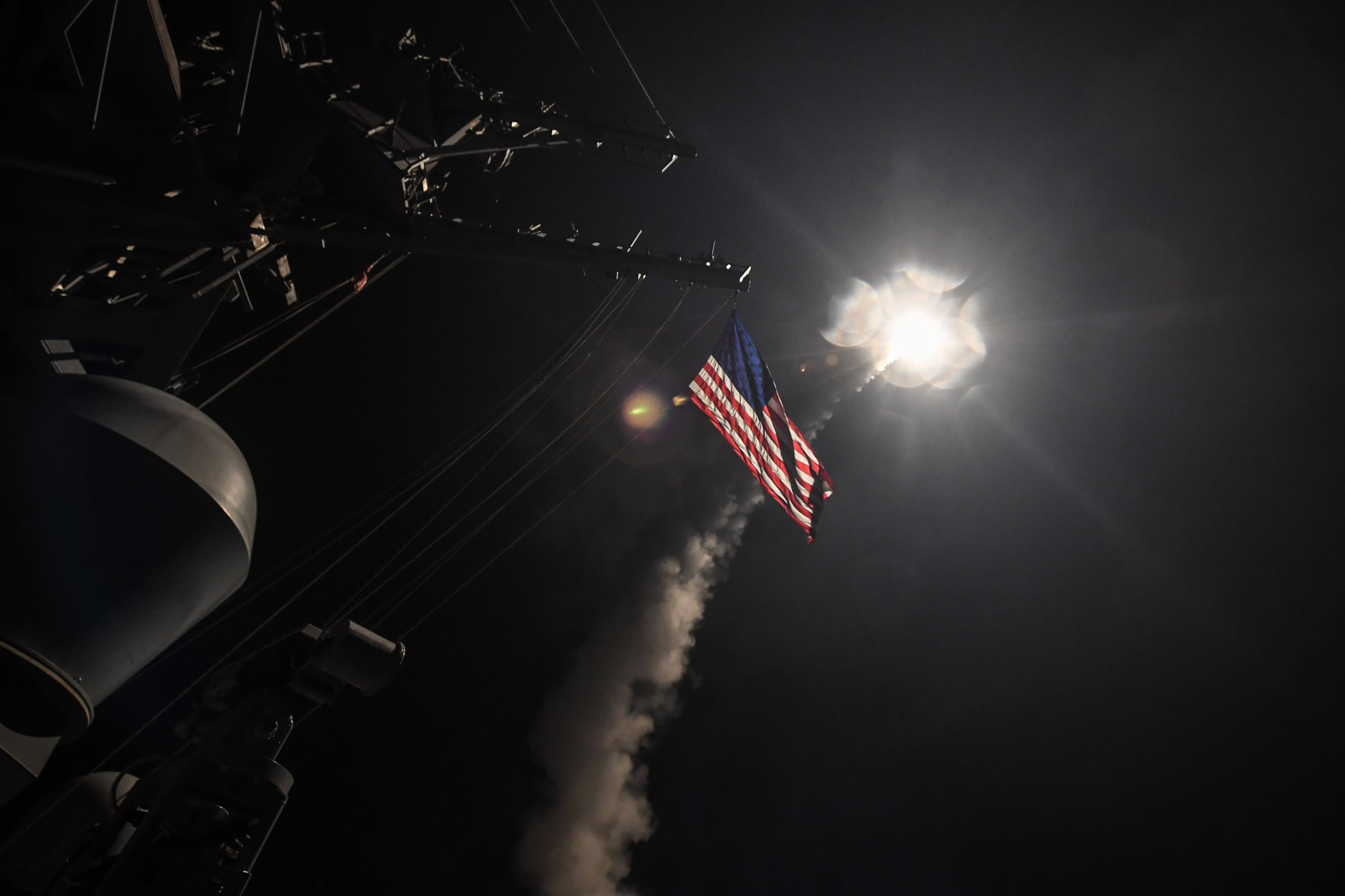
The US Navy has approved the purchase of 837 new seekers for the Maritime Strike Tomahawk (MST)—the anti-ship Block Va variant of the Tomahawk family—a move that will make the cruise missile markedly smarter at detecting and re-engaging moving maritime targets, official procurement paperwork shows, according to Naval News on October 10.
Raytheon will supply the multimode seeker packages for Tomahawk Block Va, which the Navy is fielding as the Block V baseline for retiring older variants.
U.S. Navy guided-missile destroyers from the Harry S. Truman Carrier Strike Group, operating in the Red Sea, launch Tomahawk Land Attack Missiles (TLAMs) at Iranian-backed Houthi command and control, weapon production and storage facilities in Yemen on December 31st, within the… pic.twitter.com/cGLffIHVEX
— U.S. Central Command (@CENTCOM) January 3, 2025
The new maritime seeker combines active and passive sensors and, according to limited Pentagon descriptions, will operate in multiple modes and autonomously “distinguish targets.” Tomahawk Block Va can also be retargeted in flight, a crucial capability when maritime priorities shift during the missile’s long flight time.
At its longest published range—roughly 1,600 km for some Block V configurations—a Tomahawk can fly for more than an hour before impact. That opens time for target movement or changing operational priorities, and the upgraded seeker plus in-flight retasking capability is intended to keep the missile relevant against ships that can relocate or be otherwise reclassified during flight.
Here’s what a Tomahawk missile is and how it can help Ukraine 👇https://t.co/liWQ0mtGCu
— UNITED24 Media (@United24media) September 28, 2025
There are tradeoffs. Some open reporting has suggested that the Block Va’s new guidance hardware and sensors are bulkier than earlier packages and may have reduced fuel volume, trimming range in practice—some sources claim an effective range closer to 700 km for certain Block Va loadouts.
Official range figures remain gated, and any actual decrease would be the result of balancing seeker complexity, fuel load, and launch-platform constraints.
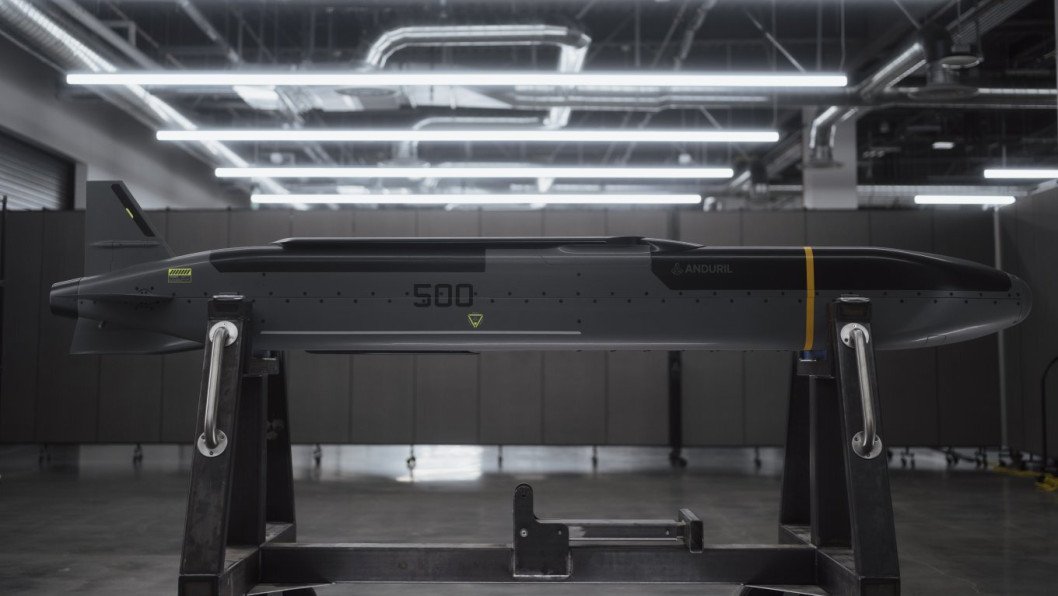
The procurement approval covers more than hardware buys. Navy documents also authorize modernization of production lines, technical data support, obsolescence management for seeker kits, and engineering work to broaden Tomahawk launch options—explicitly naming efforts to adapt launchers for both the US Marine Corps and the US Army.
That last point is notable because the Marine Corps recently signaled it would drop development of its own Tomahawk unmanned launcher effort under the Long Range Fires (LRF) program in fiscal 2026 and transfer related stock and work to the Army. The procurement language’s continued mention of the Marines suggests service-level discussions over launch concepts are not fully closed.
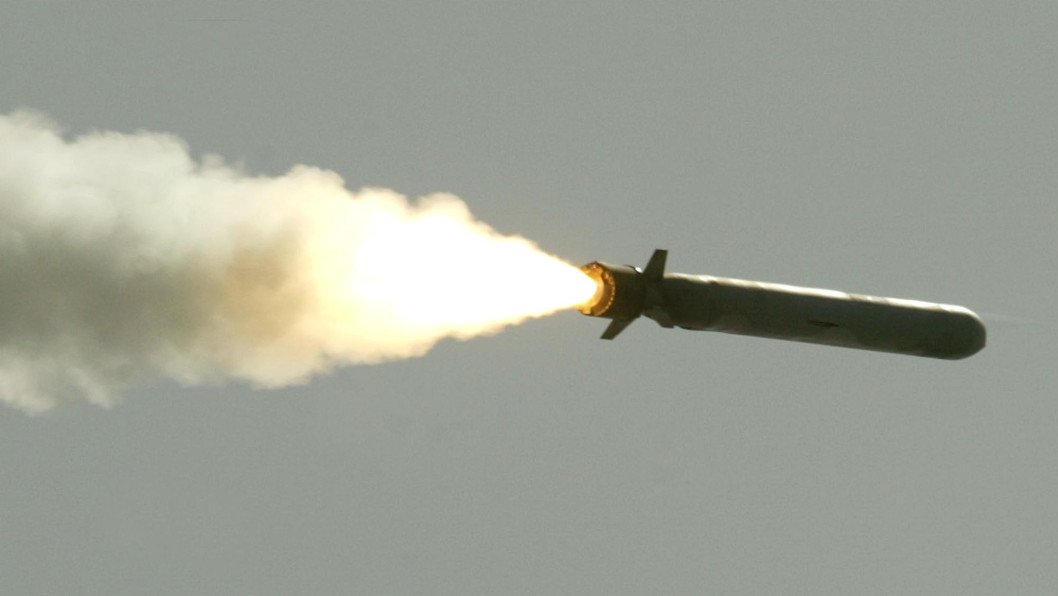
According to the Ukrainain defense outlet Defense Express, that matters for Ukraine: mobile, lower-signature launchers such as the cancelled Marine LRF concept were discussed in Western circles as a potential way to export Tomahawk-class deep-strike effects without relying on large surface combatants or long-range aircraft. LRF-style launchers are compact, mobile, and—in some designs—unmanned; supporters argue they would be an ideal form factor for partners that need long-range precision fires but lack carrier or strike-air capacity.
Earlier, the US Army took a major step toward fielding its next-generation long-range strike weapon: the Precision Strike Missile (PrSM) Increment 1 completed Initial Operational Test and Evaluation (IOT&E) at White Sands Missile Range in New Mexico.
Discuss this article:
-9bd5e1532102621f8fb1c4ba871a3171.png)


-c439b7bd9030ecf9d5a4287dc361ba31.jpg "Photo of Katherina Popilnichenko")