- Category
- Latest news
US Cutting-Edge ATACMS Successor Nails Tests at White Sands
 Prefer U24 Media on Google
- Authors



The US Army has taken a major step toward fielding its next-generation long-range strike weapon: the Precision Strike Missile (PrSM) Increment 1 completed Initial Operational Test and Evaluation (IOT&E) at White Sands Missile Range in New Mexico, according to the defense media outlet Defence Blog on October 3.
Four PrSM Increment 1 rounds were fired at targets 200 kilometers away, and the launches met the system’s performance objectives for range, trajectory, accuracy, and height-of-burst, the US Army reported.
US Army has conducted five successful Precision Strike Missile #PrSM flight tests / PQT in the last five months for a total of 8 successful #PrSM launches factoring in the three 'double shots'. Both HIMARS & M270A2 have now fired #PrSM Inc 1 during production qualification tests. pic.twitter.com/xfhKCgJOLw
— AirPower 2.0 (MIL_STD) (@AirPowerNEW1) April 22, 2025
“The success of this test series is a testament to the hard work and dedication of our soldiers, as well as the strong partnership between the Army and our industry partners,” Maj. Gen. Frank Lozano, Program Executive Office Missiles and Space, said.
“Partnerships are instrumental in the development and testing of advanced, lethal capabilities, and we look forward to continuing to work together to deliver this critical capability to the warfighter.”
Defence Blog notes that PrSM is central to the Army’s long-range fires modernization program and is intended to succeed the aging Army Tactical Missile System (ATACMS).
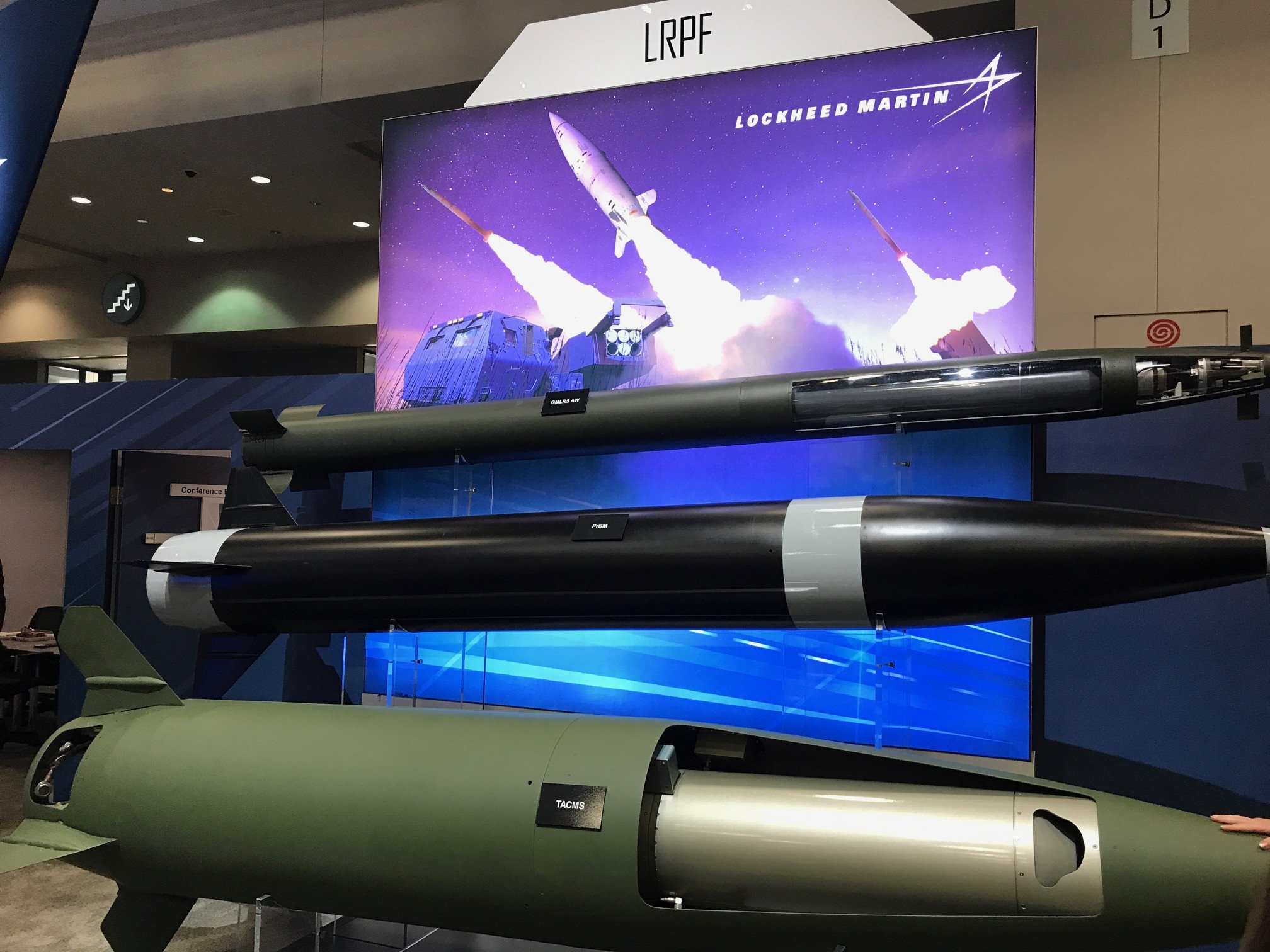
Designed with an open-systems architecture and modular components, the PrSM family is engineered for upgrades—from improved seekers for engaging moving targets to extended-range variants that can push deep into contested airspace.
While the recent test engaged targets at roughly 200 km, Increment 1 is part of a staged development plan that will eventually aim to deliver precision fires beyond 400-500 km.
Initial lethality assessments from the IOT&E indicated nominal performance, supporting the system’s expected operational capability and clearing a key hurdle toward full-rate production and fielding.
🇺🇸 Lockheed Martin has announced that Precision Strike Missile (PrSM) completed Production Qualification Testing last week at White Sands Missile Range, NM.
— Colby Badhwar 🇨🇦🇬🇧 (@ColbyBadhwar) May 1, 2025
"This milestone brings the system closer to completing the final phase of development, culminating with Initial… pic.twitter.com/tgd9Fn0296
According to the Defence Blog, the PrSM program emphasizes adaptability and cost efficiency. Its modular design allows rapid insertion of new guidance suites, warhead configurations, and potential software-defined capabilities—features the Army says are critical to maintaining overmatch against near-peer adversaries.
Once deployed, PrSM is poised to expand ground-force reach against high-value targets, including command nodes, air-defense systems, and logistics hubs—targets traditionally struck with long-range cruise missiles and strike aircraft.
History made in the Northern Territory 📍🦾
— Defence Australia (@DefenceAust) July 29, 2025
The 14th Regiment, Royal Australian Artillery has fired Australia’s first-ever Precision Strike Missile (PrSM), building on land combat power 🚀💥
It was the first time the @AustralianArmy test-fired a PrSM on home soil, boosting our… pic.twitter.com/TDhkERIj3i
Analysts note that replacing ATACMS—a mature but limited system—with a family of scalable PrSM variants would alter how joint forces conceive of deep strikes and integrated fires.
A widely fielded PrSM could enable theater commanders to distribute long-range strike capacity across maneuver units, complicating adversary defense plans and reducing reliance on higher-cost, limited-stock solutions.
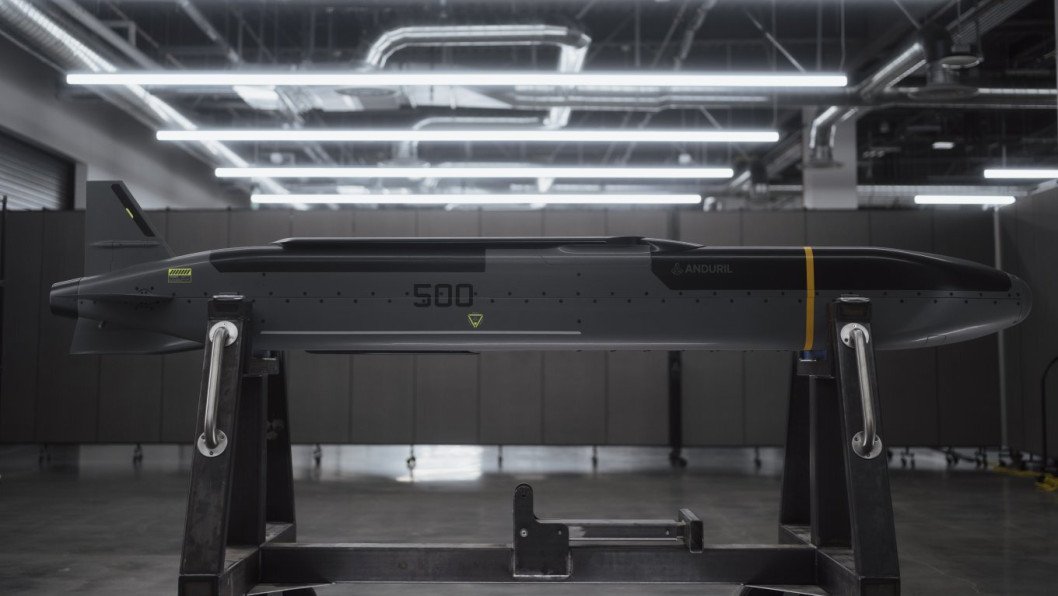
Earlier, reports emerged that the US Marine Corps recently decided to retire its Long Range Fires (LRF) launchers for Tomahawk missiles. The reason for the withdrawal was poor mobility on soft terrain, which limited their usefulness during amphibious operations.
The LRF is a remotely operated launcher mounted on a JLTV chassis. While the Marines intend to retain the platform for use in other systems, such as NMESIS with Naval Strike Missiles, the Tomahawk-specific launch components could be repurposed.
Defense analysts note that these systems could be installed on other wheeled vehicles more suitable for Ukraine’s operating environment.
Discuss this article:



-c439b7bd9030ecf9d5a4287dc361ba31.jpg "Photo of Katherina Popilnichenko")