- Category
- Latest news
Barracuda vs. Tomahawk: Could the US’s New Low-Cost Missile Be Ukraine’s Next Long-Range Weapon?
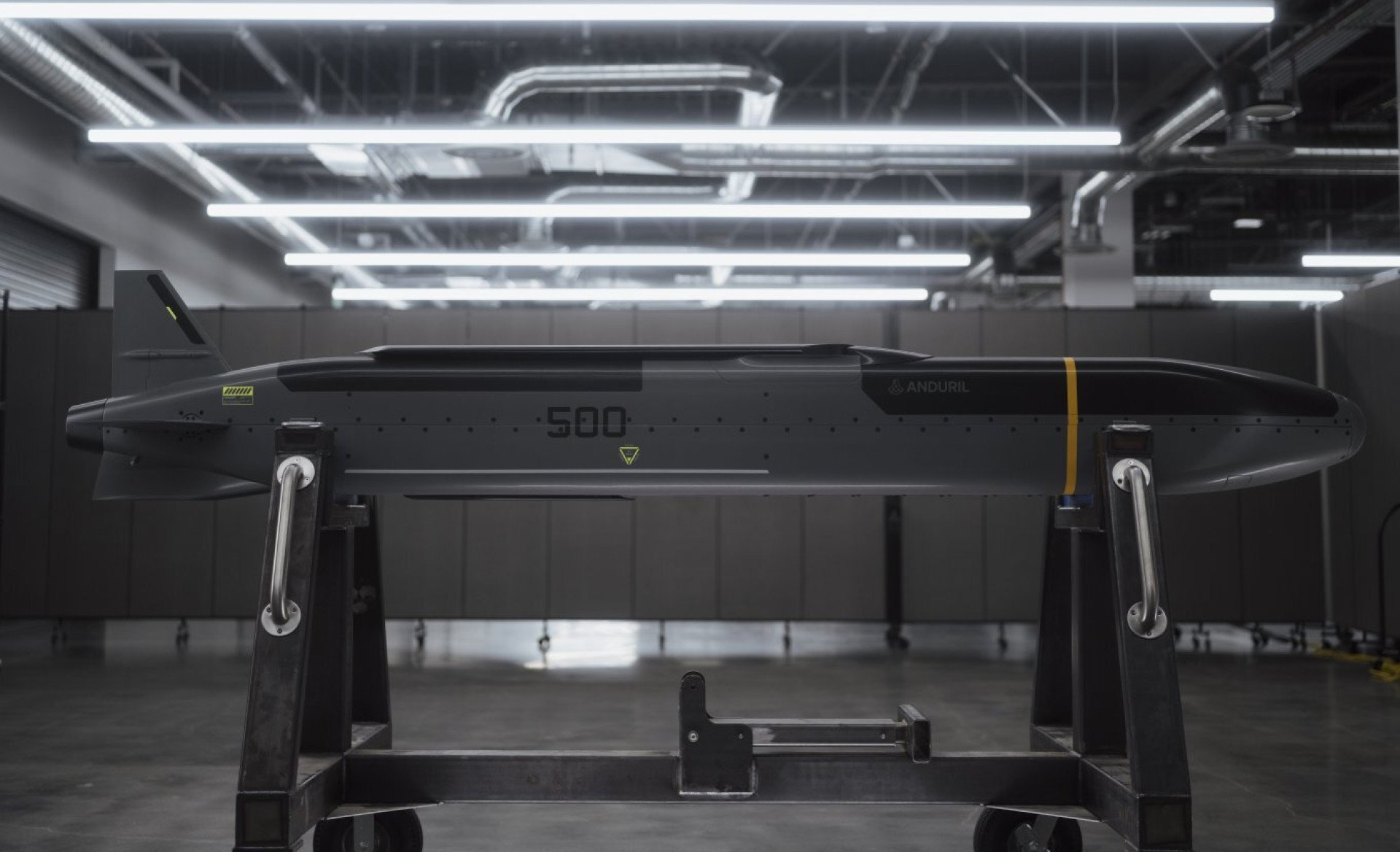
Anduril’s new Barracuda family of cruise-like missiles has emerged as a cheaper, longer-range alternative to scarce Tomahawks—but with small warheads and no mass-production line, let’s see how they stack up.
 Prefer U24 Media on Google
- Authors


Anduril Industries’ new Barracuda family of winged, cruise-like missiles—often described in Ukraine as “rocket-drones”—has attracted attention as a potential medium-range option for strikes on the European theater, Ukrainain defense media outlet Defense Express reported on October 2.
But despite promising ranges and low per-unit cost, the Barracuda line comes with drawbacks that limit its usefulness for high-value strikes: very small warheads and no current mass production capacity.
Successful test of a prototype surface-launched Barracuda-500.
— Anduril Industries (@anduriltech) September 23, 2025
We’re investing our own resources to deliver more affordable, producible, and flexible long range precision fires to the U.S. and our allies. pic.twitter.com/nwhc5EctC0
What is Barracuda?
Anduril advertises three variants: the Barracuda-100, Barracuda-250, and Barracuda-500. They differ substantially in size and reach. The Barracuda-100 is rated at roughly 110 km (ground launch) to 150 km (air launch); the Barracuda-250 at approximately 280 km (ground) and 370 km (air); and the Barracuda-500 pushes beyond 900 km when launched from an aircraft.
In short, the family spans tactical to long-range envelopes, with the Barracuda-500 offering the kind of reach that matters for strikes deep into Russian-held territory.
Anduril unveils Barracuda: new autonomous air vehicles in 3 variants:
— International Defence Analysis (@Defence_IDA) September 12, 2024
• Barracuda 100 & -250: 35lb payload
• Barracuda-500: 100+lb payload, 500+ nautical mile range. All fly up to 500 knots.@anduriltech pic.twitter.com/C0i4vCzlN8
Launch options and guidance
Initially, the Barracuda-500 was intended as an air-launched weapon—deployable from fighters like the F-16 or from palletized systems such as Rapid Dragon, where missiles are released from transport aircraft.
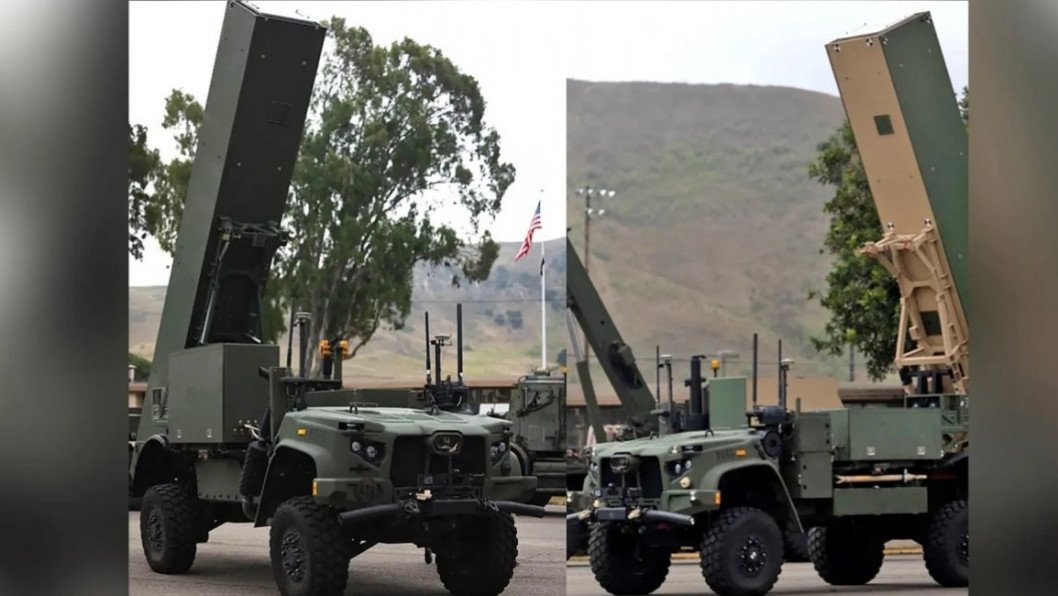
Anduril recently said it adapted the Barracuda-500 for ground launches and released trial footage; that ground configuration probably trims some range (industry commentary estimates a likely ballistic reduction into roughly 600–700 km, though Anduril has not specified exact numbers), Defense Express noted.
Guidance is expected to use the standard triad of inertial navigation, GNSS satellite fixes, and terrain-contour matching—the same kinds of “recon intelligence” inputs required for precision strikes into Russian territory.
How Barracuda stacks up vs Tomahawk
Tomahawk remains the better-known, combat-proven option for long-range, high-effect strikes—but it is also far more expensive and limited in supply.
Recent procurement examples show the price of Tomahawk can be steep for European partners: a Dutch order of 175 Tomahawks carried a notional ceiling price of about $2.19 billion, implying roughly $12.5 million per missile under that authorization.
That price point makes Tomahawk purchases costly and forces planners to look for cheaper alternatives or supplements.
The cons
First, the warhead sizes are small. The Barracuda-100 and -250 reportedly carry around 16 kg of explosive payload; even the largest Barracuda-500 carries roughly 45 kg, Defense Express noted.
That puts the Barracuda-500 in the same warhead class as some loitering munitions such as Shahed derivatives—capable of destroying soft targets, supply trucks, and small installations, but marginal against hardened infrastructure.
For European strikes where effect and area damage matter, only the Barracuda-500 is realistically useful—and even that has a limited punch for many target sets.
Shown: successful flight test of Barracuda-500, with vertical launch, autonomous flight, and precision target engagement. pic.twitter.com/kngqq09TQt
— Anduril Industries (@anduriltech) March 5, 2025
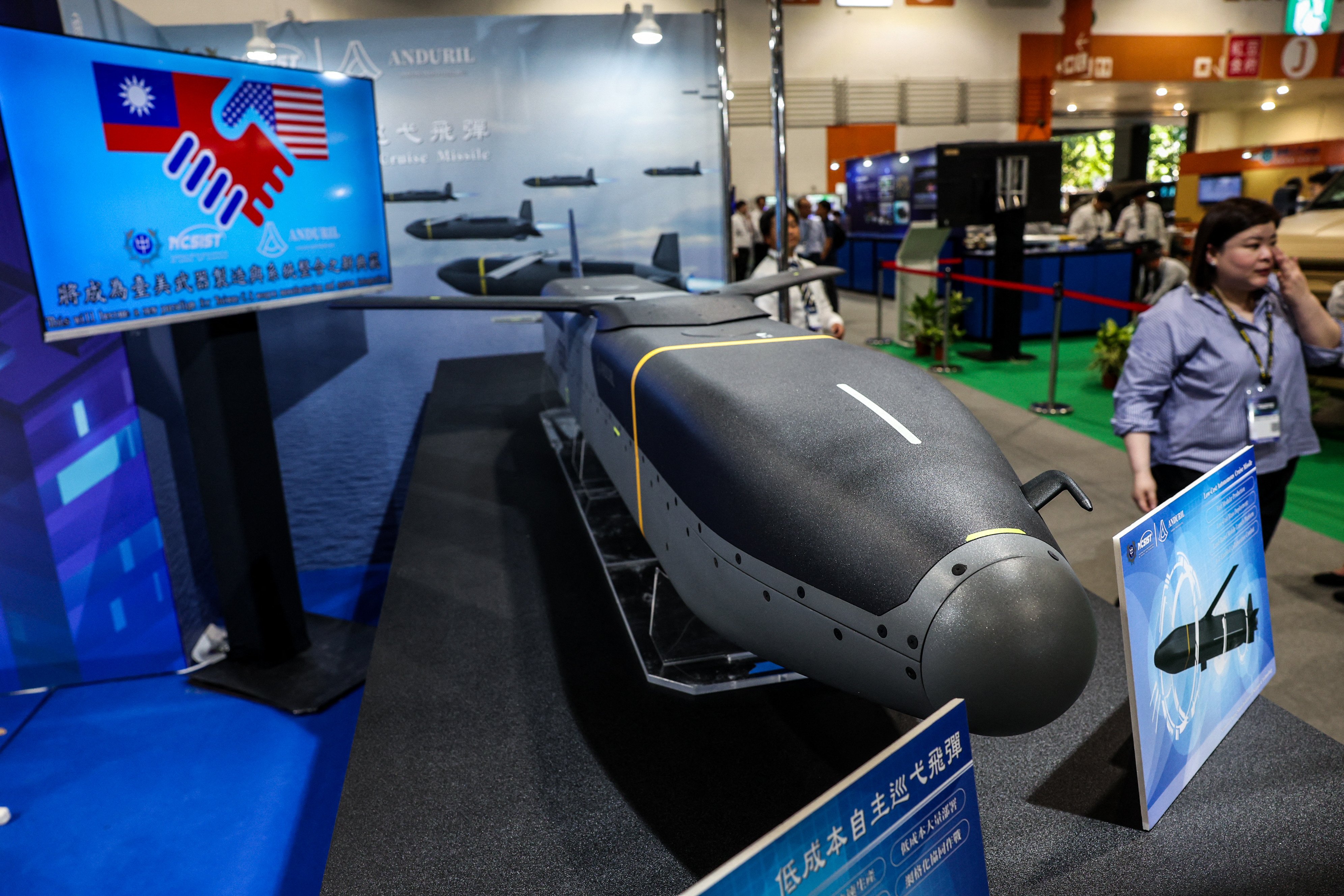
Second, Barracuda is not yet in serial production. Anduril introduced the family in September 2024 and has so far offered it to customers on an initiative basis rather than as an in-stock catalog item.
Anduril says the design is scalable and production can grow rapidly if ordered, but its own public timeline suggests meaningful output—on the order of several thousand missiles per year—would not arrive until late 2026 and only if substantial purchase orders materialize.
Put simply, a ramp to “thousands” likely translates to a few hundred operational Barracuda-500s per year only by the end of the production ramp.
What this means for Ukraine and partners
According to Defense Express, if Kyiv receives Western long-range missiles, quantity will matter as much as capability. Tomahawks will be scarce and costly; Barracuda offers a cheaper, scalable option in theory—but only if orders are placed now and production is ramped quickly.
Given Barracuda’s small warhead and current lack of serial output, it is likely to complement rather than replace heavier cruise missiles.
For NATO planners, the practical mix may end up being a blend: limited numbers of high-effect Tomahawks for hardened targets, and larger stocks of lower-cost Barracuda-class weapons for logistics nodes, mobile forces, and dispersed soft targets.
Barracuda-100 : 35 lb / 85 mile range
— AirPower 2.0 (MIL_STD) (@AirPowerNEW1) September 13, 2024
Barracuda-250 : 35 lbs / 250 nm range
Barracuda-500: 100lbs / 500 nm range https://t.co/aN10BFhf8M pic.twitter.com/BqVqosa7Sf
Barracuda brings range and affordability to the table, but its small explosive load and the absence of an active production line today are major constraints. Without a significant and rapid procurement push, the missile family will be useful—but only in a supporting role rather than as the primary long-range strike solution for the European theater.
Earlier, reports emerged that the US was set to provide Ukraine with intelligence for long-range strikes on Russia’s energy infrastructure, as the Trump administration weighs sending Kyiv powerful weapons such as Tomahawk and Barracuda cruise missiles that could put more targets within Russia in range.
Discuss this article:


-c439b7bd9030ecf9d5a4287dc361ba31.jpg "Photo of Katherina Popilnichenko")