- Category
- War in Ukraine
Meet Barracuda Missile: A Cheap High-Tech Alternative To Tomahawk
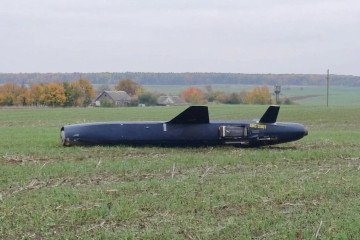
The US government is considering supplying Ukraine with long-range missiles to strike oil refineries, military facilities, and logistics nodes—targets that directly affect Russia’s ability to wage war. The Barracuda missile is one of the systems under consideration.
 Prefer U24 Media on Google
- Authors

-29a1a43aba23f9bb779a1ac8b98d2121.jpeg "Photo of Illia Kabachynskyi")
Anduril is a rock star of American defence tech; today, it is the most valuable US military startup, valued at $32 billion and holding substantial government contracts. Its founder is Palmer Luckey, who sold his company Oculus to Mark Zuckerberg for $2 billion and has since changed the focus of his work. Anduril’s core idea is to make defensive capabilities easier to scale and less expensive.
Anduril is already supplying its systems to Ukraine, including Altius 600m drones used for reconnaissance; there are also reports of deliveries of Altius 700m, which can strike targets up to 160 km deep. For Anduril, Ukraine serves as a proving ground to test its weapons under real combat conditions.
It appears the list of tools available to Ukraine may soon expand with another item—the Barracuda missile. Many rumors are circulating in the American press about sending long-range missiles to Ukraine that could strike targets inside Russia. At the same time, there is skepticism about supplying Tomahawks because of limited stocks of that missile and a need for an alternative. Anduril’s Barracuda missiles could become that alternative. What is known about them?
What is Barracuda?
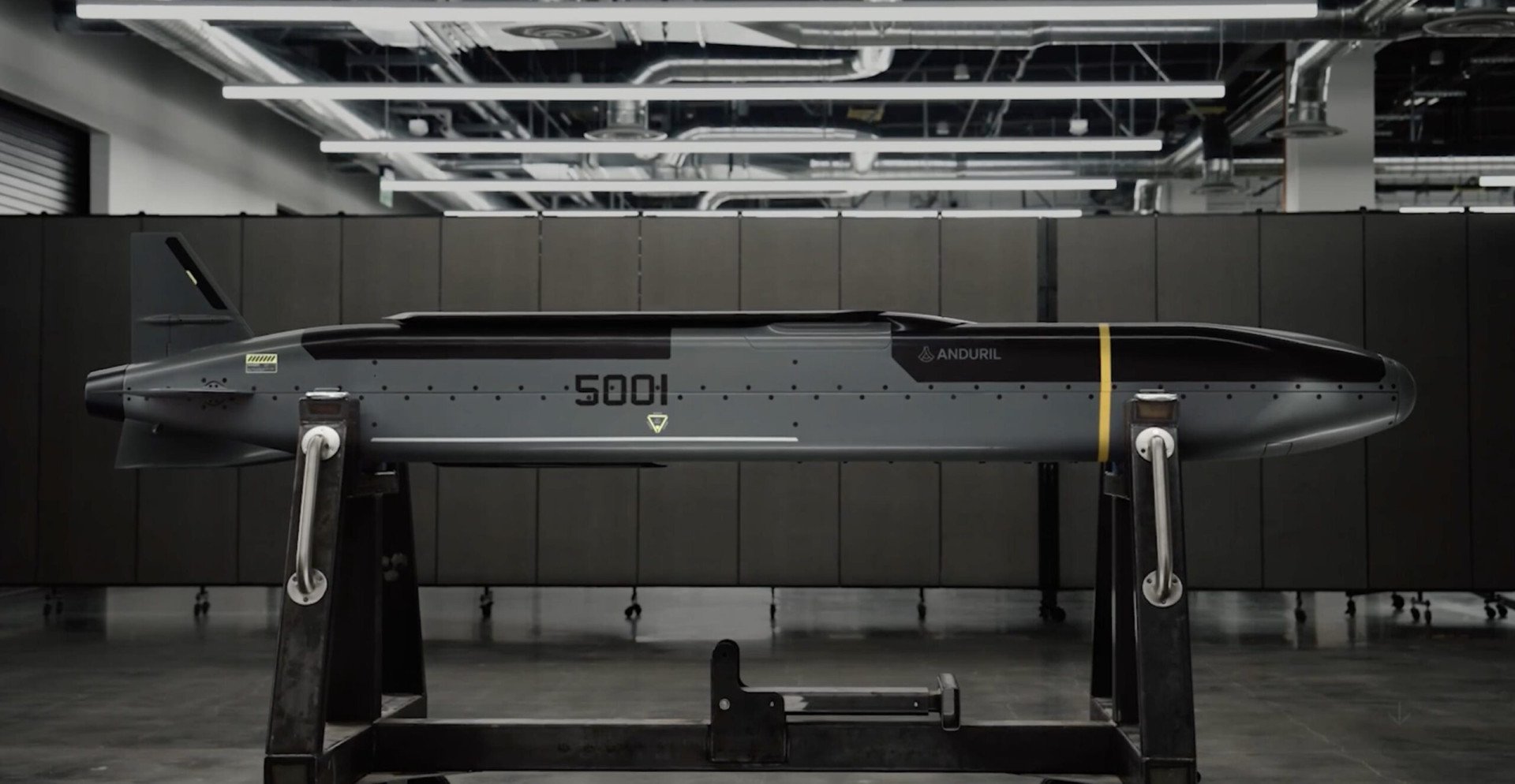
Barracuda is a family of cruise missiles designed to strike enemy targets. Anduril’s concept is to create a missile that is inexpensive to produce and can be manufactured quickly in large numbers. Officially, three variants exist:
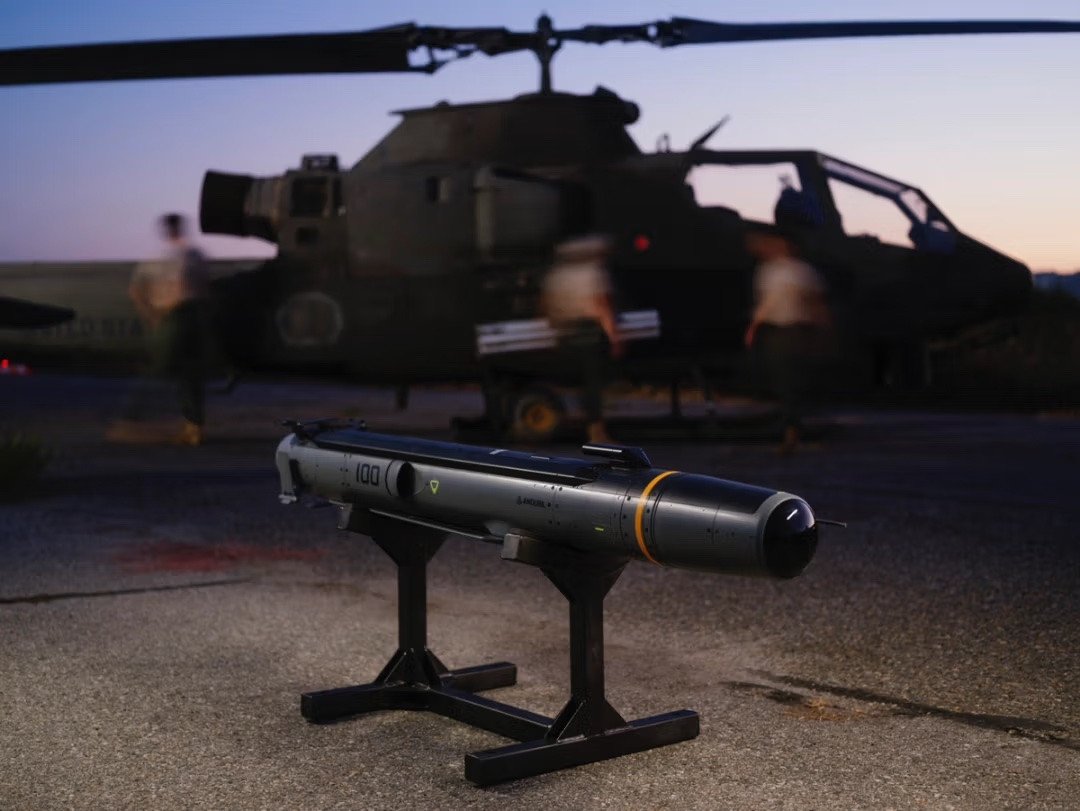
Barracuda-100 — the smallest version, capable of striking targets up to 220 km away, with a warhead of roughly 16 kg. Suitable for launch from helicopters and ground/sea launch platforms.
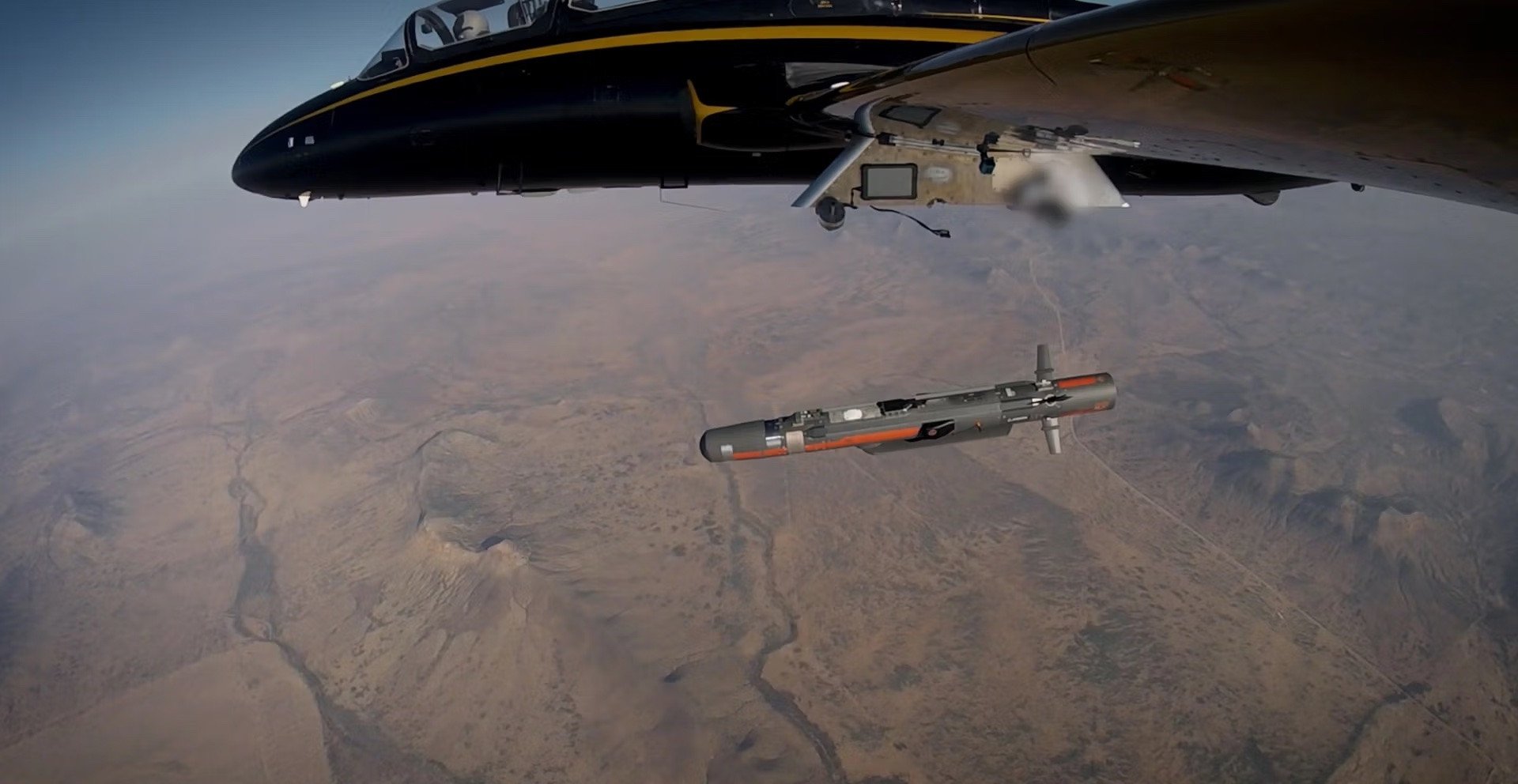
Barracuda-250 — a mid-range version: range about 370 km, warhead 16 kg. Air-launched.
Barracuda-500 (Barracuda-M) — the largest version: range up to 939 km, payload up to 45 kg.
Ukraine is primarily interested in the last variant, which can fly up to 900 km. The missile can be launched from both air and ground platforms, although ground launches may reduce its range to about 700 km. Anduril says the missile can be fired from existing platforms such as HIMARS, while the company is also developing its own launch system. Ukraine, for example, could launch these missiles from F-16s, which would be the most optimal arrangement.
What does “cheap missile” mean? The company claims unit production costs could be around $200,000. Today, cruise missiles typically cost more than $1 million each. Coupled with a design intended for rapid scale-up of production, the advantages are clear.
Anduril additionally insists that although the missile is inexpensive, it remains high-tech. The Barracuda can dynamically coordinate its route, interact with other systems, perform deception maneuvers, and synchronize with other weapons/missiles. It can also operate autonomously.
How Ukraine could use the Barracuda missile
The rationale for long-range missiles for Ukraine is evident: they provide the ability to strike military facilities, weapons depots, factories that produce components for military targets, oil refineries, and logistical routes. Ukraine already conducts some of these strikes with long-range drones, but a greater quantity of weapons would allow operations to be conducted more frequently.
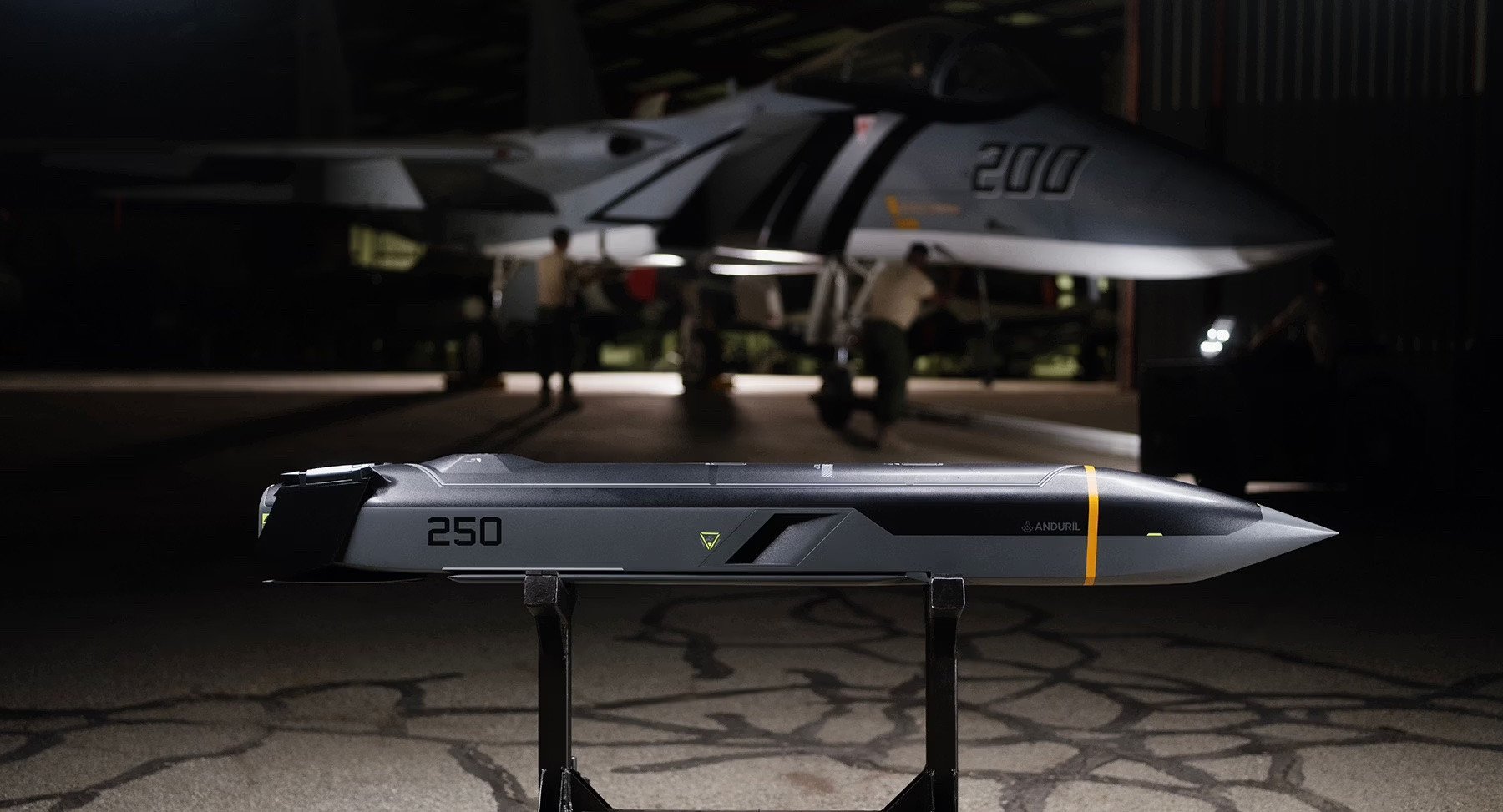
Another advantage of Anduril’s approach is mass production: the company talks about thousands of missiles per year. A major current problem with systems supplied to Ukraine is limited quantities—deliveries often number in the tens and are quickly exhausted. Having hundreds or thousands of missiles in reserve would allow planning for more operations and a higher cadence of strikes against Russia.
Specifically, strikes on Russian oil refineries would degrade production capacity, exert pressure on the Russian economy, and make it possible to weaken Russia economically rather than solely by force. Therefore, the more means Ukraine has for such strikes, the more significant the impact.
Because missiles carry larger warheads than drones, they can also be used against airfields and large military targets, which would help reduce the strength of Russian offensives.
Discuss this article: