- Category
- Latest news
US Sanctions Turn Liechtenstein Into a Graveyard of Russian Wealth Vehicles
 Prefer U24 Media on Google
- Authors


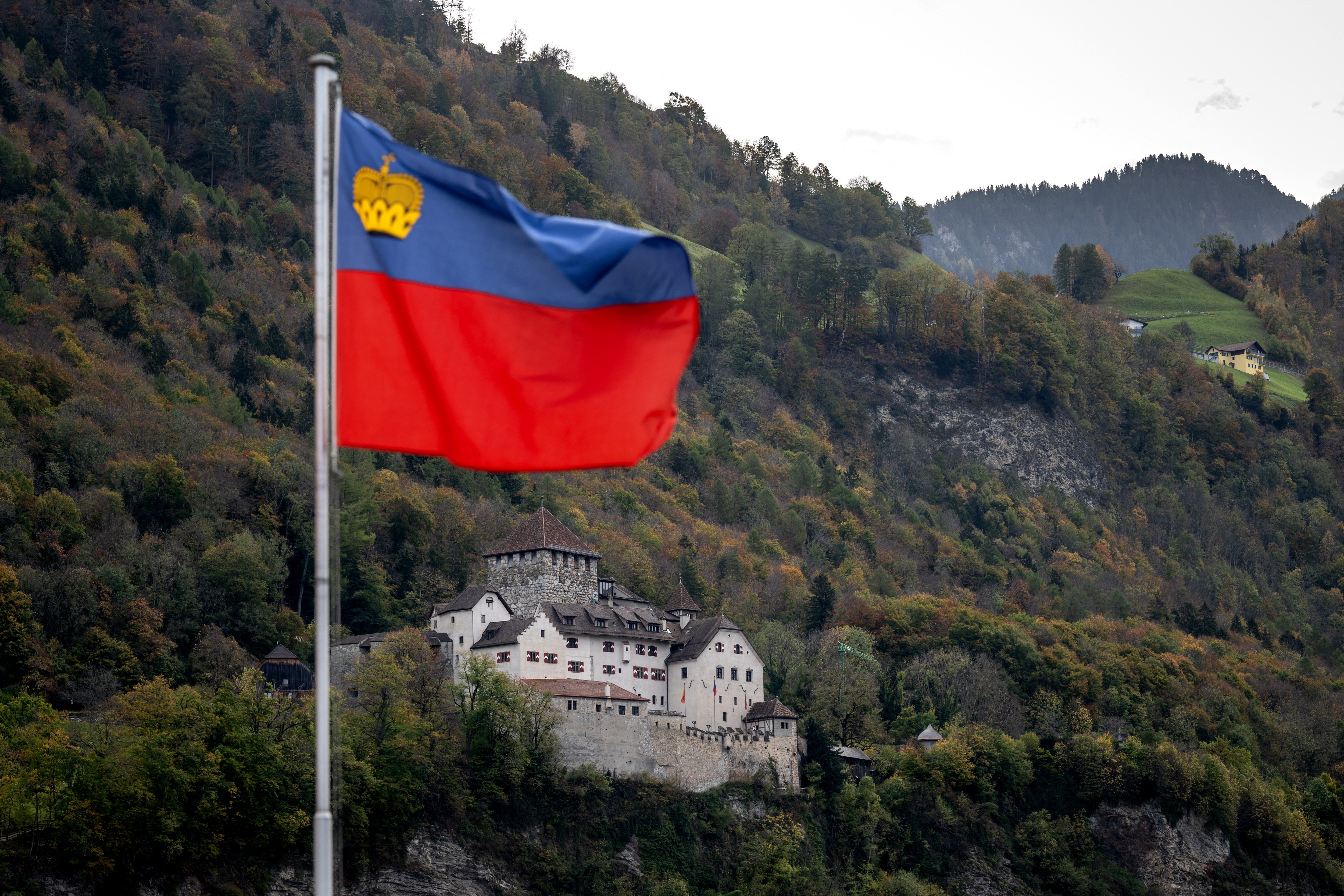
Liechtenstein has launched an emergency response task force to address a growing crisis in its financial sector, triggered by US sanctions against Russian-linked individuals and entities.
The situation has left hundreds of trusts—used to hold assets such as cash, yachts, aircraft, and real estate—without directors or legal management.
According to The Financial Times, up to 800 trusts in the principality have become what local officials describe as “zombie trusts.” These entities remain legally recognized but are effectively paralyzed due to mass resignations of fiduciaries following new compliance guidelines.
The wave of resignations was prompted by increased enforcement of US secondary sanctions, which threaten financial institutions engaging with certain Russian clients—even if those clients are not directly subject to sanctions.
Liechtenstein, a country known for its favorable tax and legal frameworks, joined EU sanctions against Russia in 2022. However, the crisis escalated in 2024 when the US Treasury imposed restrictions on several Liechtenstein-based individuals and corporate service providers for their roles in managing assets linked to sanctioned Russian oligarchs. These included figures such as Gennady Timchenko and Vladimir Potanin.
-972b40303f2e57597e22987d16a593dd.jpg)
In response, the Liechtenstein Financial Market Authority (FMA) adopted a “zero-tolerance” policy toward sanctioned or high-risk clients. In September 2024, the regulator issued guidance recommending fiduciaries sever ties with Russian-linked trusts to mitigate legal and reputational risks. The FMA stated that treating US sanctions as effectively binding was the “only appropriate means” of risk control.
This directive led to a sharp increase in fiduciary resignations, creating an administrative vacuum. According to government figures, 350 trusts are currently inactive pending regulatory review, 40 are undergoing liquidation, and 85 remain orphaned with no administrators available to manage or wind down operations.
Legal experts involved in the process told FT that the number of affected entities could reach 800 if replacements are not found.
Many of the impacted trusts hold assets belonging to non-sanctioned Russian nationals residing in countries such as France, Italy, and the United Arab Emirates. Nevertheless, even entities with indirect or minimal links to Russia have been caught in the fallout, reflecting the broad interpretation of US compliance risks by local authorities.
Officials from Liechtenstein’s Ministry of Justice and Ministry of Finance have acknowledged the severity of the problem. A steering group has been established to explore legal and administrative solutions, including the appointment of temporary liquidators and the reinstatement of directors where possible.

The US Treasury confirmed that it is working with Liechtenstein authorities to address concerns related to illicit finance and sanctions enforcement. “Treasury exchanges information and shares guidance with Liechtenstein on compliance with US sanctions and countering money laundering in its jurisdiction,” the department said.
Liechtenstein’s government emphasized its commitment to international sanctions enforcement, stating that it “accords the highest priority to a strong co-ordinated response to Russia’s ongoing aggression against Ukraine among our partners, including the US.”
While the full scope of frozen Russian-linked assets remains unclear, estimates suggest the trusts contain holdings ranging from $5 million to several billion dollars.
Local officials have warned that failure to resolve the issue could undermine the principality’s position as a global financial hub.
Earlier, Financial Times revealed that at least seven sanctioned Russian nationals acquired Maltese citizenship through the country’s “golden visa” program. Despite EU legal challenges and rising scrutiny, Malta remains the only EU member offering citizenship for investment—enabling full access to the bloc for individuals facing international sanctions.
Discuss this article:


-c439b7bd9030ecf9d5a4287dc361ba31.jpg "Photo of Katherina Popilnichenko")
-111f0e5095e02c02446ffed57bfb0ab1.jpeg "Photo of Roman Kohanets")
-72b63a4e0c8c475ad81fe3eed3f63729.jpeg "Photo of Cyril Barabaltchouk")