- Category
- Latest news
With War Costs Soaring, Moscow Looks to Tax Hikes and Austerity to Stay Afloat
 Prefer U24 Media on Google
- Authors


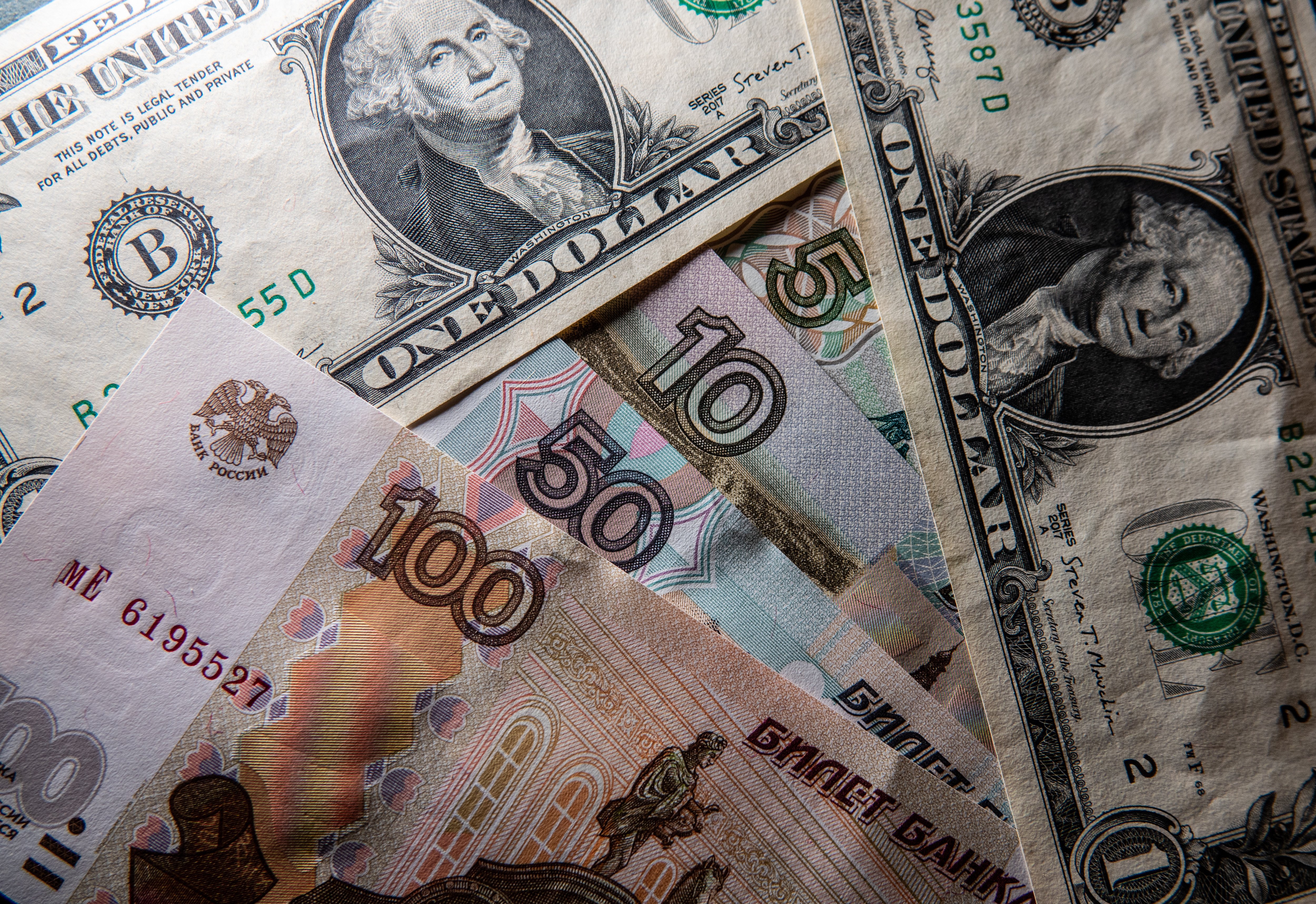
Moscow is planning tax hikes and spending cuts to manage high defense costs, as Russia’s economy struggles under the weight of more than three years of war in Ukraine, according to Reuters, citing their sources, on August 20.
Recent talks between Putin and US President Trump failed to yield a ceasefire, adding further pressure to Russia's already strained fiscal situation, Reuters wrote. The economy is cooling, with recession risks and a widening budget deficit of $61 billion (4.9 trillion roubles). Despite easing interest rates, financing the war remains a challenge.
“Given the economic outlook and declining oil revenues, we urgently need fiscal consolidation,” said Anatoly Artamonov, head of the budget committee. Spending has nearly doubled since the war began, fueling inflation and raising borrowing costs. With defense spending set at a Cold War-high 17 trillion roubles (approximately 178.5 billion dollars), the defense sector is now the primary driver of economic growth.
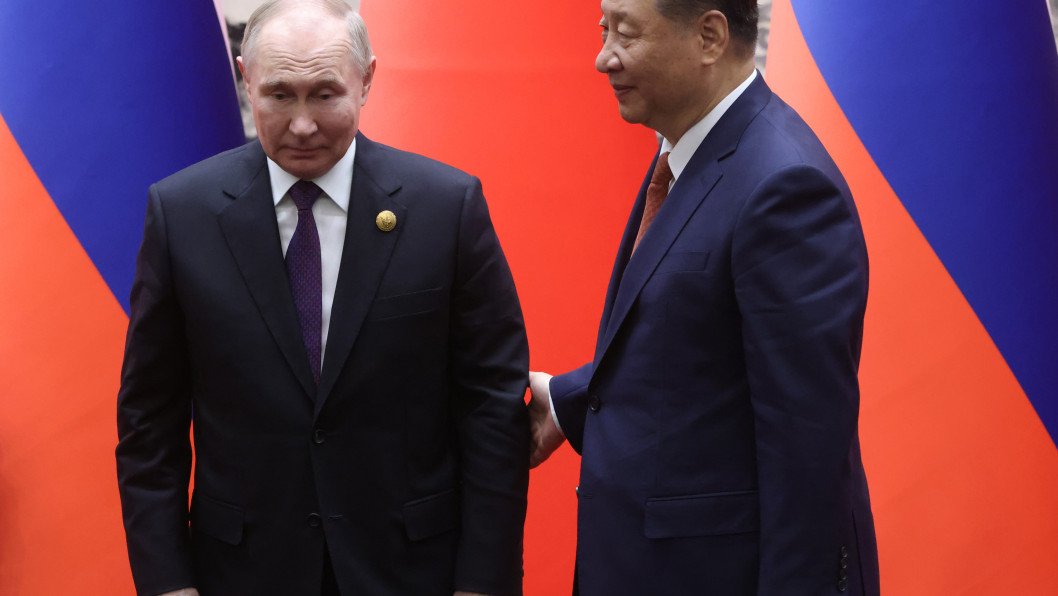
Although Putin suggested cutting military spending in June, officials still expect an increase.
“We cannot cut defense spending… we will likely have to raise it,” Artamonov said. The 2025 budget allocates 8% of GDP to defense, though the actual figure may be slightly higher. While cuts may come in 2027 if hostilities end, key defense programs are expected to remain in place, according to Reuters.
Even with a ceasefire, the production of weapons will continue, albeit on a smaller scale, according to a government source. Artamonov also suggested reducing non-defense spending by 2 trillion roubles (21 billion dollars) annually through 2028, warning that living standards would decline in the next three years.
This year, spending on education and healthcare has notably dropped, and analysts expect tax hikes and real-term cuts to expenditures like pensions. “We won’t be able to balance the budget without raising taxes,” a government source said, quoted by Reuters.
Finance Minister Anton Siluanov hinted at austerity in April, urging caution in spending. Deputy Finance Minister Pavel Kadochnikov emphasized that funding soldiers and their families remains the priority.
Despite some flexibility provided by Russia’s low debt-to-GDP ratio, weak growth is expected, according to Liam Peach of Capital Economics. Analysts predict that the 2025 deficit will exceed the planned target, with one government source estimating it at 5 trillion roubles, or 2.5% of GDP.
Last week, Putin called Russia’s current budget situation stable, Reuters concluded.
Previously, it was reported that the European Union is preparing its 19th package of sanctions against Russia, which could be finalized by September, EU foreign policy chief Kaja Kallas announced on August 19.
Discuss this article:

-c439b7bd9030ecf9d5a4287dc361ba31.jpg "Photo of Katherina Popilnichenko")