- Category
- Life in Ukraine
Music, Bomb Shelters, and Interceptor Drones: Inside Atlas Festival’s $3.4M Fight for Ukrainian Skies
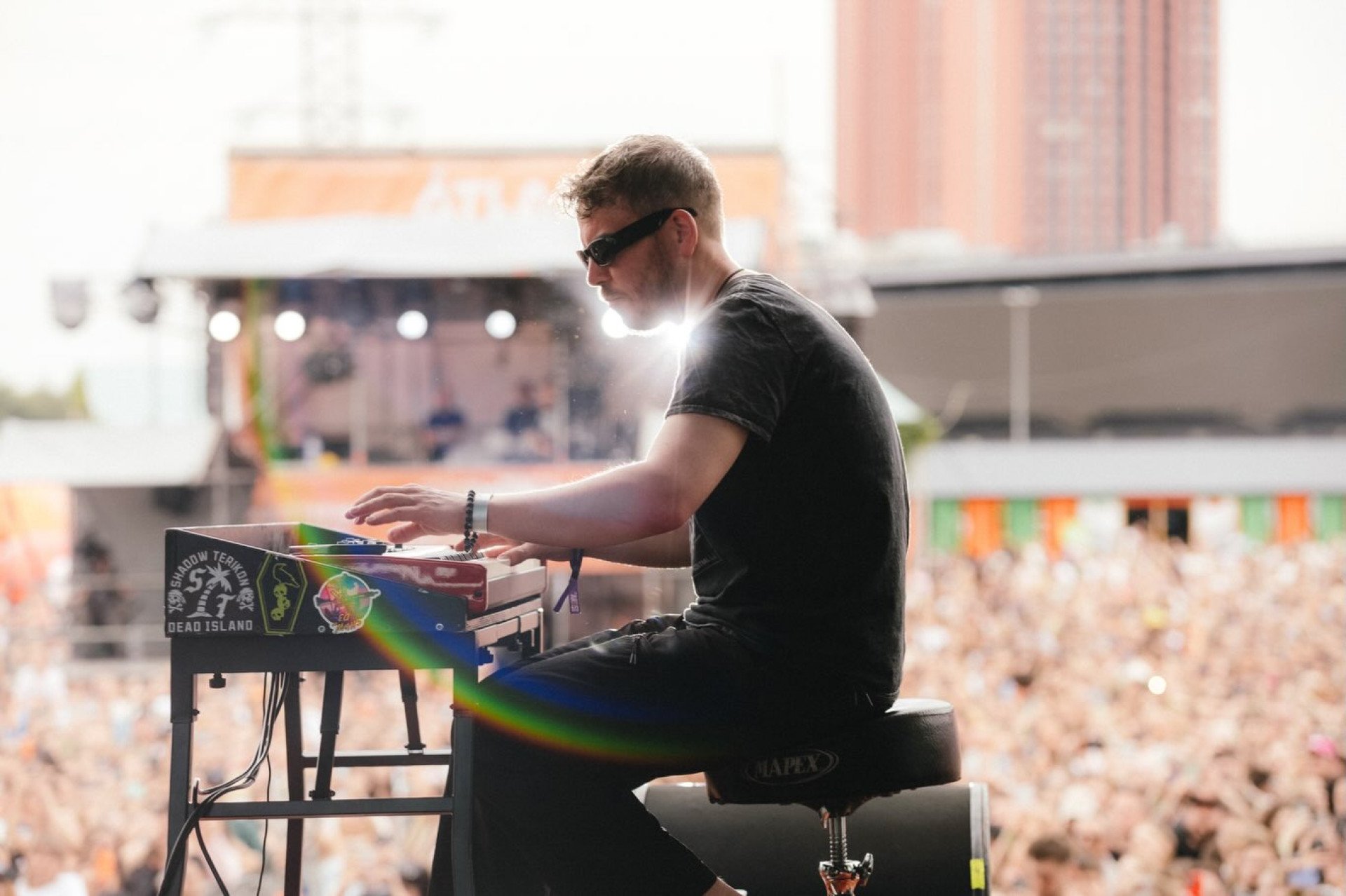
Amid constant Russian missile threats and sleepless nights, tens of thousands gathered in Kyiv for a weekend of music, defiance, and a crucial mission to shield Ukrainian skies.
 Prefer U24 Media on Google
- Authors


It’s July in Kyiv. The summer heat is thick—and so is the crowd, tens of thousands deep. At first glance, Atlas Festival looks like any major European music gathering—a sea of hands, towering stage lights, overflowing beer tents, and that unmistakable, electric buzz.
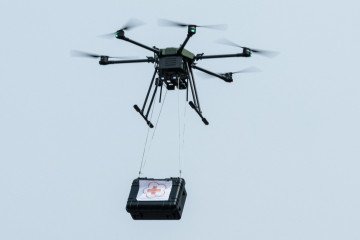
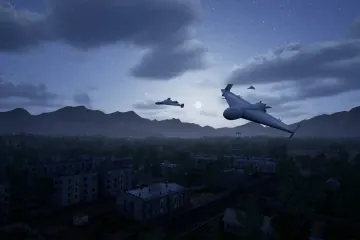
Returning to Blockbuster Mall for the third year in a row, the venue was chosen because it houses the largest bomb shelter in Ukraine. Built around the theme of "150%," this year's gathering came with a concrete fundraising goal: 150 million UAH ($3.4 million) for the Dronefall initiative—to buy FPV interceptor drones to knock Russian aerial threats out of the sky before they can strike.
100% is survival, 150% is defiance
That drive to push past limits touched everyone present, from artists to attendees. When asked what the campaign meant to them, the answers were direct. "To me, it means 150% saved lives," said Yuliia, a festival attendee.
Comedian Hanna Kochehura framed it as a duty: "Giving at least 150% for the military forces, for the army. We are here having fun, but we are also raising funds for our troops on the frontline."
For BoomBox keyboardist Pavlo Lytvynenko, the extra push was simple logic: "It means we can do more."
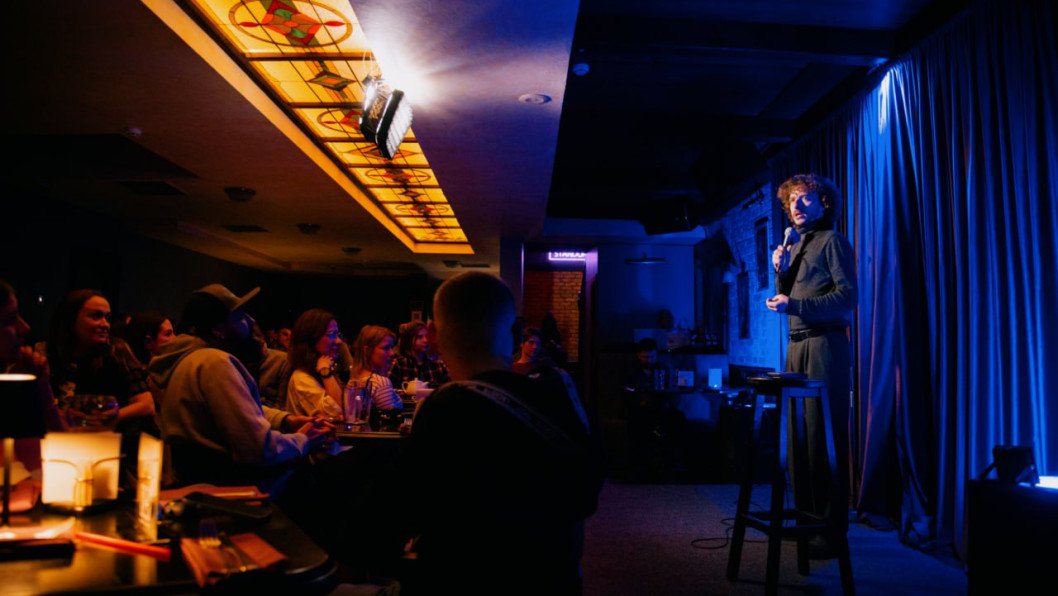
Meanwhile, comedian and event auctioneer Vasyl Baidak spent the weekend driving up bids across three different stages—auctioning off signed artist t-shirts, rare vinyl records, and signed toy cars from Ukraine's Security Service chief Vasyl Malyuk. The entertainer aimed to raise half a million UAH.
For him, the urgency driving the auctions was stark, pointing out that Kyiv had endured a harrowing night of heavy Russian missile attacks leading into the festival. "It was a very scary night," he said. "This money goes to defend our sky—for defense to crush these Russian enemy drones."
Frontline soldiers on stage
On stage, the line between performer and soldier was virtually non-existent. Active-duty servicemen including Serhiy Zhadan—serving in the Khartia Brigade—shared the weekend lineup with artists carrying deep personal ties to the front line, such as rapper OTOY, who has lost two brothers to the war.
Joining them on the lineup was post-punk sensation Bohdan Rozvadovskyi, performing as SadSvit, who spent much of the past year touring Europe to raise funds for the military. "Whenever I tour across Europe, I'm always thinking about the fact that we only have one home—Ukraine," SadSvit said. "We have to do whatever it takes to win and save our country."
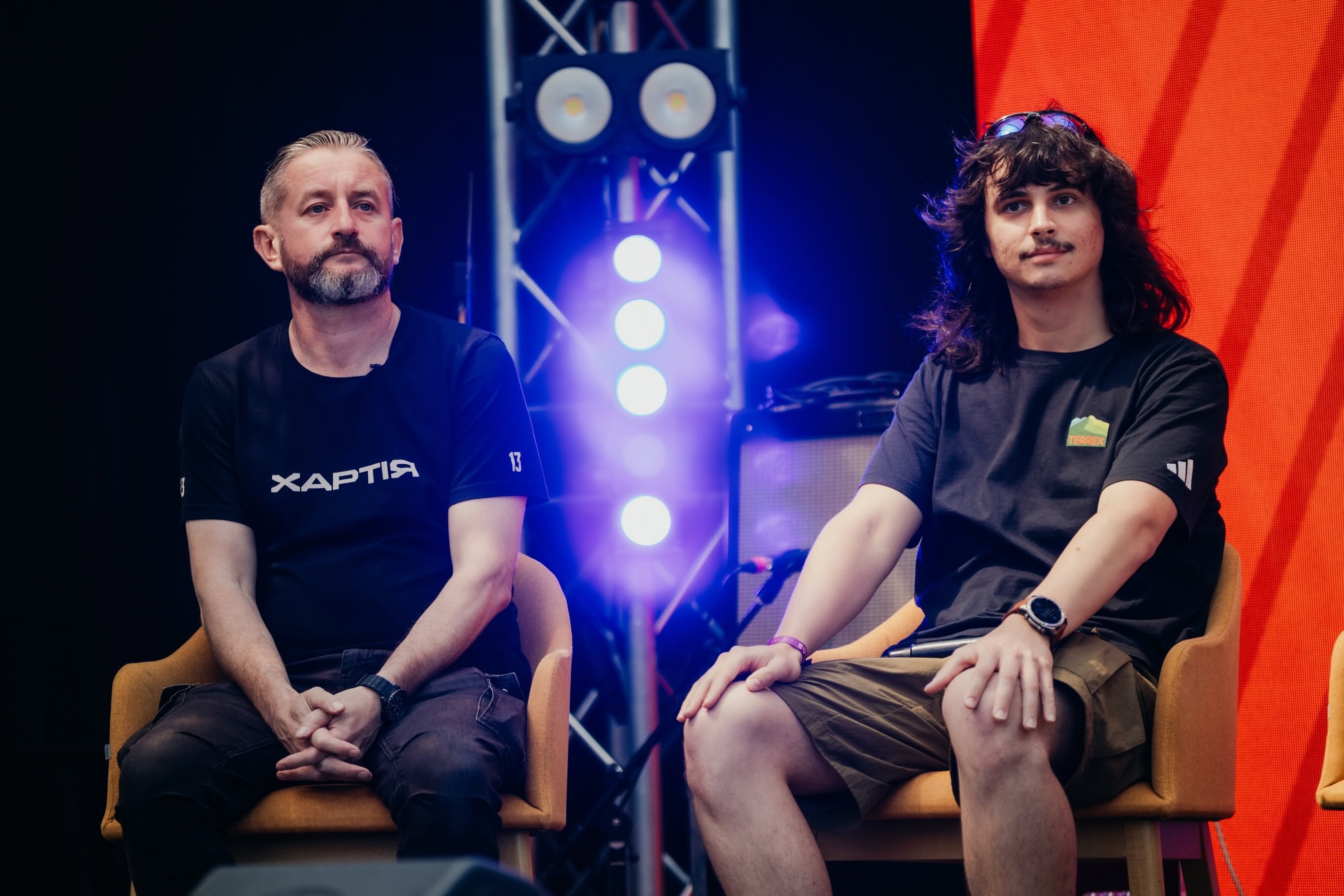
Dmytro Odnorozhenko, frontman of alternative group hatespeech, took the stage while serving in the Nemesis Brigade. "That’s like my side-hustle—raising a little money to help my unit work even better," he explained. "It’s called Darknode, we have a battalion, and our job is specifically shooting down Russian drones."
BoomBox frontman Andrii Khlyvnyuk pointed out the direct pipeline from the festival stage back to the frontline. "Some percentage of drones is going to my unit as well," Khlyvnyuk said. "As a part of a bigger unit. As a part of a brigade, part of a corps. So yeah. Maybe, who knows, I will use one of them."
International solidarity
In pre-war years, Atlas was a massive international draw, pulling heavyweights like The Prodigy and Black Eyed Peas. That international thread hasn't frayed in wartime—Finnish rockers The Rasmus kept it alive last year, and this year, the mantle passed to Australian act breathe.
The band had declared a hiatus, freezing all live touring to lock themselves in the studio for their next album. Then came the invitation from Kyiv. "We made that decision at the beginning of the year," said Sean Walker, speaking to UNITED24 Media. "We said we shouldn't tour until we have a whole body of work ready to go. And then Atlas came up... and all our plans just got pushed aside."
Though officially billed as a duo, they made the 50+ hour journey to Ukraine as a trio alongside vocalist Dylan Wright, carrying a bond with Ukrainian fans that had been building long before they crossed the border.
"When we did our first Sydney show, which is our hometown, the majority of our audience was Ukrainians," said Walker. "That was a real shock... we could hear the Ukrainian voices in the audience and that really blew us away."
Later in 2024, at a show in Warsaw, a group of Ukrainian fans took a 24-hour bus ride just to catch their set, shared their stories with the band, only to then board the same 24-hour bus straight back home. "That broke our hearts," said Andrew Grant. "If they're going to do that just to see a show, and we get invited to play in Ukraine, we're here. Absolutely."
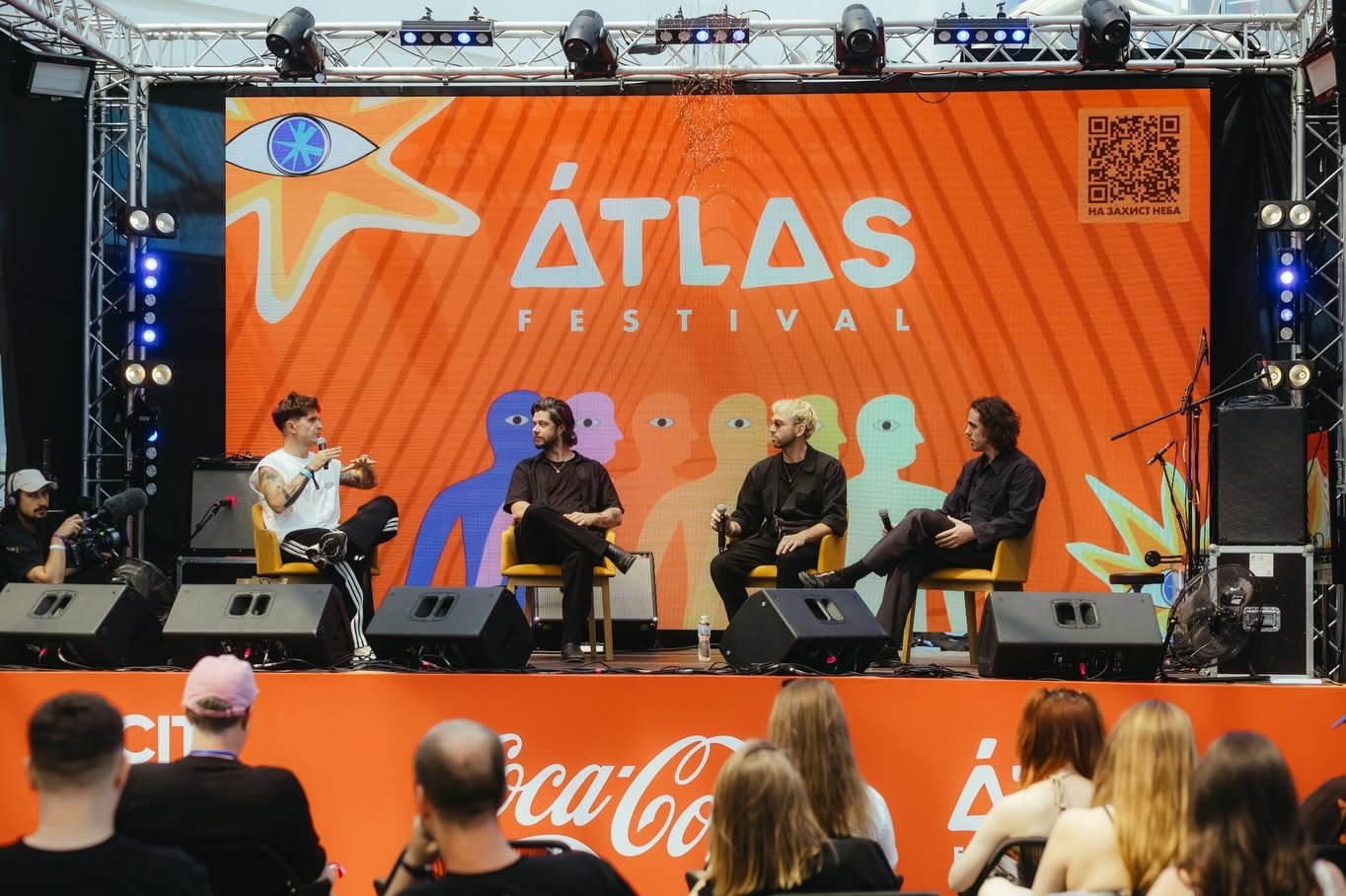
For the group, performing in Kyiv went far beyond a routine tour stop, tapping directly into why they make music in the first place. "When an invitation like this comes up to come to Ukraine, that aligns with our artistry more than creating more songs," said Grant.
Their new track "There's a Way Out of Here" was written specifically with Kyiv and the festival stage in mind, and playing it live to a Ukrainian crowd delivered instant chills. "We feel such a deep privilege that we get to use our music to help defend Ukraine," Walker added.
When the sirens sound
Operating under the constant threat of Russian missile strikes targeting civilian areas, safety isn't just a background protocol—it's the foundation of the entire event. If air raid sirens wail, those underground parking structures are built to shelter the crowd in minutes.
For the artists, that safety responsibility is directly shared. "We have shelters here that can protect this entire party," said Antonina Vinnyk, conductor of HORROR CHOIR. "If alerts go off, we have to evacuate and help others do the same. Anything could happen, but we need this money for drones, so no matter what, we will sing."
That protocol was put to the test on Sunday afternoon when an air raid siren actually sounded. The crowd filed into the underground shelters, where everyone waited for just under half an hour. Once the all-clear sounded, the crowd headed back to the stages and the show got right back underway.
Still, safety remains a matter of perspective. Fan Hala arrived in Kyiv just two days prior from Kharkiv, a city sitting barely 20 kilometers from the front line under constant bombardment. "Compared to Kharkiv, here I feel pretty calm and safe," Hala said. "There, it's bombing every day, alarm or no alarm."
More than music
With every ticket and donation carrying weight toward the defense effort, taking the stage carried a profound purpose. Asked how it felt to perform for such a mission, Vinnyk’s response was immediate. "Involved," she said. "A lot of people have their small amounts of money and try to help. I hope this event will raise all that we need, and what our country needs."
Yet beneath the mission lies a deeper human need for collective strength. In a country enduring relentless sleepless nights, gathering together offers a rare moment of unity and relief. For fan Iryna, stepping in front of the stage is both an emotional release and an act of survival. "We need to reduce our stress, and this place is amazing to feel free for a bit and enjoy our life," Iryna emphasized. "Because we don't have another life."
Discuss this article:
-9a7b3a98ed5c506e0b77a6663f5727c5.png)

-c439b7bd9030ecf9d5a4287dc361ba31.jpg "Photo of Katherina Popilnichenko")

-24deccd511006ba79cfc4d798c6c2ef5.jpeg "Photo of Louis Beaudemont")