- Category
- Life in Ukraine
Russia Struck Their School, but These Ukrainian Kids Still Show Up for Class
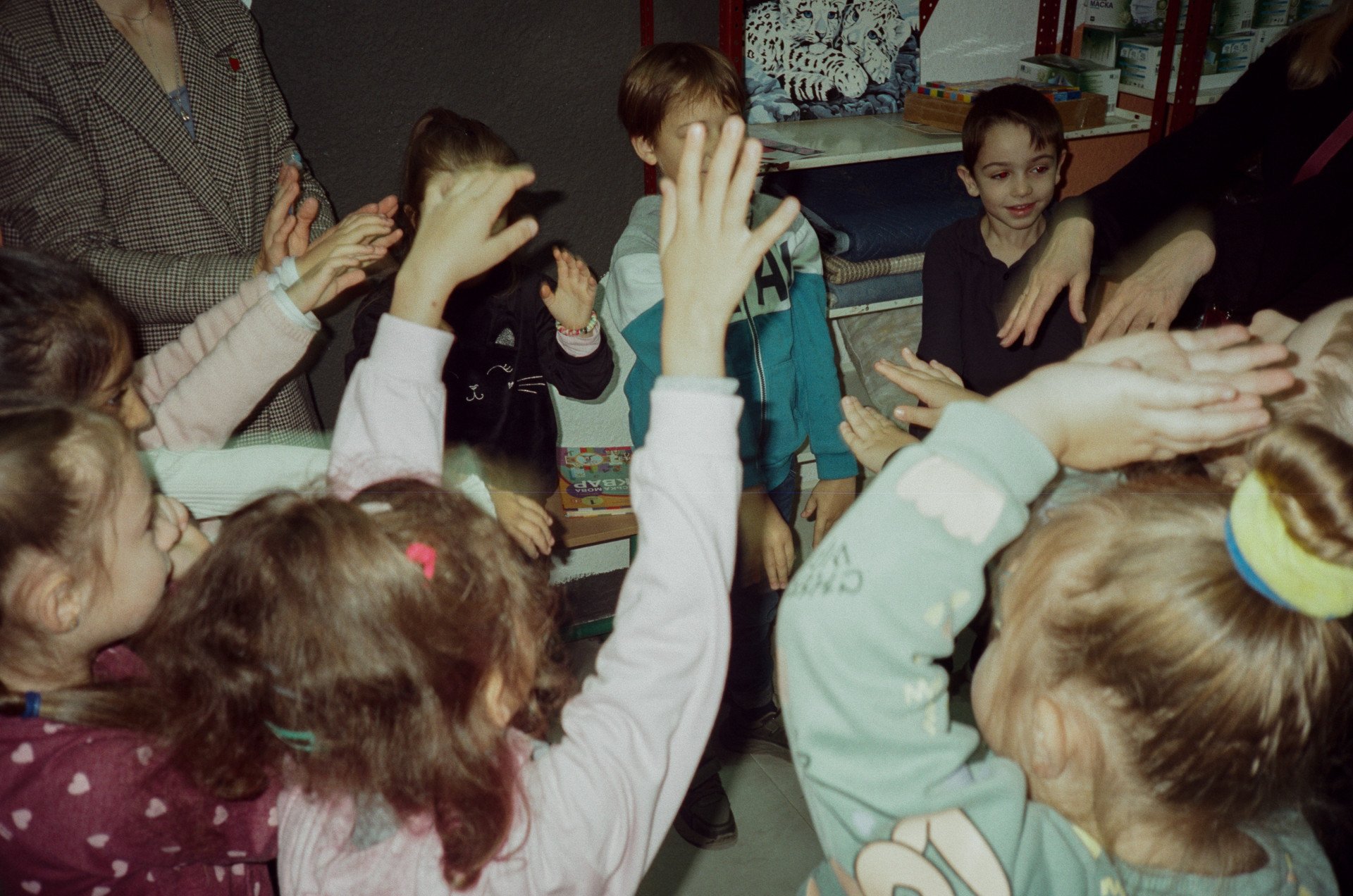
“They attacked our school once, and a missile came flying toward us. The firefighters came. I started crying. When I got home, I didn’t cry anymore.” Seven-year-old Alex knows what Russian attacks sound like. But some of his classmates don’t even know what fireworks are. In Kyiv, explosions and air raid sirens are more familiar to kids these days.
 Prefer U24 Media on Google
- Authors


Alex has been going to school for almost two months. He says he couldn’t wait to graduate from kindergarten “to learn everything and be smart like my teacher.”
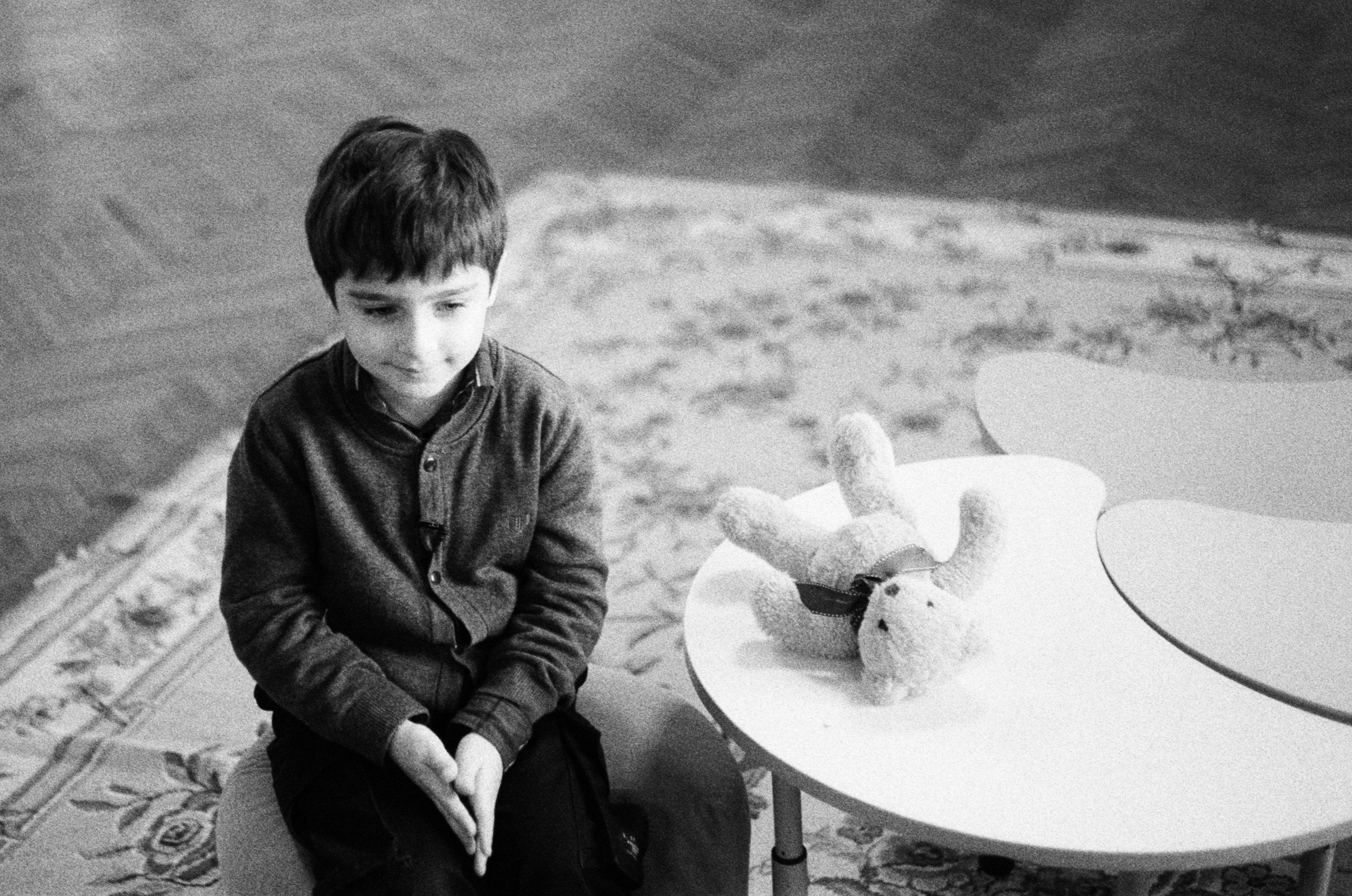
But because of Russia’s ongoing attacks on Kyiv, school looks very different from what Alex and his classmates might have imagined. UNITED24 Media spent a day with first-graders at a school, talking to the children and their teachers to understand what it is like for kids to go to school in Kyiv today.
How a school day begins for children in Kyiv
The night before filming, Kyiv was under four air raid alerts: three for drone attacks and one for a ballistic missile threat. The constant danger has become part of daily life for the city and its residents. After spending the night in the metro or another shelter, people in Kyiv carry on with their lives, go to work, and take their children to kindergarten and school.
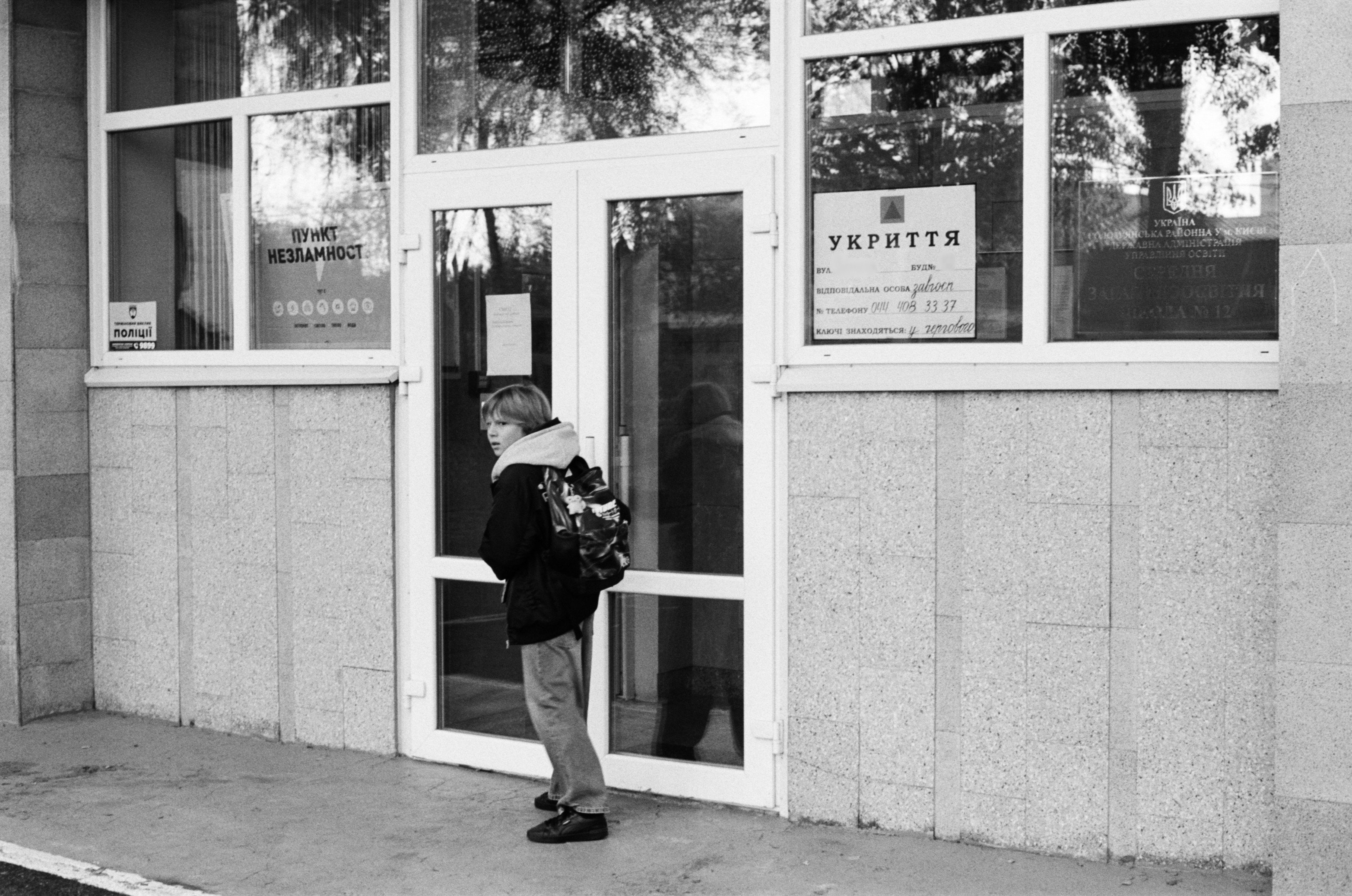
We arrived at the school at 8 a.m. The first thing that caught our eye was the signs reading “Shelter” above two separate entrances to the building.
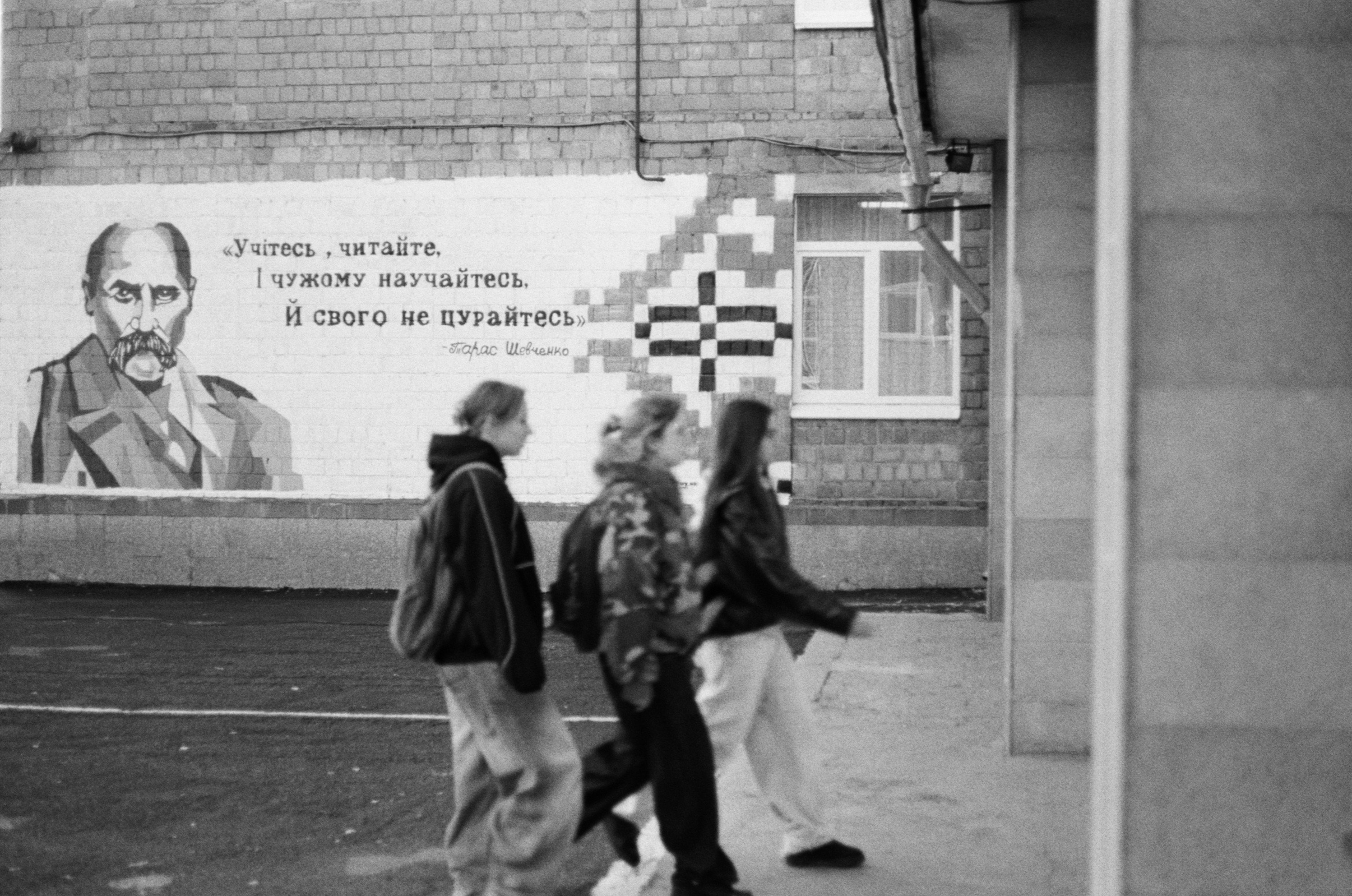
Around that time, or even earlier, children begin arriving at school. Some come on their own, others with friends, while younger ones are brought in by their parents, holding their hands. Besides the schoolbags on their backs, some children carry bags with their indoor shoes or gym clothes.
As we walk through the school corridors, we meet Liudmyla Motrych, a primary school teacher. There are 21 children in her class.
“If there’s an air raid alert early in the morning, before classes start, very few children come to school,” Liudmyla says. “Usually, it’s only the parents who are heading to work and can drive their children here.”
Once the all-clear sounds, more children begin arriving. If there’s no air raid alert, lessons take place in the classroom. If one goes off, teachers and children head to the shelter together.
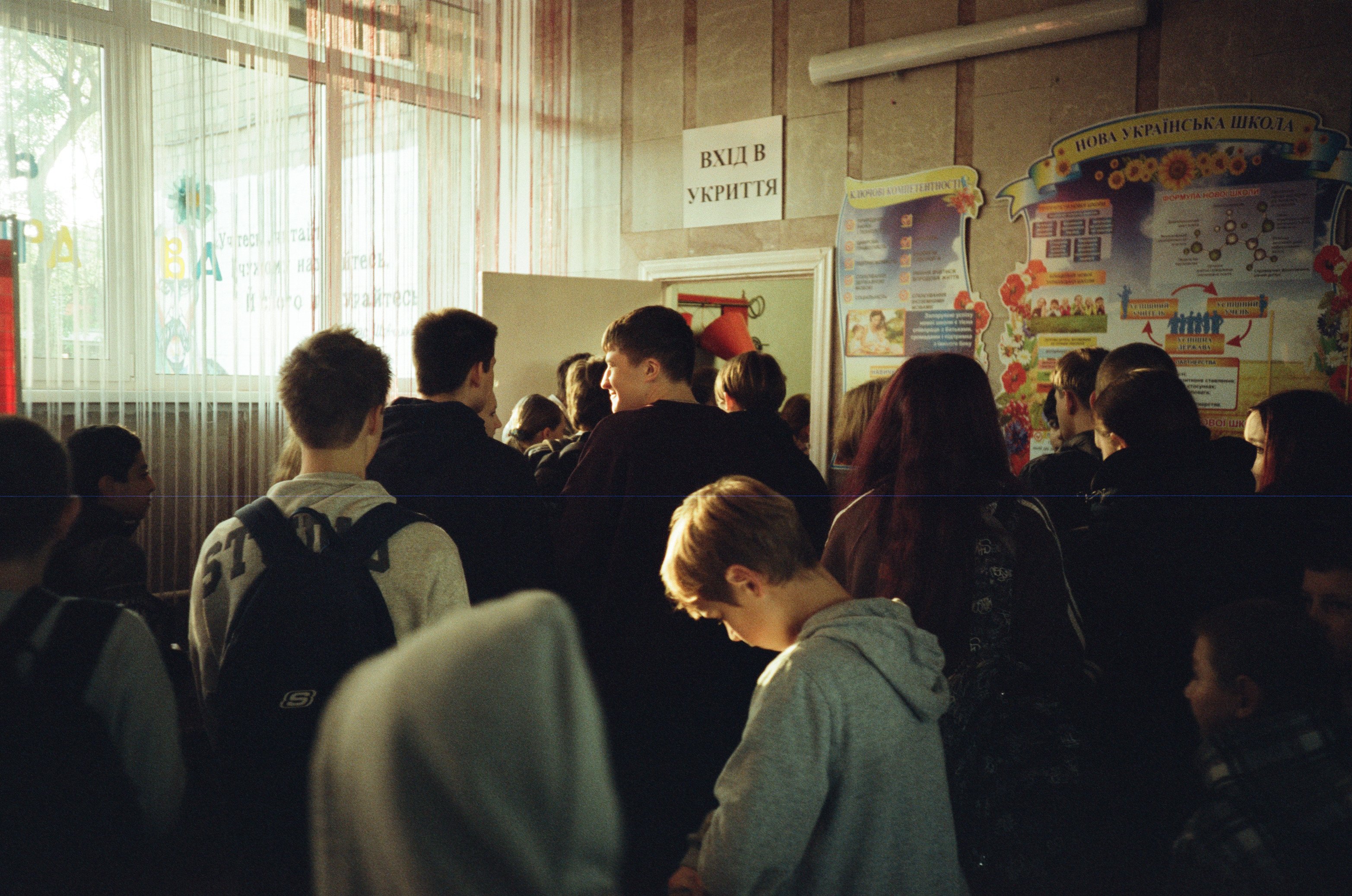
When danger strikes, every second counts
8:30 a.m. The bell rings for the first lesson.
“Kids, let’s make a circle. Grab your toys by the paw and hold each other’s hands,” Liudmyla says.
The first-graders start with a morning circle.
“We’re all friends: me and you, and all of us. Say hello to the person on your left,” the children wave to each other. “Say hello to the person on your right,” they hug. “We’re all one family.”
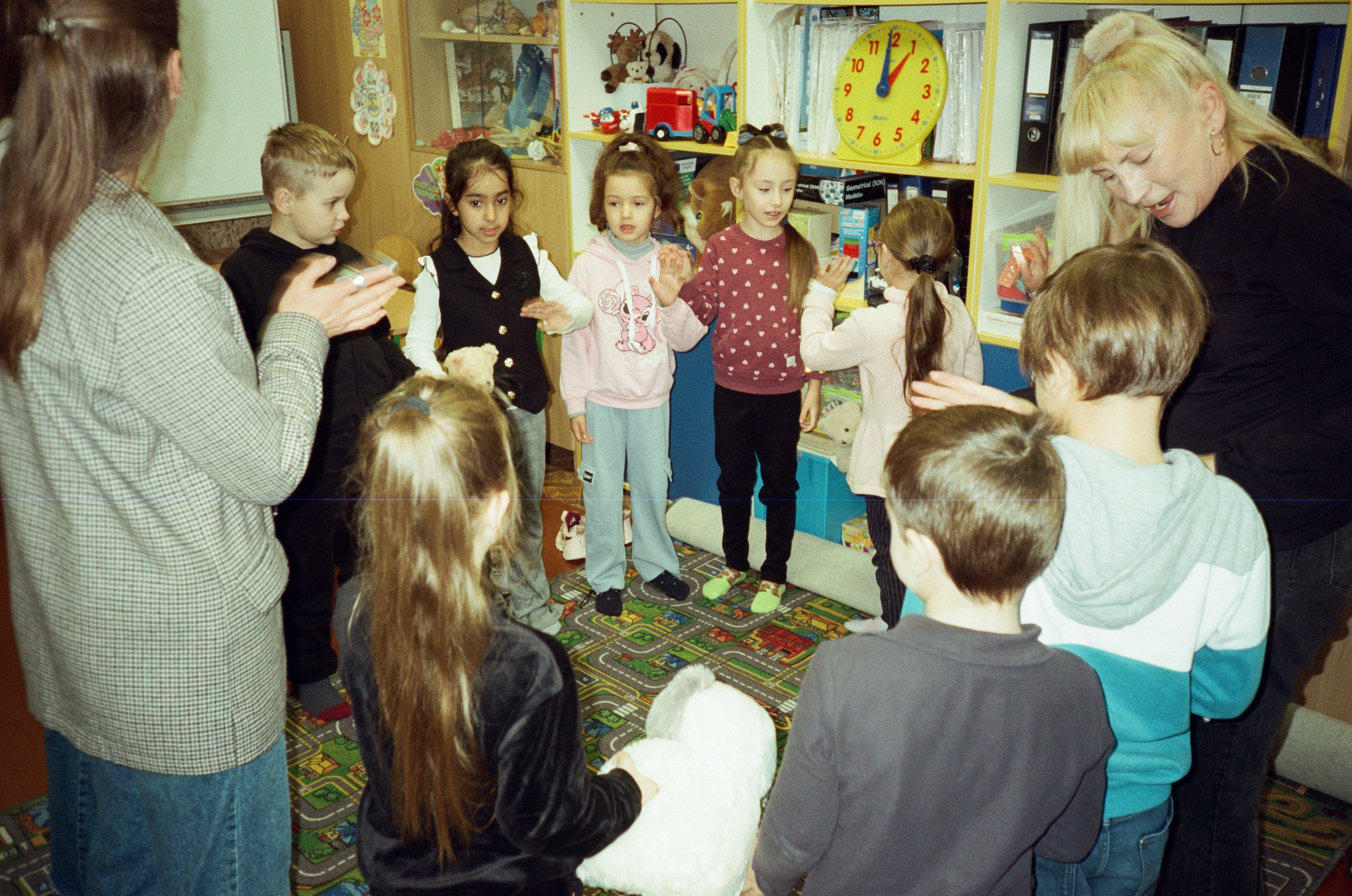
8:35 a.m. An air raid alert goes off in Kyiv. Russian drone threat. Several phones in the classroom immediately start blaring with the piercing sound of the alert.
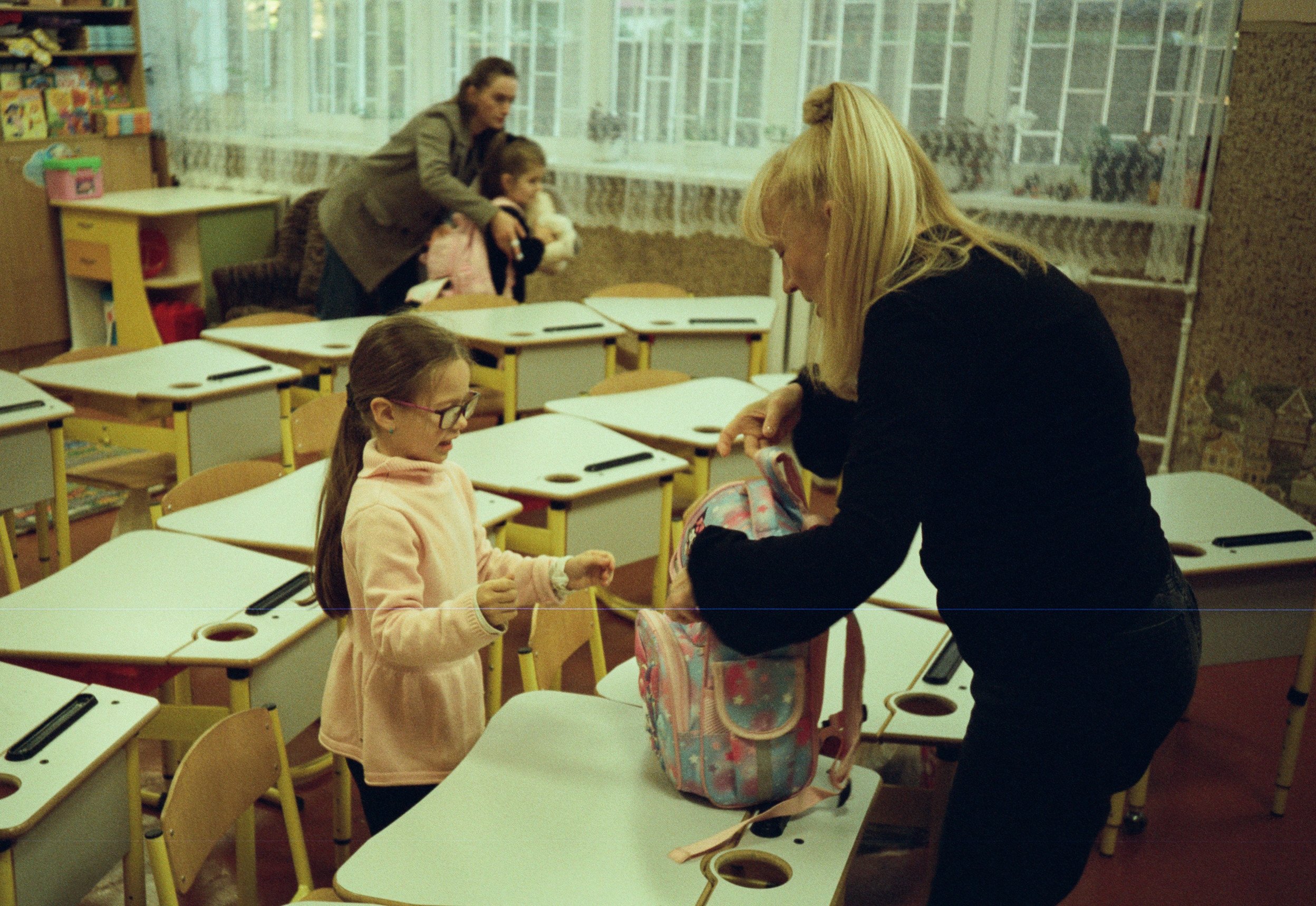
Just seconds earlier, the children had been hugging each other and moving in a circle. Now they quickly gather their things and rush to the shelter. Some start crying and shouting.
“Kids, put your shoes on, come on, quickly!” Liudmyla says, trying to get everyone organized. “Who’s going to be first today? Grab your primer, your backpack, and let’s go. Daryna, take your teddy bear with you. He’s coming to the shelter too!”
One of the first to run out of the classroom is six-year-old Anastasiia, Alex’s classmate. She turns toward the stairs, where many other children are already on their way to the shelter.
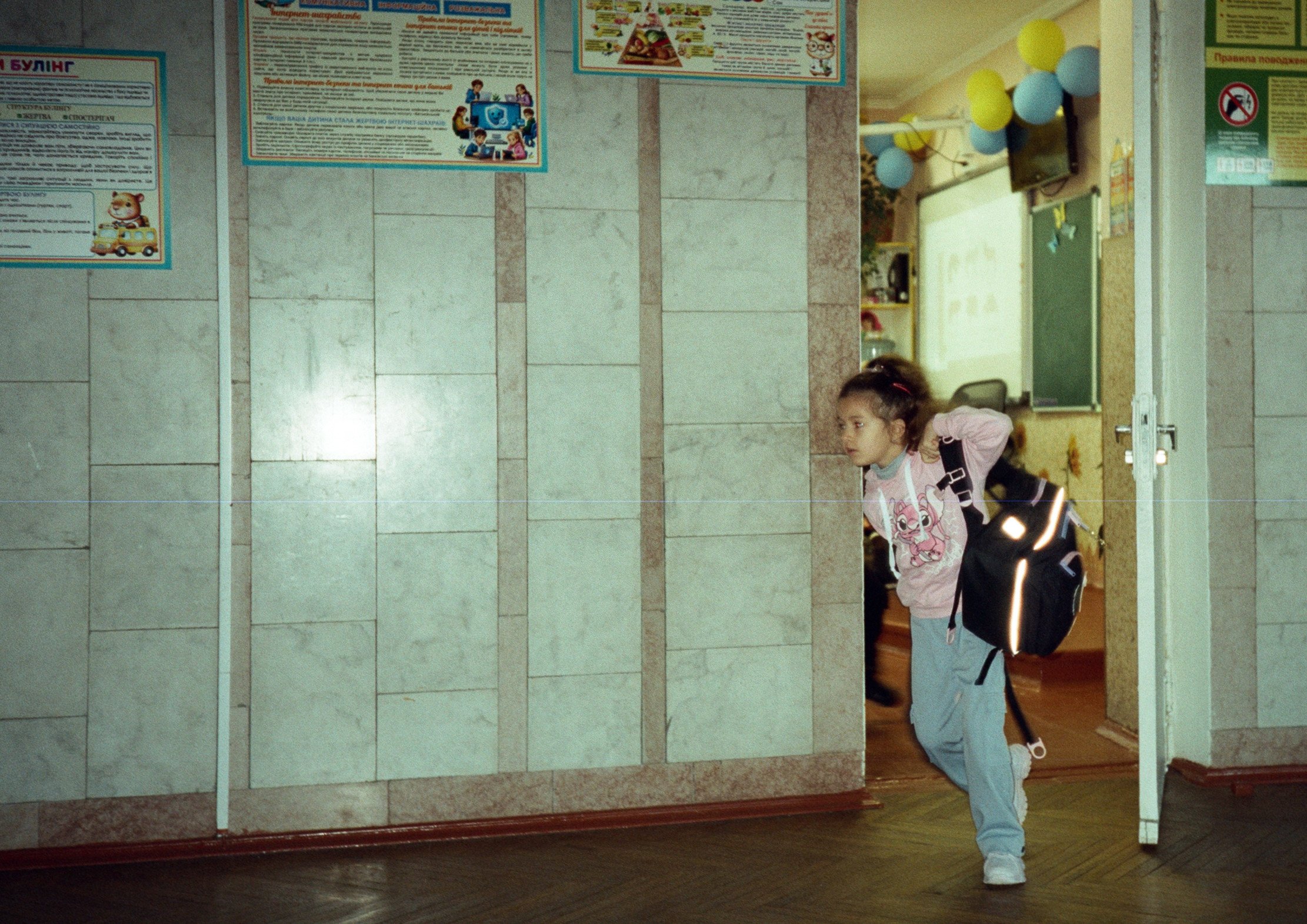
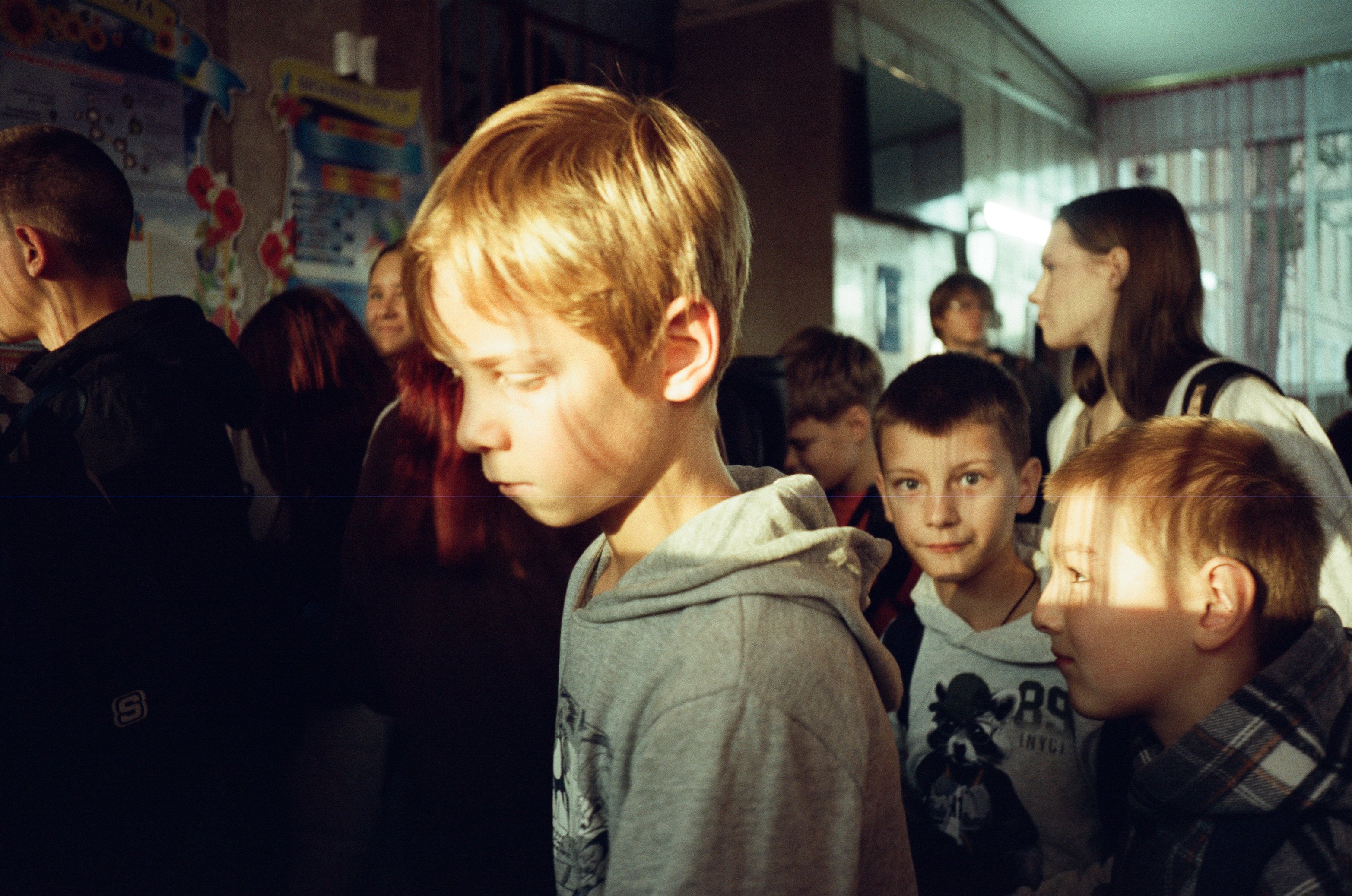
“The kids have learned to get ready really quickly. We’re out of the classroom in under ten seconds. We’re usually among the first to reach the shelter,” Liudmyla says.
What it is like to study underground
“All right, kids, open your primers. Let’s go over the letters we’ve already learned. The letter Yu. Let’s sing it!”
“Yuuuuuuuuuu!”
“My clever little ones! Well done!”
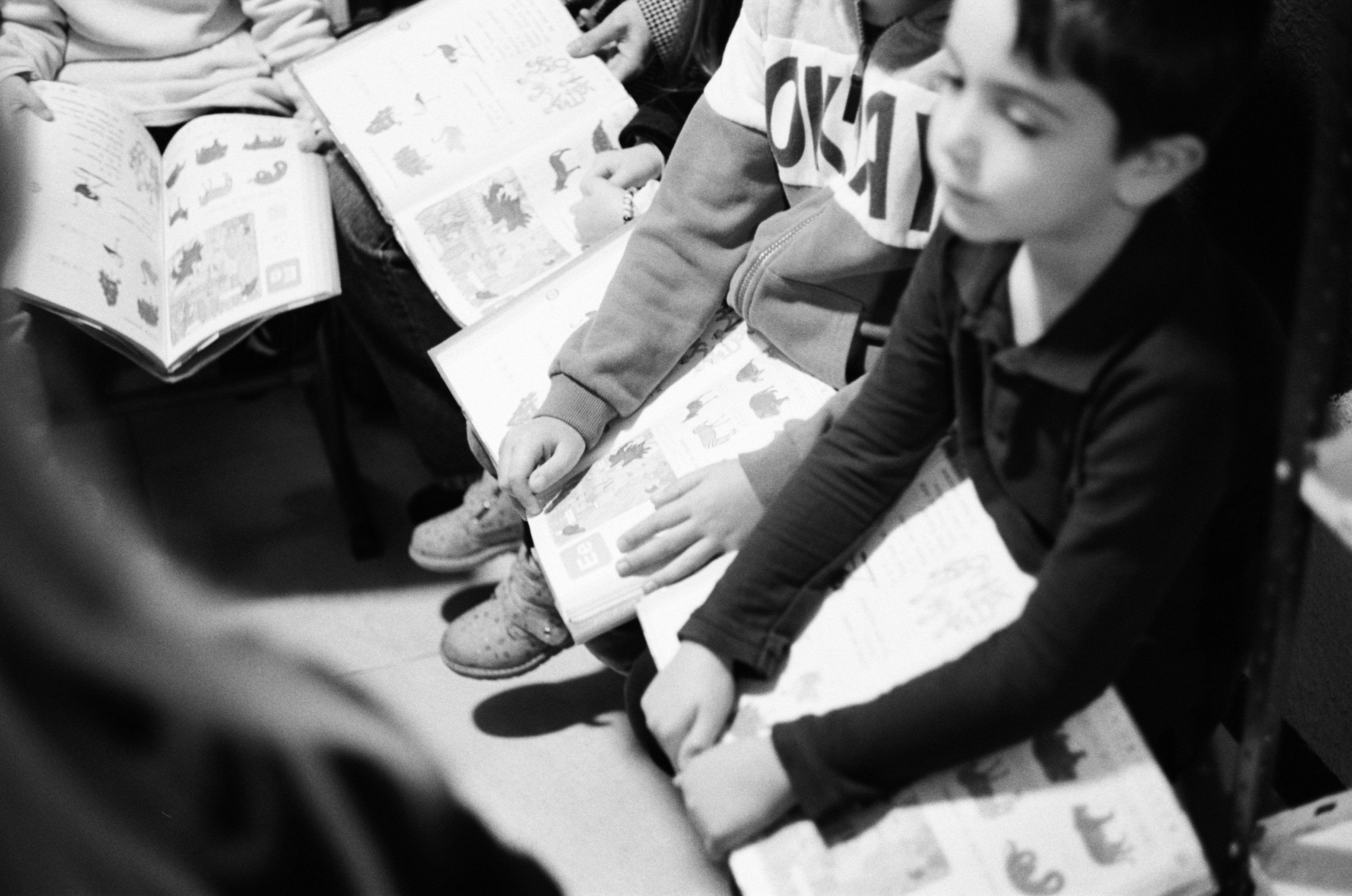
Just a few minutes after the air raid alert begins, the lesson continues in the shelter. There are two shelters at the school: one for primary school students and another for older children.
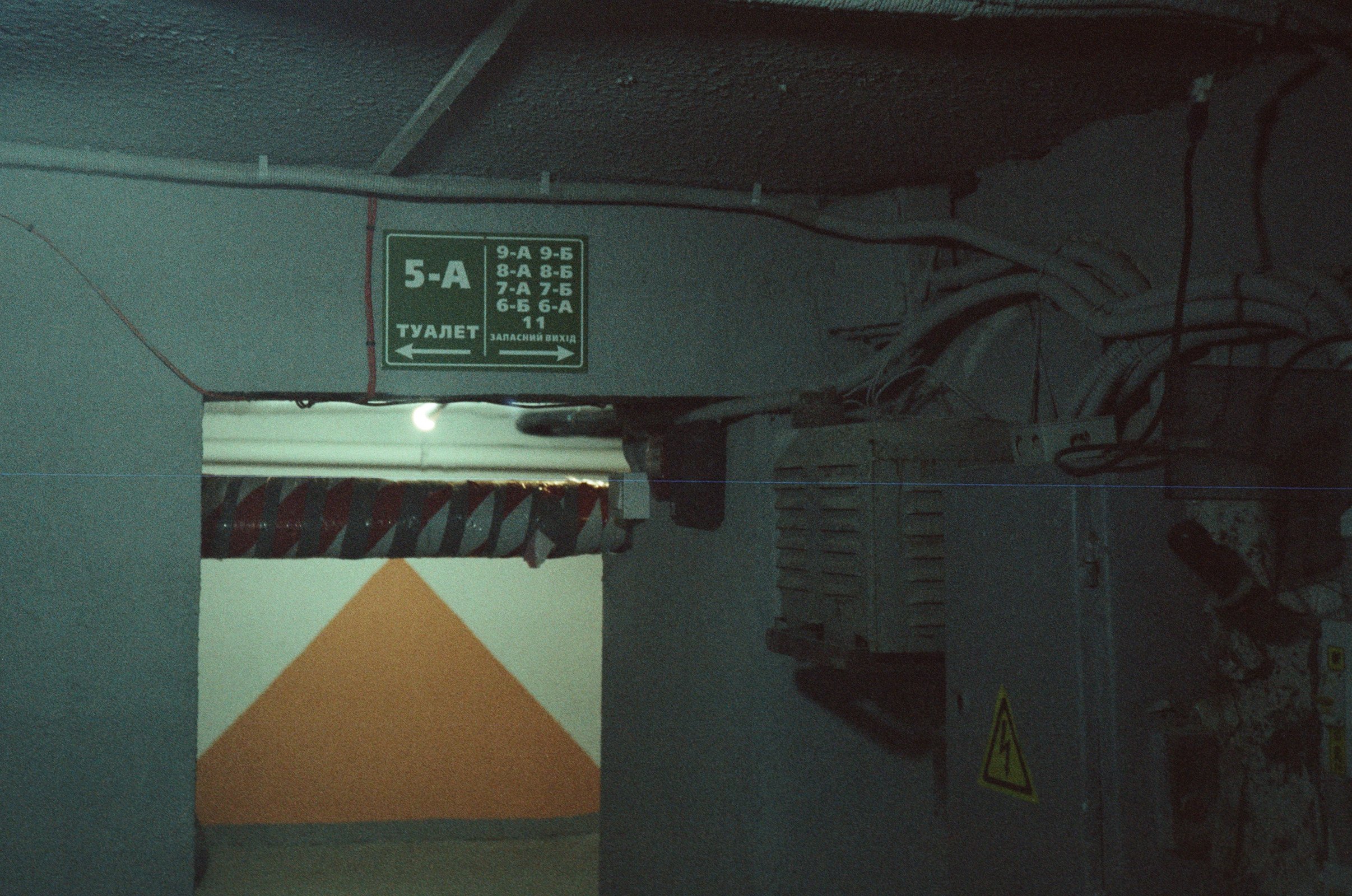
The primary school shelter is divided into two medium-sized rooms connected by a doorway. Two classes share one room, sitting right next to each other. This means two completely different lessons take place at the same time.
The shelter is designed to look as much like an ordinary classroom as possible, with desks, chairs, and a blackboard.
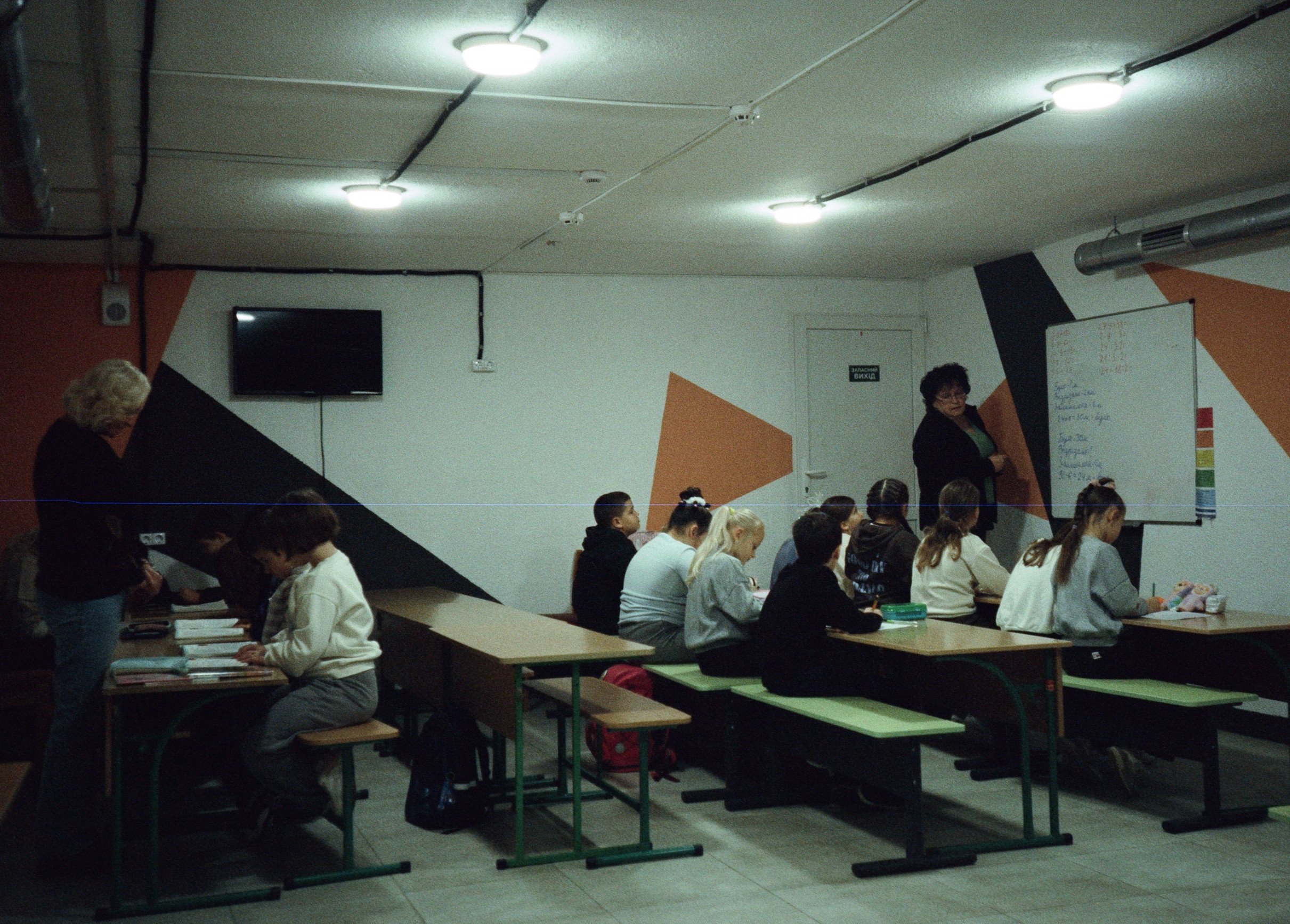
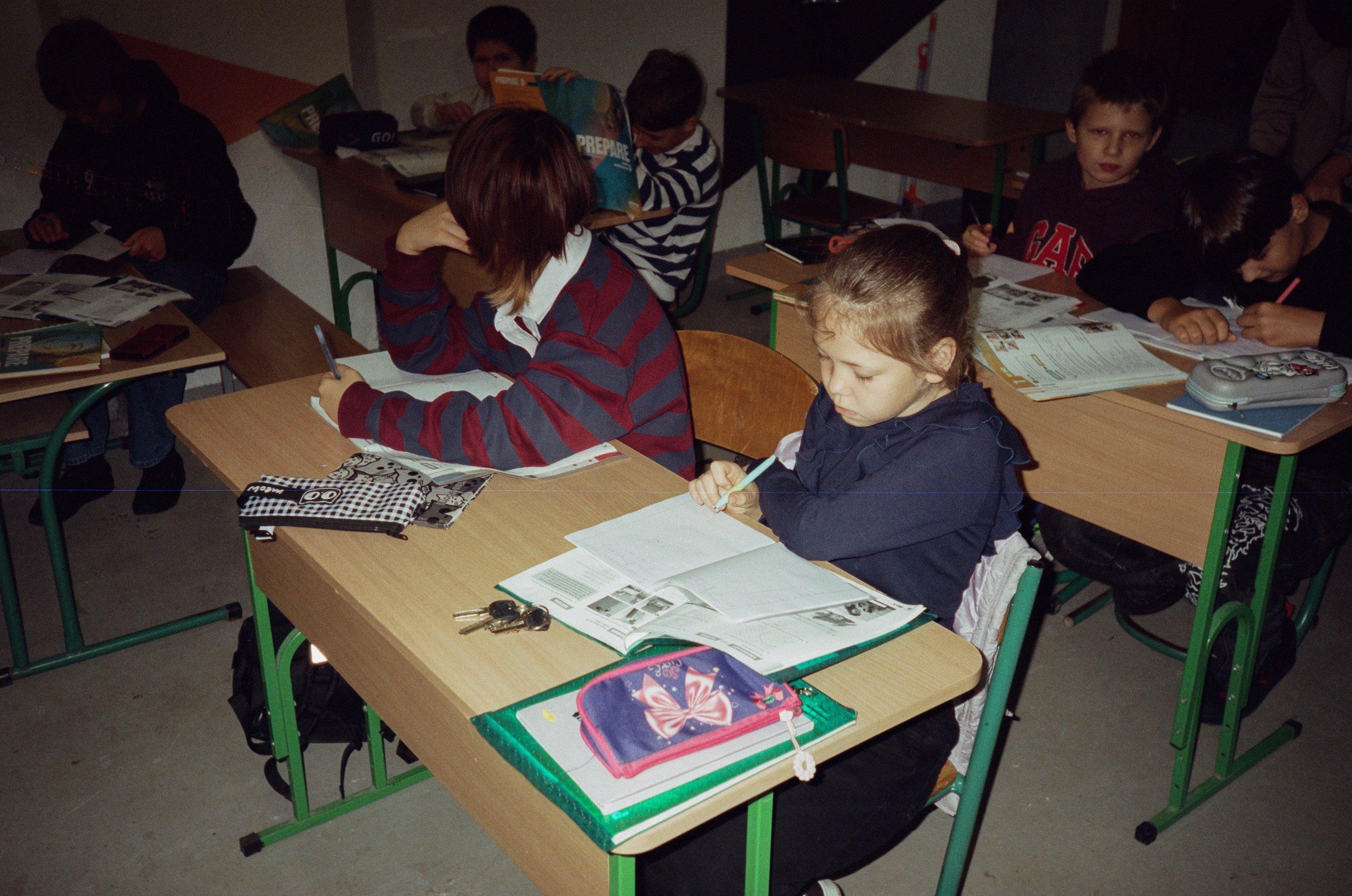
Liudmyla and her students initially settle into one of the rooms. But just a few minutes later, they have to move into the shelter’s corridor so they don’t disturb the other class.
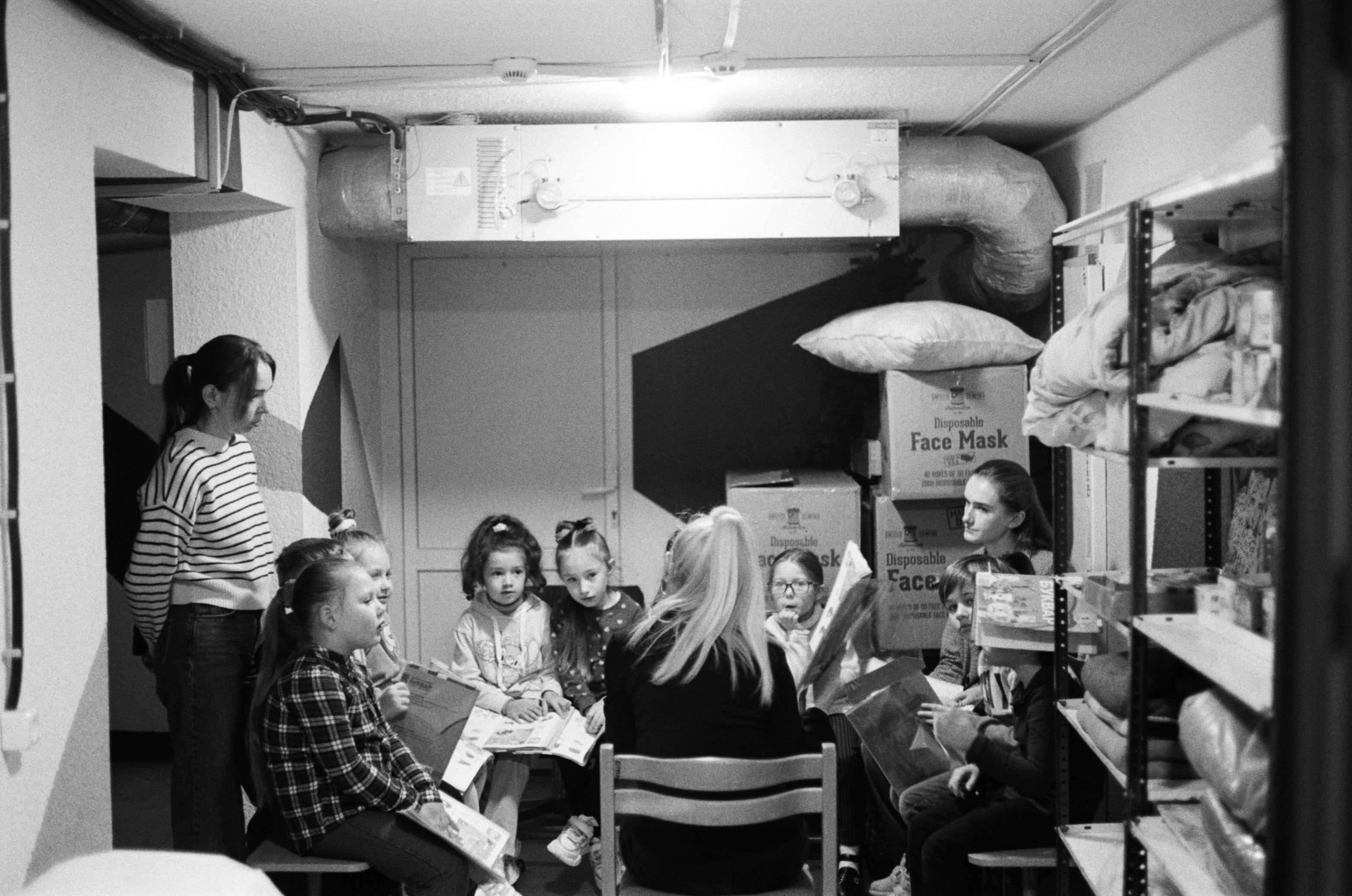
“It’s difficult to teach subjects like music, for example, because another class might be sitting right next to us having math,” Liudmyla says. “We can’t sing, so we have to come up with activities that aren’t too loud.”
Sometimes, they have to put things off until the next day because it’s too difficult to cover a particular topic in the shelter, or because the air raid alerts leave them with too little time.
“Then I tell them, ‘Kids, remember how I promised to show you the story The Cat and the Rooster, but there was an air raid alert and we didn’t get to watch it? We’ll watch it today.’”
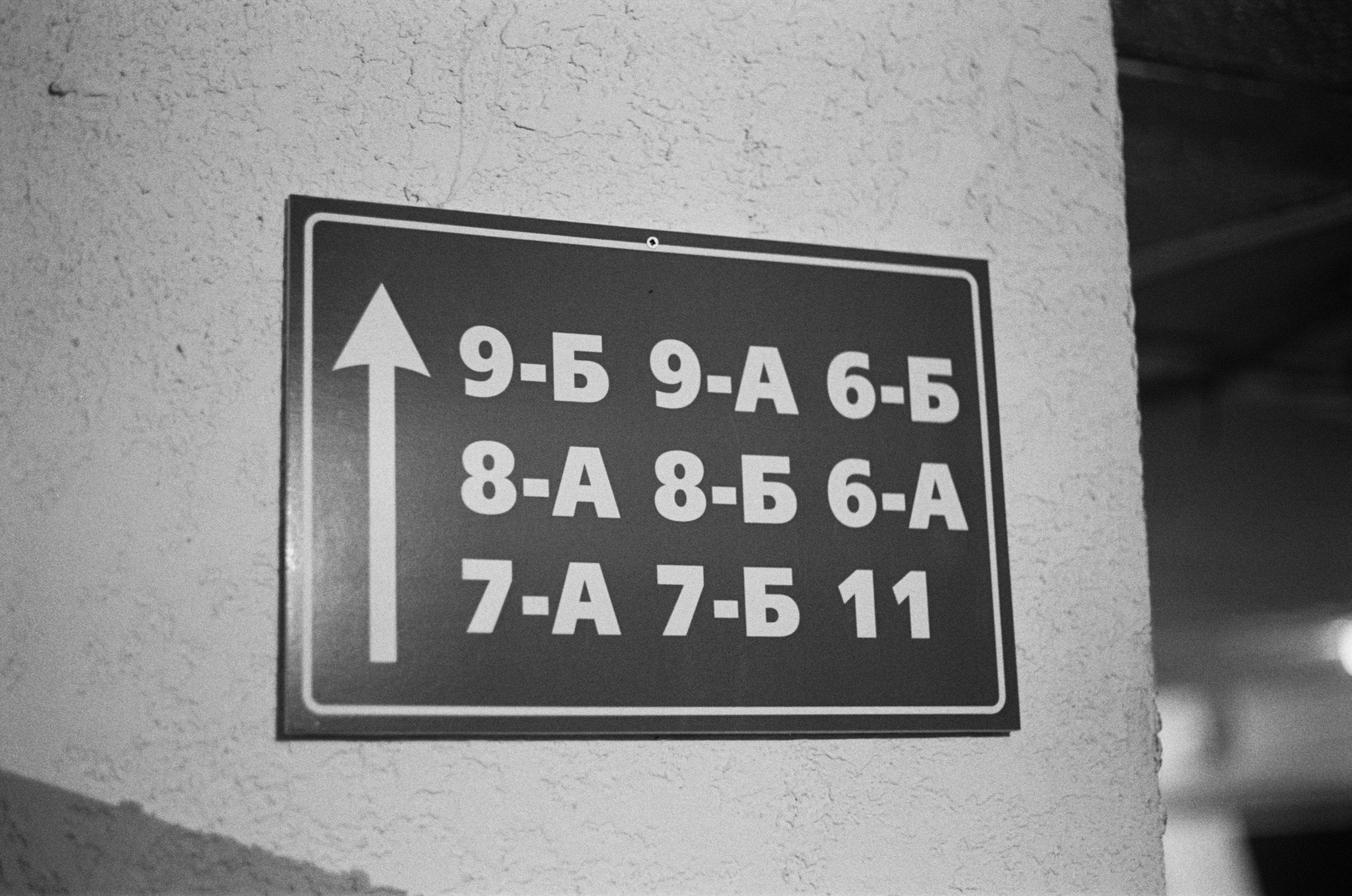
The shelter for older students is bigger. It feels like an underground maze. You walk in and there’s an English lesson; go further, and you find a biology class. The shelter stretches down a long corridor. At the far end, behind a door, children are even taking PE classes.
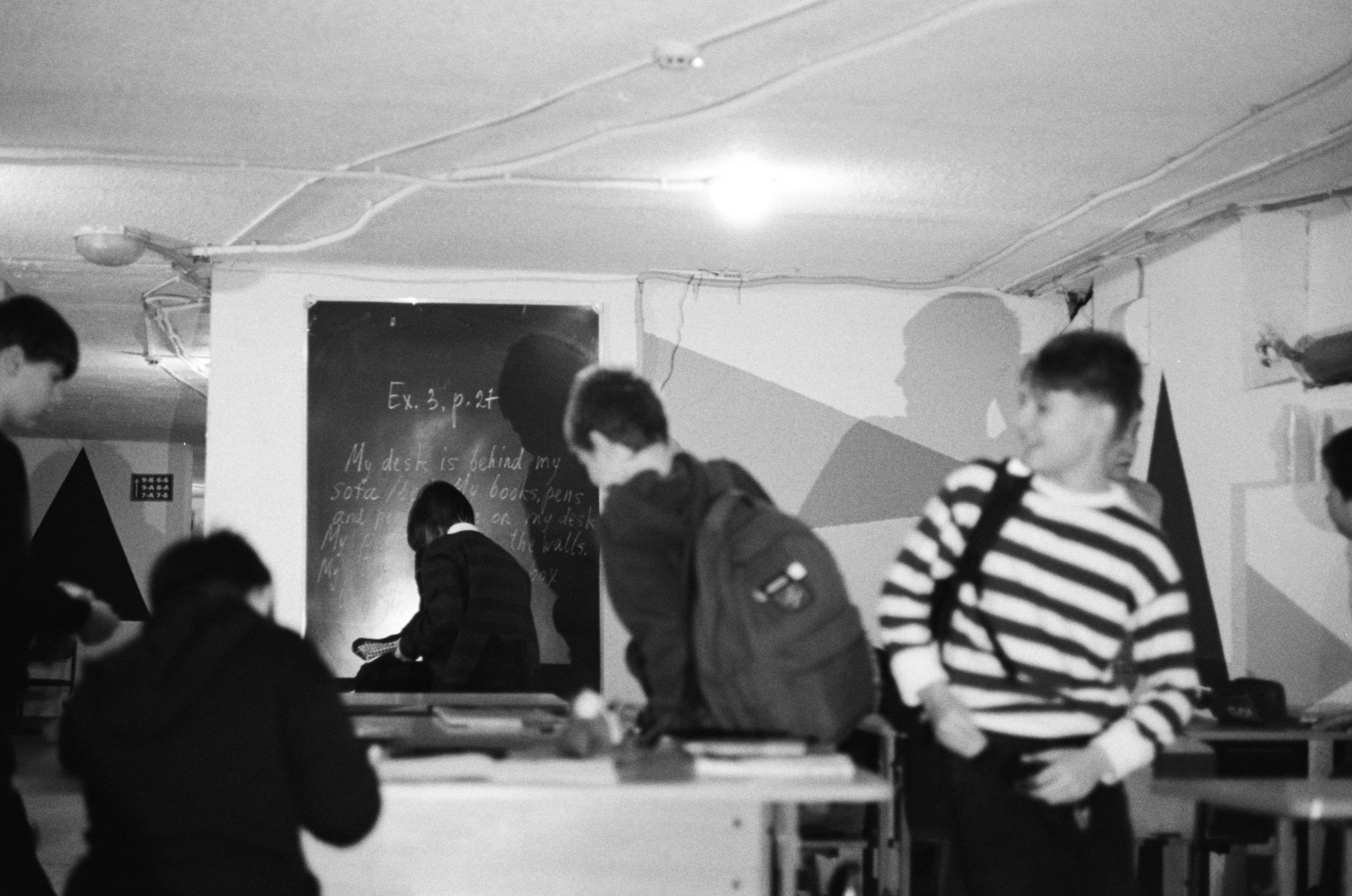
9:15 a.m. The bell rings for the end of the first lesson and the start of the break. The all-clear hasn’t sounded yet. The school corridors are empty. Not a single sound. Silence.
The day the school came under attack
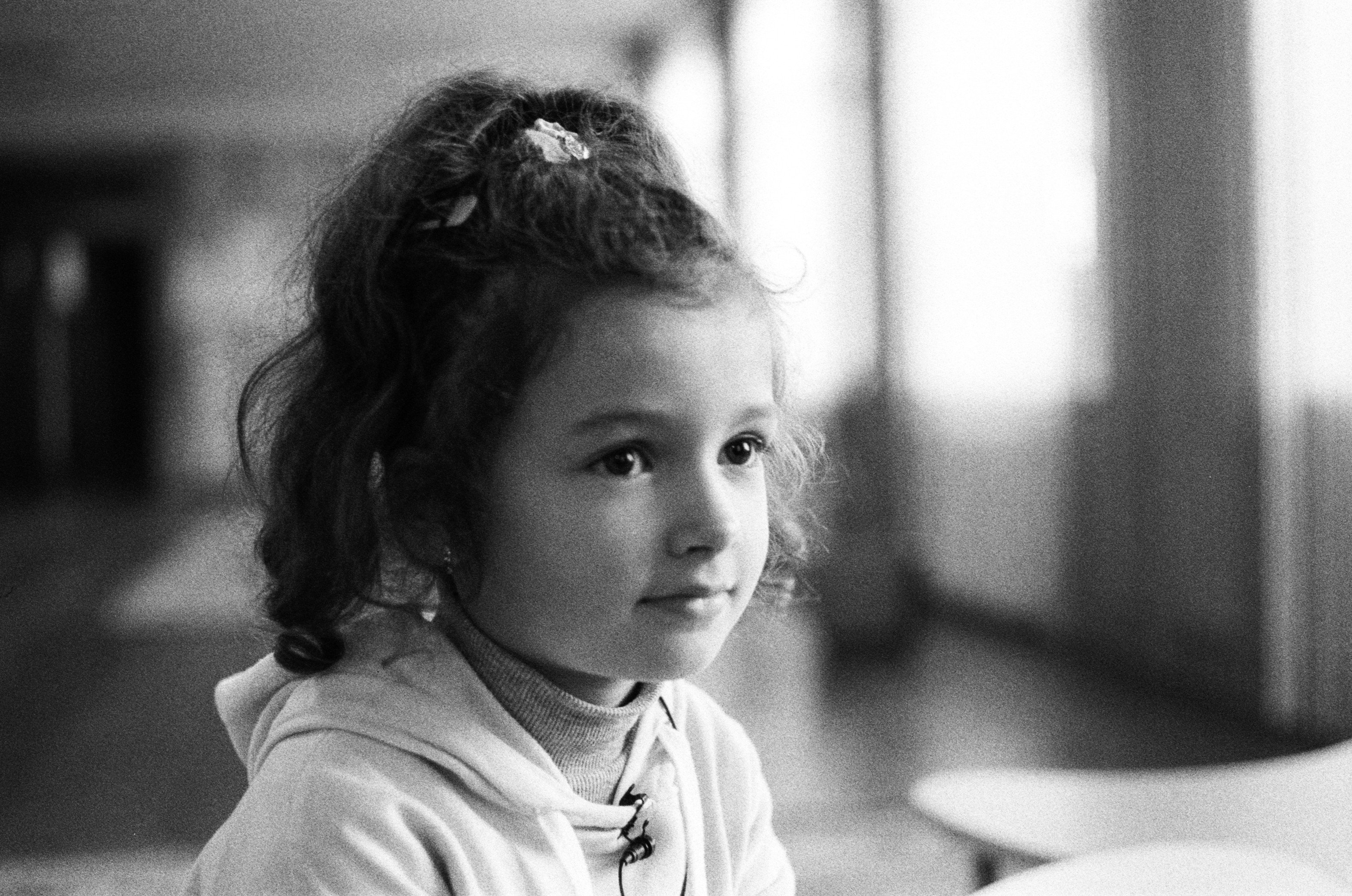
“The thing I’m most afraid of is thunder and air raid alerts.”
“Because they sound similar?”
“Yes. What if they launch missiles at us again?” Anastasiia says.
At this school, everyone knows all too well how important it is to react quickly when an air raid alert sounds. On October 1, 2026, a Russian drone struck the school building while children and teachers were in the shelter. There were 104 children and 60 school staff members at the school that day.
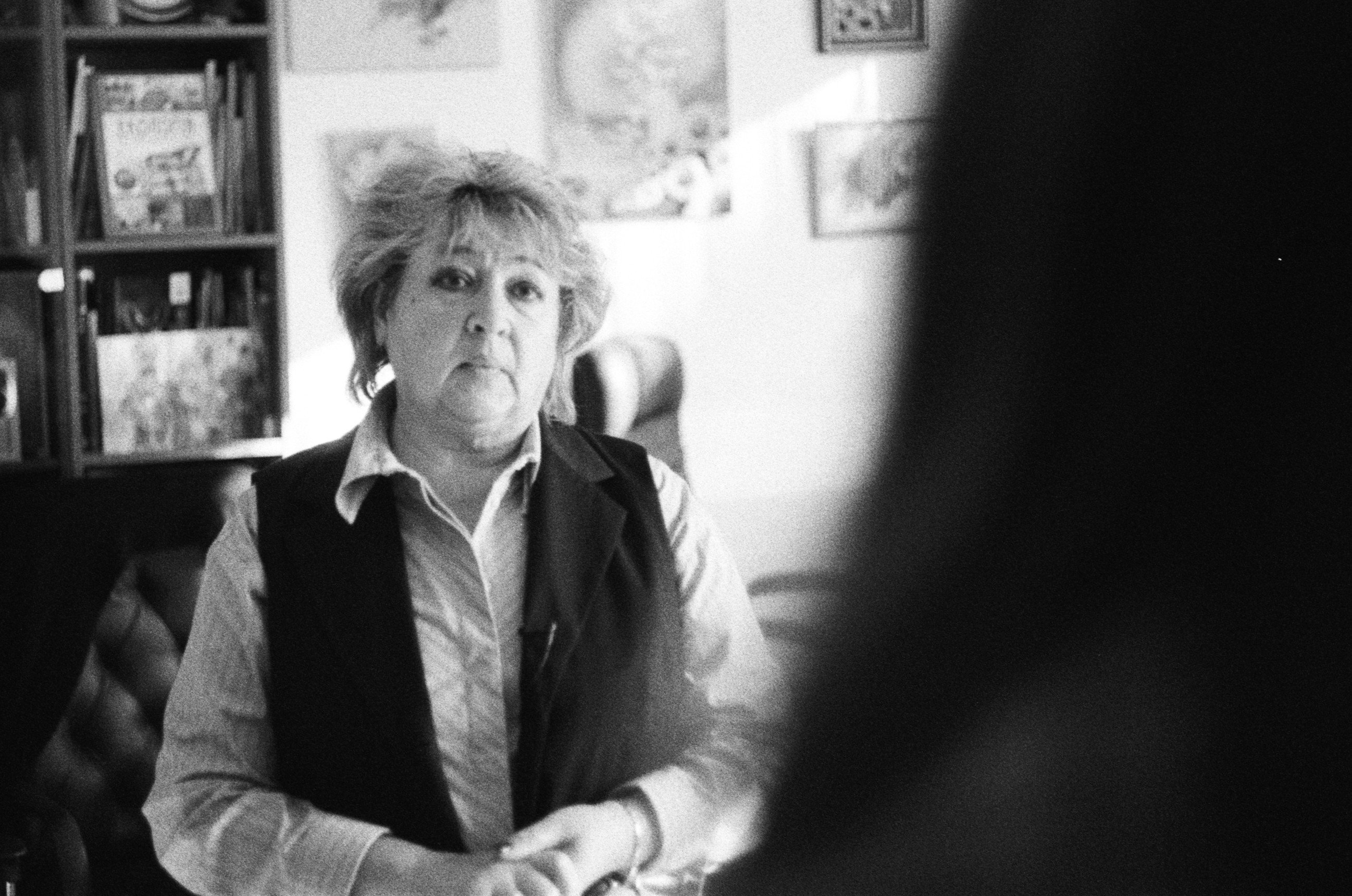
“When we heard that the school had been hit, that was the scariest moment, because we didn’t know exactly where it had happened or what the consequences were,” recalls the school’s principal, Valentyna Chorna.
“The first thing we saw was fire. It wasn’t a big fire, but still… it was right where the warhead had fallen,” she says.
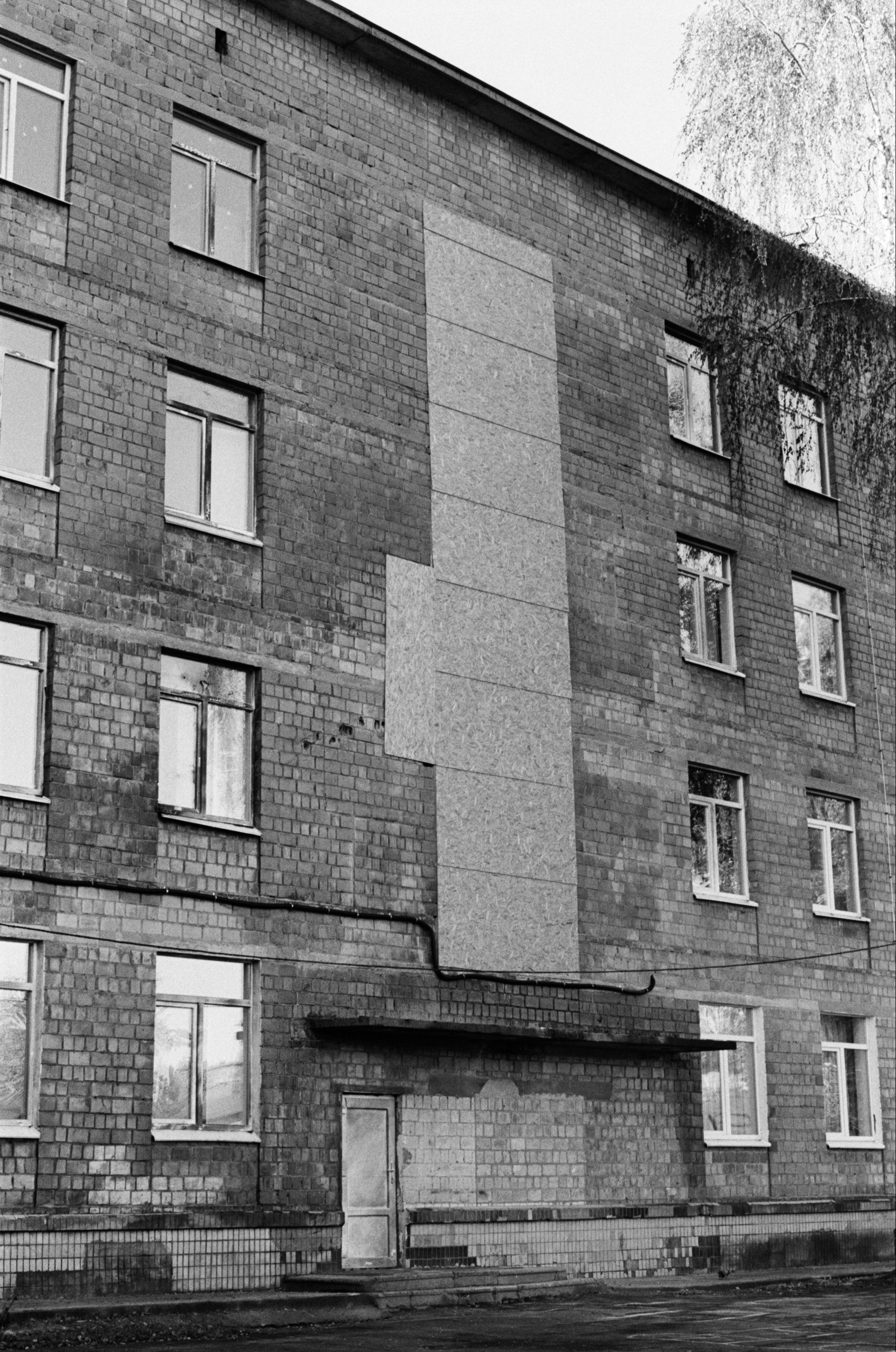
The warhead fell between the second and third floors but, fortunately, did not explode. An electrical cable running through the school then caught fire, so the power was immediately switched off.
“The first priority was to remove the warhead,” Valentyna explains. “Only after that were we allowed to evacuate the children from the school. Since the air raid alert was still ongoing and the children were in the shelter, we took them all out through the main entrance and moved them to a safe distance.”
Although the school had been directly hit, many people didn’t feel the impact and didn’t immediately realize what had happened.
“Primary school students, for example, only heard a dull thud because they were in a different shelter. Everyone else, of course, could tell that something had happened.”
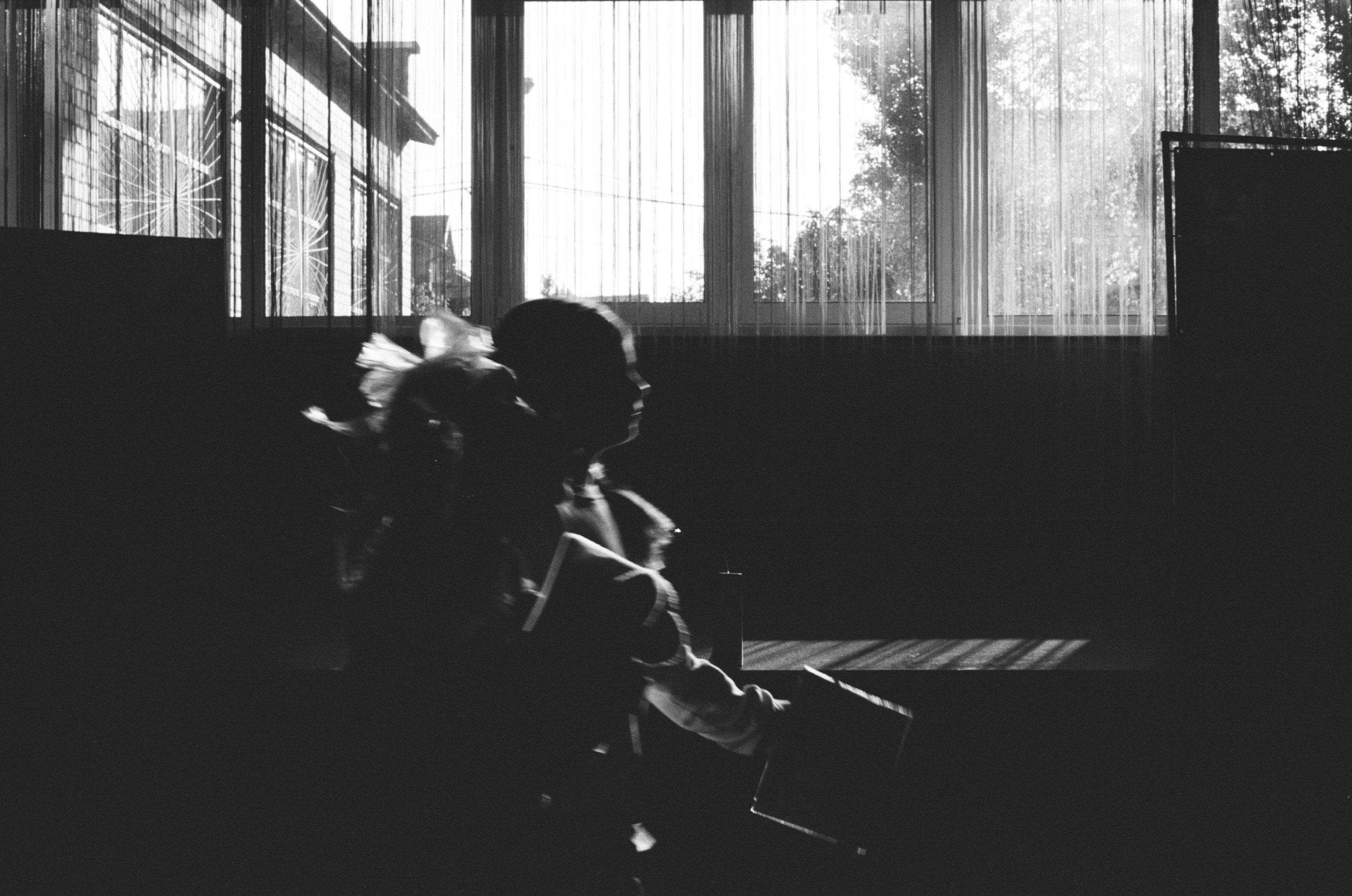
Liudmyla remembers that moment in a similar way.
“I realized something had happened when frightened, crying parents started rushing into the shelter. They had already heard the news and came to see what had happened and how their children were doing.”
This wasn’t the first time the school had been damaged in an attack.
“Last year, there were two strikes, but they hit near the school. The whole school was damaged. We didn’t have a single window left anywhere in the building. All of them were blown out, big and small, frames and all. So we had to restore everything.”
Liudmyla says that even in that situation, she tried to turn what had happened into something positive for the children.
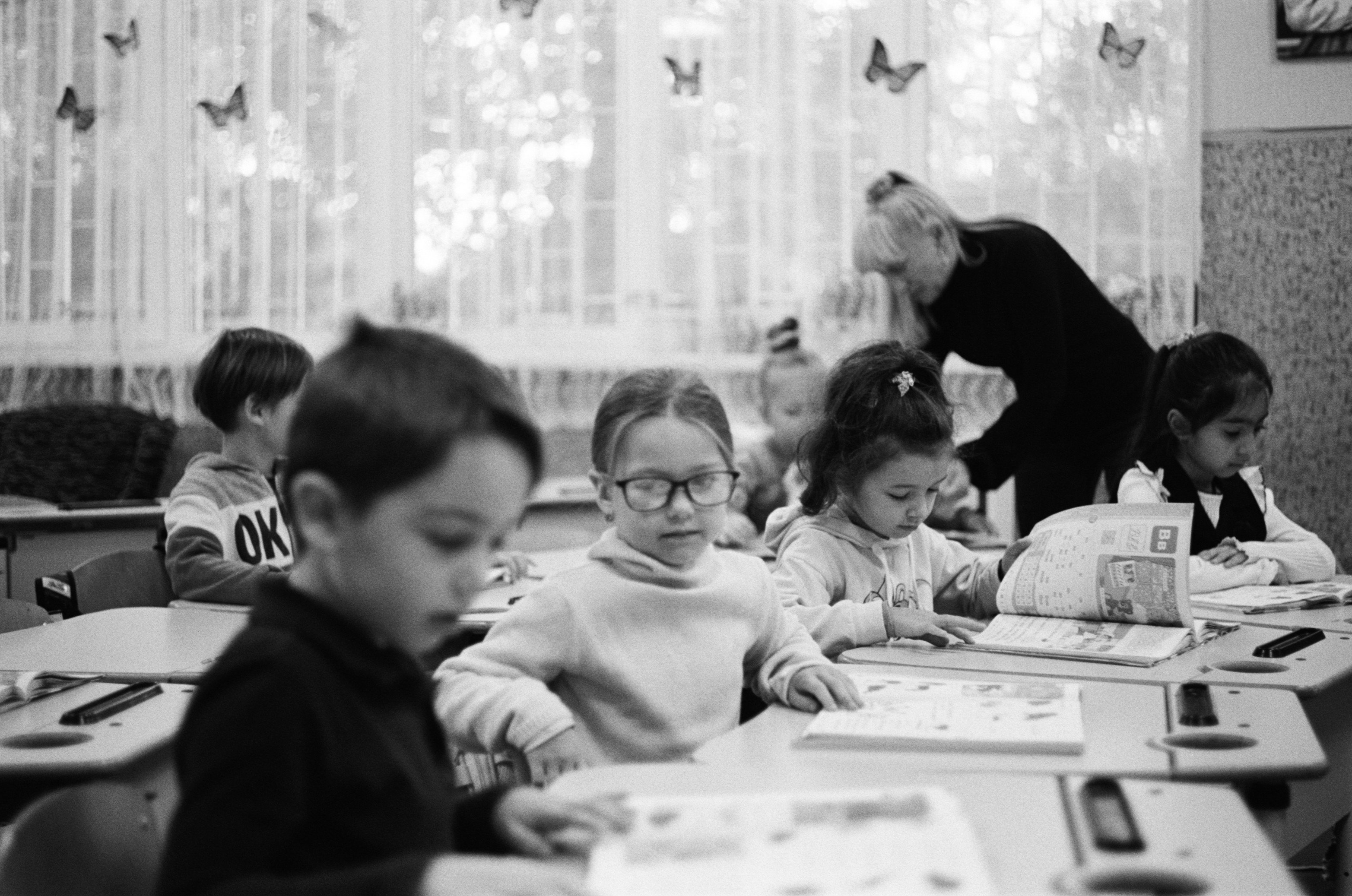
“We decorated the boarded-up windows with little flowers and butterflies. They looked like flower meadows. The children found it interesting.”
A few moments of childhood between air raid alerts
9:26 a.m. The all-clear sounds.
“YAYYYYYY!” one of the children shouts.
They form pairs and follow Liudmyla out of the shelter.
Back in the classroom, the second lesson, writing, continues.
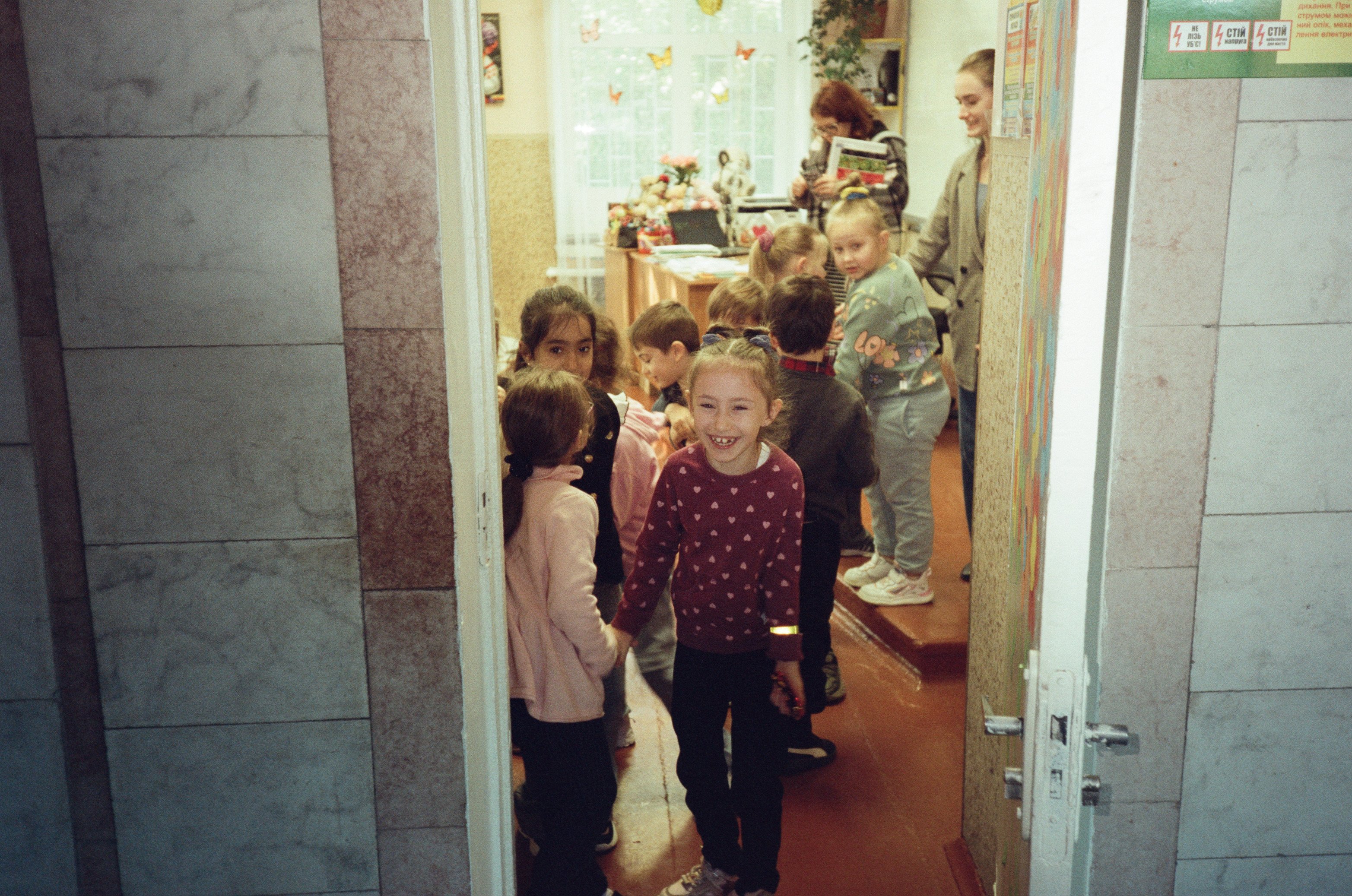
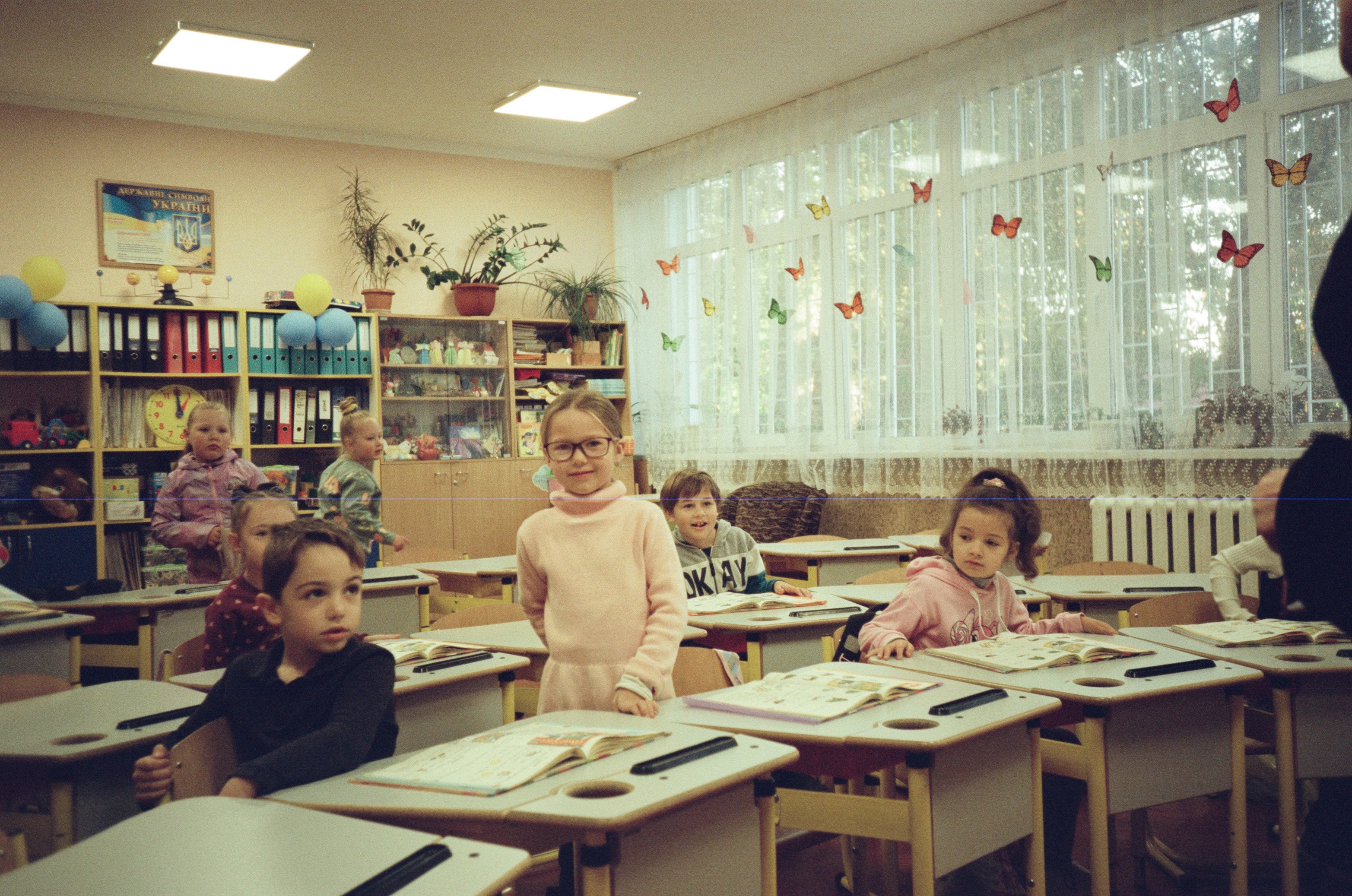
Both Anastasiia and Alex prefer learning in the classroom. They always bring toys with them to the shelter. Anastasiia, however, has something else she never goes without: breadsticks.
“I was secretly writing something and grabbing breadsticks from under the desk to eat,” she tells me with a laugh.
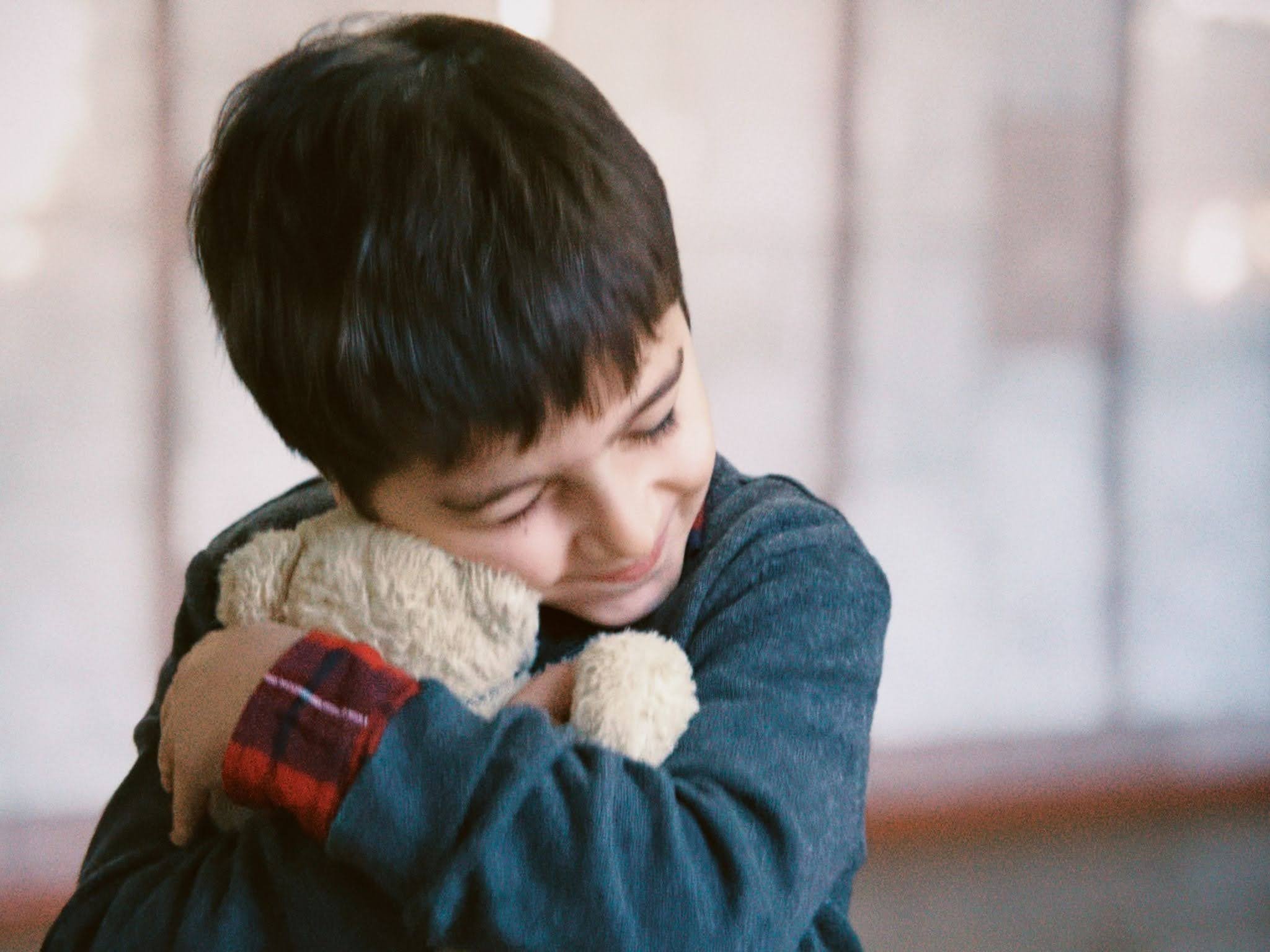
Alex’s must-have item is a teddy bear named Harry Potter.
Anastasiia says they all support one another.
“What do we do? We laugh! We say funny things to each other,” she says.
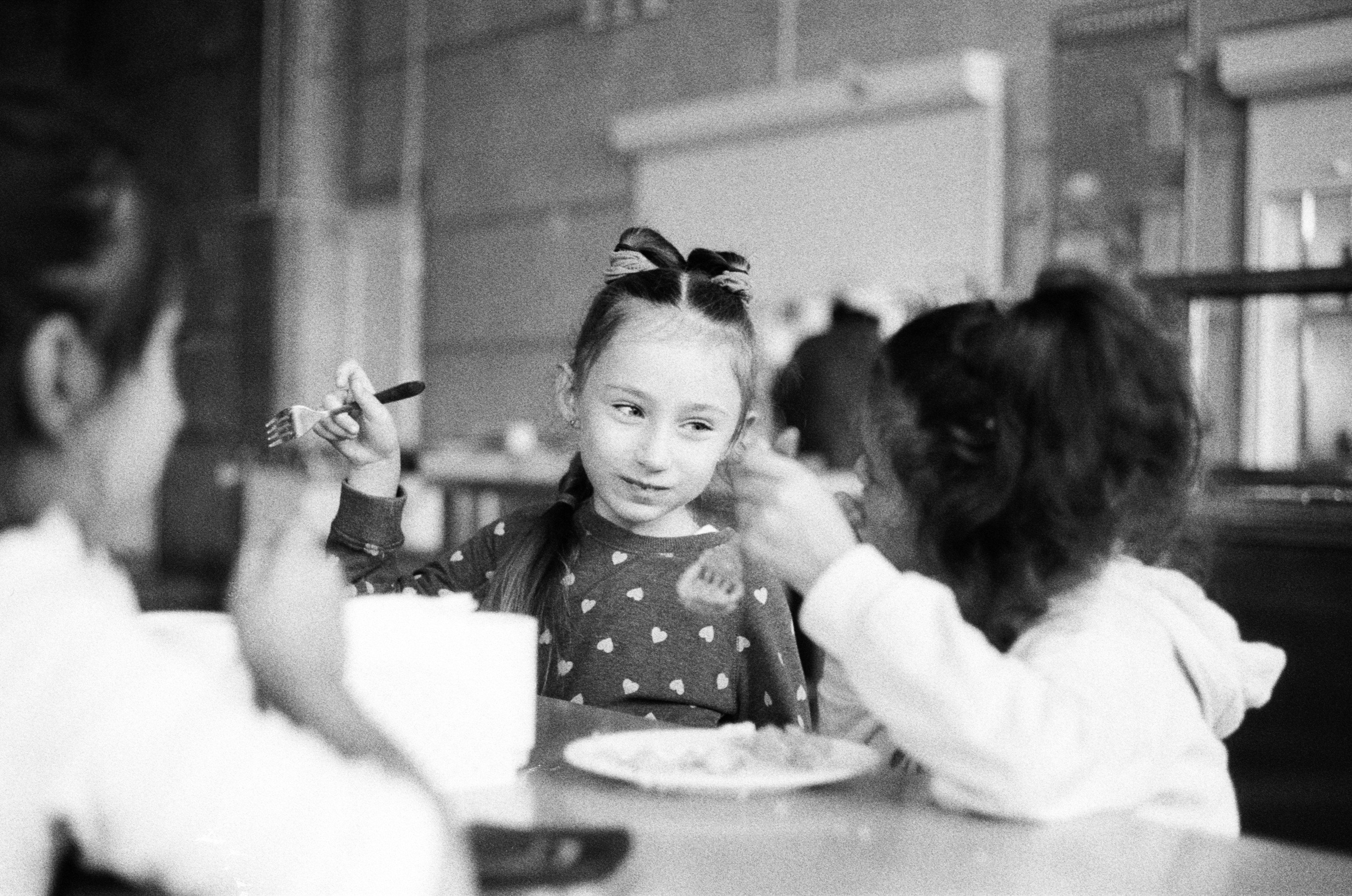
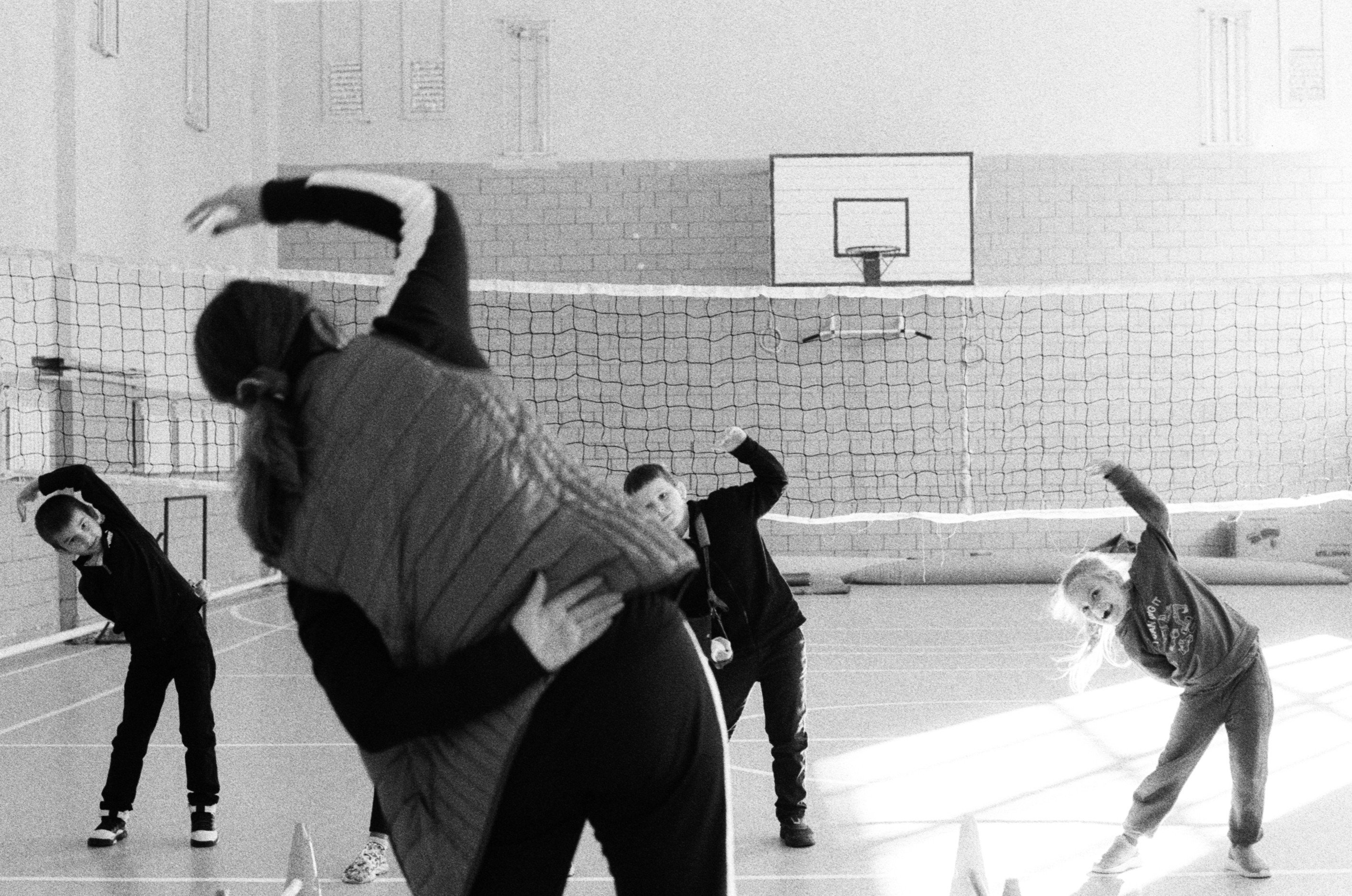
While the children were in the shelter, Russian forces attacked the Kyiv–Odesa highway near Chabany, a town on the outskirts of the capital. Three people burned to death in their cars, while four others were injured.
The back-and-forth of school life in Kyiv
12:12 p.m. Another air raid alert sounds in Kyiv. This time, it’s a ballistic missile threat.
The routine is the same: Liudmyla quickly gathers the children, and they head back to the shelter, where the lesson will continue.
“Some days, we spend almost all our lessons in the shelter,” she tells me. “If we have to sit there for a long time, it takes a psychological toll on the children. They become less attentive and more anxious.”
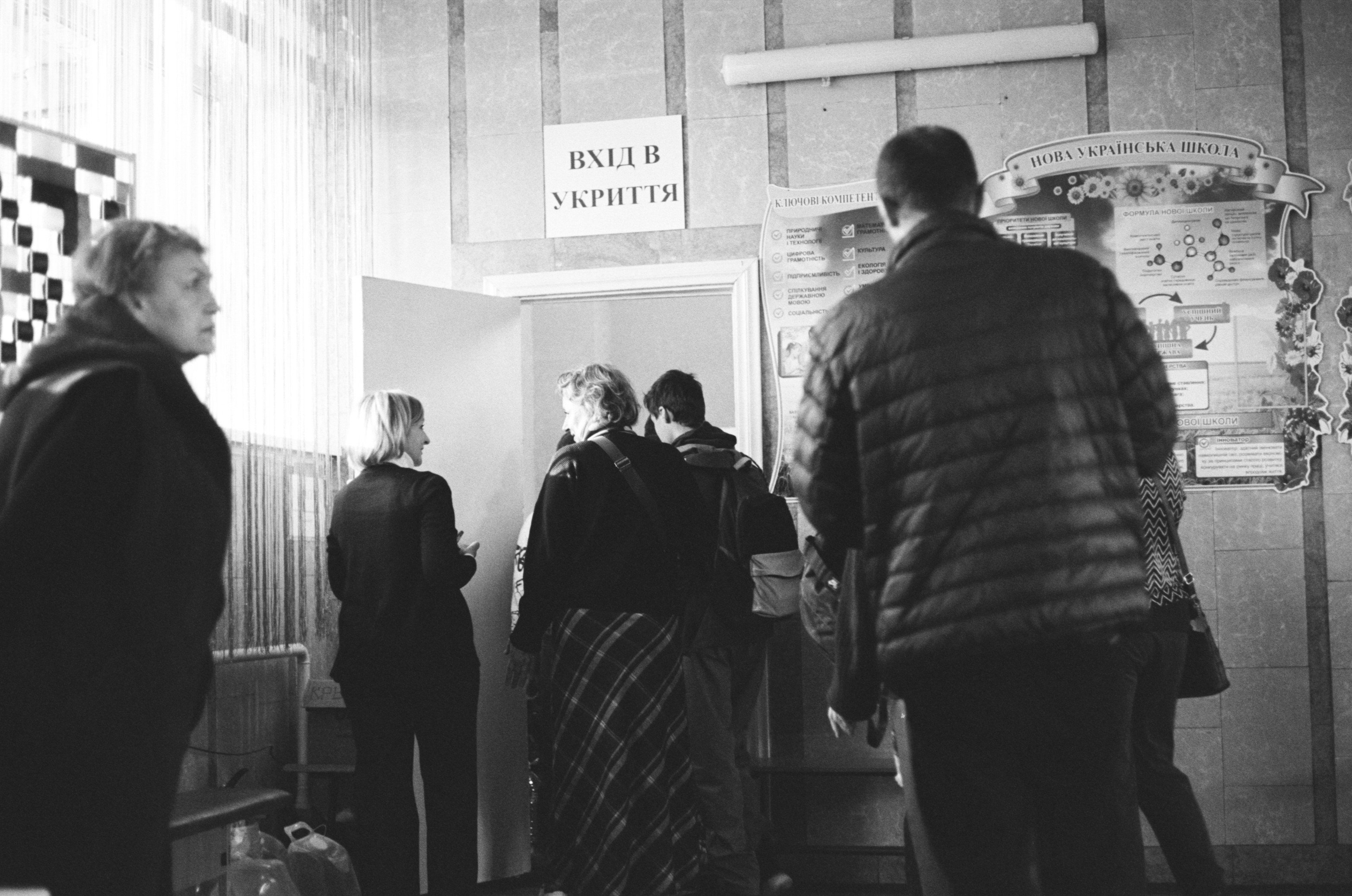
Liudmyla doesn’t know yet that this will be one of those days.
12:37 p.m. The all-clear sounds. Everyone heads back to the classroom.
Although going back and forth between the shelter and the classroom can be tiring for young children, Liudmyla says it’s still better this way.
“They get to move around, they walk, and they’re happy when the all-clear sounds. Then we come back to the classroom, which feels like a familiar environment, like home. The lesson goes on with the children in a better mood, and it’s more effective.”
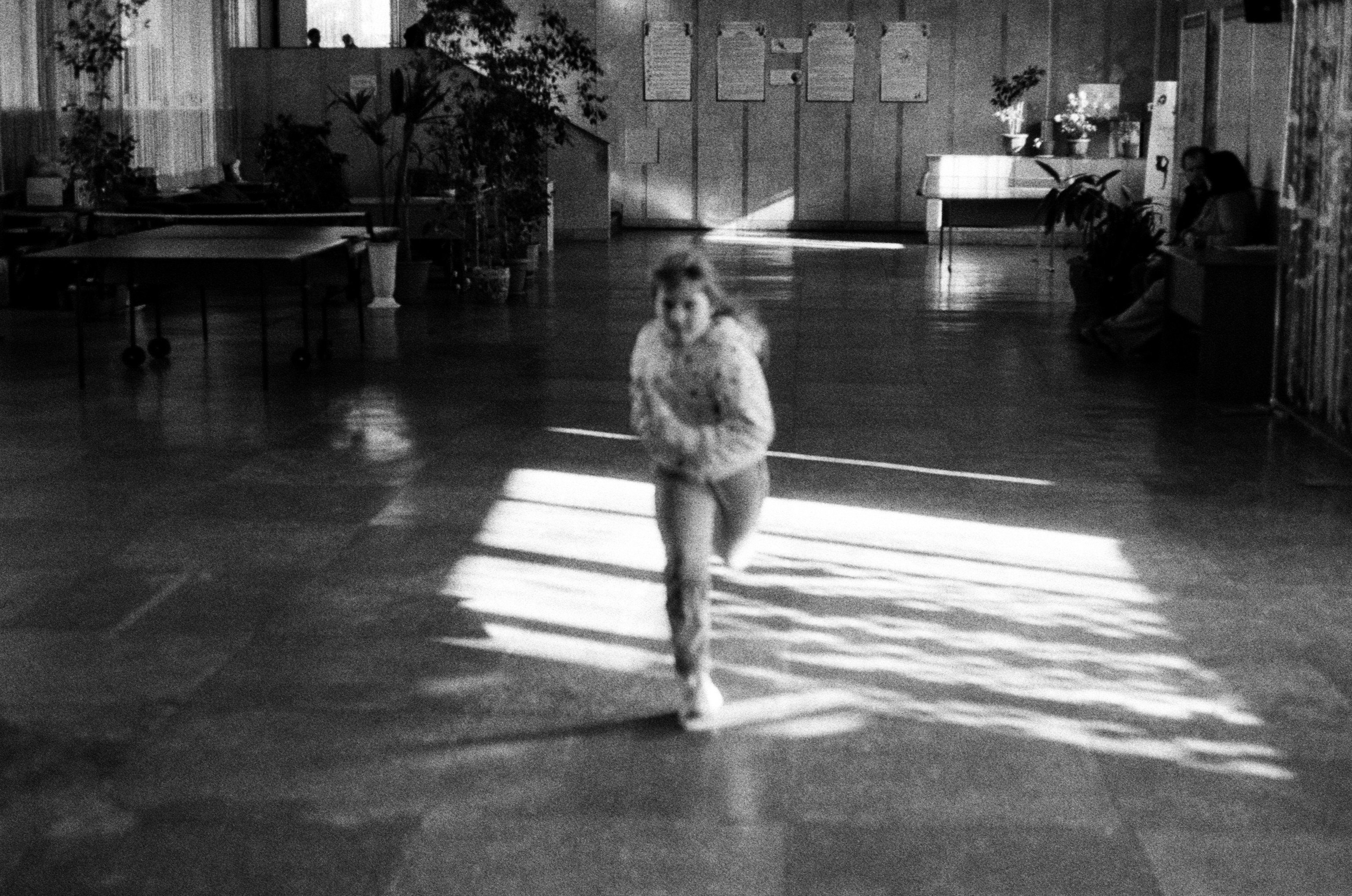
Liudmyla also says that in-person learning is essential and more effective for first-graders.
“Because first-graders need face-to-face interaction. A primary school teacher needs to hold a child’s hand and stroke their head when they do something well. Nothing can replace that kind of interaction. No form of distance learning can do that.”
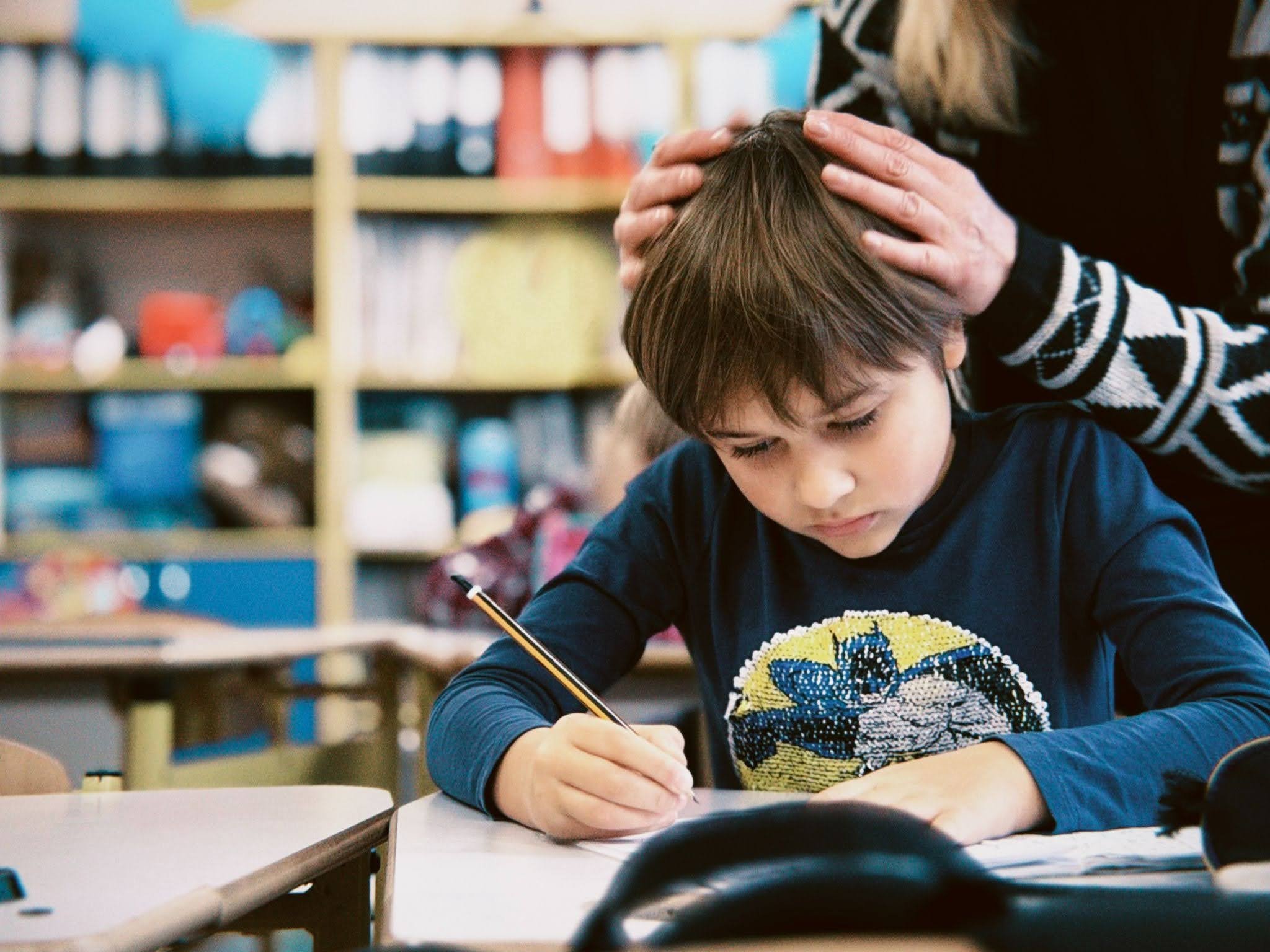
Just nine minutes later, another air raid alert sounds in Kyiv, this time because of a drone threat. It will last for more than five hours, and the children will spend the rest of the school day in the shelter. Everyone gathers their things again and heads downstairs for the third time in four hours.
This time, Russian forces struck an operating room at Kyiv’s Strazhesko Institute of Cardiology, injuring one patient. The medical facility is in the same district, just six kilometers from the school.
Teaching through fear and uncertainty
Even though the children continue laughing and playing, the war is taking a serious toll on their mental health.
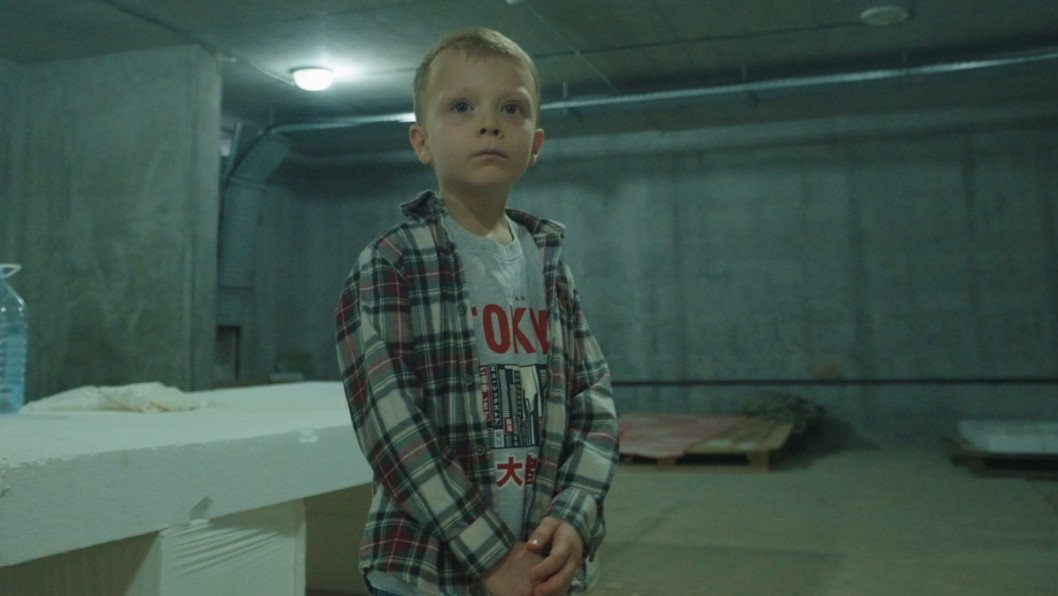
“When the full-scale war began, they were only two or three. They don’t remember life without war,” Liudmyla says. “When we had a lesson about fireworks, the children didn’t know what they were. There was a picture in the textbook, but it didn’t explain much. I had to play a video to show them what fireworks look like. They don’t know what this joyful, festive moment looks like.”
After several hours of talking, I see tears in Liudmyla's eyes, who at first seemed tough and always smiled.
“What does it feel like as a teacher when you realize that you have to explain things to young children that they should already know, but don’t because of the war?”
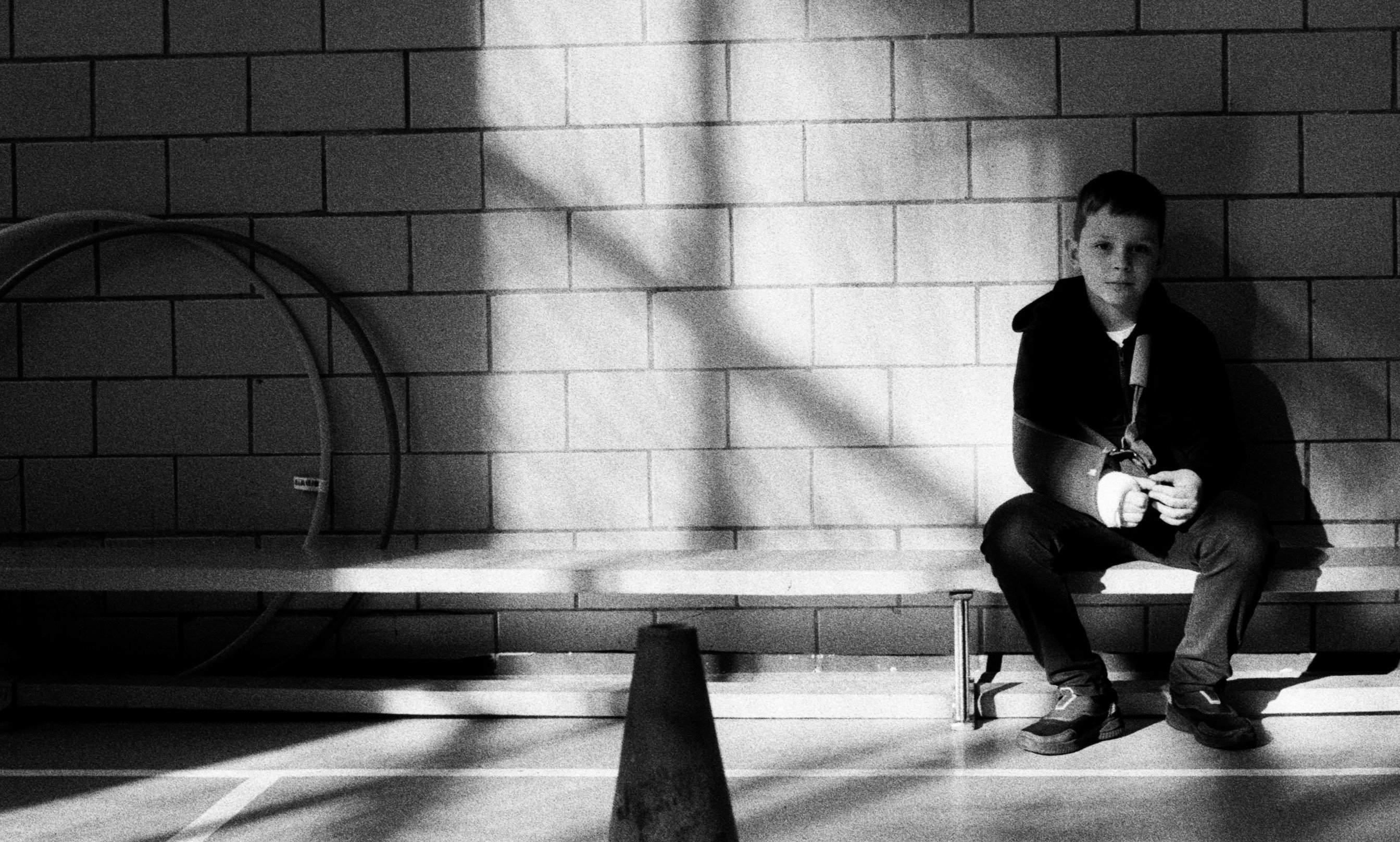
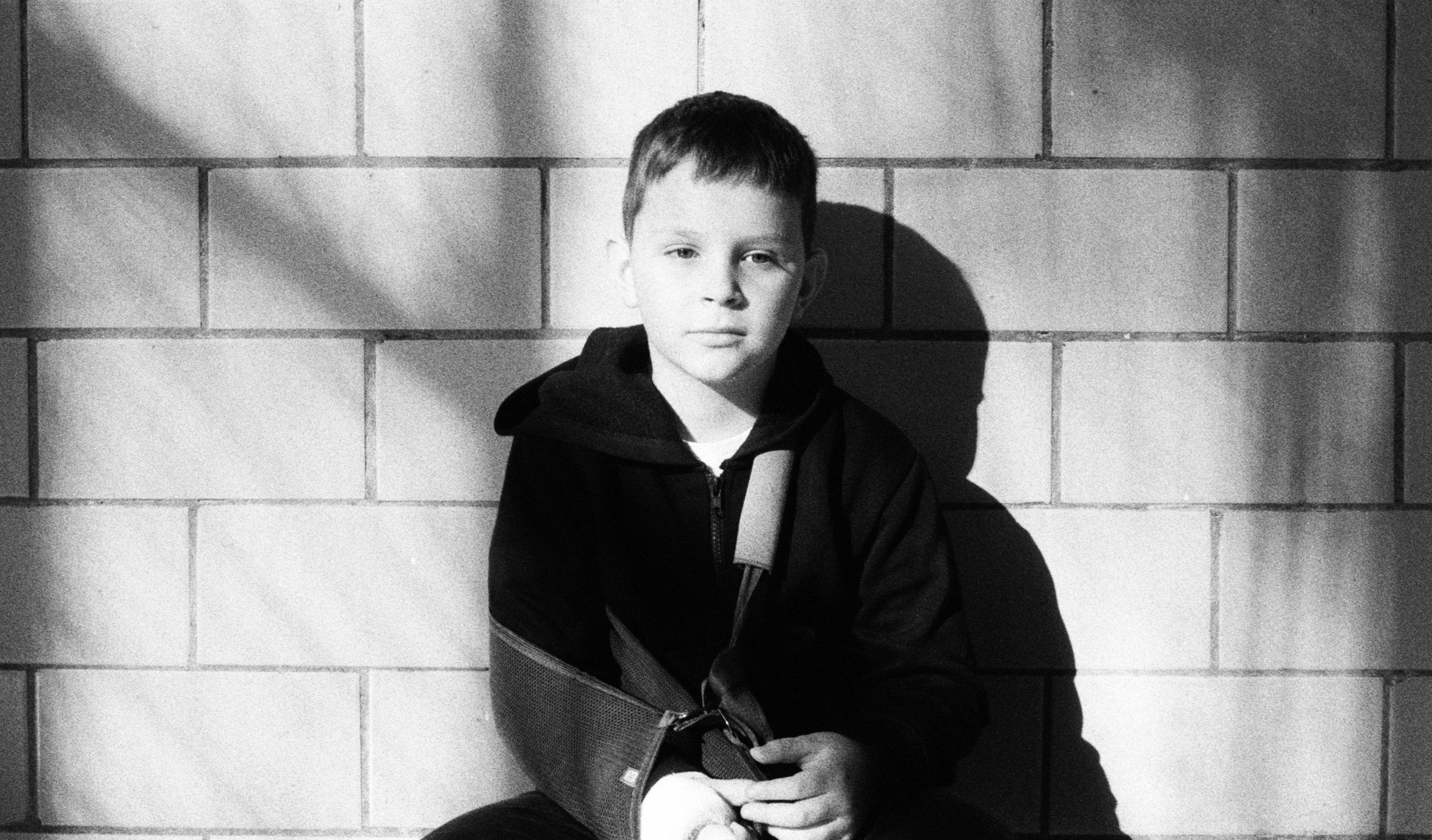
Liudmyla pauses for a few seconds, looks away, and tries to hold back her tears.
“It’s hard. Sometimes, I even feel like crying. But I still try to stay positive around them and not let my guard down. Because I have to teach them. I need them to feel safe. And I always tell them that we will win, that Ukraine will win, and glory to Ukraine.”
Discuss this article: