- Category
- Opinion
I Took Pokrovsk for Granted—Now the Ukrainian City Behind "Carol of the Bells" Is Fighting for Its Life
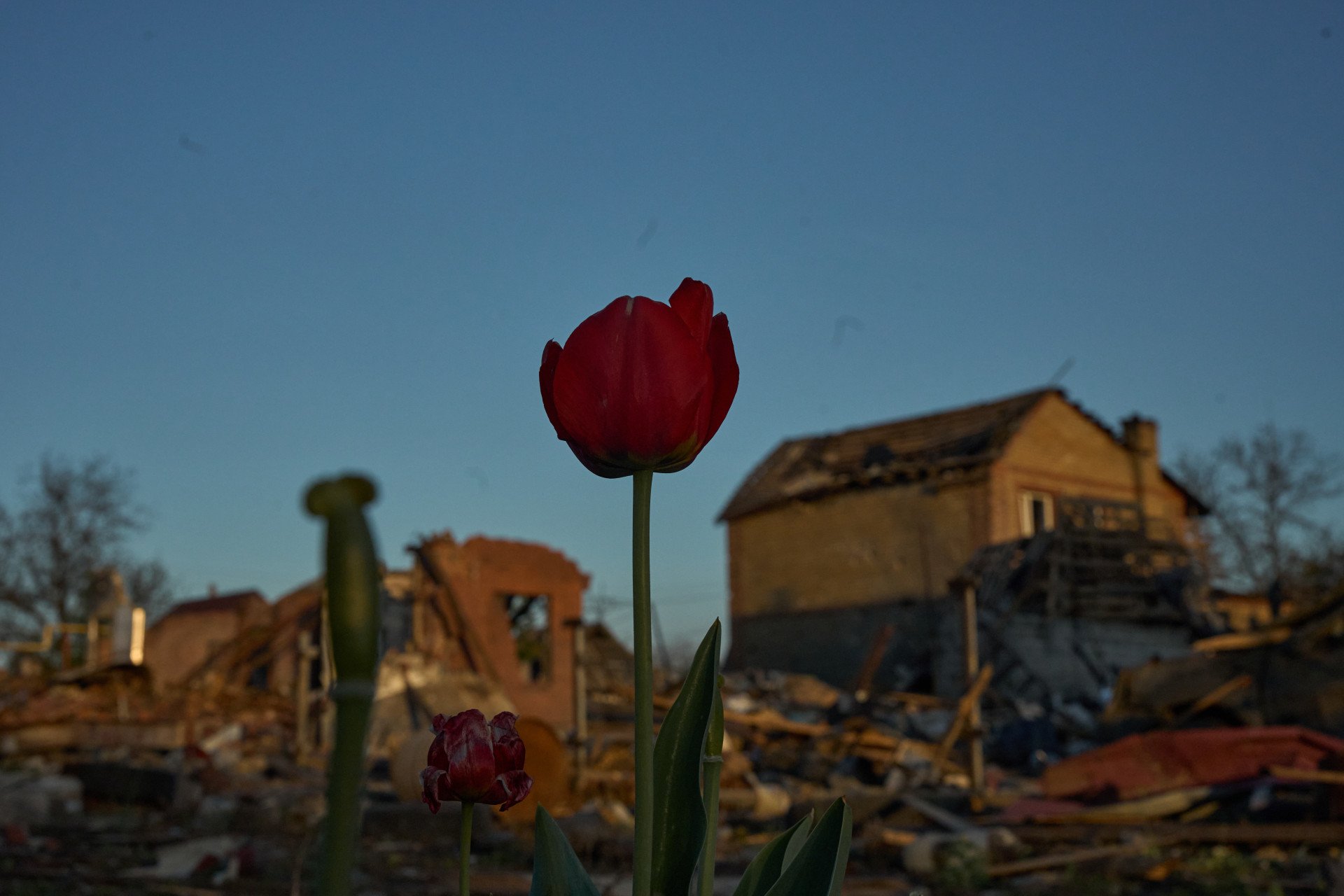
Pokrovsk, a city of friendship and song, gave the world its Christmas tune—a carol sung a century ago for Ukraine’s independence. One hundred years later, as Russian forces move to erase the city, Ukraine is still fighting for that same freedom.
 Prefer U24 Media on Google
- Authors

-46f6afa2f66d31ff3df8ea1a8f5524ec.jpg "Photo of Jess Daly")
Russia has deployed one-third of its troops—a force larger than most European armies—to destroy and capture Pokrovsk, a city I used to stop in between trips to the Ukrainian frontline. Yet, despite the ruin, its voice echoes around the world every Christmas.
Pokrovsk is the city that gave the world “Carol of the Bells,” and now Russia is trying to destroy it. pic.twitter.com/UOfXwh8tW4
— UNITED24 Media (@United24media) October 28, 2024
The song known globally as “Carol of the Bells” was originally named “Shchedryk” and composed in Pokrovsk by Ukrainian composer Mykola Leontovych. The song was never just art. It became a symbol of Ukraine’s struggle for peace and independence as the country fought for survival against being silenced by Soviet Russia, a resonance that feels painfully current today.
In 1919, as the future of Ukraine was debated at the Paris Peace Conference conductor Oleksandr Koshyts led the Ukrainian International Choir on a mission to make Ukraine visible to the world. After the collapse of the Russian Empire in 1917, Ukraine briefly tasted freedom, openly performing its music and celebrating its culture.
That freedom was short-lived. Bolshevik forces soon invaded Ukraine, framing their occupation as “liberation” and dismissing Ukraine’s independence.
On December 13, we honor Mykola Leontovych, the Ukrainian composer who gave the world “Carol of the Bells.”
— UNITED24 Media (@United24media) December 13, 2025
🧵 1/8 ⬇️ pic.twitter.com/Llw7mBPURN
As Ukraine bled on the frontlines, the choir prepared to leave for Paris, and Russian forces invaded Kyiv. The singers escaped on the last train, but even abroad, Russia continued to try to silence them. The choir was jailed in Uzhhorod and detained again in Prague after false accusations spread by Russian officials. The choir embarked on their tour, sharing Shchedryk with Europe through hundreds of concerts, proving that culture could succeed where diplomacy failed and that Ukraine existed, no matter how hard Russia tried to erase it.
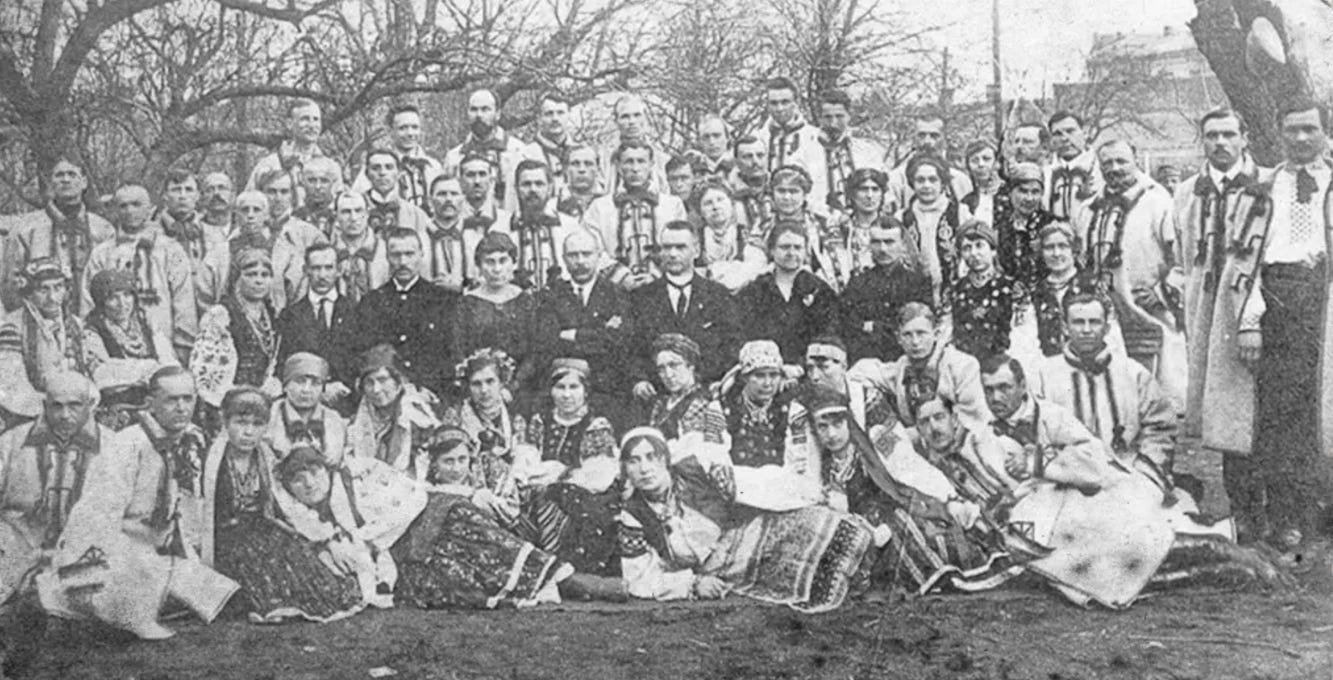
Now, Ukraine is defending its independence, and the very city, Pokrovsk, which sang voices of courage a century ago. As “Carol of the Bells” rings around the world this festive season, Ukraine still fights for its right to exist.
Pokrovsk for the last time
“You shouldn’t go there. Why are you going?” the soldiers sharing my cabin asked, as I hauled my six-months-pregnant body onto the top bunk of the overnight train to Pokrovsk in February 2024. I had to go back, I told myself. I knew I wouldn’t be able to return for a while once my son was born.
For several years, I spent much of my time in Pavlohrad, a city just an hour from Pokrovsk. Pavlohrad was home; Pokrovsk was a city between home and resilience—a place of solidarity and hope.
Around 40 kilometres (24.8 miles) from the frontlines, Pokrovsk had, for many years, felt deceptively calm, shielded by distance. A stark contrast to the frontline positions I’d been to just a few hundred meters from Russian forces. The city brought a wave of release from the immediate dangers of war as you drove further west from the frontline.
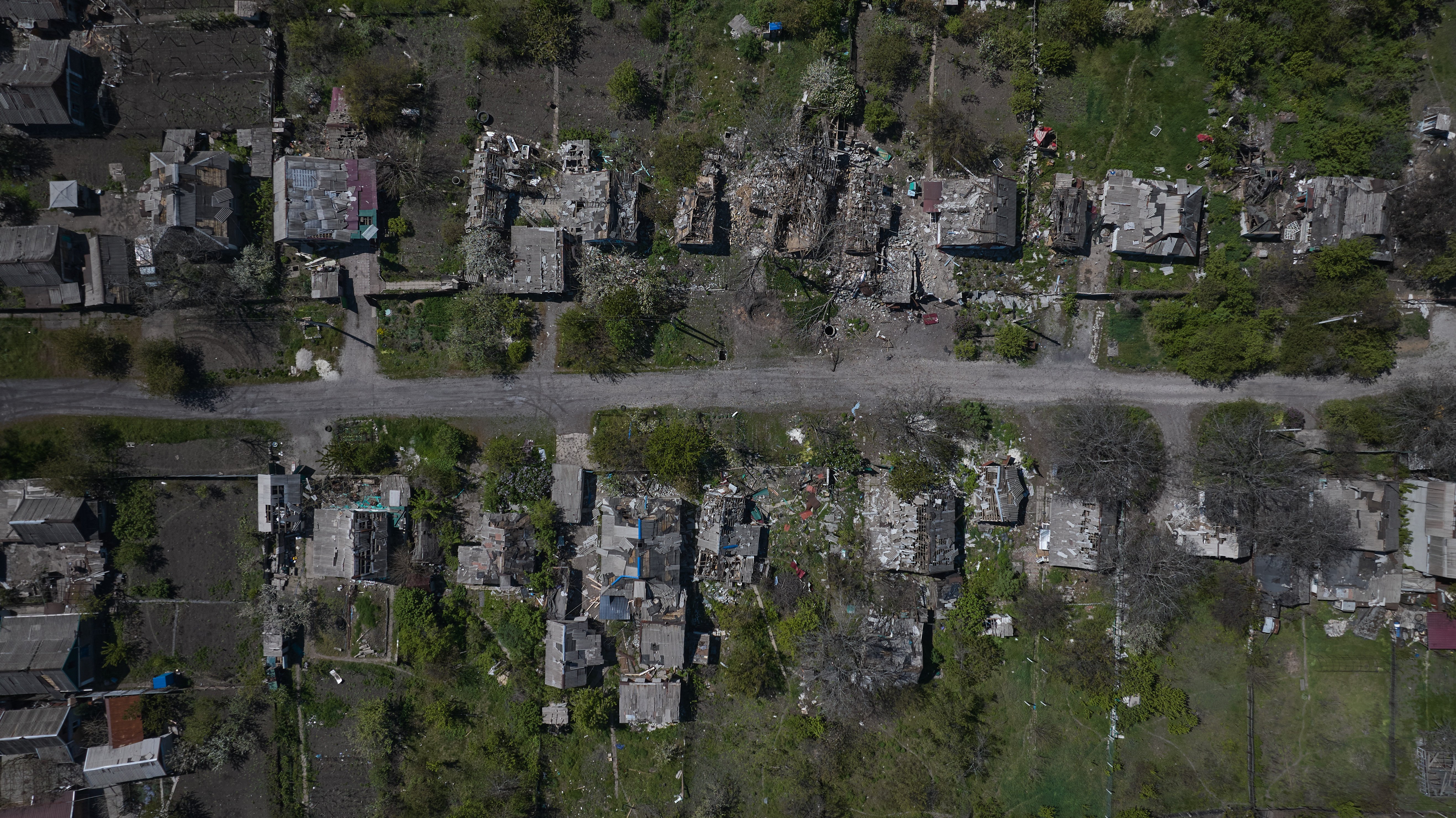
This time, in 2024, it was different. Russia’s shelling shook the apartment where I slept between Pokrovsk and Myrnohrad. Streets once filled with families and laughter were heavy with tension; death no longer felt distant.
When friendship was born
More than four years earlier, in Pokrovsk’s local park, a friendly face greeted me with coffee and a cigarette—Yurii, a Ukrainian soldier from Dnipro’s 1st Battalion. “I’ll show you everything Russia is doing to us,” he told Vadym and me.
Long before the full-scale invasion, Vadym, a Ukrainian rapper, took me to the front lines for the first time. He was introduced to me by Seib, an infamous graffiti writer who has since become widely known along the front for his work with CRAF , camouflaging vehicles, weapons, and equipment for the war.
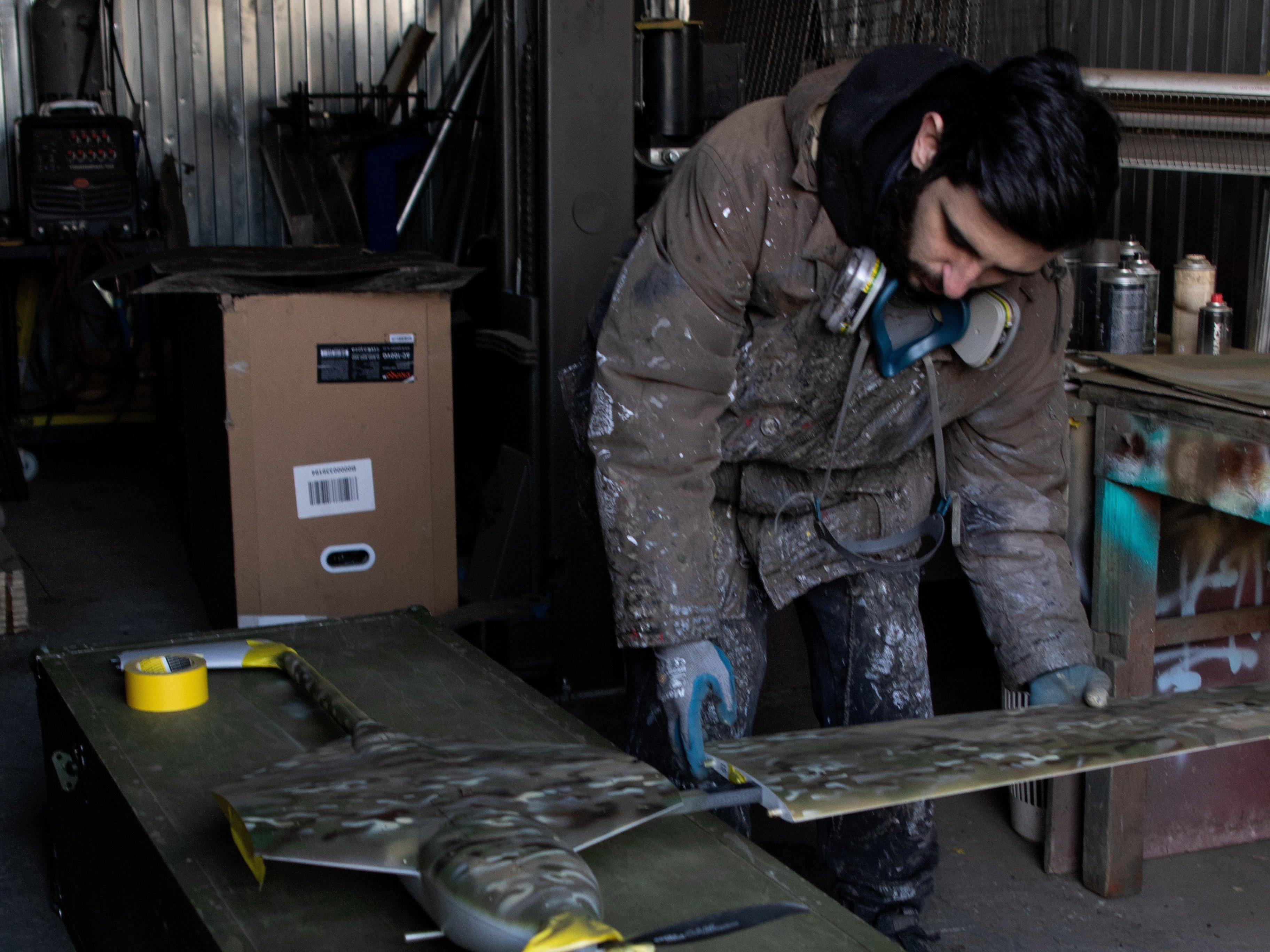
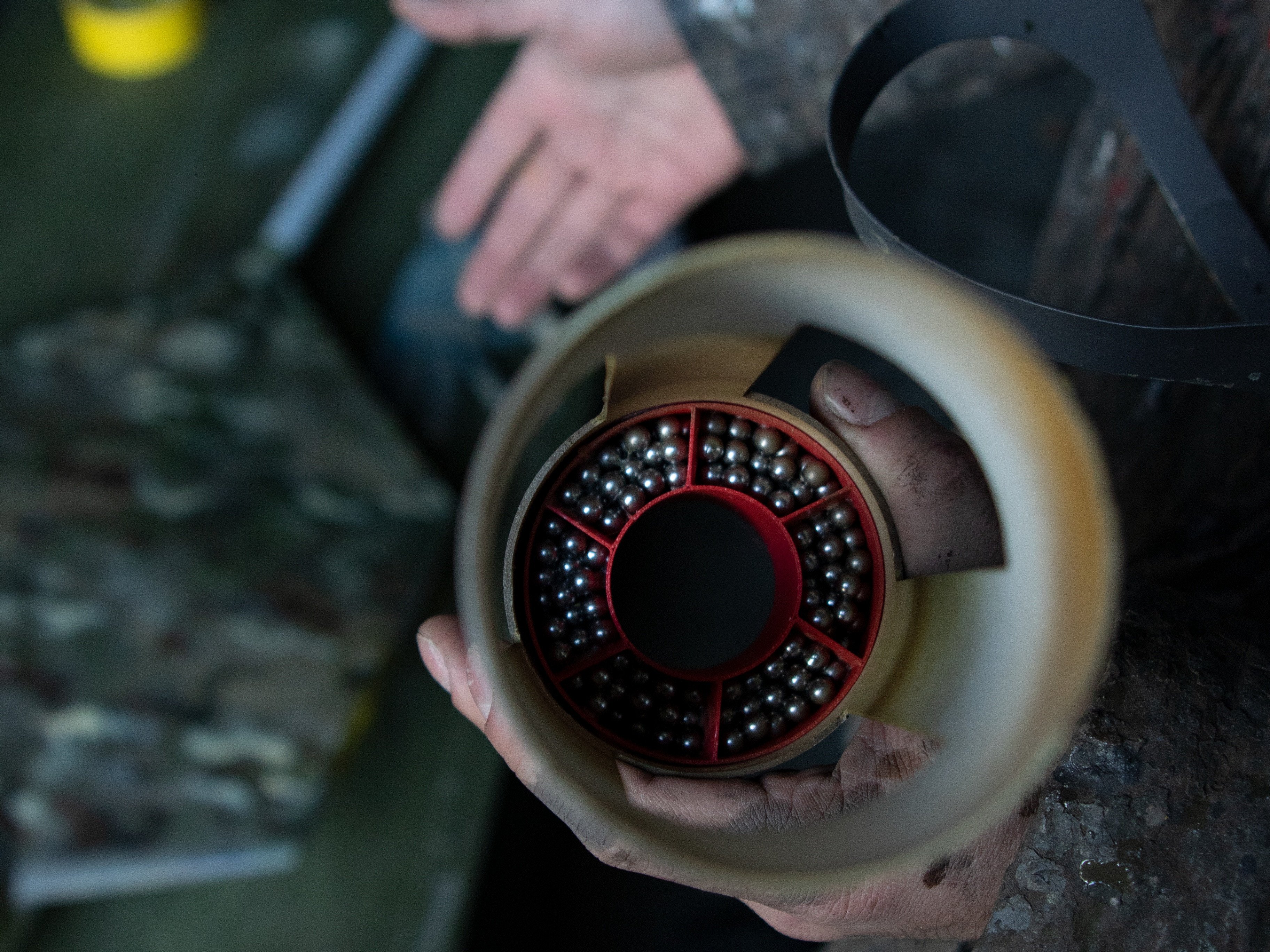
Through Vadym—who became more like a brother than a friend—I learned the rhythms of the frontline and the quiet courage behind it. We’d already travelled to frontline cities together in previous years, from Avdiivka to Mariupol and Mariinka, but this was my first time in Pokrovsk.
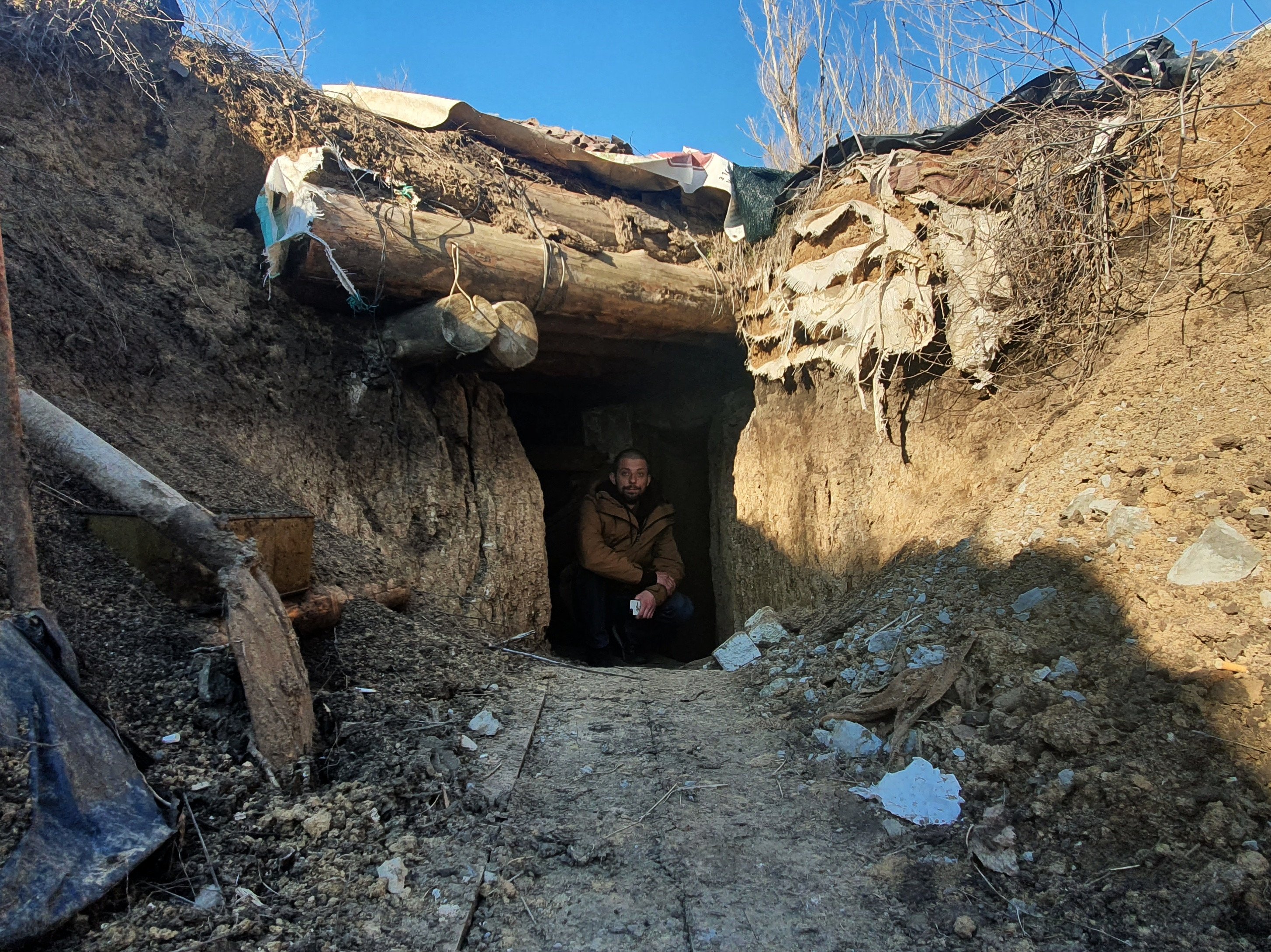
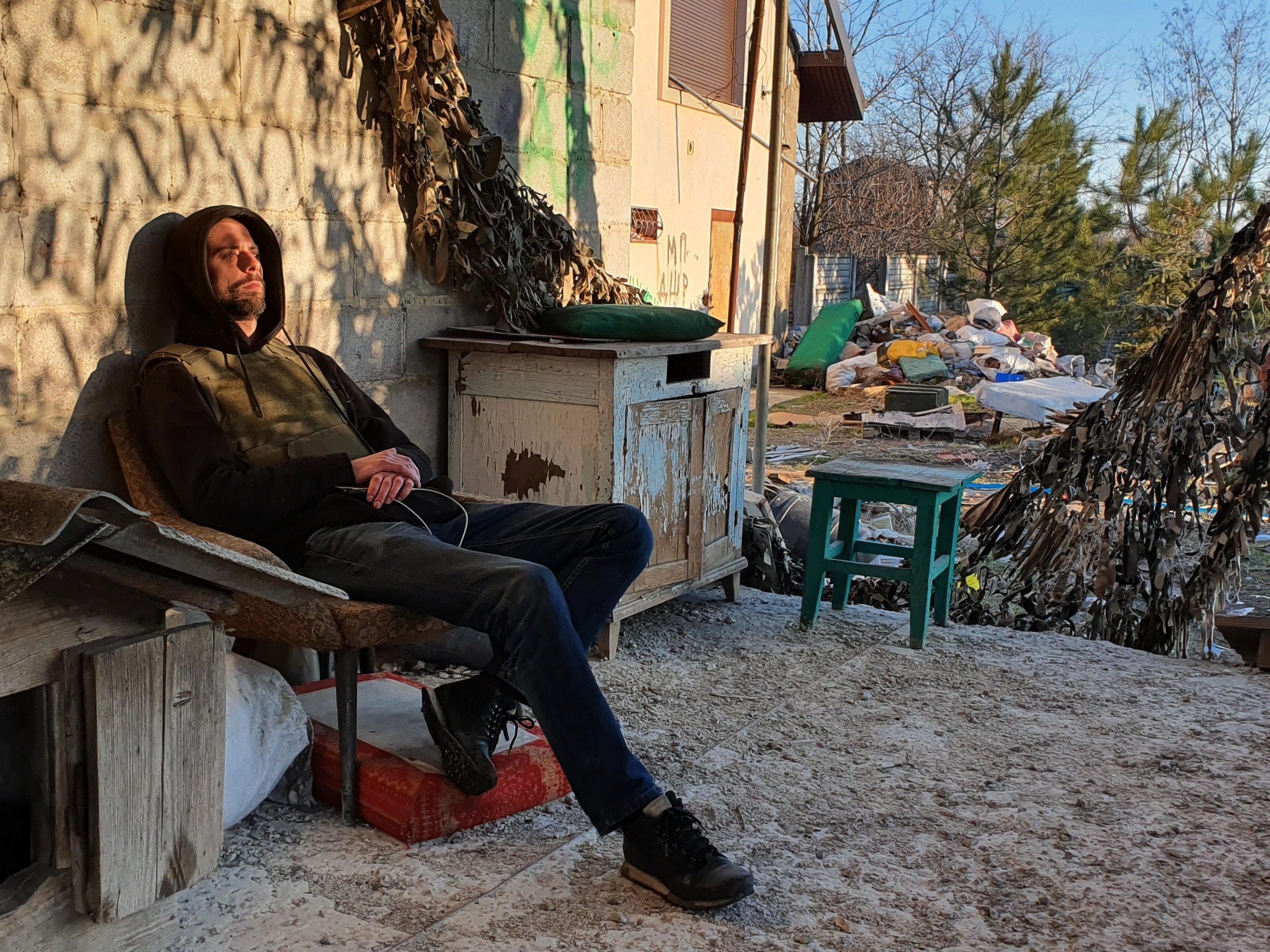
This initial meeting with Yurii became a testament to those living in Pokrovsk—friendly, open, and willing to put themselves at risk to tell Ukraine’s story, which, before Russia's full-scale invasion, was rarely reported at the time. Yurii walked us through the park and spoke about life in Ukraine since Russia’s invasion in 2014. Soldiers were present, but civilian life continued.
He took us to a volunteer base in the city centre, where we were greeted like family. Within an hour, Ukraine’s security service, SBU, called him, as foreign journalists were rare then, so they quickly learned of our presence. Yurii was warned about the risks and was told to send us back to Kyiv, but shrugged it off.
For Yurii, and as for Ukrainians more than a century before him, being a voice for the nation's independence mattered. He showed us the first captured Russian tank of the war before driving us to Pisky, one of the last villages before Donetsk city, occupied by Russia since 2014.
From there, my friendship with Yurii, and with Pokrovsk, a city I had once taken for granted, only deepened.
How I chased the wrong stories
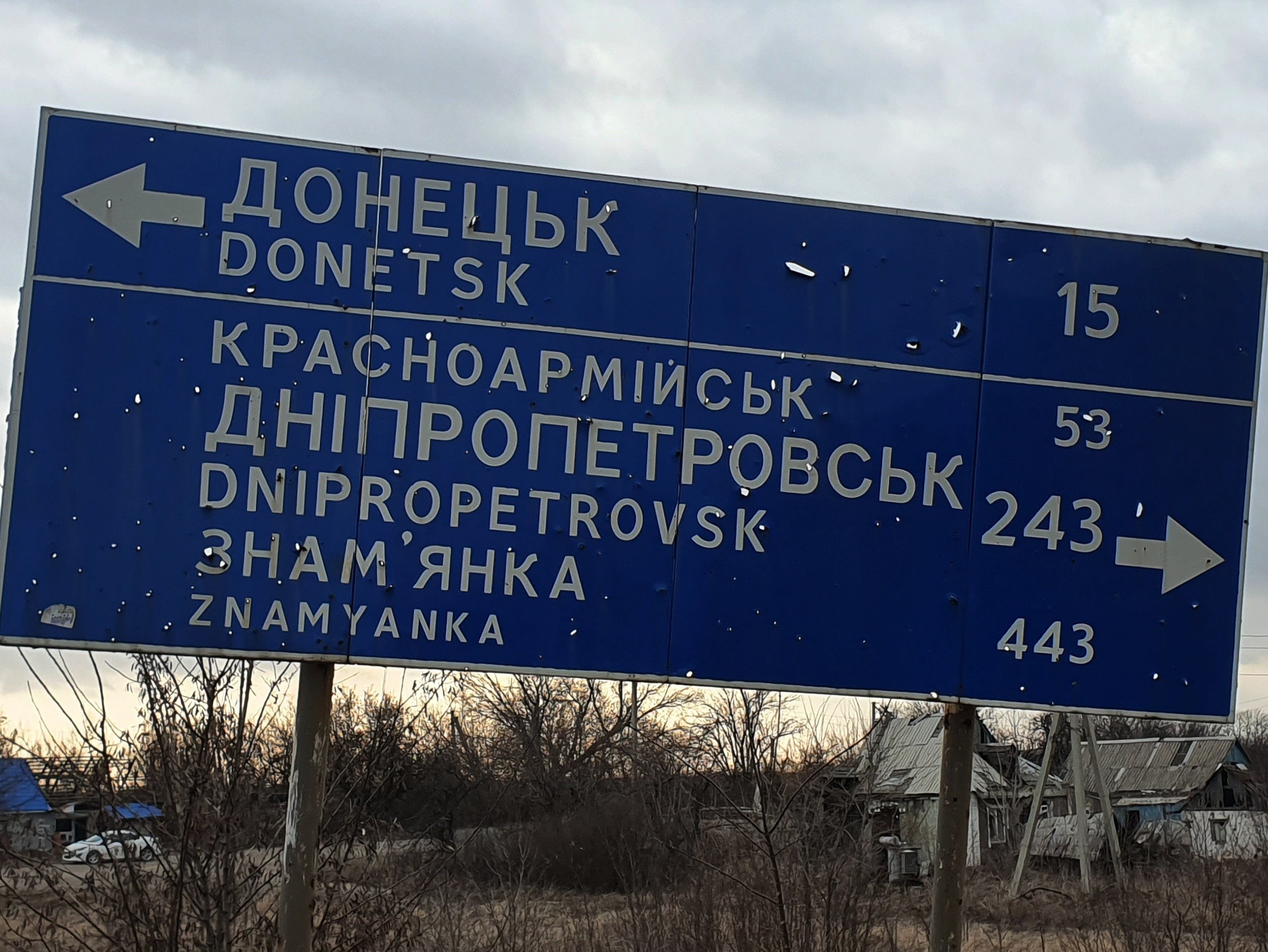
Most trips east in the years that followed, particularly after the full-scale invasion, began in the same way. Leaving Pavlohrad, we often stopped at a fuel station where Olha, a cleaner, always spotted me on the forecourt before I’d even entered. She would run over every time with an apple for my journey, eyes full of worry. We could never fully communicate, but warmth needs no translation. “Donbas?” she always asked, before hugging me tightly.
Driving into the city, an elderly couple waved us down. “We’ve got borshch and potatoes for you,” they said, insisting we eat more than our fair share in their tiny, smoked-out but cosy roadside set-up. Their warmth and kindness stayed with me, even as I pressed our driver and combat medic, Mazha, to continue driving to the front.
Mazha and Ihor from Avdiivka, former medics from the Hospitaller Battalion, quickly became my good friends, taking me up and down the frontline over the years, from Lyman to Ocheretyne. While I've spent much of my time with other units, it was with them that I formed a different bond with Pokrovsk.
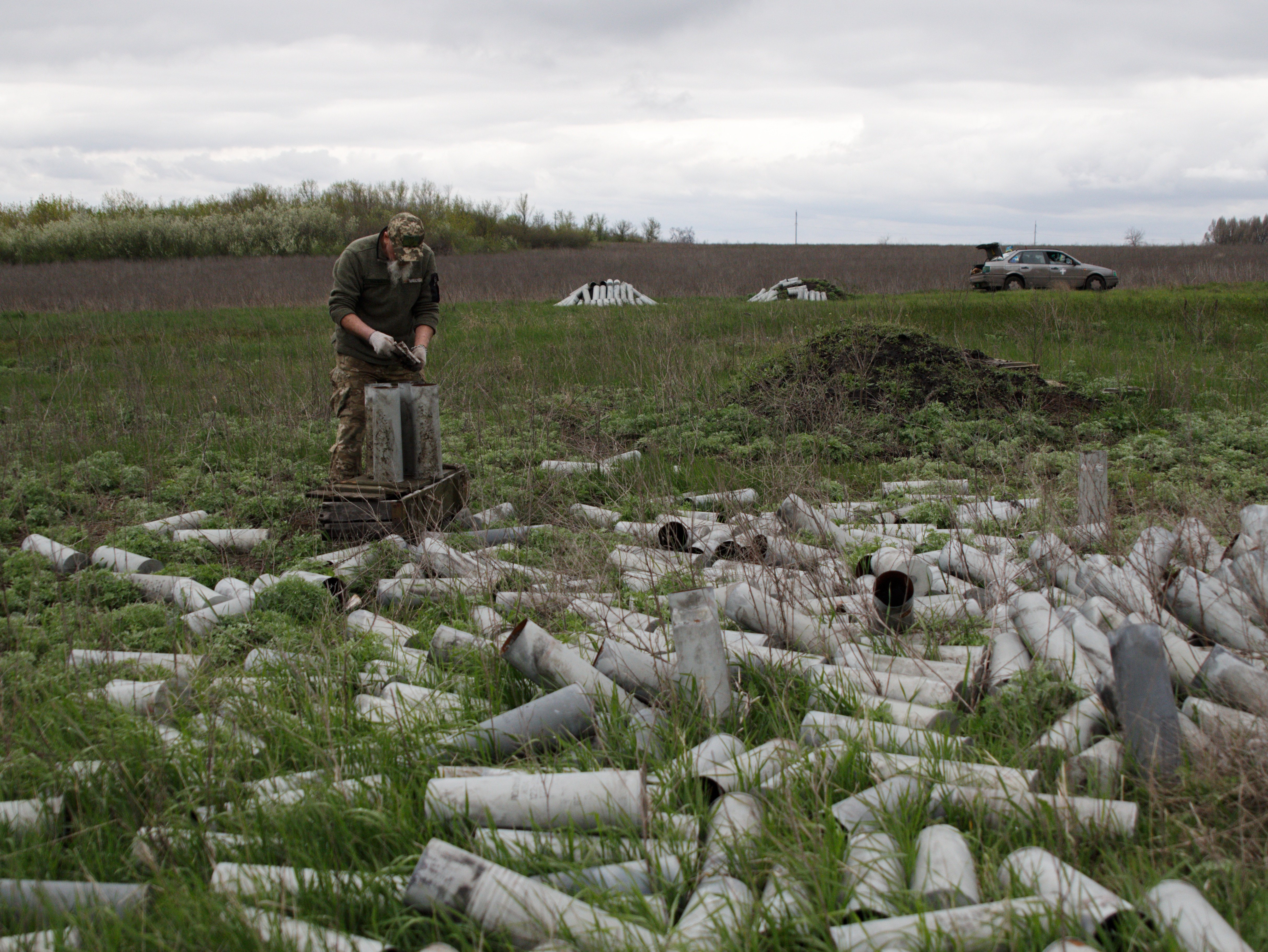
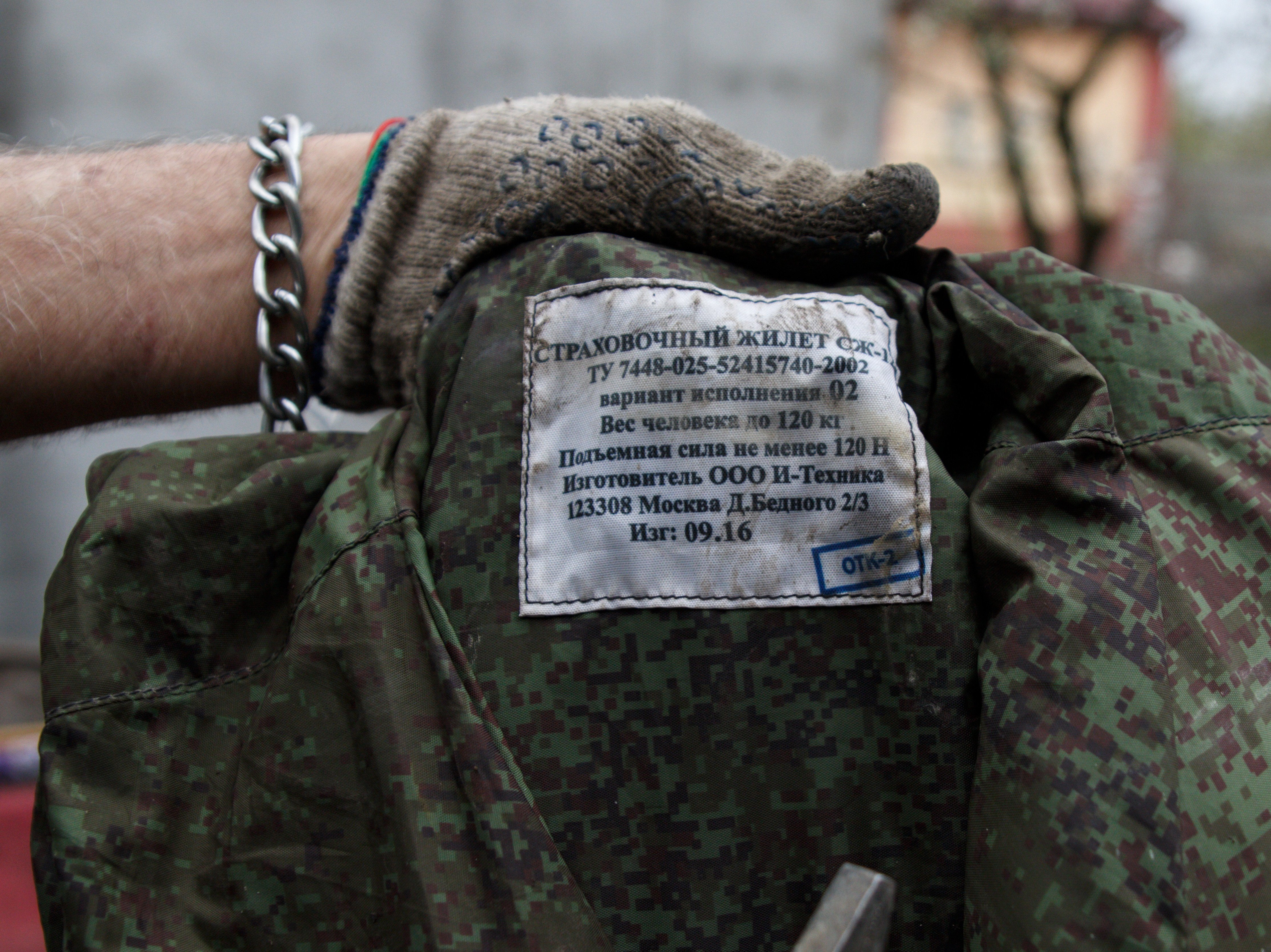
They introduced me to Avdiivka’s former military administrator, Vitalii Barabash, who met us in Pokrovsk centre for coffee, switching cars mid-interview as saboteurs often targeted his vehicles. A stark reminder that we were still in reach of war, despite the city’s calm spirit.
We spent a few weeks on rotation evacuating the wounded just outside the city of Avdiivka with the Hospitallers Battalion. Mazha drove Iryna, a Hospitaller known as “Lucky,” and me into the city, where, at the time, even the military needed permission to enter.
His bulletproof vest hung in the window, one hand on the steering wheel, the other praying. We, the only car in the city, sped along dusty streets, but it wasn't long before Russian forces had spotted us, chasing us with mortars, landing either side, just short of us, the mud absorbing the impact.
“We have our lucky charm with us,” I joked as we finally escaped alive.
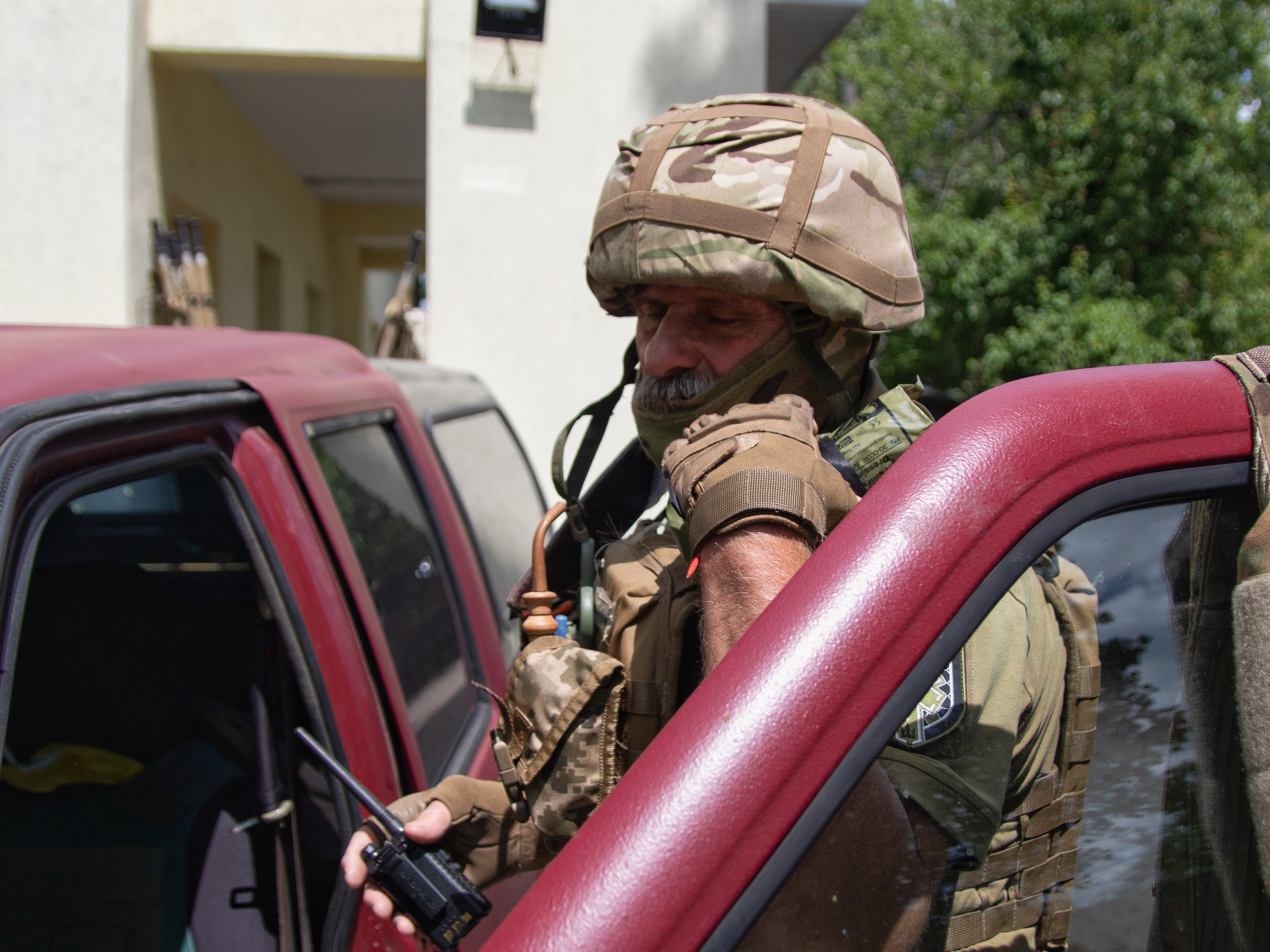
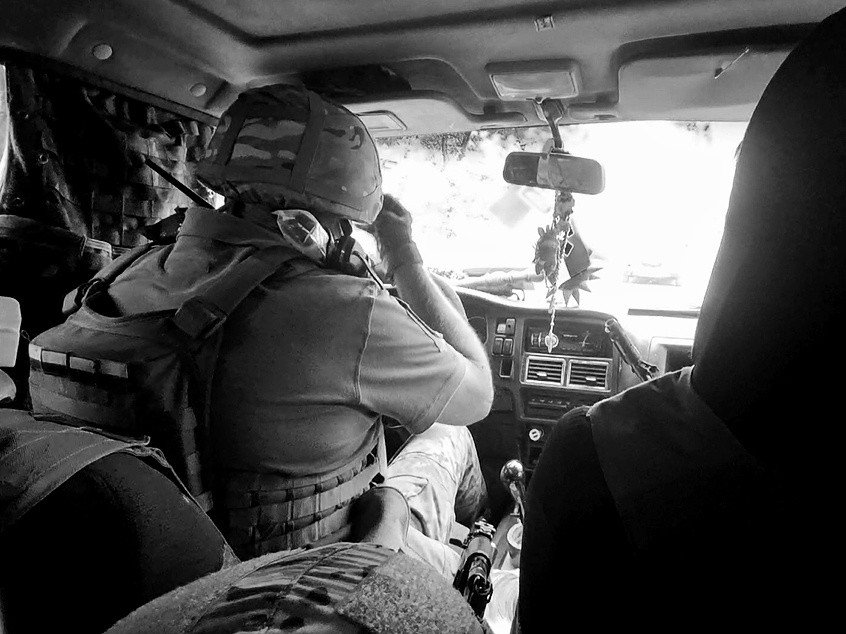
These were the moments I chased—just as the mortars chased us. No matter how urgently I wanted to get to the front, we always stopped in Pokrovsk. “Only a few hours,” I’d plead, desperate to reach what I thought were the most impactful stories—how wrong I was.
Barabash says that the last time he was in Pokrovsk was August of this year, 2025. Russia destroyed the city, now resembling Avdiivka in 2023.
When Avdiivka was occupied, it felt like having an arm or a leg amputated, or losing a loved one. I feel nothing but anger towards our neighbours, a desire to destroy them so that not a single Russian remains on earth.
Vitalii Barabash
Former Military Administrator of Avdiivka
His mother is from Pokrovsk. He has fond memories of visiting his grandparents there as a child, and says how painful it is to see Ukraine’s cities being destroyed. At his own request, Barabash handed over his duties earlier this month, stepping down as military administrator so that he could join the army.
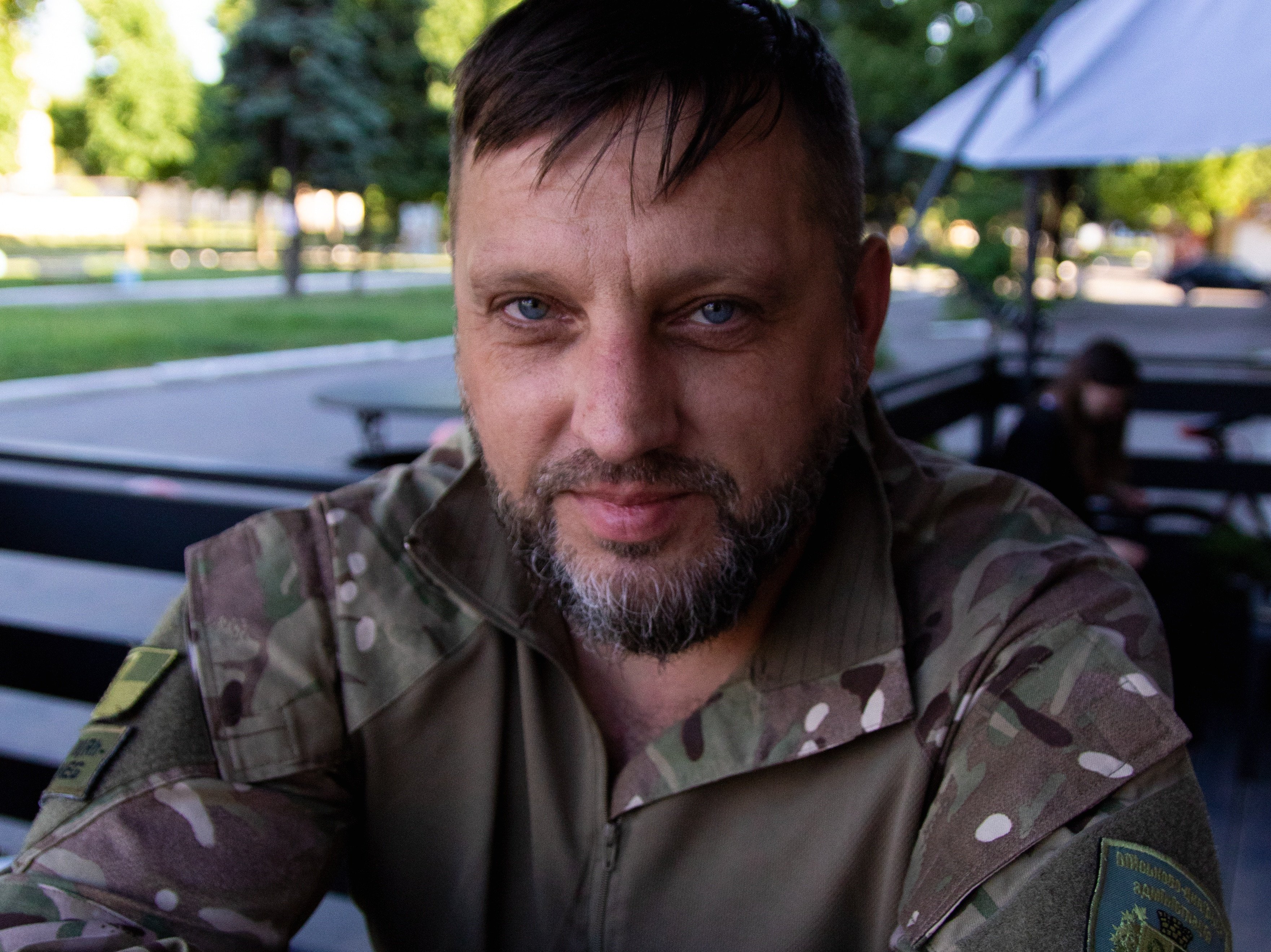
It is a city of miners, so, like most cities in Donbas, it had its own identity. It was a city where you could work and relax. The heart of the city was, of course, the local park. Families with children and all visitors to the city gathered there, and we often drank coffee there too.
Vitalii Barabash
Former Military Administrator of Avdiivka
Sometimes hours turned into days. Mazha introduced us to some of his military friends, taking us back to Yurii—unaware that our paths had crossed before. Taking us to the volunteer base we’d seen a few years before, this time it was scarred with shrapnel holes from a Russian attack, and with each visit, the building bore more marks of war.
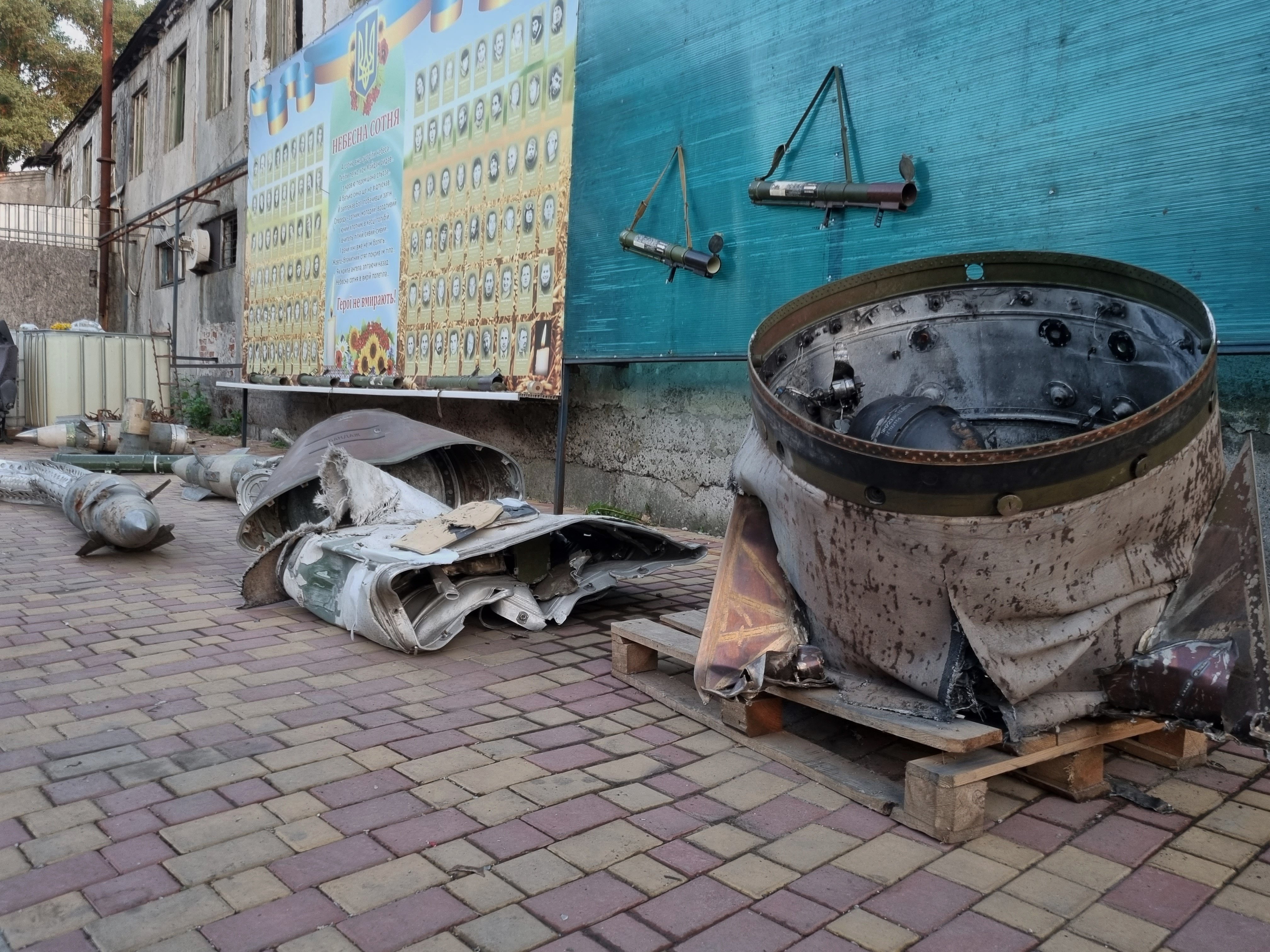
The heartbeat of the city
“Let’s stop for a barbecue with some young guys,” Mazha said. I sighed, frustrated, focused only on the frontlines. Yet these three volunteers—Andriy Chastov and Andriy Puzakov, both heads of the NGO "Pro Youth", and Oleksander Nesterenko, chairman of the Pokrovsk Youth Council—revealed the tireless work sustaining young life amidst war, carrying the heaviest burdens. They were, and still are, the backbone of Pokrovsk's youth work.
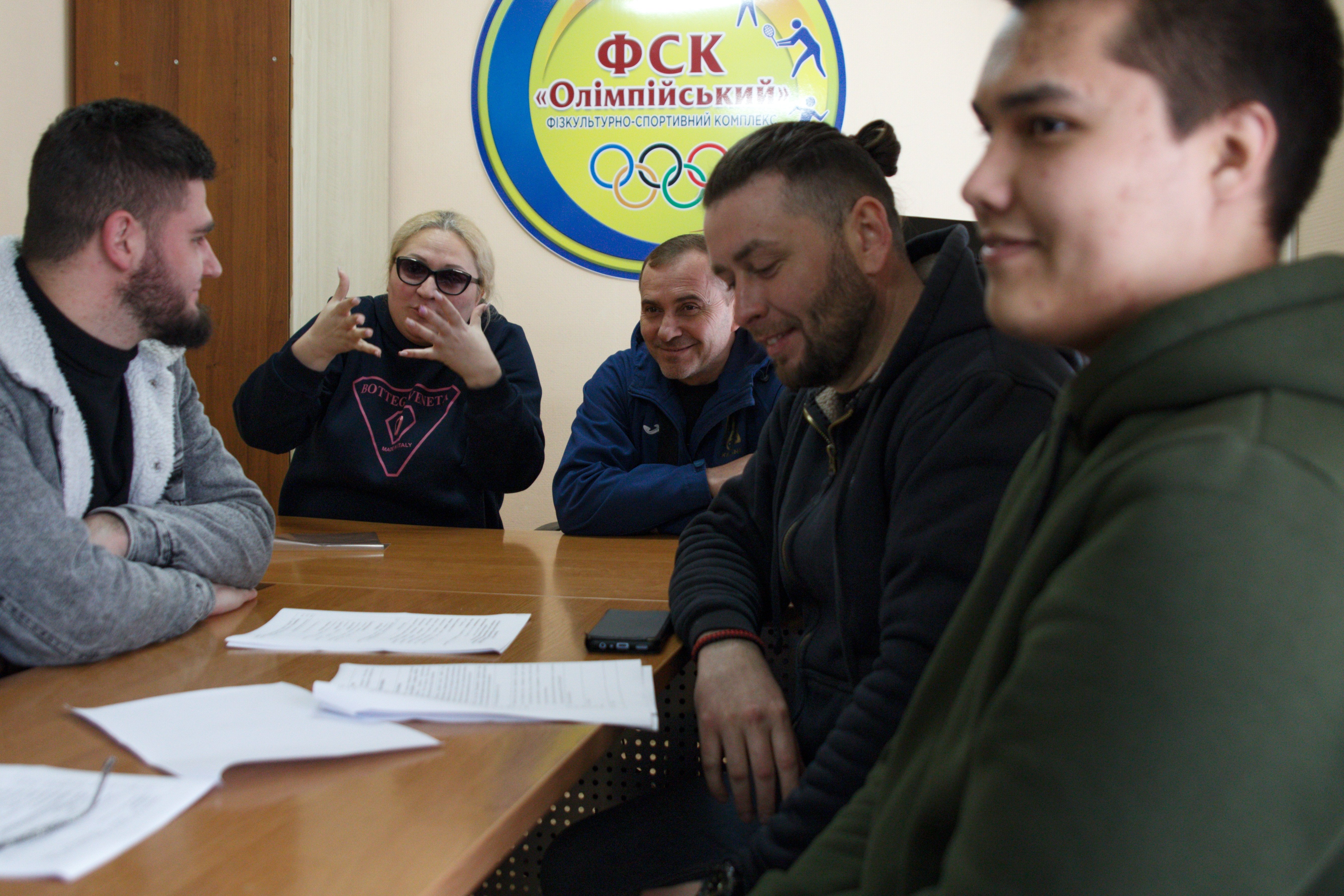
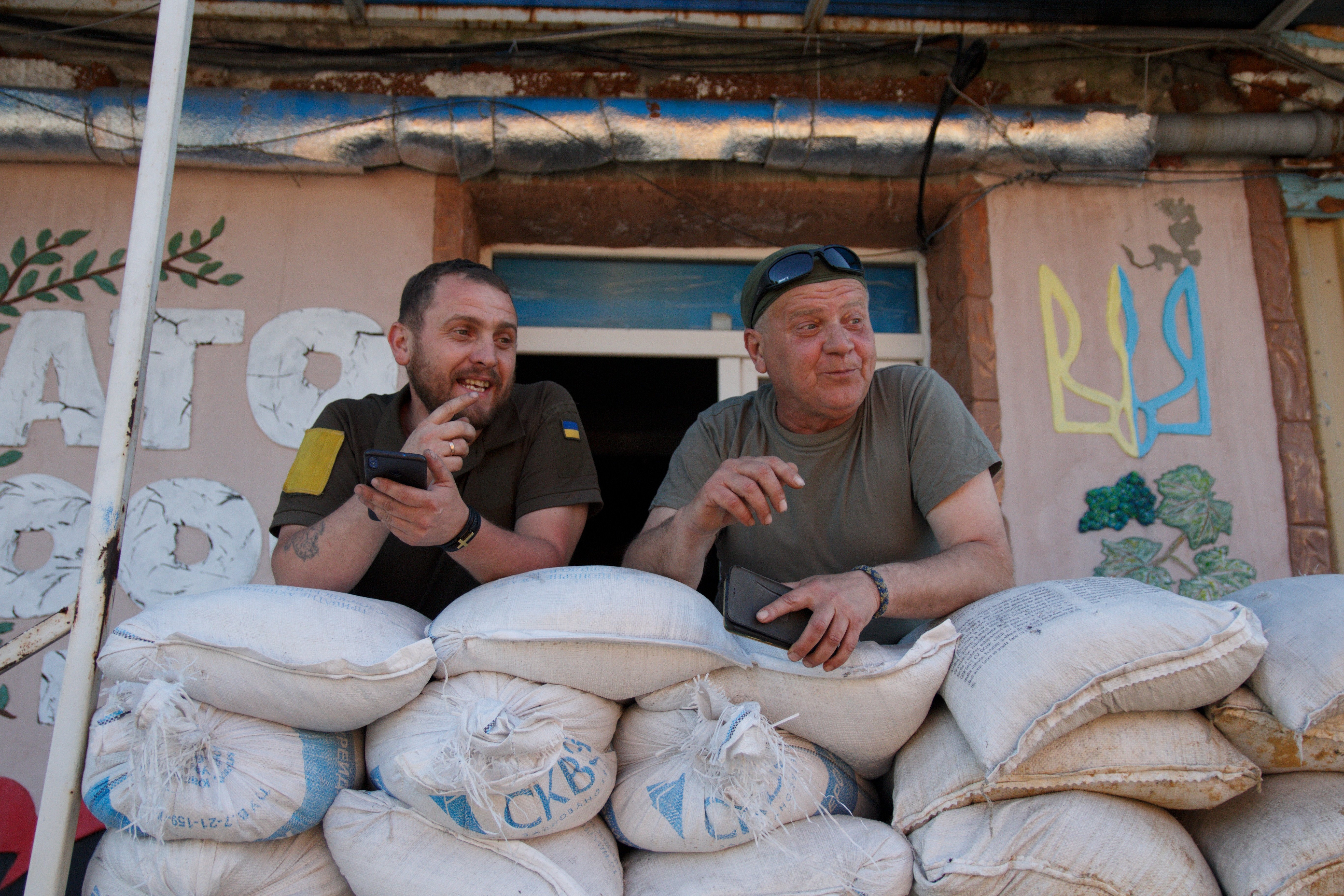
I came to know Pokrovsk’s Aleya Park well, stopping for coffee, chatting with locals. The Bulvar shopping centre had undeniably delicious coffee and cake, local artists displayed their work, and teenagers would hang out and live out their youth. It was beautiful, full of life, yet I was hungry for more. I had once believed only the stories in immediate danger mattered most.
Passing through the city, I grew to know familiar faces, from Brulik, the war puppy, and his owner, Denys, Pokrovsk's Priest, also known as the “Black Chaplain Sniper” on the frontlines where he fought in between sermons. Uncle Kolya—no relation by blood, but one all the same—a retired Ukrainian soldier who served in Afghanistan, opened his home to me, and it became my own.
Yulia, a beautiful social media superstar I'd met while having a long lunch at a checkpoint, we danced and laughed as we pinged the pips from the cherries we were eating. I hadn't planned on spending my time this way, but it's one of my fondest memories.
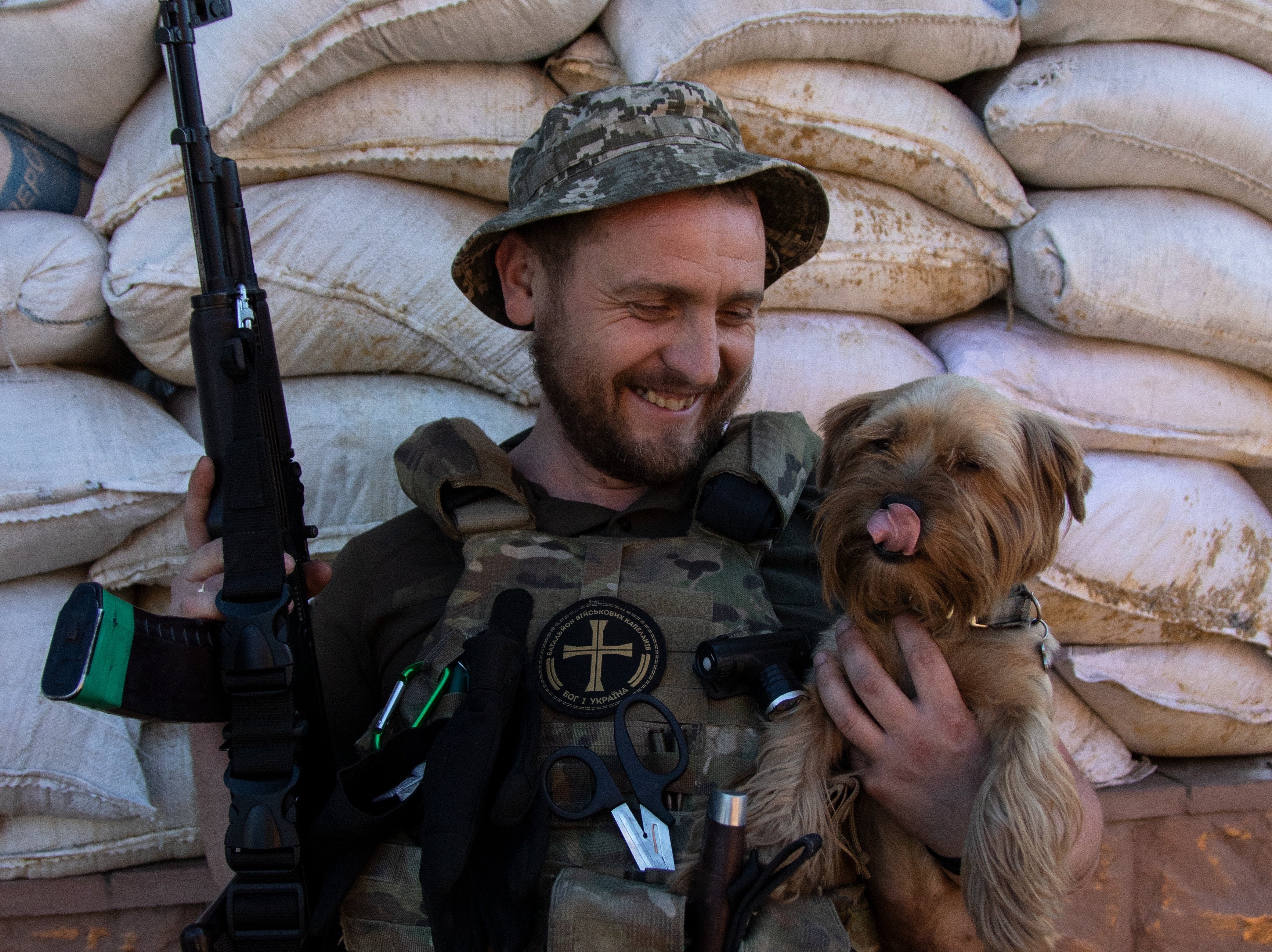
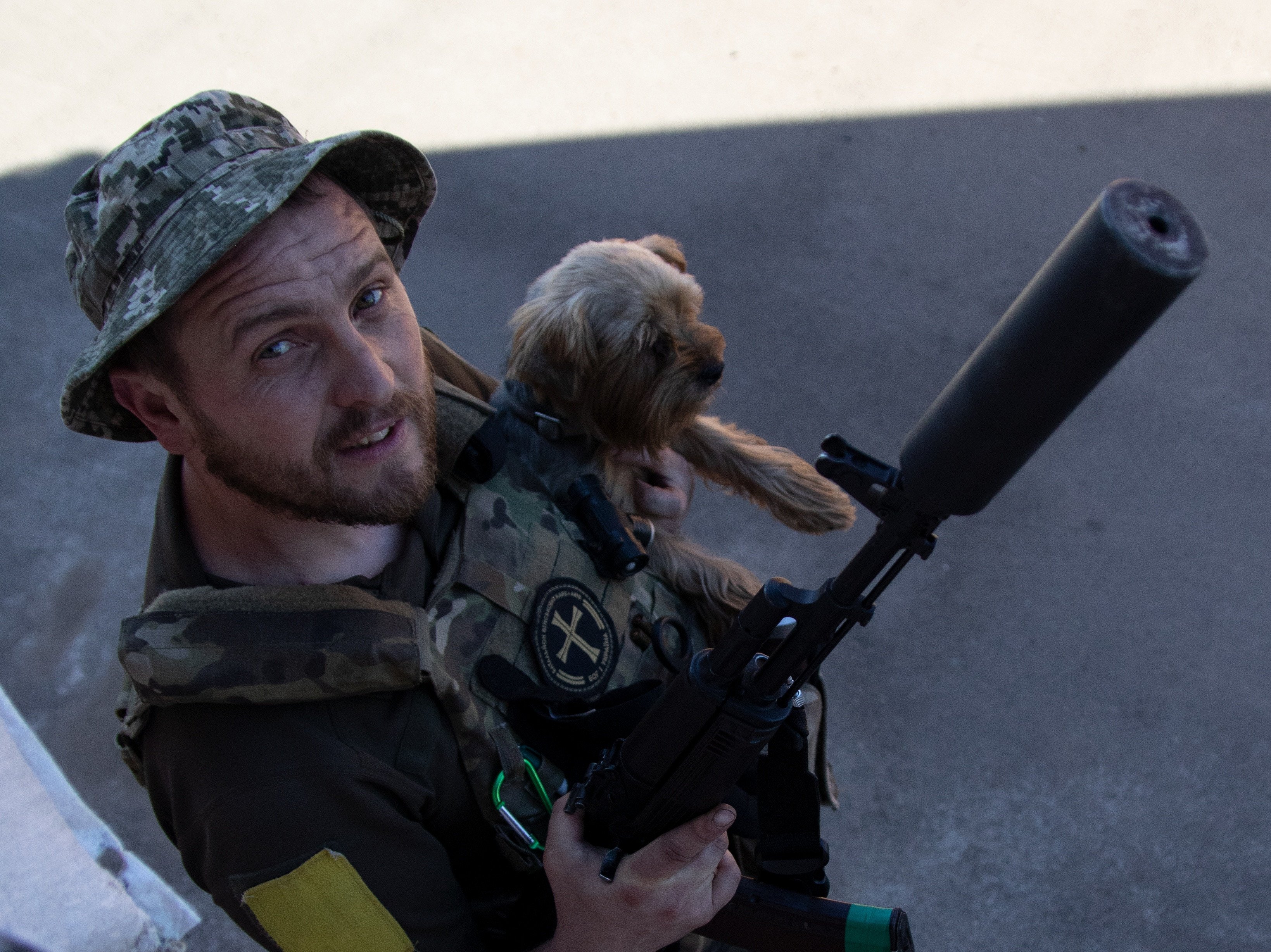
Driving through a military checkpoint on the city's outskirts, I saw a pair of warm and friendly eyes. Before he even pulled off his balaclava to greet me, I knew it was Sasha, a remarkable artist who paints, carves statues, and works tirelessly in the voluntary field. “Coffee?” he asked, swinging the passenger door open where I was sitting for a hug. He is still stationed near the city today, as fighting rages on.
My final coffee outside Bulvar in 2024, and last hug by the buildings that once stood, was with the three volunteers. The chunks of Soledar salt they gave me remain on my shelf—a quiet testament to courage, friendship, and life persisting amidst destruction.
I met many courageous people from Pokrovsk. I wish I had taken the time to truly see them, to hold onto the moments they shared with me before everything changed.
When the buildings shook day and night in 2024, I understood that this was the story I once chased. This time, I cried. This story was never meant to be written here. I never believed it would. It should never be written anywhere, for that matter, and it remains one of the personally difficult stories I have had to tell, despite nearly a decade of reporting on Russian aggression.
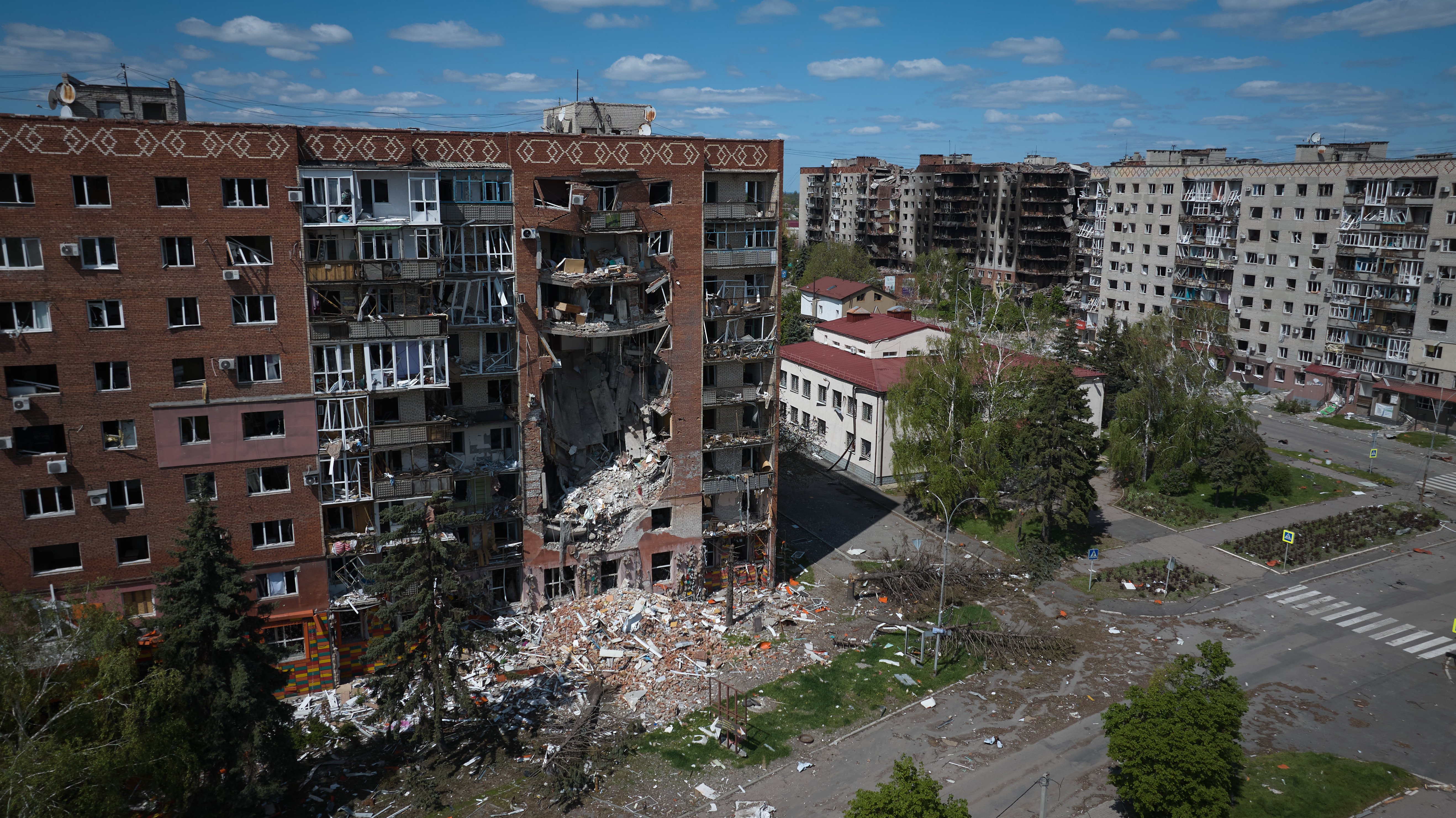
Pokrovsk isn’t just a city. It’s where friendships were forged, where I learned that the stories I was searching for were never only at the front, but in the people who held each other together behind it.
Every city, every street, and every person in Ukraine carries a story, and with each inch of land Russia tries to erase, the strength and spirit of Ukraine only becomes more unbreakable.
Discuss this article:
-4a56a6b482ec132402c16ef6fcabf9a2.png)

-206008aed5f329e86c52788e3e423f23.jpg "Photo of Oleksandr Moiseienko")

-f3430f0449615e9897dff835086ac204.jpg "Ukraine Broke With a Soviet-Era Military System and Rebuilt It Around the Soldier")
-e126c16a85d580738cf2d57e760b80a3.jpeg "Photo of Vladyslav Greziev")