- Category
- Opinion
The Only Cultural Legacy Russia Leaves Behind Is Scorched Earth
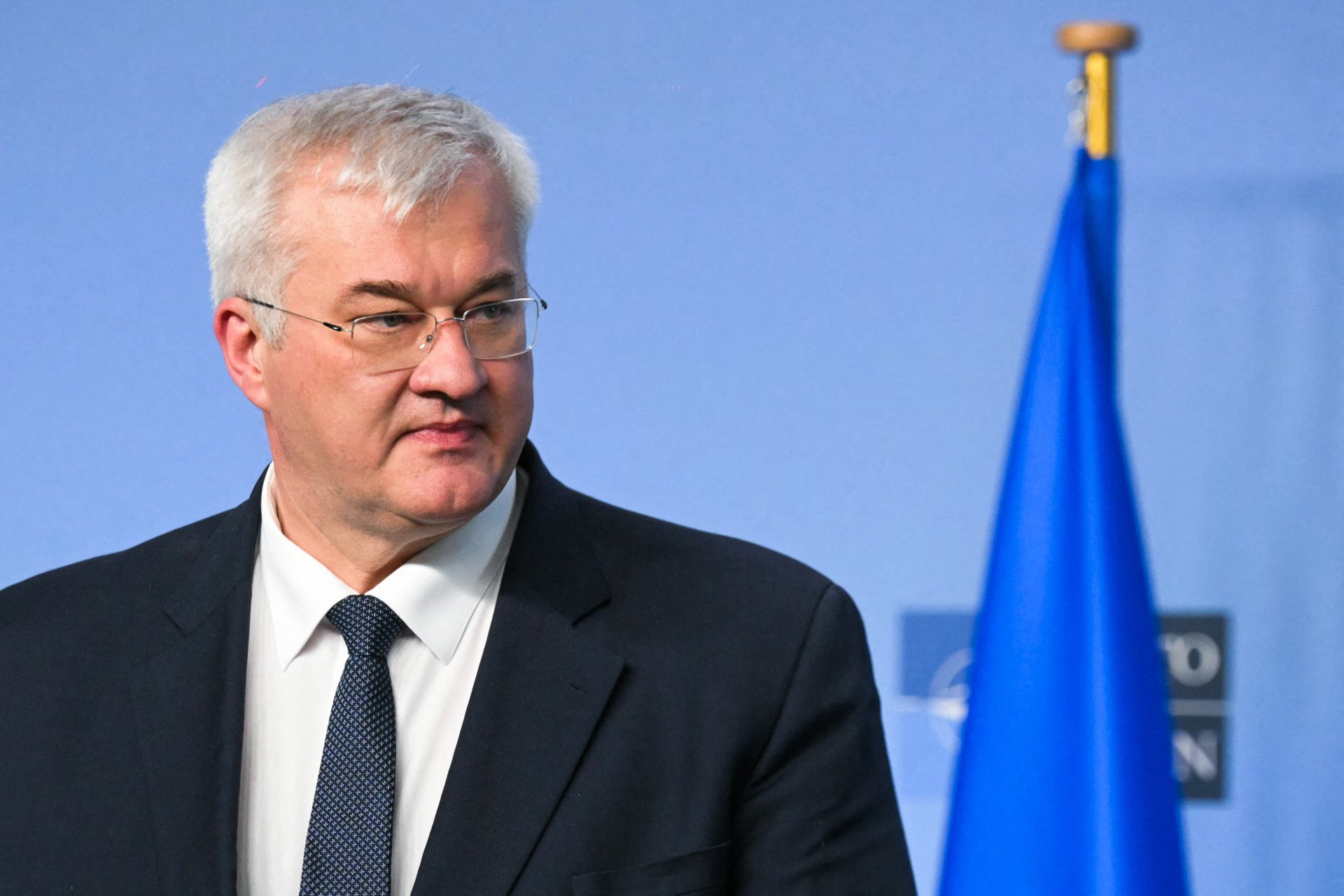
Russia’s bombs may level cities, but they can’t bury Ukraine’s identity. The International Forum of Cultural Diplomacy brought together representatives from government, international organizations, cultural institutions, and civil society worldwide. Ukraine’s Foreign Minister Andrii Sybiha declared that every destroyed museum, theater, and church only fuels a new kind of resistance—one fought with art, memory, and truth. UNITED24 Media publishes the full speech.
 Prefer U24 Media on Google
- Authors

-9ab3b63f905b2166694cb8db0903d1b9.jpg "Andrii Sybiha, Minister of Foreign Affairs of Ukraine")
For Ukraine today, culture is a matter of security. This is because Russia's key objective in its war is the destruction of our culture, our identity, and our very Ukraine. Our cultural diplomacy is part of our diplomacy of strength because culture is our strength—a tool of influence equal to other levers of power.
It is clear that, in many cases, it is our artists who represent Ukraine most effectively and make the world fall in love with it. The world often feels Ukraine not through the formal notes of our embassies but through the poetry of Victoria Amelina.
Ukrainian culture on the world stage
For a long time, the world perceived Ukraine and our culture through the lens of Russian propaganda—as something secondary and provincial—without understanding its true depth. It was the heroic resistance of our defenders that changed this paradigm. Ukrainian culture has captured the world’s interest, and the task of the Ukrainian Institute and our cultural diplomacy as a whole is to institutionalize that interest.
In just the first half of this year, the Ukrainian Institute, together with its network of partners, ensured and supported Ukraine’s participation in over 40 key cultural events. The geographic reach spans four continents—Europe, Asia, Africa, and Latin America. Our literature is present not only at the Frankfurt Book Fair, but also at events in Buenos Aires and Durban. Our films have been showcased in Cannes and Venice, as well as in Copenhagen and Rotterdam. Our music is heard in New York and Trenčín, Slovakia. And we are participating in both the Art and Architecture Biennales in Venice.
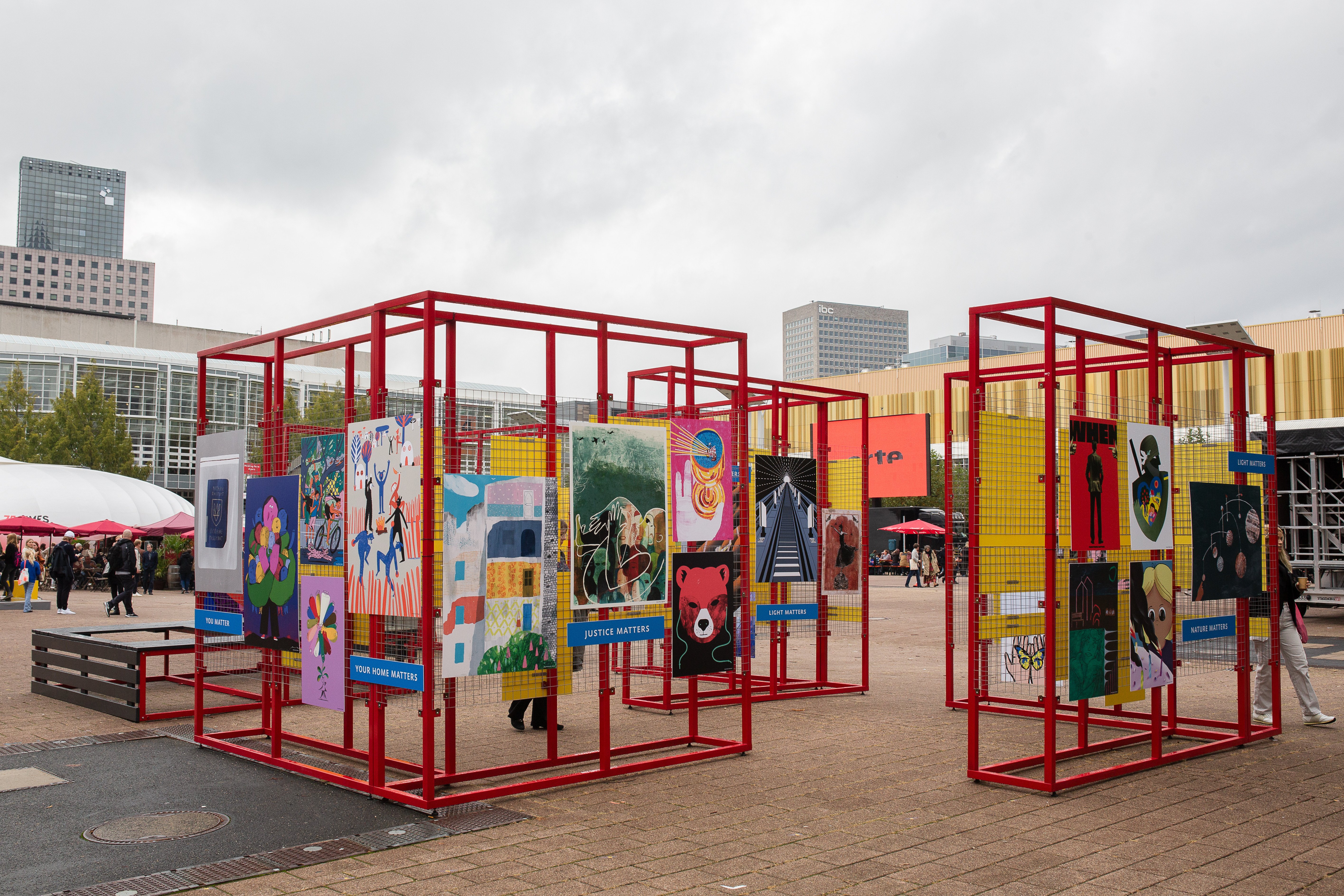
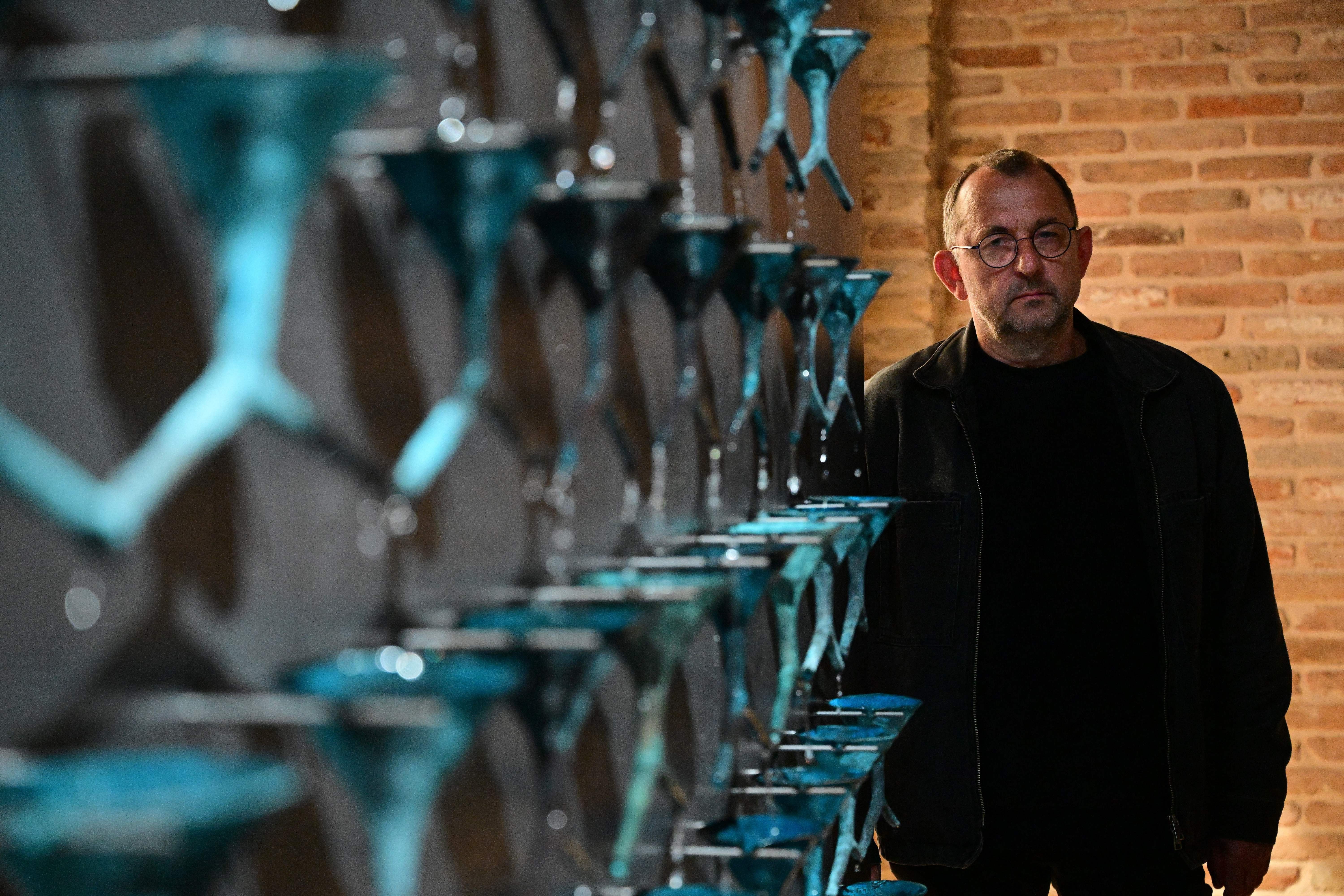
Our cultural offering is interdisciplinary because our approach is systematic. On December 1, the Season of Ukrainian Culture in France will begin—a joint project of the Ukrainian and French Institutes. A record-breaking program is in preparation.
Since April, we have had a representative of the Ukrainian Institute in the Netherlands. I sincerely hope that we will continue to scale the Ukrainian Institute's institutional presence abroad, particularly in regions that align with our security and national interests. Plans are underway to establish offices in Poland, Hungary, Moldova, and the Republic of South Africa.
We are also actively implementing projects of the First Lady. To date, under her patronage, 110 Ukrainian audio guides have been launched in 56 countries. We are building a coalition of Ukrainian studies with leading universities around the world. This is about engaging with academic thought to embed our narratives into global public consciousness.
Countering Russia’s cultural aggression
An important element of our work is countering the return of Russian artists to the global cultural stage—because Russian artists are not the avant-garde of art, but the vanguard of the Russian army.
The path for Russian soldiers’ boots is paved by the pointe shoes of Russian ballerinas.
Minister of Foreign Affairs of Ukraine
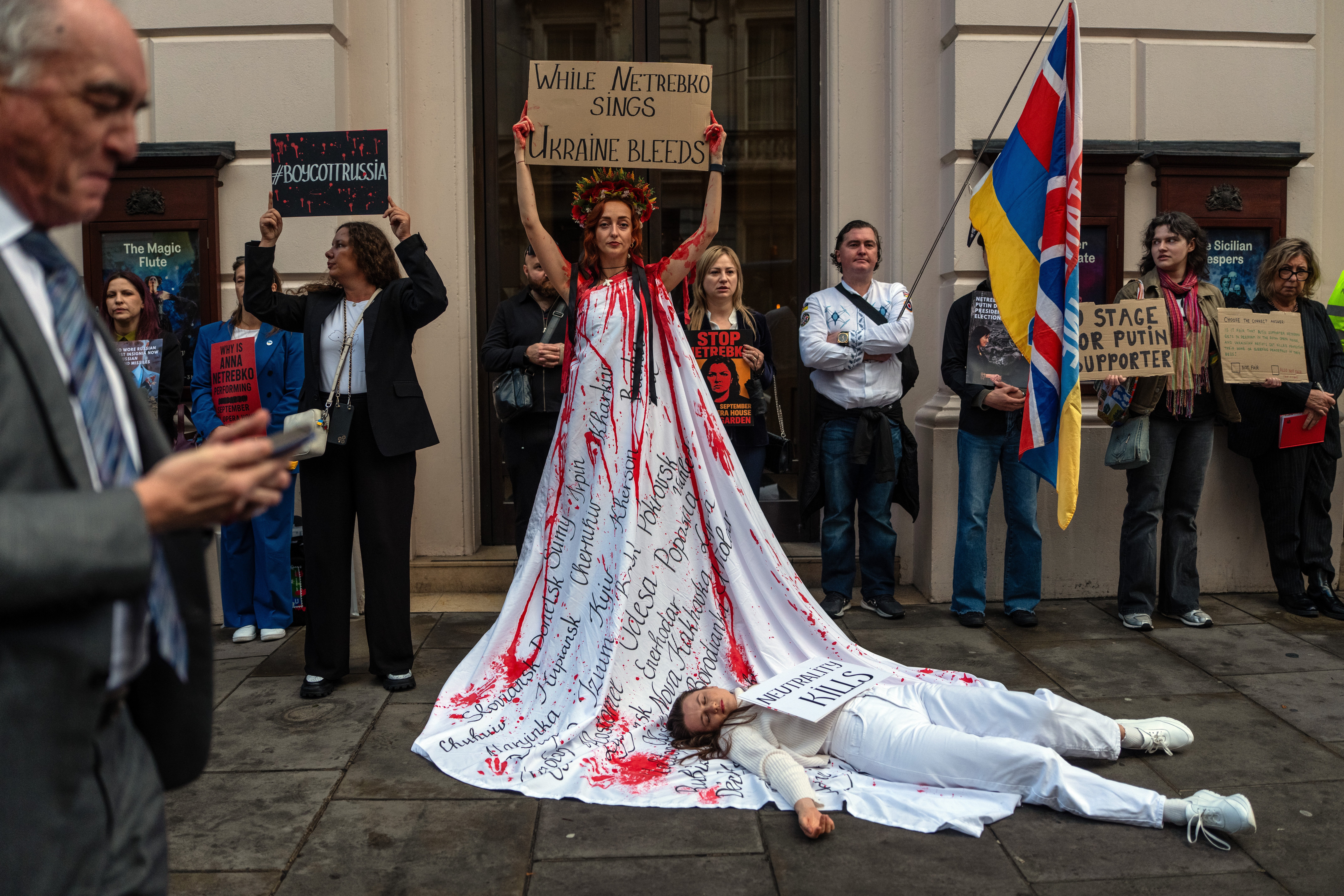
You heard about our success in Romania just last week: thanks to the efforts of our diplomats, Anna Netrebko’s performance was canceled—and this, too, is a matter of security. A person wearing a shirt that says “To Berlin” has no place singing at the Berlin State Opera.
We are also working on the return of cultural property looted by Russia. A key priority is the restoration of cultural sites destroyed by the war. One of our most important current tasks is the upcoming elections to the UNESCO Executive Board. Ukraine is among the candidates, and our election would be a just outcome. Moreover, it is a direct countermeasure to the candidacy of Russia. In its war against Ukraine, Russia has already damaged three out of eight UNESCO World Heritage Sites in our country. Another—Chersonesus—has been under Russian occupation for over eleven years.
More than 1,500 sites of Ukraine’s cultural heritage and nearly 2,400 other cultural objects have been destroyed or damaged by Russia over the years of the full-scale war. The only cultural legacy Russia leaves behind is scorched earth. Barbarians and terrorists should not be entrusted with humanity’s cultural heritage at UNESCO—they must be held accountable for their war crimes before a special tribunal.
Identity and language
A priority area of our cultural diplomacy today is also engagement with the global Ukrainian diaspora. Our strategic goal is to bring our people back home, and Ukraine is creating all the necessary conditions for that. For now, preserving the cultural connection between Ukrainians abroad and their homeland is of critical importance—it is a matter of preserving identity and a matter of national security.
Among our future priorities is a greater focus on the study of the Ukrainian language around the world. It is essential that our children abroad grow up truly as our children—with access to education in their native language, with an understanding of and connection to their roots. It is equally important that European children learn our language. Ukrainian is the future language of an EU member state, and it is critically important that the world hears us—not only in Ukrainian, but also in Crimean Tatar.
On the building of our Ministry, there is a small sculpture of a fledgling—a swallow. It is the sculpture of Shchedryk. This sculpture is dedicated to the centenary of Ukrainian cultural diplomacy.
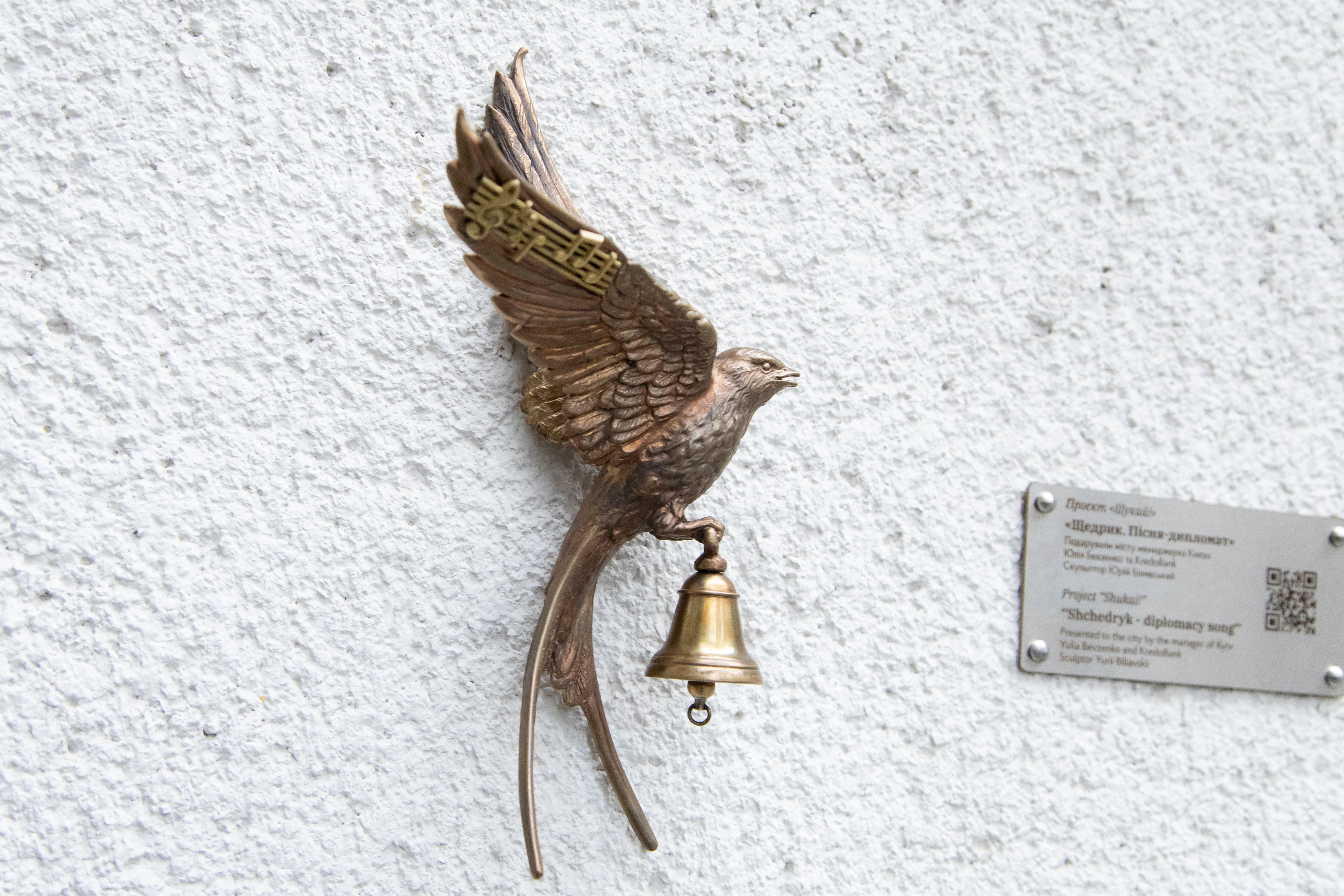
Back then, the Ukrainian Shchedryk flew out into the world, escaped Soviet occupation, and became the global anthem of Christmas. Sadly, its composer, Mykola Leontovych—murdered by Soviet secret police—never lived to see that legacy.
From Shchedryk to Magura
If you enter the Ministry through the doors just a few meters from the little Shchedryk, the first thing you’ll see is the large Magura. This is the ceremonial hall where we host a permanent exhibition of Ukrainian weaponry for our guests. It is through this hall that we welcome high-level delegations—and in doing so, we not only invite them to invest, but we also send a clear message.
We will never again allow our cultural renaissance to be shot down.
Minister of Foreign Affairs of Ukraine
The coming year will be a landmark one for Ukrainian culture. The President has made this direction a priority. The Foreign Affairs Ministry will continue to stand behind our artists—because this is a matter of national security. Our culture is competitive. We are capable of offering an alternative in every domain. We create unique content. We have something to say.
Russia did not kill Ukrainian culture—it made it stronger. Our culture's renaissance is an essential part of our victory. I truly believe in this cultural renaissance—in the very near future.
Discuss this article:


-206008aed5f329e86c52788e3e423f23.jpg "Photo of Oleksandr Moiseienko")

-f3430f0449615e9897dff835086ac204.jpg "Ukraine Broke With a Soviet-Era Military System and Rebuilt It Around the Soldier")
-e126c16a85d580738cf2d57e760b80a3.jpeg "Photo of Vladyslav Greziev")