- Category
- Opinion
Ukraine and Poland: Searching for Mutual Understanding of the Past to Defend Our Common Future
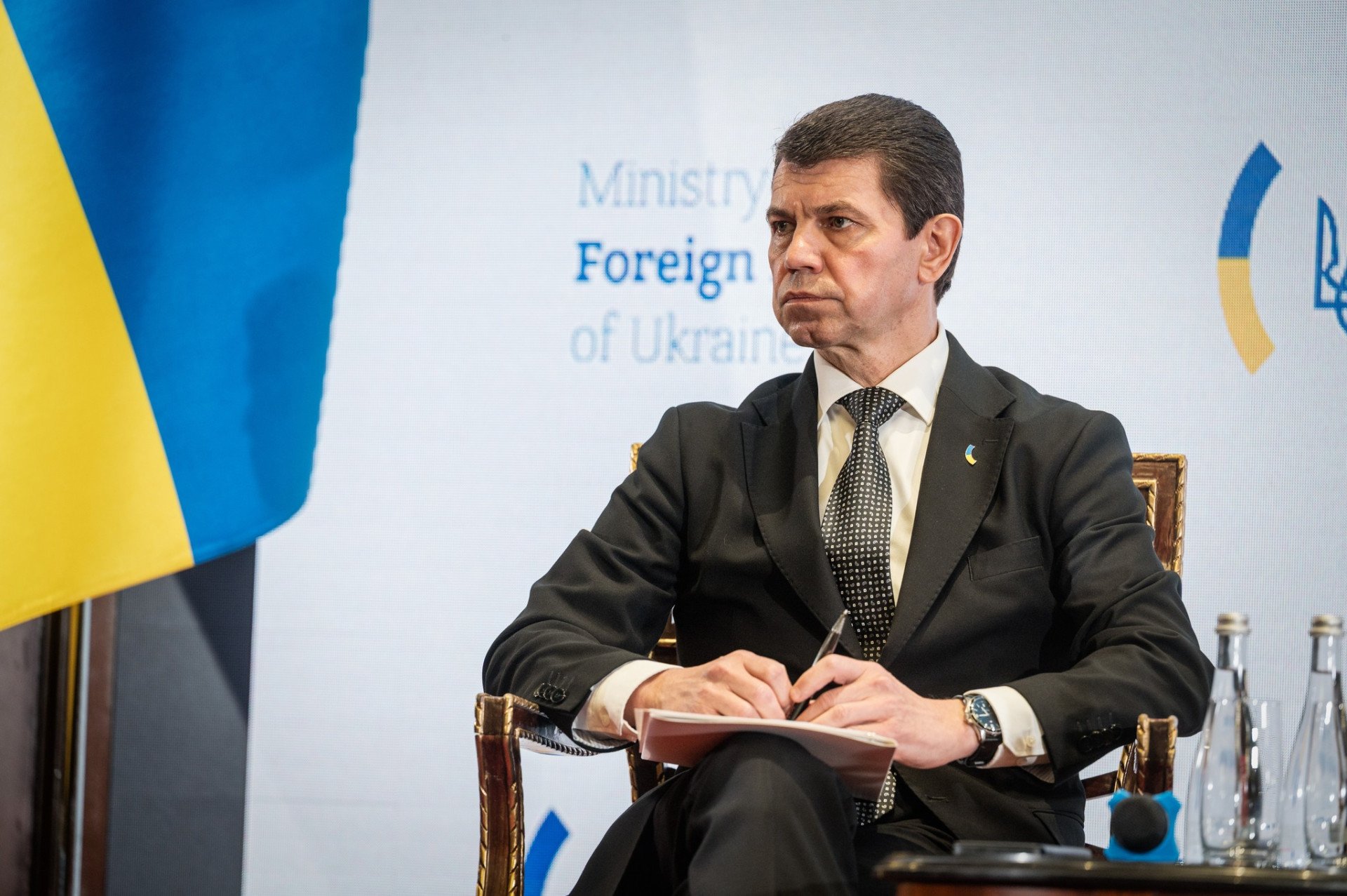
The recent rise of anti-Ukrainian sentiments in neighboring Poland, actively fueled by certain Polish political forces and figures through unilateral and not always objective interpretations of the tragic events in Volhynia during the Second World War, causes serious concern in Ukraine.
 Prefer U24 Media on Google
- Authors

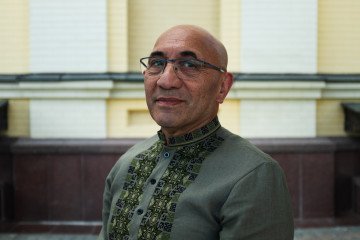
-513c1f8b315838ff7376dfb1dbbbff4a.jpg "Photo of Olexandr Mischenko")
On the initiative of the Minister for Foreign Affairs of Ukraine, Andrii Sybiha, three rounds of nationwide roundtables of Ukrainian historians and experts on Polish-Ukrainian relations have been held in 2025. On June 20th at Ukraine’s Foreign Ministry in Kyiv, on July 9th at Vasyl Stefanyk Carpathian National University in Ivano-Frankivsk, and on August 14th at Lesya Ukrainka Volyn National University in Lutsk.
As a result of the above-mentioned roundtables, I would like to stress several points.
Ukraine expresses gratitude to the leadership of Poland and the Polish people for their principled stance and unwavering support for Ukraine in our struggle against Russian aggression. Poland has provided and continues to provide Ukraine with comprehensive assistance in the military-technical, political, and humanitarian spheres, significantly strengthening the Armed Forces of Ukraine and the country as a whole in resisting our common enemy—the terrorist state of Russia.
Ukraine and Poland are bound by a thousand-year history that has seen both great joint triumphs and shared tragedies. Even a preliminary analysis of history confirms that Ukraine and Poland have always had a common steady enemy—Russia, in its various forms: the Russian Empire, the Soviet Union, and today’s Putin-led Russian Federation. Russia has always sought to destroy Ukraine and Poland as independent states and to annihilate the Ukrainian and Polish peoples.
Among the most heroic episodes of the Ukrainian-Polish cooperation in modern history is, without doubt, the victorious campaign of the united Polish Army and the Army of the Ukrainian People’s Republic, which liberated Kyiv in May 1920 from Bolshevik occupiers. In the summer of 1920, Ukrainian soldiers led by Generals Mykhailo Bezruchko and Pavlo Shandruk fought alongside the Second Polish Republic in its struggle against Bolshevik Russia, allowing Poland to maintain its independence.
At the same time, we also have the dark pages of Ukrainian-Polish relations, known as the “Volhynia Tragedy.” Analyzing publications in Poland on the topic of Polish-Ukrainian conflict during the Second World War, we can confidently state that the majority of them are political rather than historical in nature. Although their authors often claim that their works are based on archival materials; in essence, they remain politicized. Frequently, the events are presented selectively: the Volhynia Tragedy is defined without proper legal justification as a “genocide” of the Polish people committed by Ukrainian nationalists, while the broader context of those tragic events is ignored.
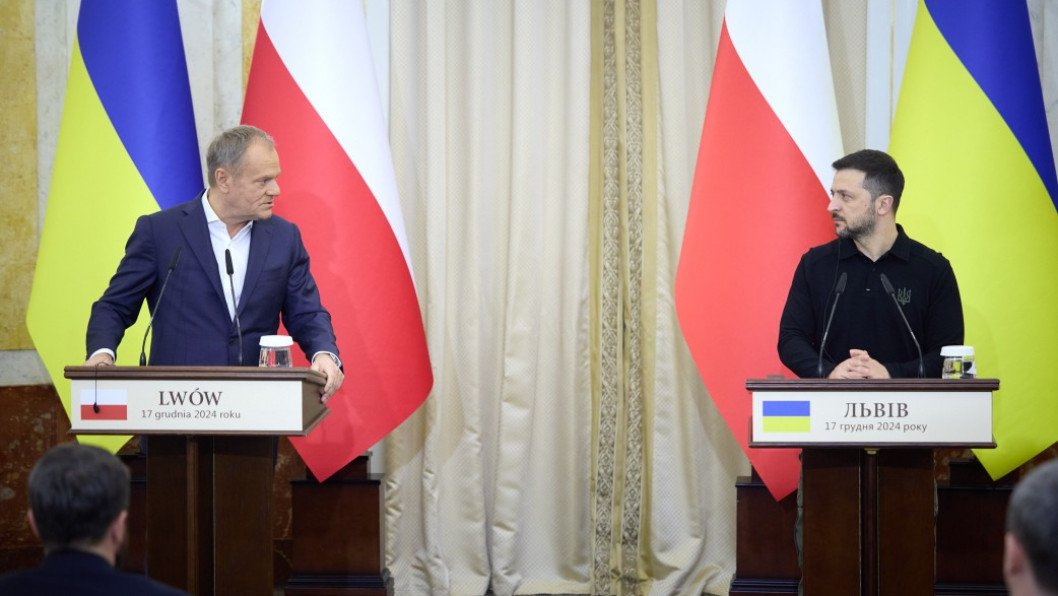
After the long-lasting discussions within the roundtables, I asked myself one key question, a scientific answer to which could bring us closer to mutual understanding.
In 1920, Ukrainians and Poles fought together against the Russian occupier, giving their lives for the independence of each other’s states. Brave Polish soldiers died in battles for Kyiv, defending Ukrainian statehood, while Ukrainians gave their lives to safeguard the independence of the Second Polish Republic in battles against the Bolsheviks near the Vistula. How is it possible that after such exemplary brotherhood and mutual sacrifice in 1920, our two closely related nations turned to horrific killings of one another between 1942 and 1947? What happened in those two decades that led to such extreme hatred between our peoples?
During the roundtables, Ukrainian historians acknowledged the existence of truly criminal killings of peaceful Polish civilians by Ukrainian nationalists, which, regrettably, did occur. However, numerous academic studies by Ukrainian historians clearly demonstrate that crimes were committed by both sides. Thus, when reading Polish accounts of the tragedy in Pavlivka (today’s Volyn region) or Huta Peniatska, Paroslia, Lypnyky, Yanova Dolyna, and other places where Ukrainian nationalists killed Polish civilians, one must also acknowledge the mirror reality of killings of Ukrainians—including children, women, and the elderly—by Polish partisan formations in villages predominantly inhabited by Ukrainians: Sahrin, Pavlokoma, Krasnyi Sad, Bereziv, Khmeliv, Yanova Dolyna, and Malyn. To this, one must also add the concentration camp for Ukrainians in Jaworzno and many other sites of mass killings of Ukrainians.
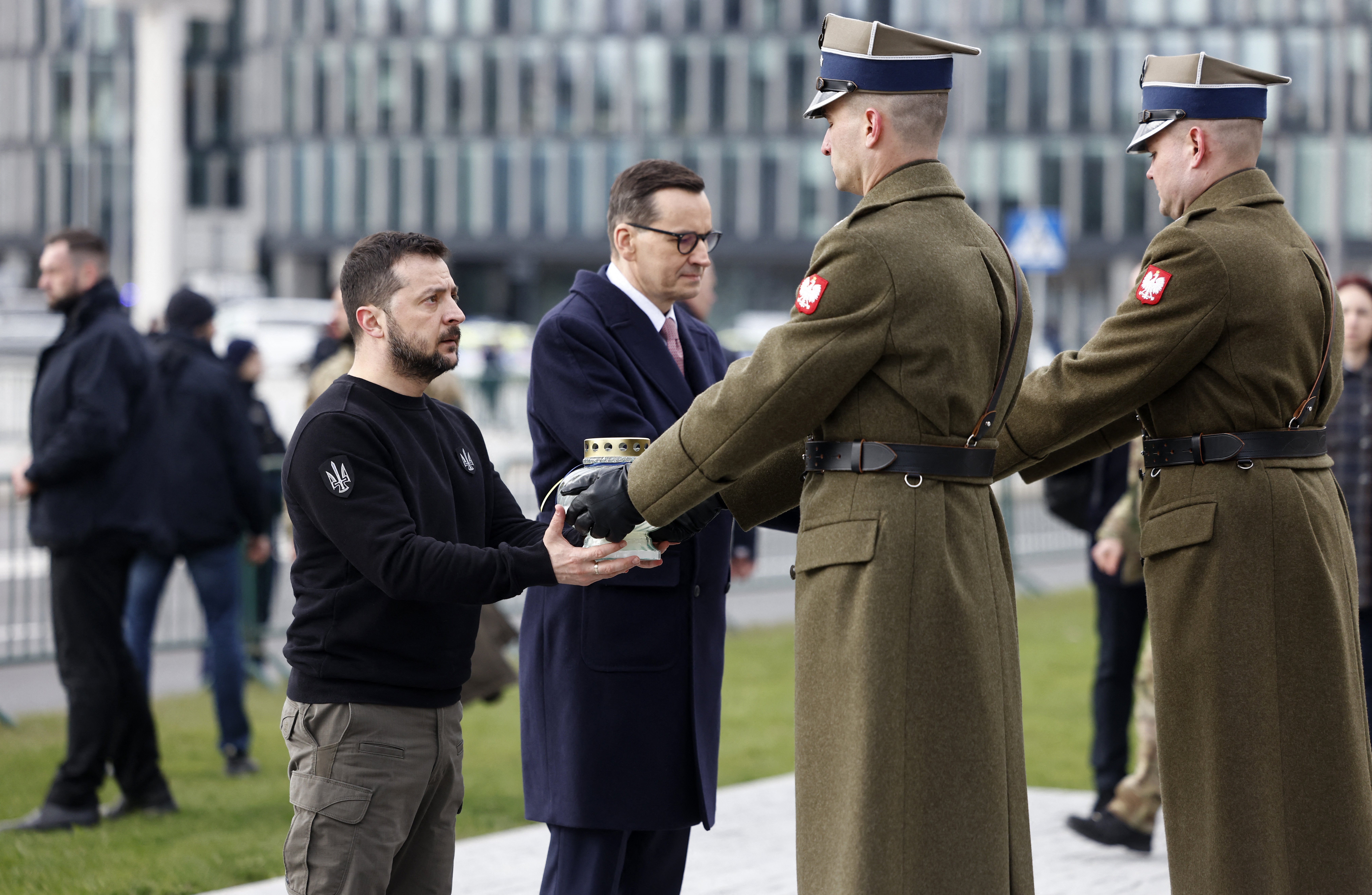
This shows that after the shared heroic struggle of Ukrainians and Poles against the Russian aggressor in 1920, events must have taken place that profoundly changed the nature of relations between our peoples. This is what compels us to a joint, scientific, and objective study of those tragic events.
Guided by this, in the Joint Statement following the third roundtable in Lutsk, Ukrainian historians called on their Polish colleagues to return to constructive discussions of Polish-Ukrainian relations during the Second World War in the format of joint historian forums. Through joint efforts, experts would not only document the facts of crimes committed by both Ukrainians and Poles but also objectively determine the causes that bred such hostility.
However, as we observe in the Polish narrative surrounding the Volhynia Tragedy, there is often a tendency to count and compare the number of victims, reducing the tragedy to a competition of numbers. Those who engage in such discourse forget that the death of even one innocent person is already a tragedy for an entire people.
Some Polish politicians go even further, calling for a ban on the symbols and flags of the UPA and equating them with Nazi symbols. This raises a natural question for Ukrainian historians: under which flags and symbols did the Home Army, Peasant Battalions, and other Polish armed formations commit massacres of peaceful Ukrainians? Following the same logic, should Ukraine then ban all Polish symbols, including the flags of the Home Army? Where would that lead us, and most importantly, in whose interest would such a confrontation be?
Within professional historical discussions, almost all participants of our roundtables noted that recently there has been virtually no discussion in Poland about the genocide actually committed by Russia against the Polish state and nation, beginning with the criminal partitions of Poland that deprived it of statehood and led to mass extermination of Poles over the past 250 years.
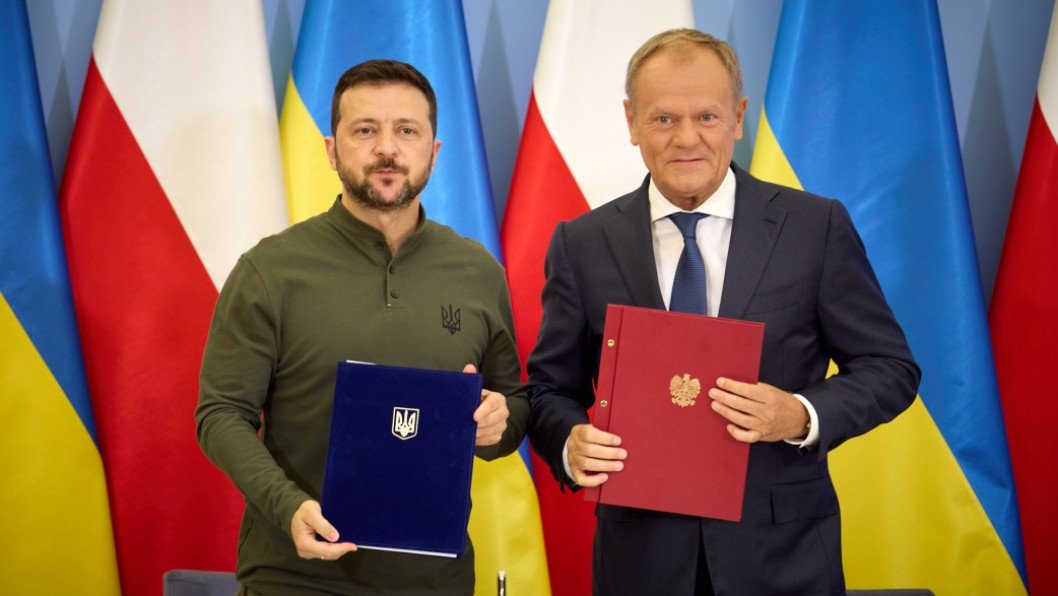
We also do not see broad debates among Polish politicians and historians on other topics: the Hitler-Stalin pact of 1939 on the destruction of Poland and everything Polish; the targeted policy of Soviet Russia to annihilate the Polish elite—officers, intellectuals, and cultural figures—in Katyn, Mednoye, Starobilsk, Bykivnia, and Kozelsk; or the air crash in Smolensk, which remains an open wound for contemporary Poland. Have all these Russian crimes already been fully investigated so that nowadays Volhynia is the only main issue for Poland?
Or is the real issue that someone in Poland is deliberately shaping and directing public opinion exclusively against Ukraine to weaken us at a time when the Armed Forces of Ukraine and the Ukrainian people has been resisting Russia’s bloody war of aggression for three and a half years? The provocations at concerts by Russian-speaking performers in Warsaw are additional evidence of the Russian factor in this entire political-historical game. For those Polish politicians who are now playing—willingly or unwillingly—into Putin’s hands, we must remind them that the defeat of Ukraine would automatically lead to Russia’s attack on Poland. Without a doubt, no conscious Polish politician or military officer doubts the Kremlin’s intentions.
⚡️ Polish President Andrzej Duda criticized Deputy PM Władysław Kosiniak-Kamysz for suggesting Ukraine can’t join the EU without resolving the Volhynia tragedy.
— UNITED24 Media (@United24media) September 24, 2024
Duda warned that blocking Ukraine’s EU path aligns with Putin’s agenda to stop its Euro-Atlantic integration. pic.twitter.com/85MMilqSwA
This week’s brutal Russian strikes on Kyiv and other peaceful Ukrainian cities once again confirmed Putin’s determination to continue this bloody war in pursuit of his unchanged imperial ambitions.
Therefore, instead of reopening old wounds of our shared tragic history, it is surely more strategic for our nations to act together—as we did in 1920—in pursuit of a common victory over our common enemy, Russia. As for the Volhynia Tragedy, we must jointly search for all the victims and honor them with dignity.
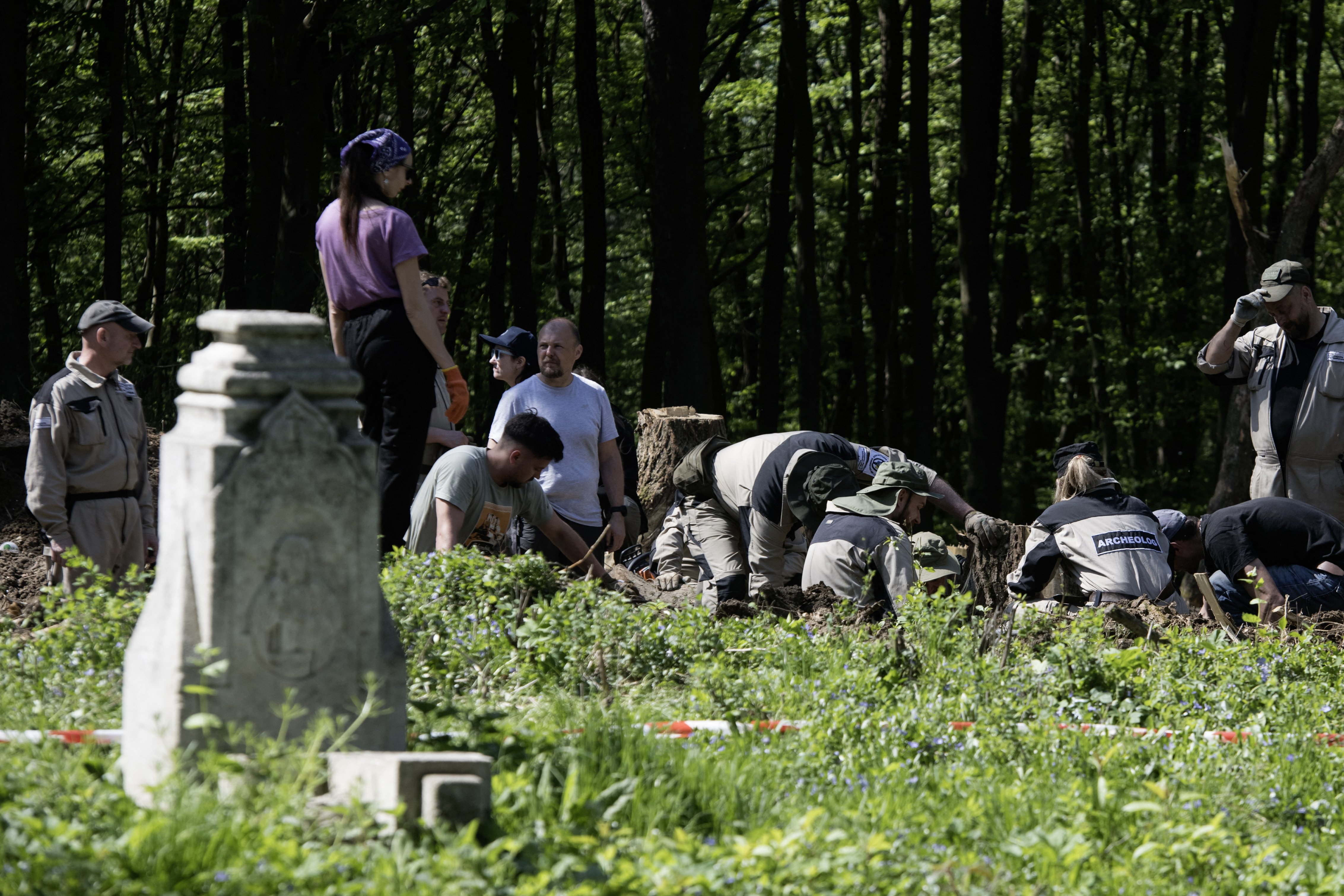
This is precisely the approach of the Ukrainian side, which has been cooperating with Polish colleagues within the Joint Working Group on Historical Issues under the aegis of the ministries of culture of both countries. This cooperation has already produced positive results, including search and exhumation works in Puzhnyky, Ternopil region, and in Lviv on the territory of the former cemetery in the Zboishcha district.
Taking all of the above into account, the Ministry of Foreign Affairs, the Ministry of Culture and Strategic Communications, the Ukrainian Institute of National Memory, and the entire Ukrainian historical community call upon our Polish allies, partners, and brothers to seek understanding by depoliticizing all discussions on the Volhynia Tragedy and by moving them into the realm of historical discourse, conferences, and roundtables.
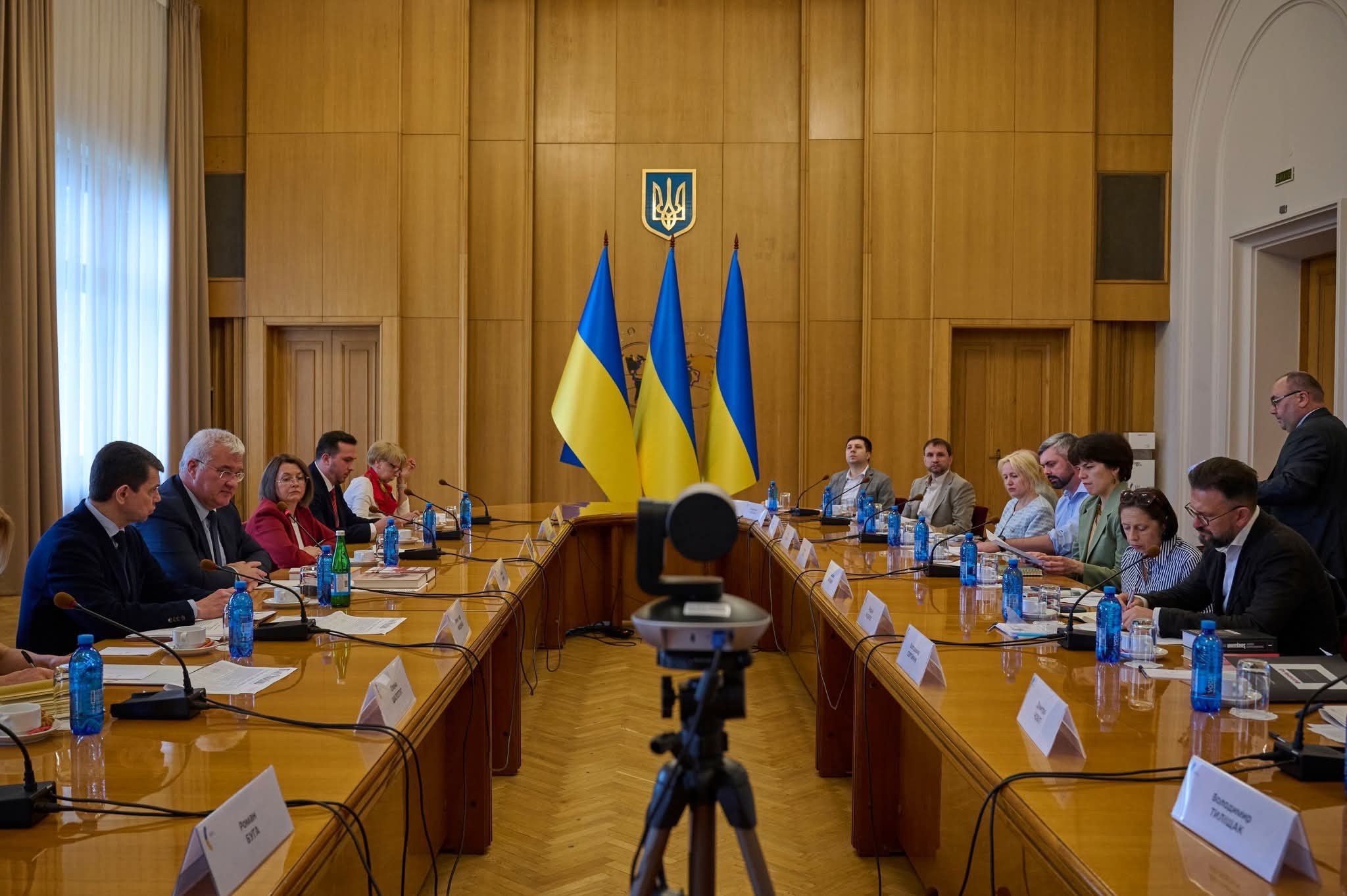
For this purpose, we consider it necessary to resume the activities of the Forum of Historians and the Partnership Forum and to convene the first renewed Forum of Historians as soon as possible, in Ukraine or in Poland, followed by informing the public about the results of the discussions and jointly honoring all victims of the tragic times of our shared history.
The Embassy of Ukraine in the Republic of Poland has already twice officially notified the Ministry of Foreign Affairs of Poland of the Ukrainian side’s readiness to resume the Forum of Historians. We hope that our appeal will be heard by our Polish colleagues and that we will restore constructive cooperation to prevent the Russian enemy from realizing its imperial goals amid artificially created disputes between our countries.
Honoring the victims of the Volhynia Tragedy from both sides, as well as those of other tragic episodes of Polish-Ukrainian conflict, serves the interests of both our states. Together, as 105 years ago, Ukrainians and Poles—in unity with all our international allies—will defeat the Russian enemy.
Discuss this article:

-206008aed5f329e86c52788e3e423f23.jpg "Photo of Oleksandr Moiseienko")

-f3430f0449615e9897dff835086ac204.jpg "Ukraine Broke With a Soviet-Era Military System and Rebuilt It Around the Soldier")
-e126c16a85d580738cf2d57e760b80a3.jpeg "Photo of Vladyslav Greziev")